
Tag

Lcls Ii

All articles tagged with #lcls ii

science-and-technology2 years ago

SLAC's Upgraded X-Ray Laser Ignites a New Era of Science

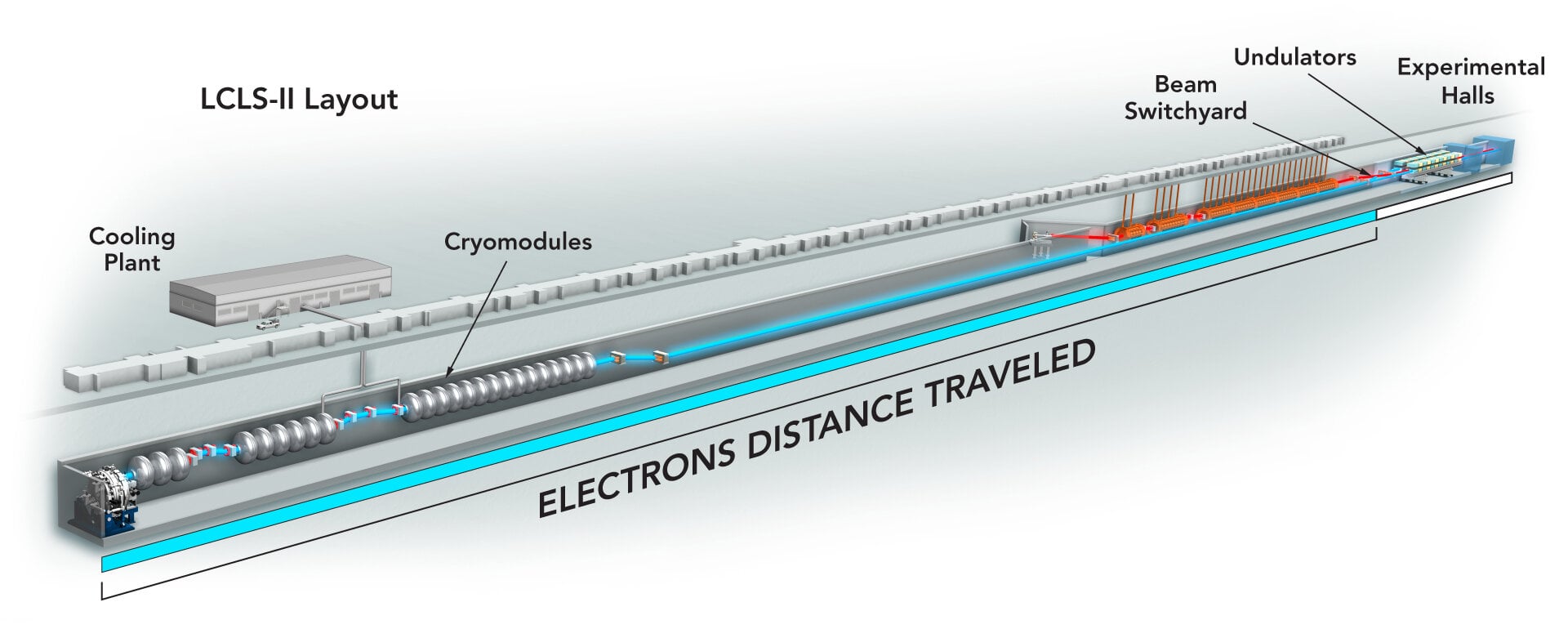
Stanford's upgraded particle accelerator, the LCLS-II, has produced its first X-rays, emitting up to a million X-ray pulses per second and a beam 10,000 times brighter than its predecessor. The cooling abilities of the accelerator, with cryogenic modules cooled to negative 456 degrees Fahrenheit, allow for boosted electrons with minimal energy loss. The upgraded accelerator will enable unprecedented research into atomic-scale phenomena, quantum computing, clean energy, and medicine, attracting researchers from around the world. The project involved multiple institutions and has gone through $1.1 billion in funding.
science-and-technology2 years ago

Revolutionizing X-Ray Science: California's Upgraded Linear Accelerator Sets New Standards

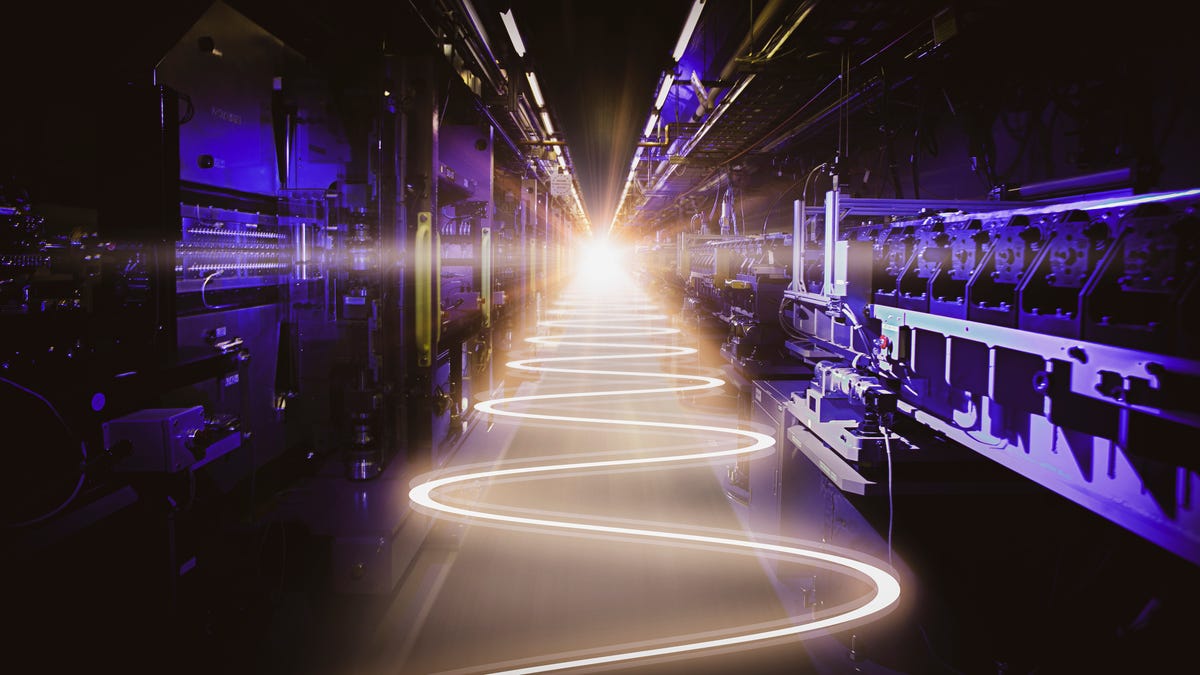
Engineers at the SLAC National Accelerator Laboratory in California have achieved "first light" with the Linac Coherent Light Source-II (LCLS-II), the world's most powerful X-ray laser. The upgraded linear accelerator will generate one million X-ray pulses per second, 10,000 times brighter than its predecessor, allowing scientists to study the smallest and fastest phenomena in the universe. The LCLS-II will provide valuable insights into various disciplines, from human health to quantum materials science, and keep the United States at the forefront of X-ray science. The first users of the upgraded accelerator are expected to arrive in November, marking a significant milestone in advancing scientific research.

science-and-technology2 years ago

"Breakthrough: Superconducting Accelerator Energizes SLAC's X-ray Laser with Electrons"

Electrons are now flowing through SLAC's new superconducting accelerator, bringing the Linac Coherent Light Source II (LCLS-II) project one step closer to powering the world's most powerful X-ray free electron laser. This achievement marks a major milestone in the decade-long effort to build the facility, which will produce X-rays 10,000 times brighter than its predecessor, enabling groundbreaking scientific research at the atomic level. The accelerator's use of niobium cavities and extremely cold operating temperatures allows for highly efficient electron acceleration, while meticulous dust control measures ensure optimal performance. Although more work is needed to improve the electron beam quality, the team is optimistic about the project's progress.