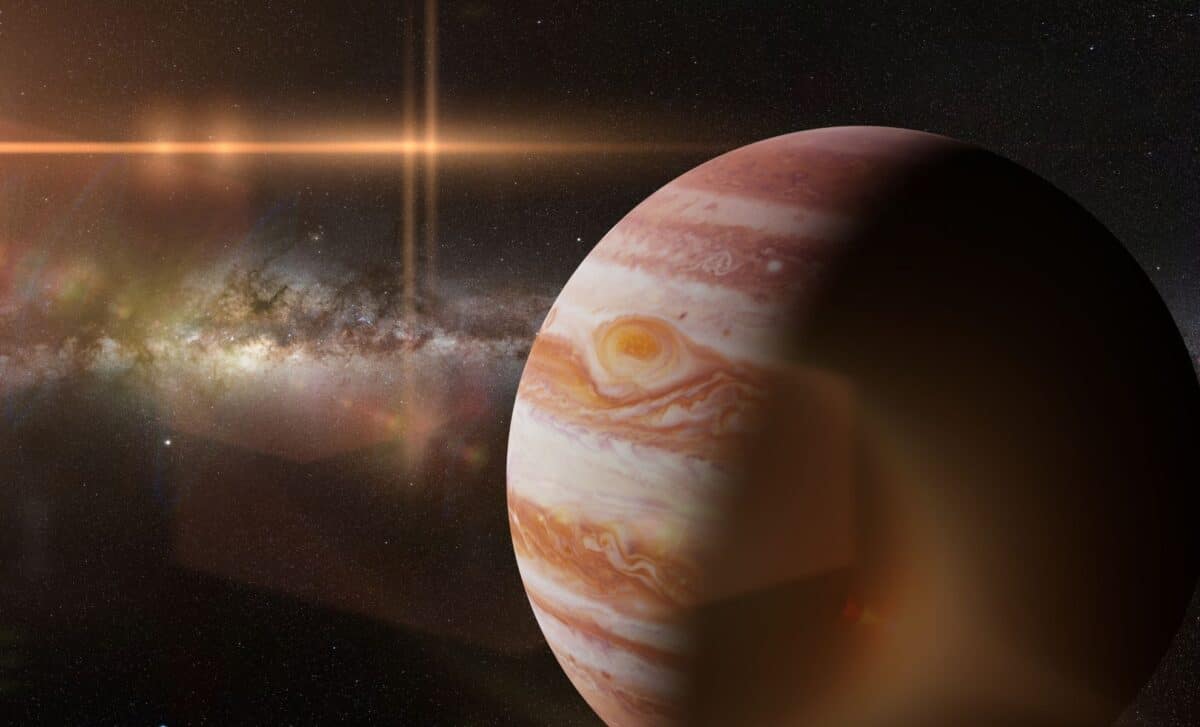
This January, Jupiter is at its brightest and most visible due to its opposition, making it an excellent month for stargazing, especially with the added spectacle of the Quadrantids meteor shower and prominent winter constellations like Orion and Taurus.
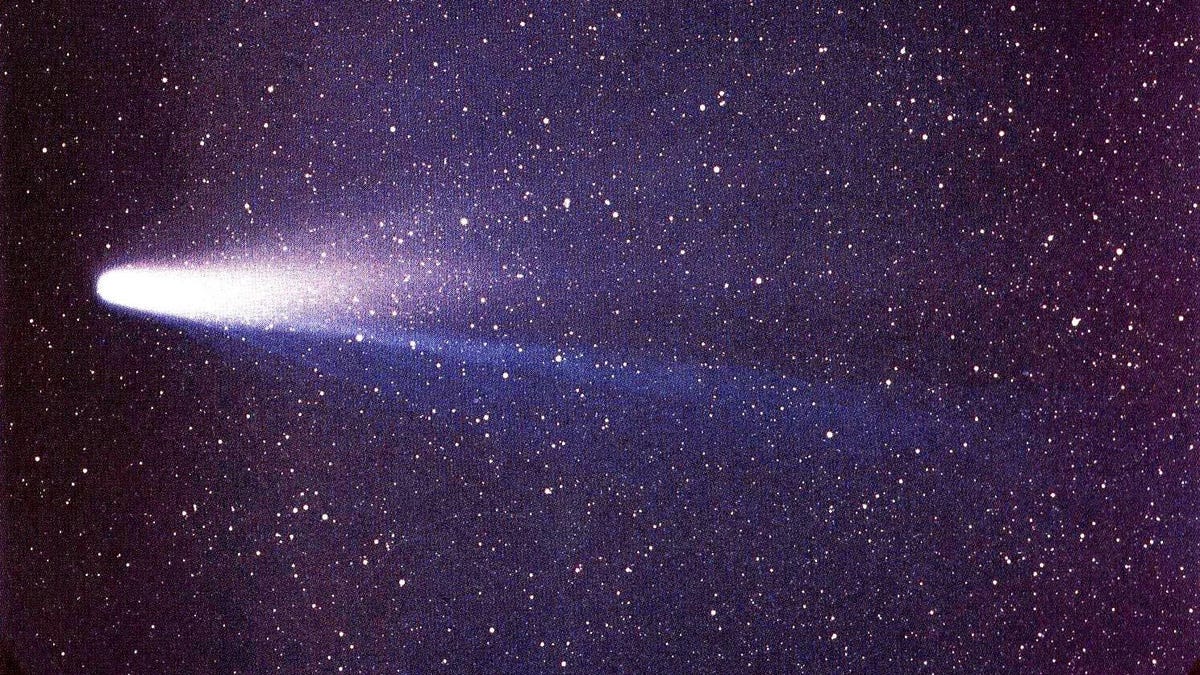
The Orionid meteor shower, peaking around 8 p.m. ET on Monday, offers a spectacular display of fast-moving meteors, best viewed in the southern sky during clear nights, coinciding with a new moon for optimal visibility. The shower originates from debris from Halley's comet and may be complemented by the Southern Taurids, with other meteor showers expected in the coming months.
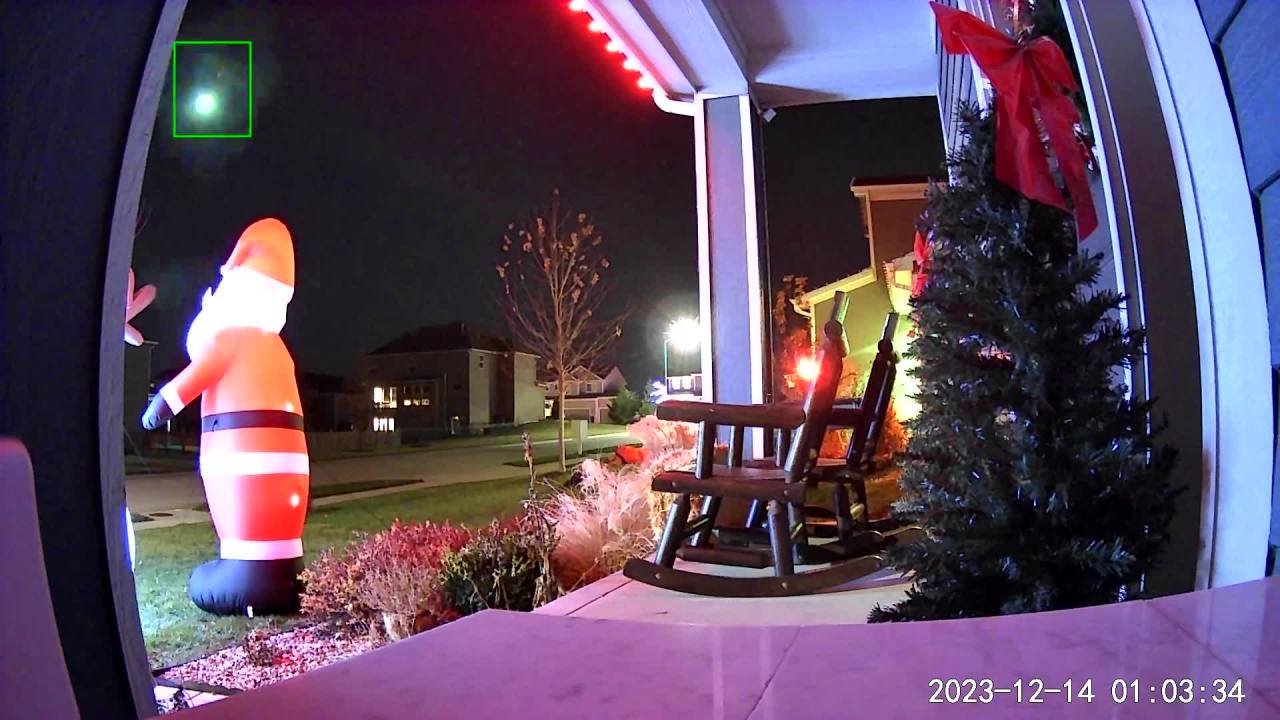
The Geminid meteor shower is currently peaking, offering a spectacular celestial display with up to 120 meteors per hour. A Kansas City-area resident captured a Geminid meteor on video. Known for their vibrant and vivid meteors, the Geminids are one of the most reliable and active meteor showers annually. To witness the event, viewers are advised to find a location away from city lights, lie flat on their back facing south, and allow their eyes to adjust to the darkness for optimal viewing.
The annual Orionid meteor shower, produced by debris from Halley's Comet, is set to peak on October 22, 2023. Known for its bright and swift meteors, the shower can be seen from both the Northern and Southern hemispheres. To optimize viewing, it is recommended to look 45 to 90 degrees away from the radiant point in the constellation Orion. The shower typically generates 15 to 20 meteors per hour, but intense activity is not expected this year. The best time to watch is after midnight, with the peak expected at 00:05 UTC on Sunday, October 22. Bring a lawn chair or blanket, dress warmly, and find a dark location away from city lights for the best experience.
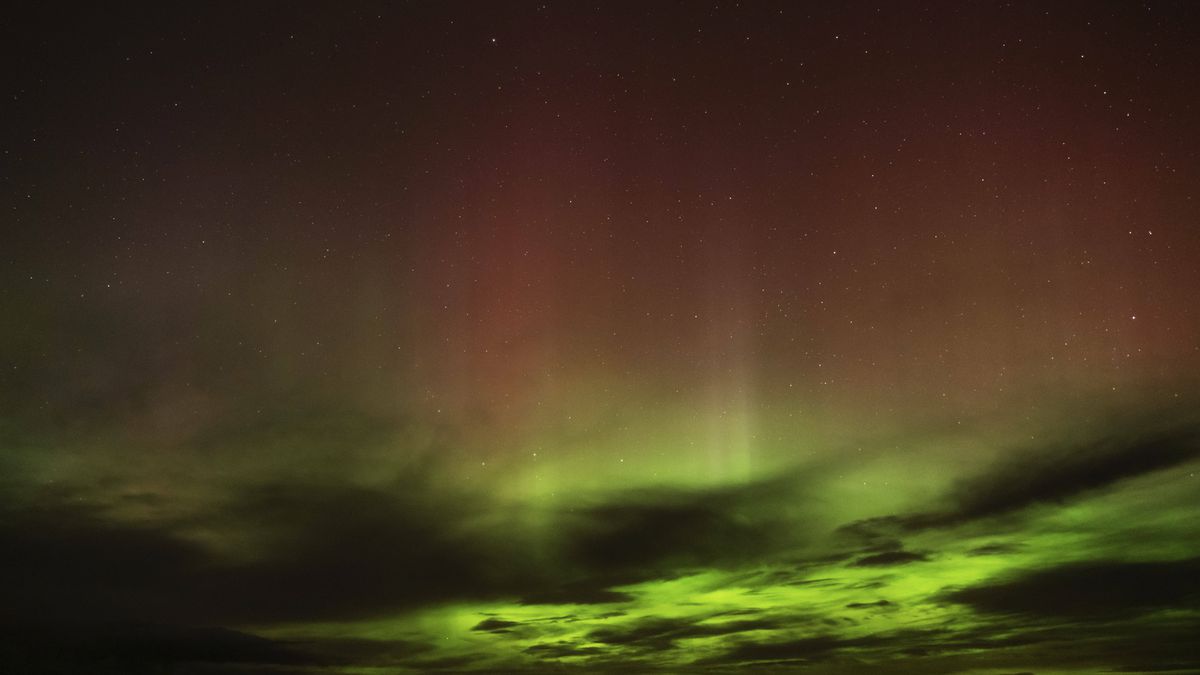
Oregonians are unlikely to witness the aurora borealis, or northern lights, this week as the forecast for the celestial display has been scaled back to low activity. The initial predictions of an exceptionally large aurora borealis due to a massive solar storm have been revised, disappointing those who were excited about the rare chance to see the phenomenon in Oregon. However, there is hope for future sightings as solar activity is expected to increase in the coming years. The aurora borealis is caused by particles from the sun colliding with molecules in the Earth's atmosphere, typically visible near the magnetic poles of the northern and southern hemispheres.