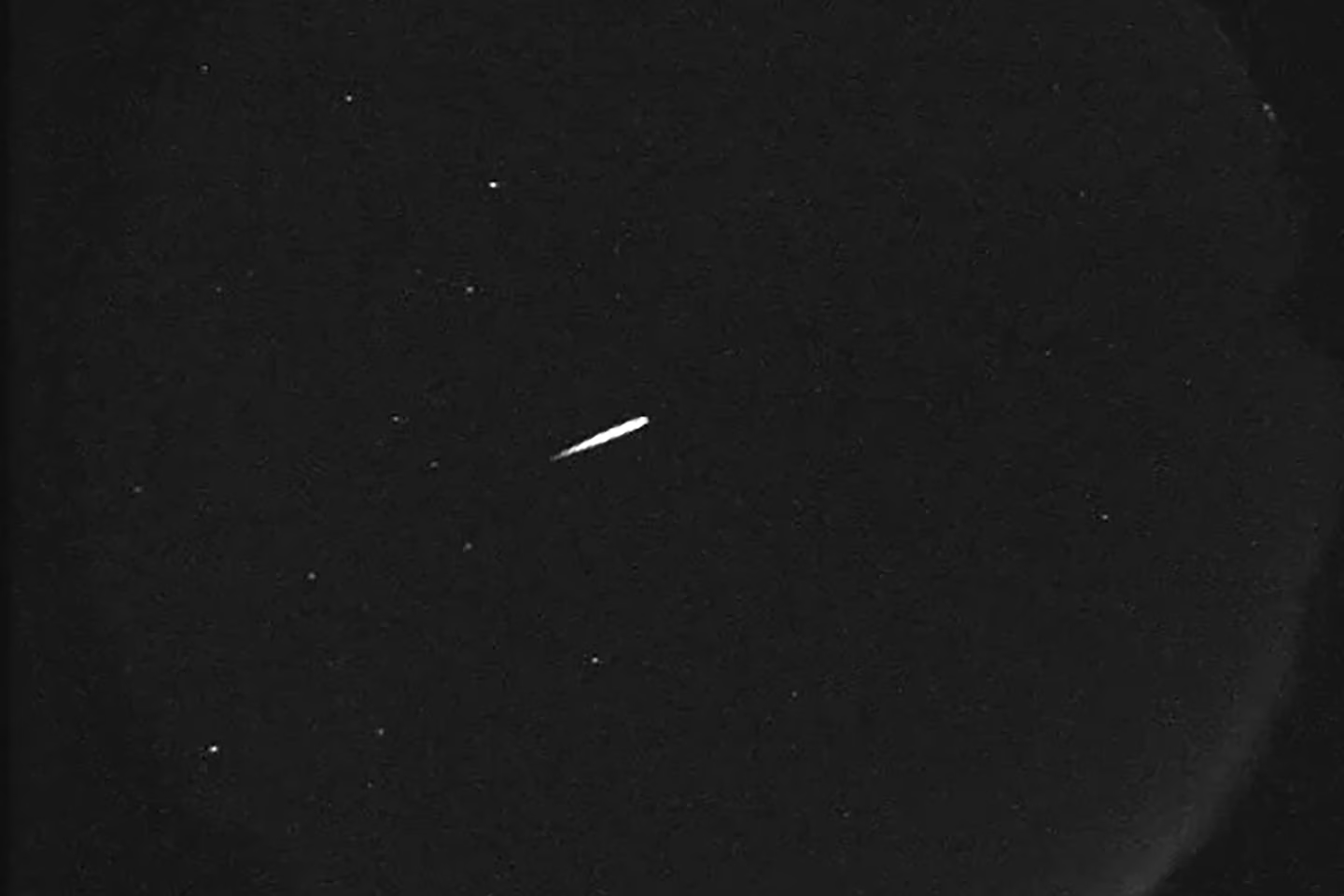
Guide to Watching the Orionid Meteor Shower Peak
The Orionid meteor shower peaks on Tuesday and Wednesday nights, offering excellent viewing conditions due to a new moon, with the best time to watch after midnight through dawn.

All articles tagged with #orionid
The Orionid meteor shower peaks on Tuesday and Wednesday nights, offering excellent viewing conditions due to a new moon, with the best time to watch after midnight through dawn.
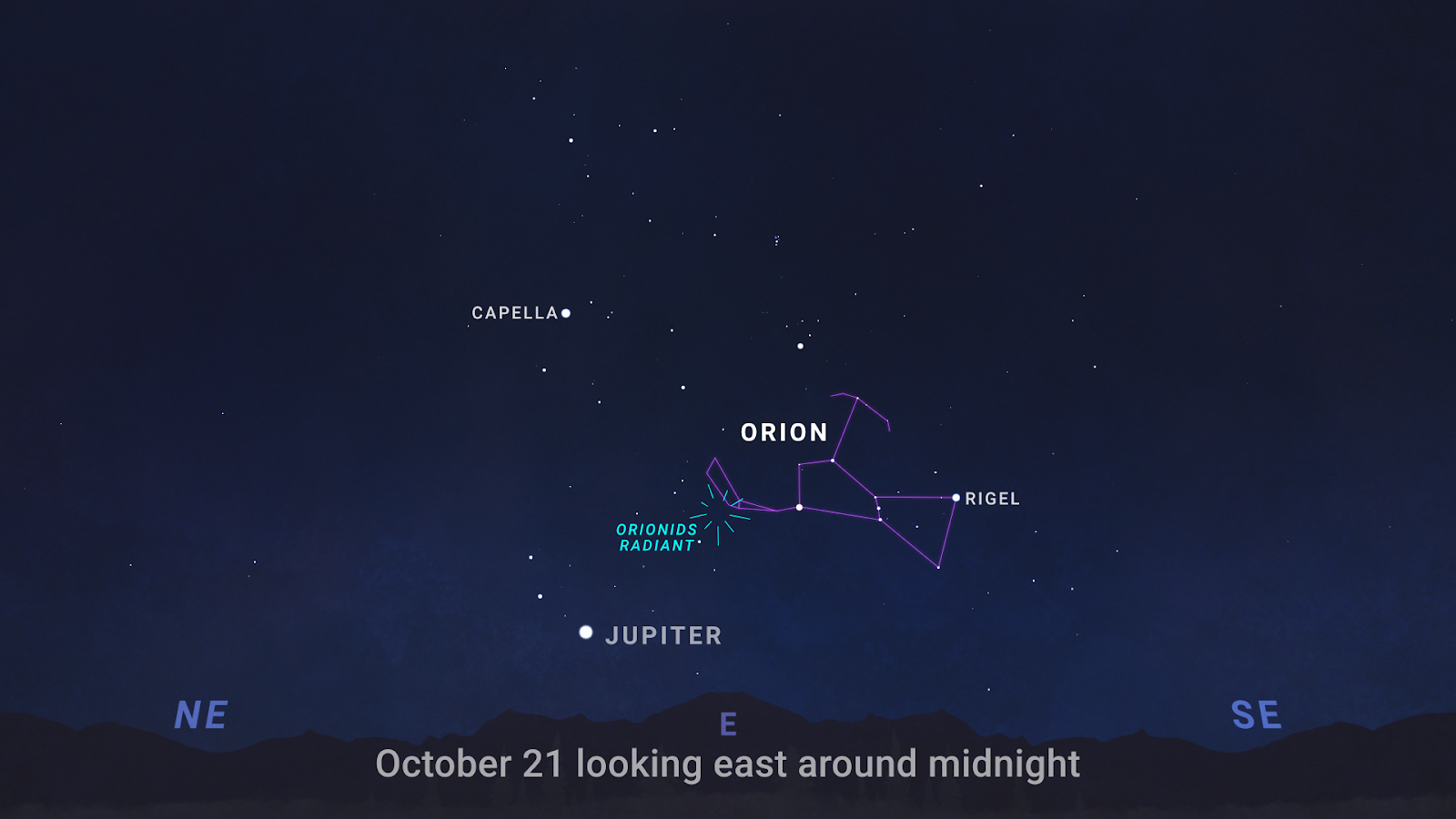
The Orionid meteor shower peaks on October 20-23, with the best viewing conditions during a new moon, and can be seen from Texas in the early morning hours, weather permitting, with up to 20 meteors per hour visible in dark skies.

The Orionid meteor shower, peaking around 8 p.m. ET on Monday, offers a spectacular display of fast-moving meteors, best viewed in the southern sky during clear nights, coinciding with a new moon for optimal visibility. The shower originates from debris from Halley's comet and may be complemented by the Southern Taurids, with other meteor showers expected in the coming months.
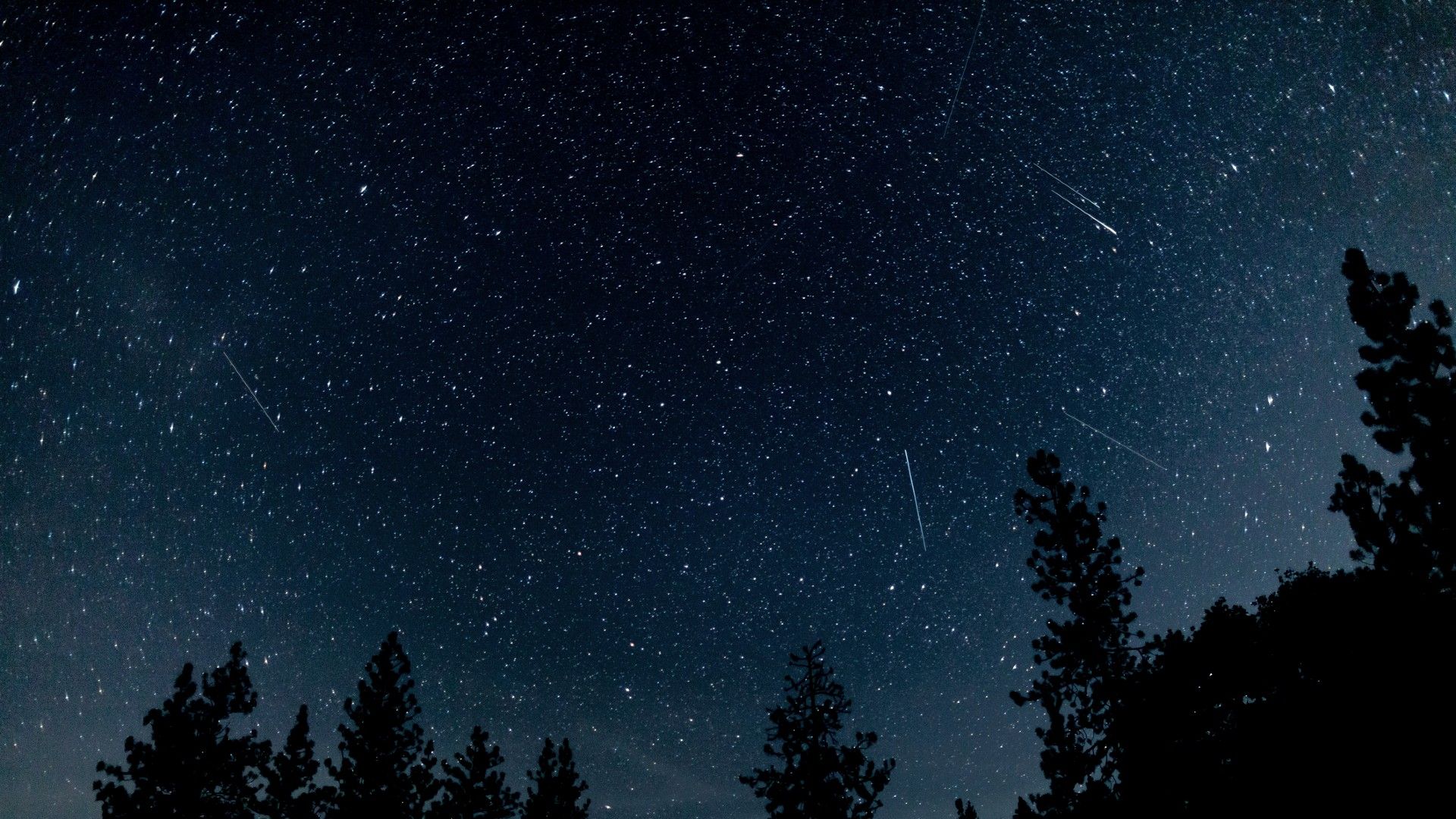
The Orionid meteor shower peaks overnight on October 20-21, offering a spectacular display of 10-20 shooting stars per hour under a moonless sky, with the best viewing in the pre-dawn hours from dark sky locations.
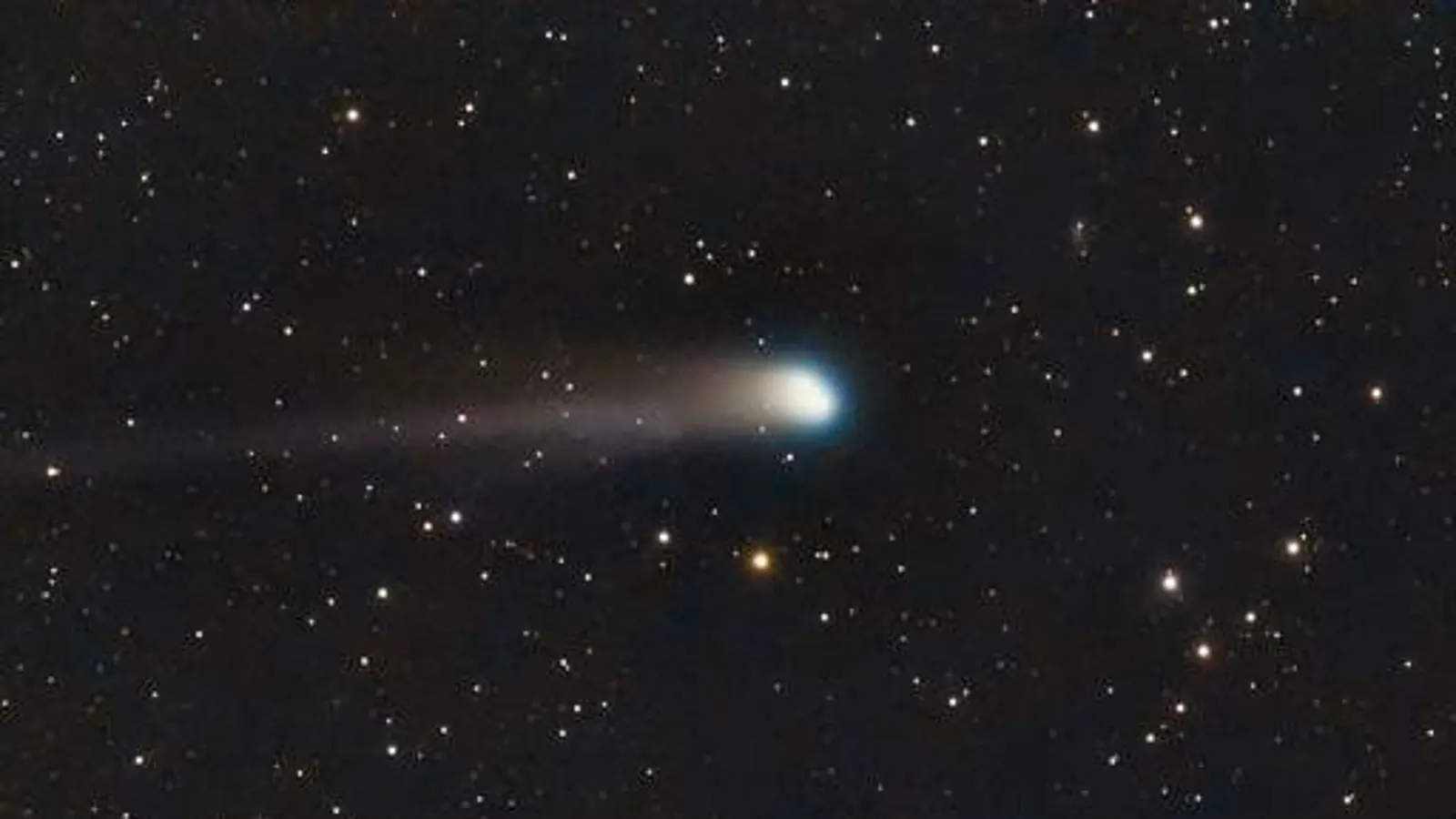
Two green comets, Lemmon and SWAN, will be closest to Earth on October 20, offering a rare opportunity to view them with the naked eye or binoculars, coinciding with the peak of the Orionid meteor shower under dark skies.
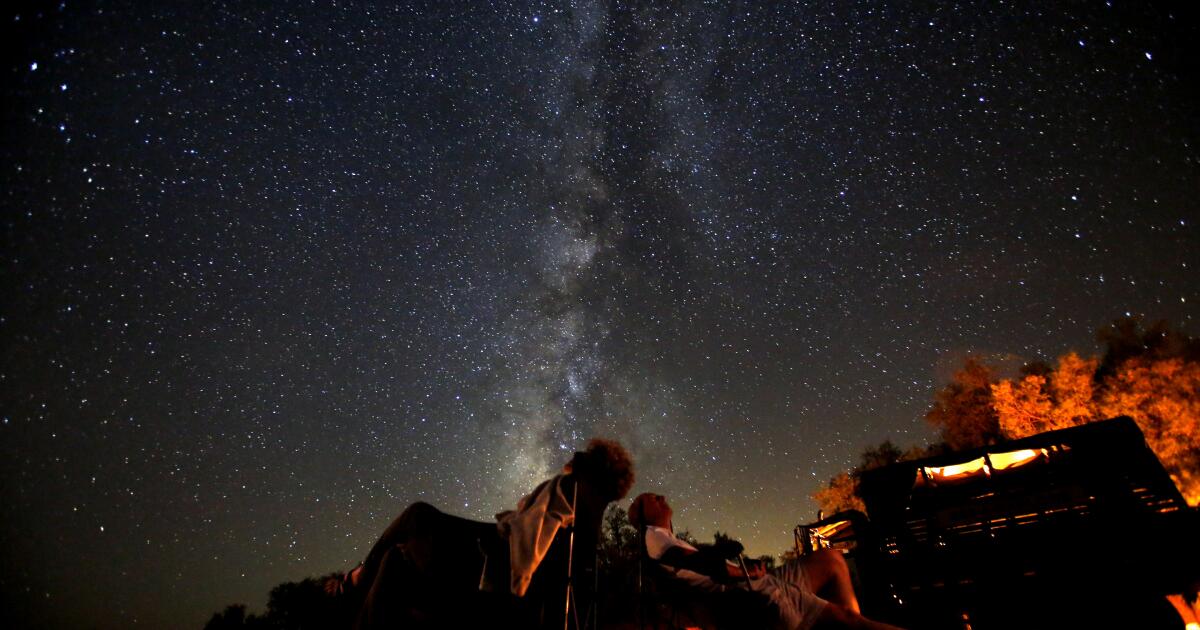
The Orionid meteor shower, originating from Halley's Comet, will be visible over Los Angeles next week, with peak viewing on Monday and Tuesday due to a new moon. Best viewing spots include Malibu Creek State Park, Topanga State Park, Angeles Crest Highway, Anza-Borrego State Park, and Joshua Tree National Park, with the most meteors visible away from light pollution. Patience is key, as the shower can produce 10 to 20 meteors per hour.
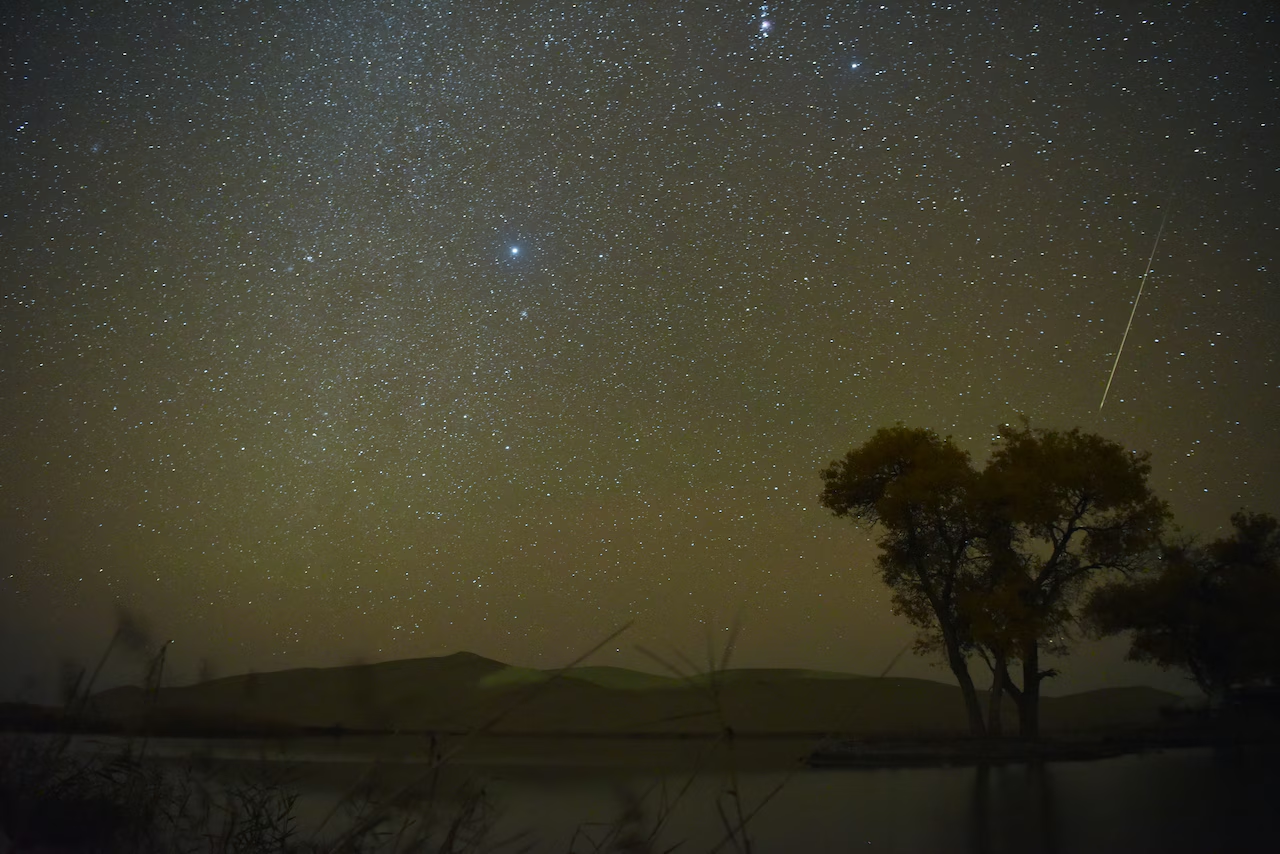
The Orionid meteor shower will peak overnight October 20-21, 2025, offering up to 20 meteors per hour under dark, moonless skies, with ideal viewing conditions after midnight when Orion rises high in the southern sky, providing a spectacular display of fast, glowing meteors originating from debris left by Halley's Comet.
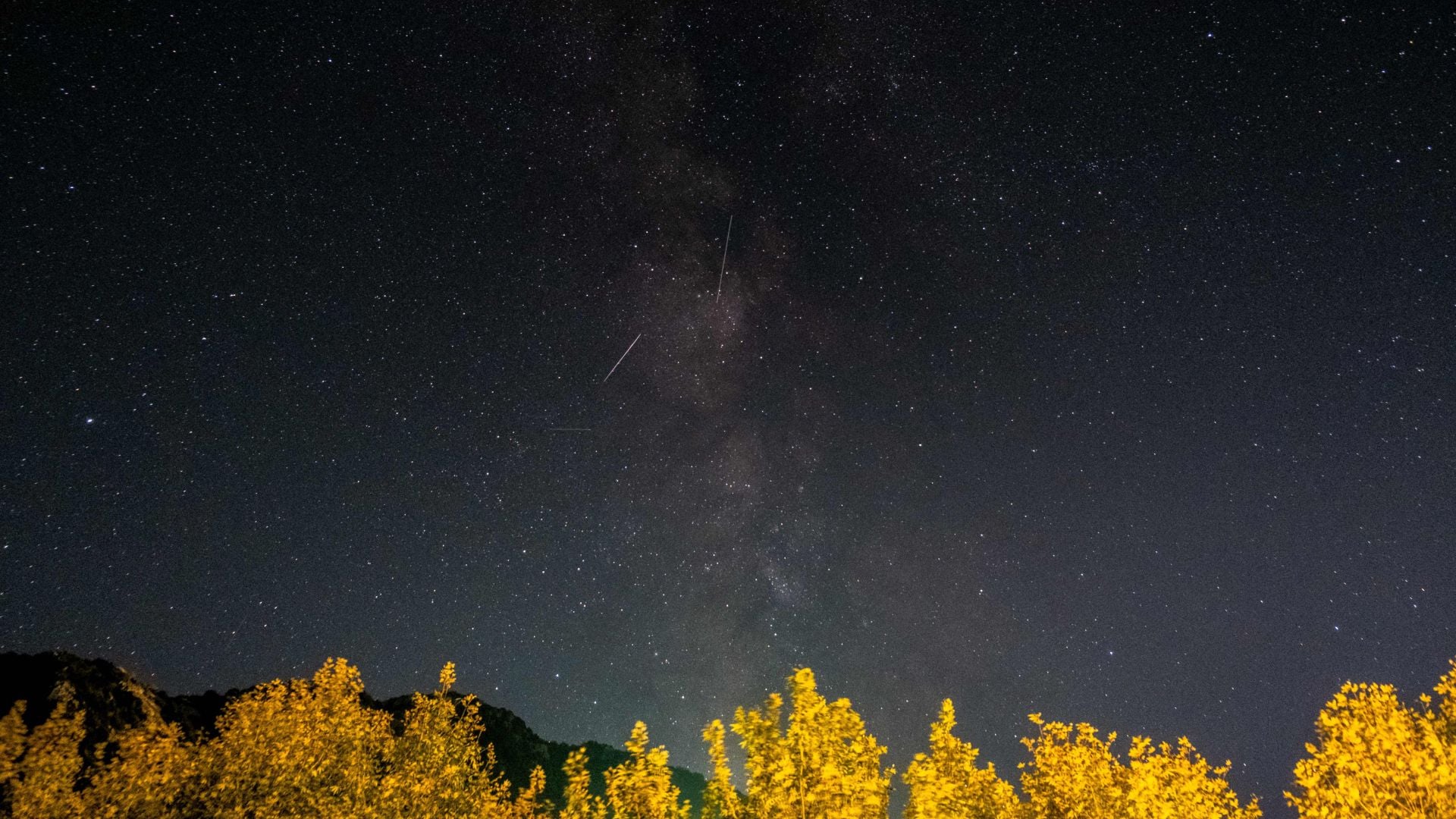
The Orionid meteor shower will peak on October 20-21, 2025, offering a spectacular display of 10-20 meteors per hour against a dark, moonless sky, with optimal viewing in the predawn hours near Orion's Belt and Betelgeuse.
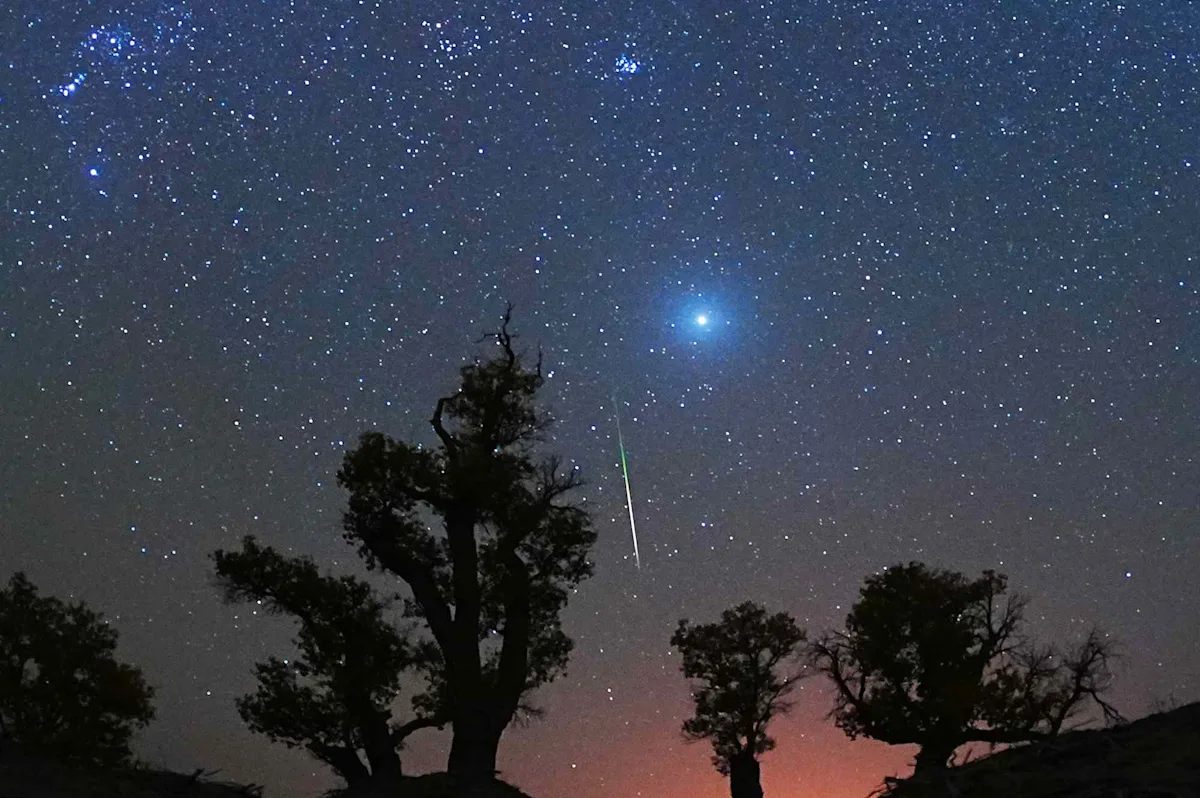
The Orionid meteor shower, considered one of the most beautiful of the year, is currently visible across the U.S., peaking between October 20-21 with up to 30 meteors per hour, and coincides with the close approach of Comet Lemmon, offering a rare double celestial spectacle, especially visible from dark sky locations in the Northern Hemisphere.
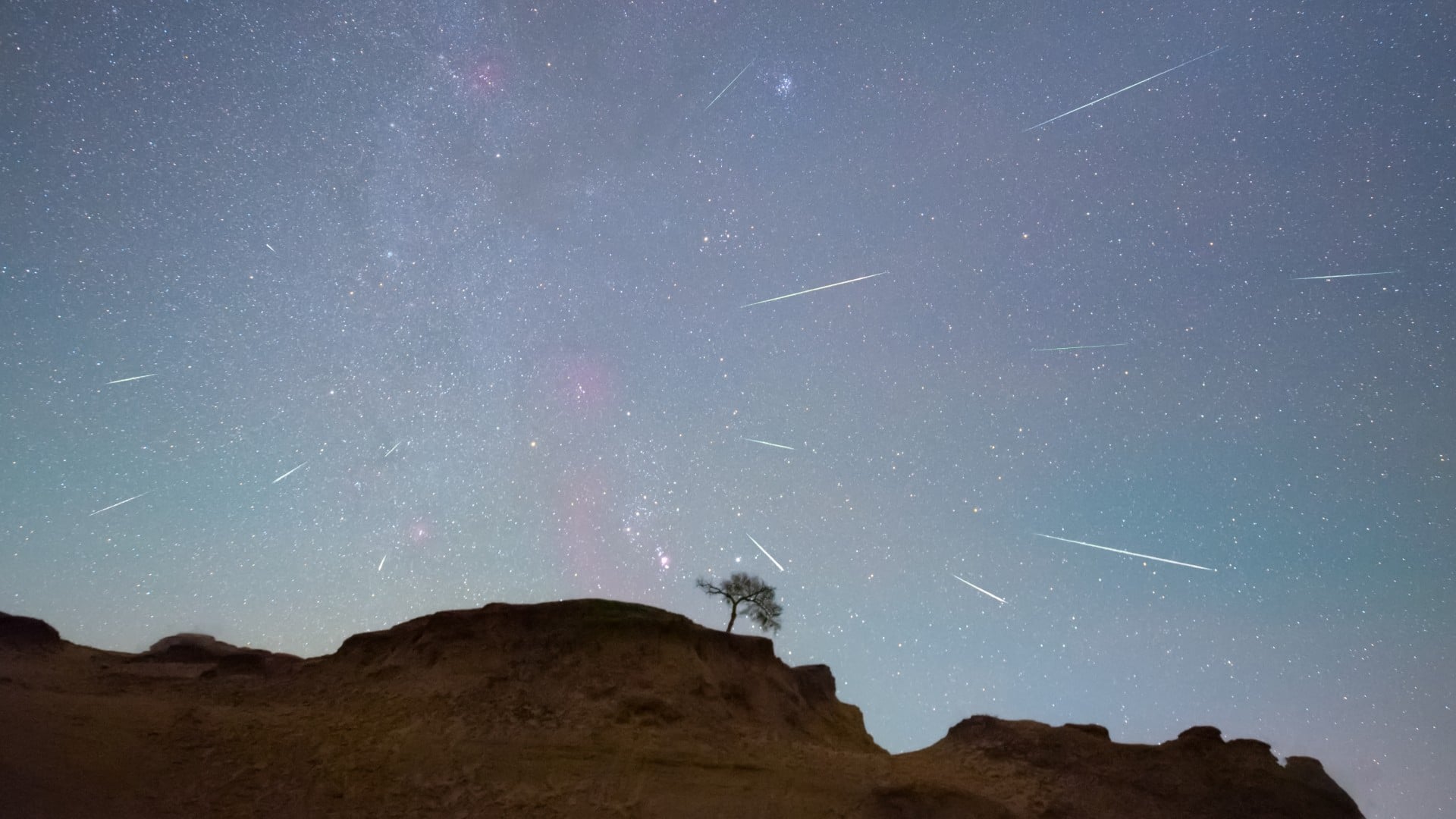
The Orionid meteor shower, associated with Halley's Comet, is visible from October 2 to November 12, with peak activity around October 20-23, offering up to 20 shooting stars per hour under ideal conditions. Best viewing is after midnight during the new moon, with tips for skywatchers and photographers included.
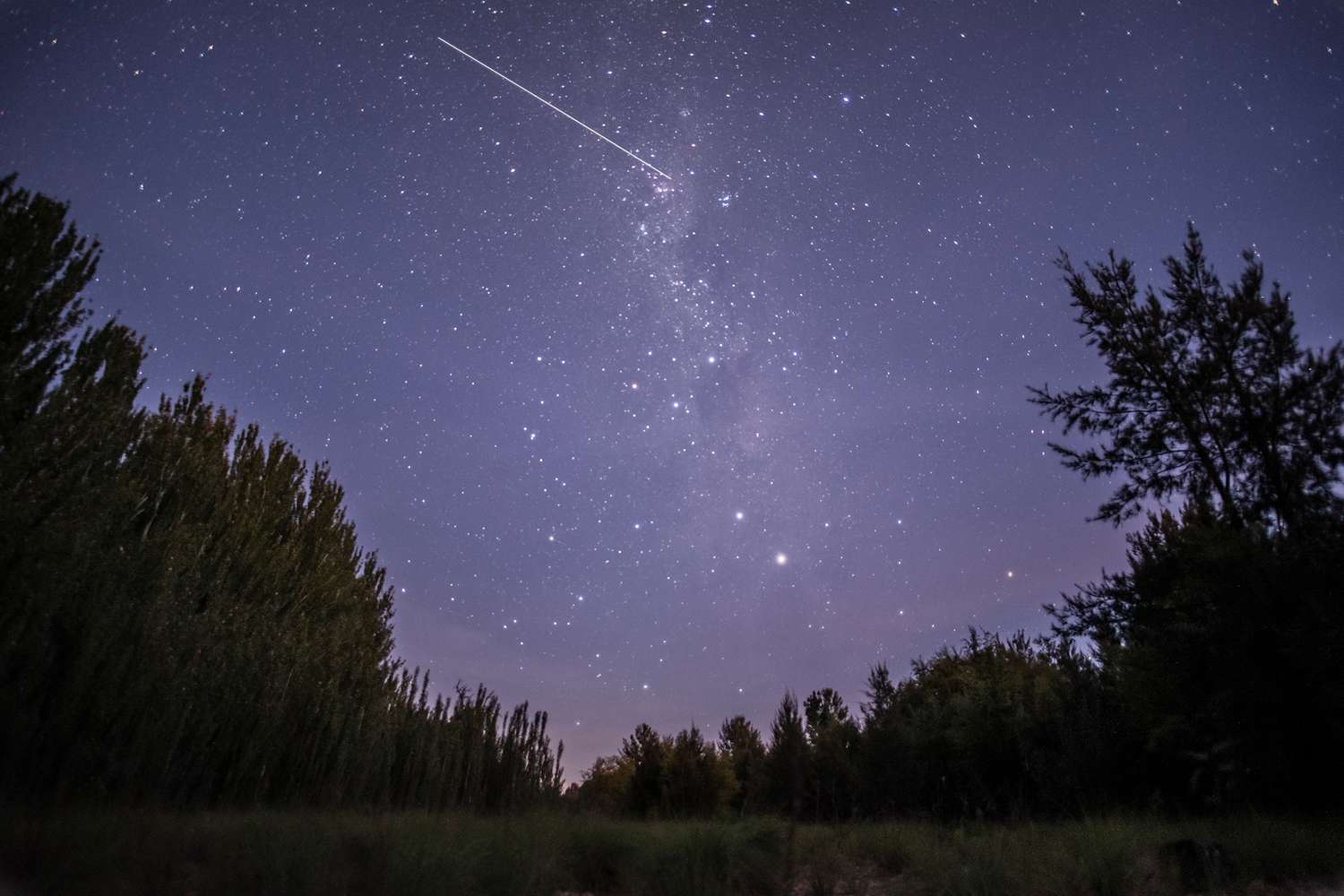
The Draconid meteor shower is predicted to peak on the evening of October 8 into the morning of October 9, making it convenient for those who prefer to observe meteor showers in the evening. The Draconids are caused by the Earth passing through the debris trail of the comet 21P/Giacobini-Zinner and typically produce around 10 meteors per hour. However, in some years, they can create a meteor storm with rates of hundreds to thousands of meteors per hour. To view the Draconids, find a dark-sky location away from light pollution and let your eyes adjust for about 20 minutes before looking up to the sky. The next meteor shower, the Orionids, will peak on the night of October 21 and is active from September 26 to November 22.