Tag

Sky Observation

All articles tagged with #sky observation

science2 months ago

Meteor Activity Forecast for November 8-14, 2025

The article provides an outlook on meteor activity from November 8-14, 2025, highlighting the moon phases, expected meteor shower rates, and radiant positions for various meteor showers such as the Andromedids, Orionids, and Taurids. It offers guidance for observers on the best times and directions to view meteors, emphasizing the influence of moonlight and sky conditions.
science7 months ago

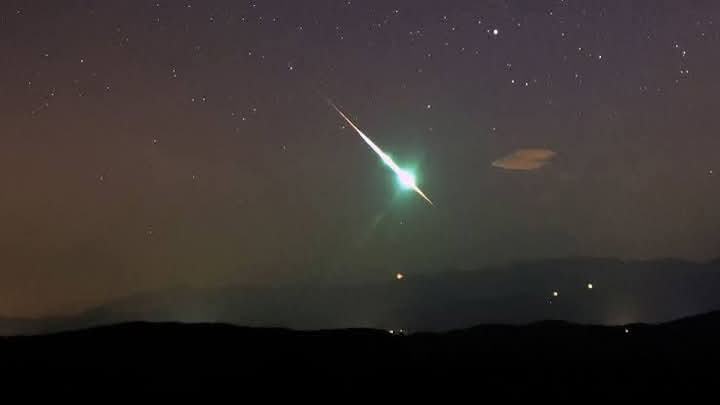
Meteor Activity Forecast for June 7-13, 2025

The meteor activity from June 7-13, 2025, will be hindered by a full moon, making it a poor time for meteor viewing, with low hourly rates expected. Several minor meteor showers are active, but their visibility is limited due to lunar interference, and optimal viewing times are before dawn. Observers are encouraged to use star charts and tools to identify radiant positions and meteor sources.

astronomy1 year ago

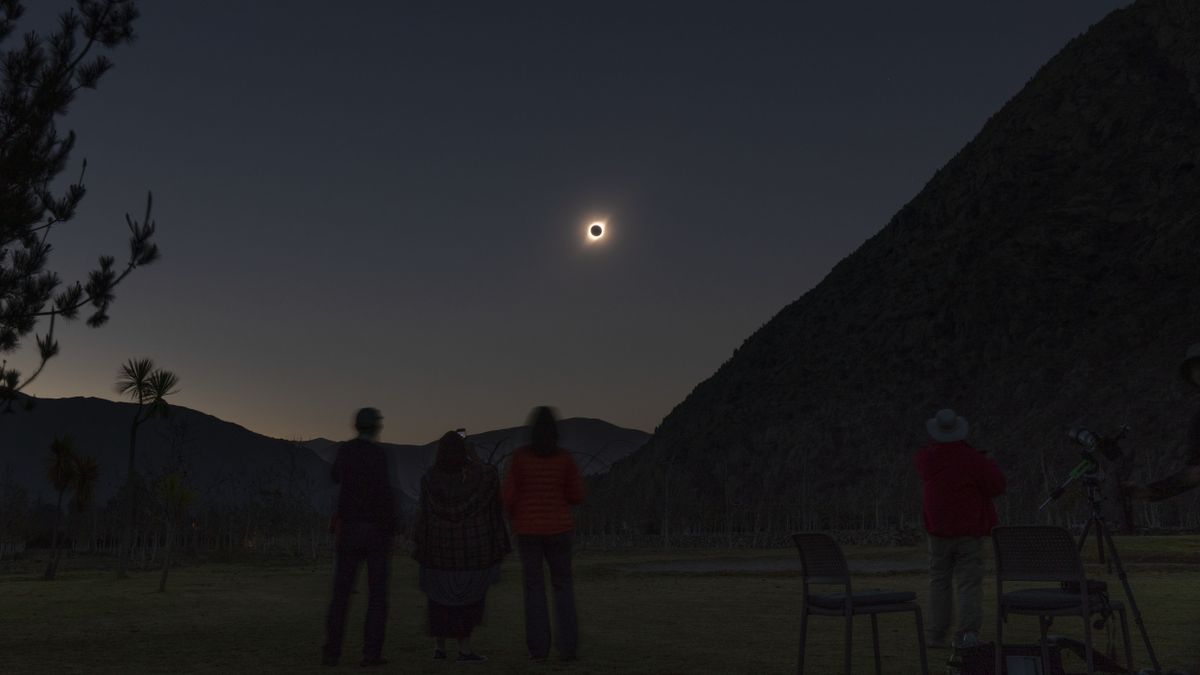
"Unveiling the Celestial Spectacle: What to Expect During the Total Solar Eclipse on April 8"

Observers in or near the path of totality for the April 8 solar eclipse can make useful observations of the moon's shadow projected on the Earth's atmosphere, as well as studies of sky darkness and exotic colors and lighting. The eclipse will offer a chance to see stars and planets, with Venus being the brightest object, and observers are advised to focus on viewing the solar corona and to use solar filters for safe viewing.

skywatching2 years ago

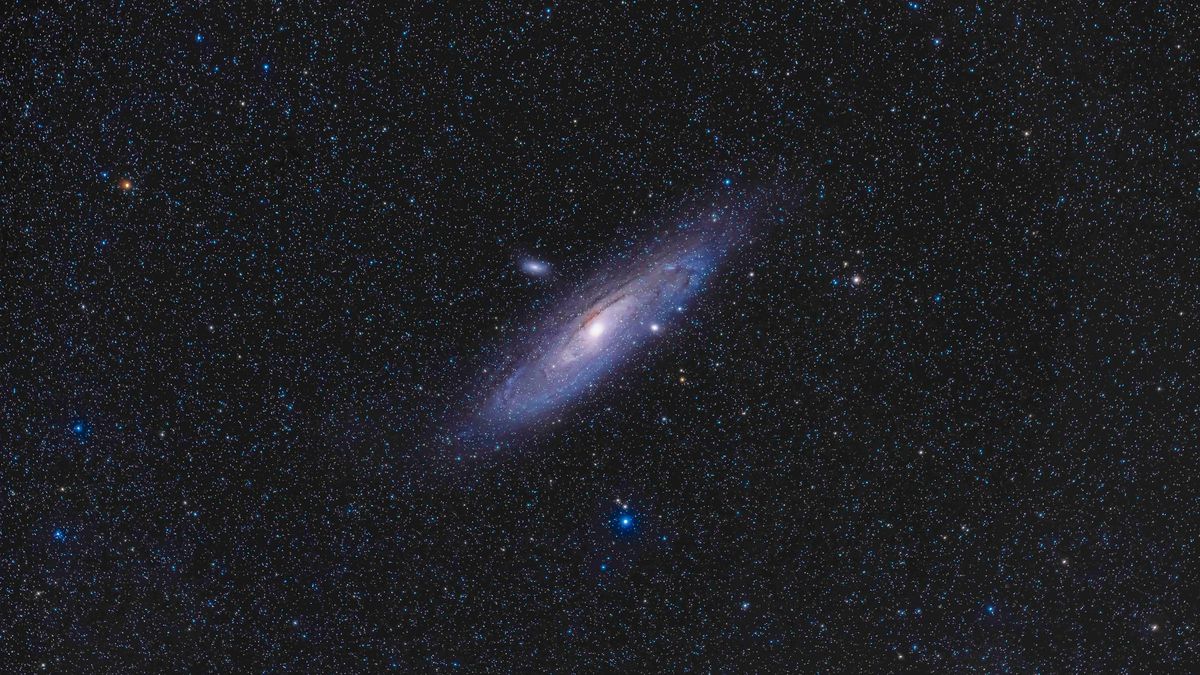
Spotting the Andromeda Galaxy: A Guide to Observing Our Celestial Neighbor

The Andromeda Galaxy, the most distant object visible to the naked eye, will be passing almost directly overhead this week. To locate it, find the Great Square of Pegasus and focus binoculars on the star Alpheratz. Move to the star Mirach in Andromeda and then up to a bright star above it, where you will find the "little cloud" of the Andromeda Galaxy. The light from this galaxy has traveled for approximately 2.5 million years to reach us, and it is estimated to be nearly 200,000 light years in diameter. In about 4.5 billion years, Andromeda is expected to collide with our Milky Way galaxy.

astronomy2 years ago

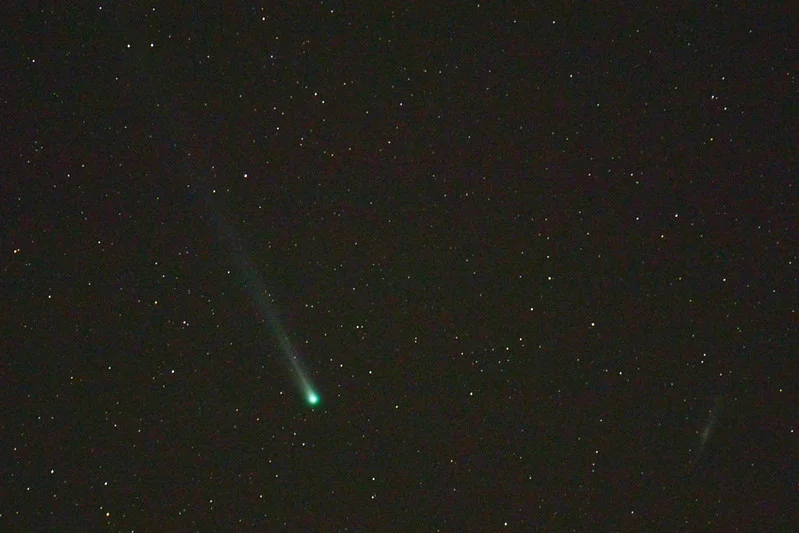
"Spot Comet Lemmon in the Sky This Week: November 10-17"

This week, skywatchers have the opportunity to observe Comet Lemmon, which will be at its brightest and visible with binoculars in the evening sky. Other celestial events include the Blinking Planetary Nebula in Cygnus, an occultation of Jupiter's moon Io, the opposition of Uranus, the close pass of the Moon and Antares, the pairing of Comet Tsuchinshan with the Beehive Cluster, Mercury passing Antares, and the peak of the annual Leonid meteor shower.

astronomy2 years ago

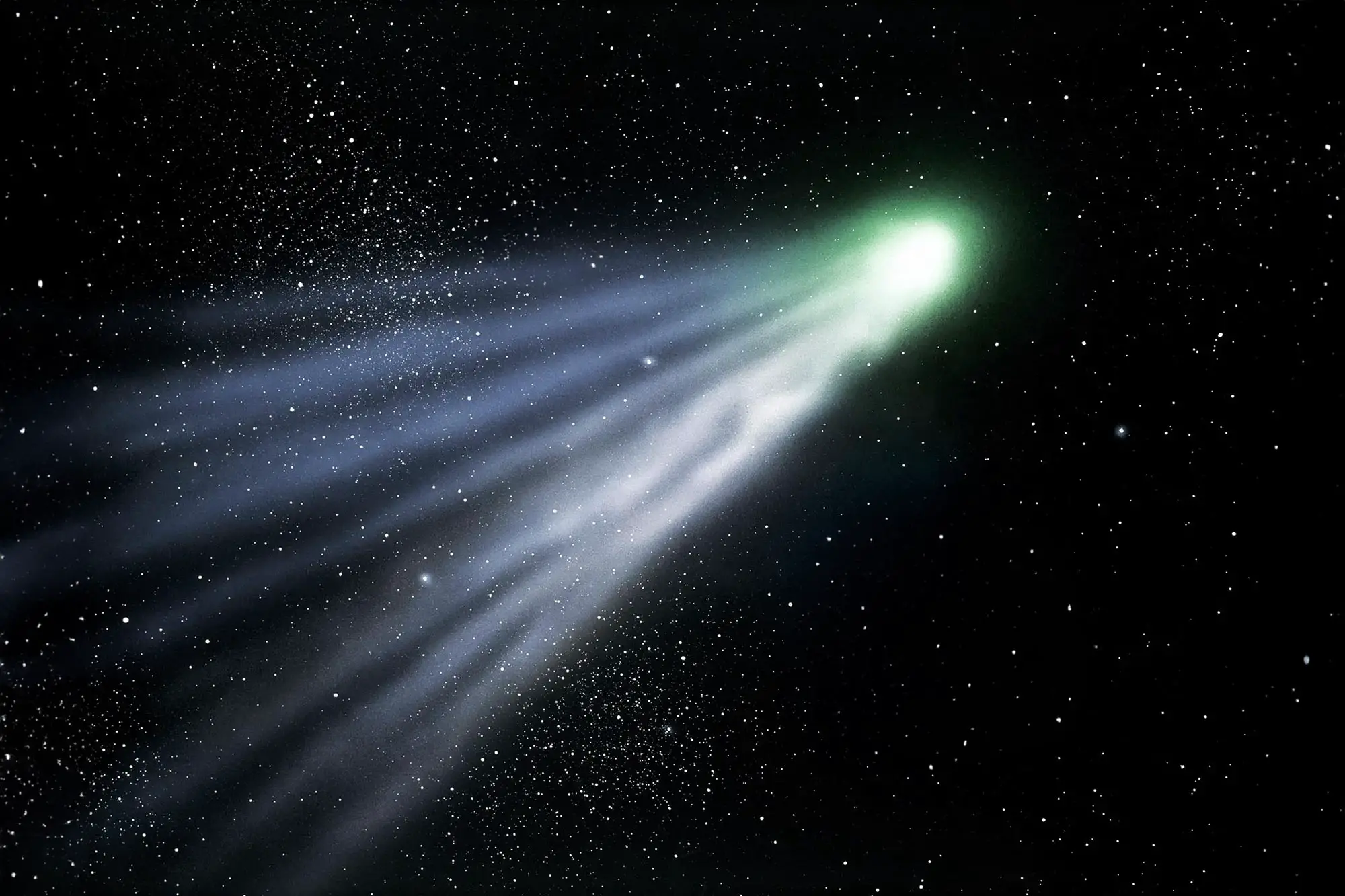
"Nishimura: The Spectacular Rare Green Comet Lighting Up the Sky"

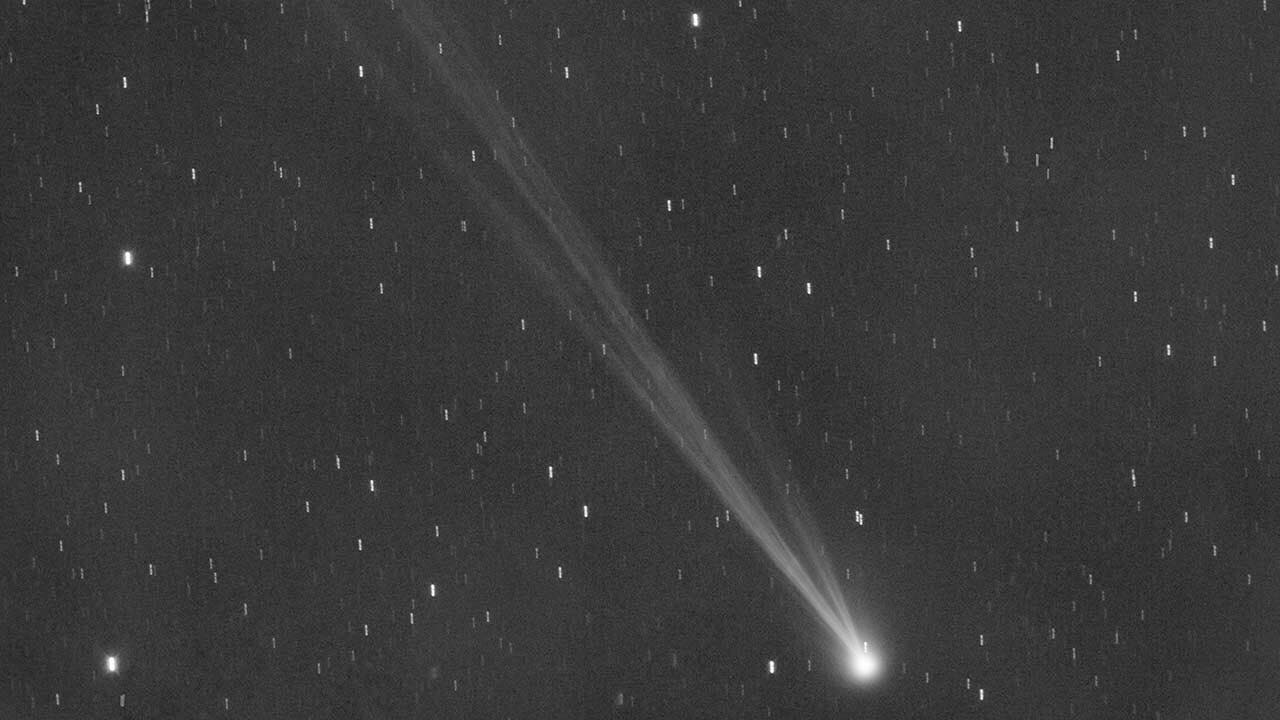
Comet Nishimura, also known as C/2023 P1, is currently passing close to the Sun but is unlikely to provide a spectacular sky display. While it is bright enough to be visible to the naked eye, its proximity to the Sun means it will be difficult to observe, especially in the evening sky. Astronomers are still excited about the comet and there is a chance it may brighten unexpectedly. If not, there is another comet, C/2023 A3 (Tsuchinshan-ATLAS), that could potentially provide a spectacular show next year.

astronomy2 years ago

Rare Green Comet Nishimura Set to Dazzle Earth's Skies

A rare green comet named Nishimura, discovered by an amateur Japanese astronomer, will be visible in the Northern Hemisphere for the first time in over 400 years. The half-mile-sized comet will pass within 78 million miles of Earth on September 12. To spot the comet, observers will need to wake up before dawn, look north near the constellation Leo, and use binoculars. The comet is expected to survive its passage near the sun and may be visible to people in the Southern Hemisphere by the end of September.

science-and-technology2 years ago

Unexplained Chain of Lights Illuminates Friday Night Sky

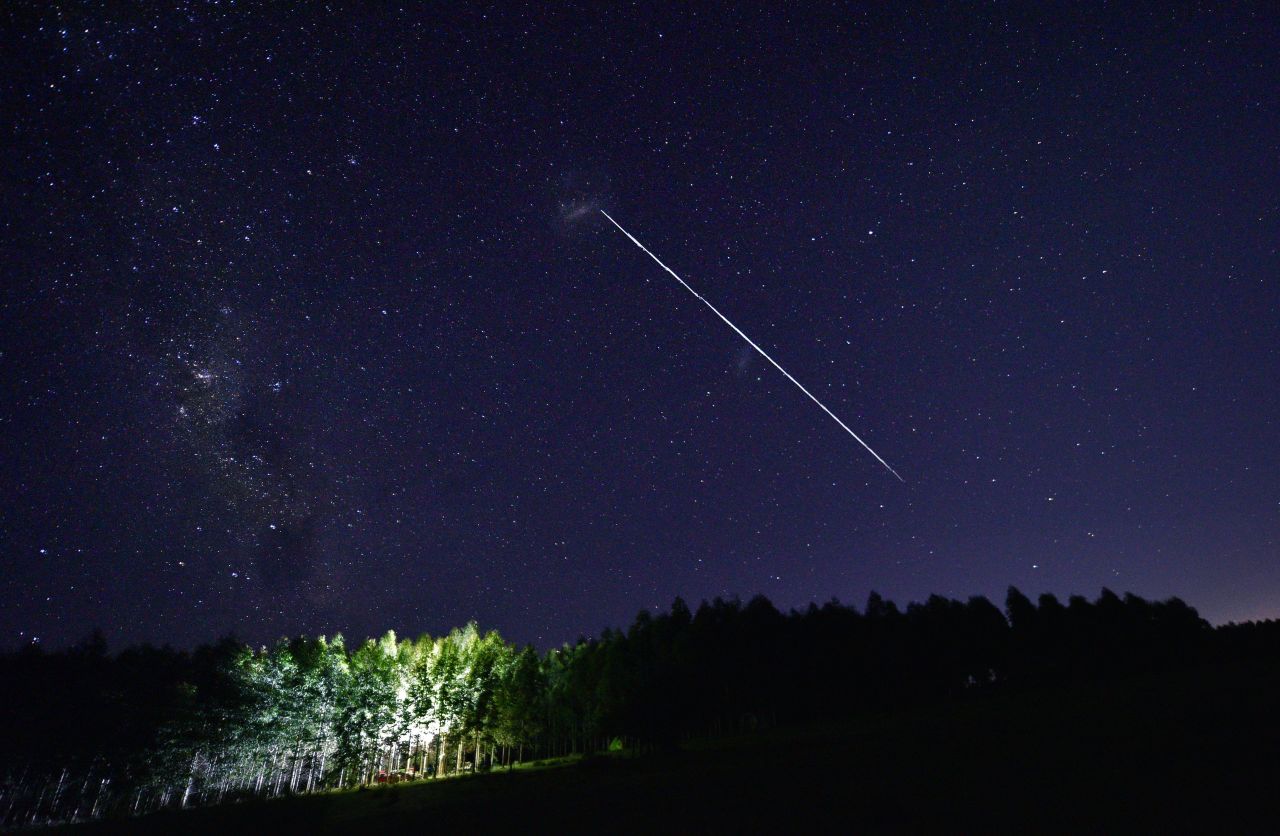
The chain of lights seen in the sky on Friday night was actually SpaceX's Starlink satellites, which fly closer to Earth than most other satellites and provide broadband internet to customers worldwide. These low-orbiting satellites create a visible train of light as they are launched into orbit and can be easily observed from the ground without the need for a telescope. Several live sites and apps allow users to track the movement of these satellites in real time.

astronomy2 years ago

"New Horizons: Measuring the Universe's True Darkness from Afar"

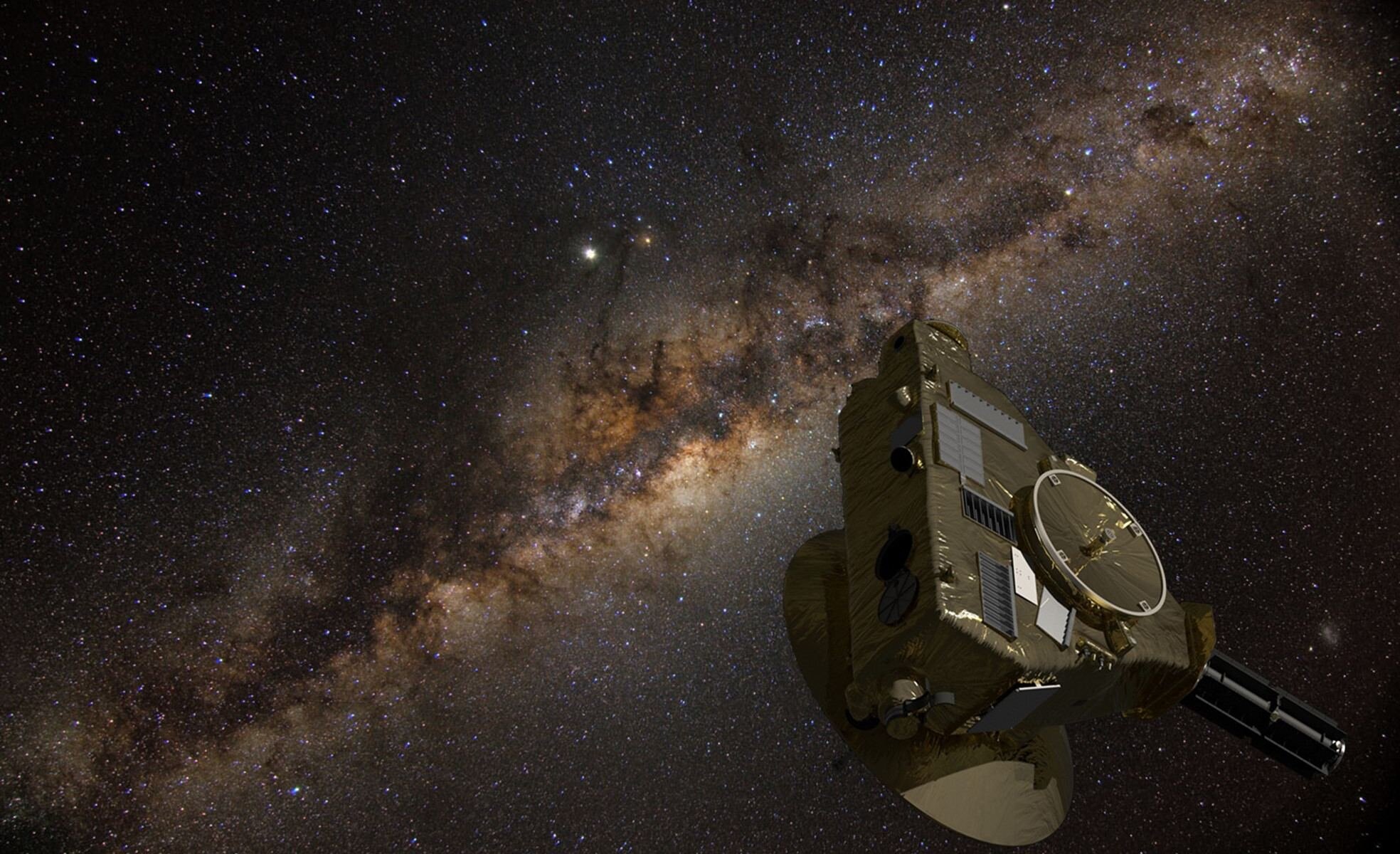
The New Horizons spacecraft, currently twice as distant from the sun as Pluto, has measured the darkness of the universe by capturing images of a patch of sky far away from the Milky Way, the sun, and bright stars. Comparing the amount of light captured to Hubble's view of the dark sky, researchers found that it was darker by an expected amount, but there was still some unexplained faint glow. The team plans to observe 15 other dark locations to further investigate this mysterious background glow and potentially gain insight into the true darkness of the cosmos.

astronomy2 years ago

Moon's Spectacular Encounter with the Pleiades: A Celestial Delight

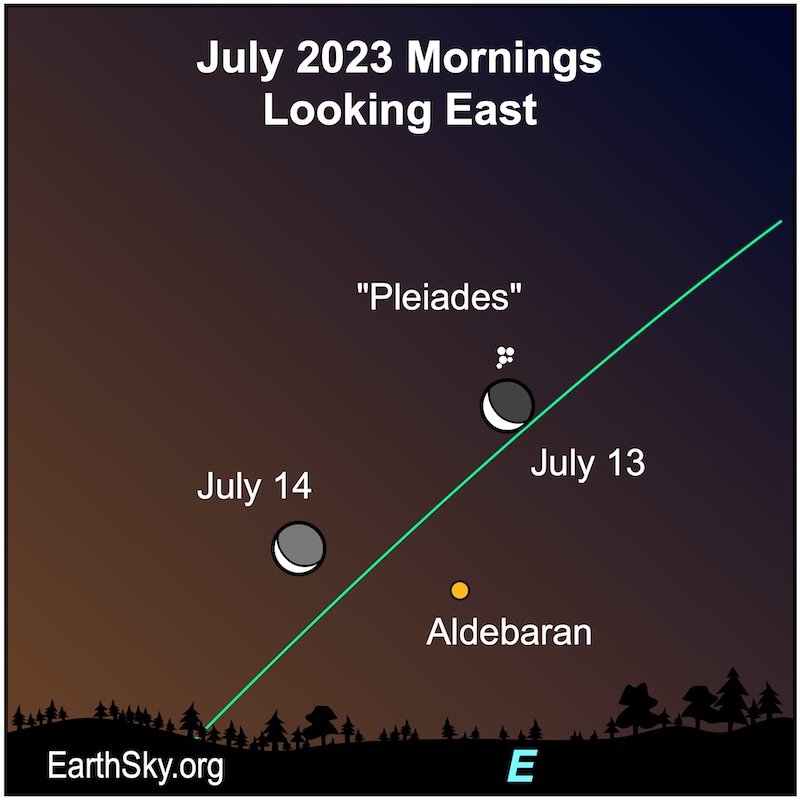
Early risers on July 13 and 14, 2023, will have the opportunity to witness a waning crescent moon near the Pleiades star cluster, also known as the Seven Sisters or Messier 45. The bright star Aldebaran will be nearby, forming part of the constellation Taurus the Bull. The Pleiades, visible as a tiny dipper, are a family of stars that can be observed with binoculars. The moon and Taurus will be visible above the eastern horizon shortly after 2 a.m., providing a beautiful sight before dawn.