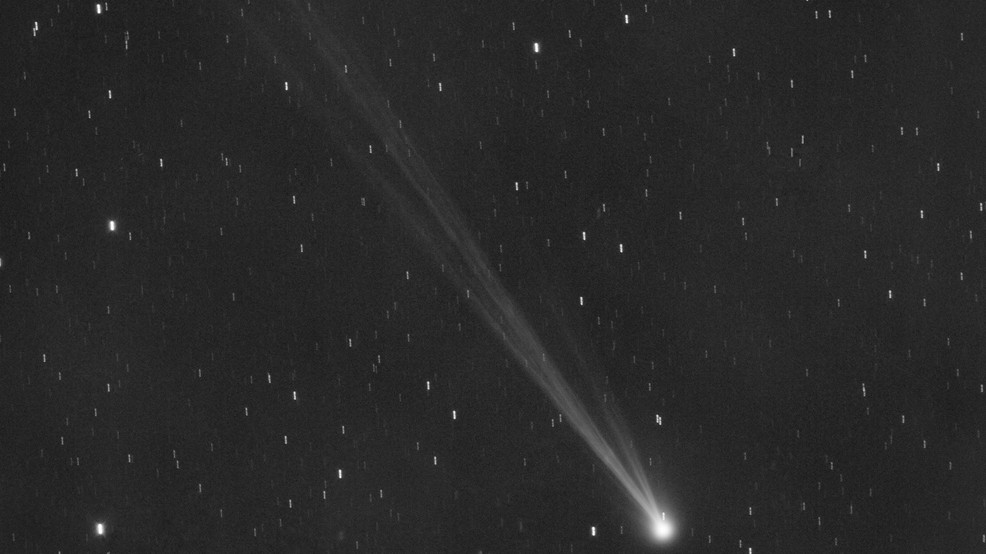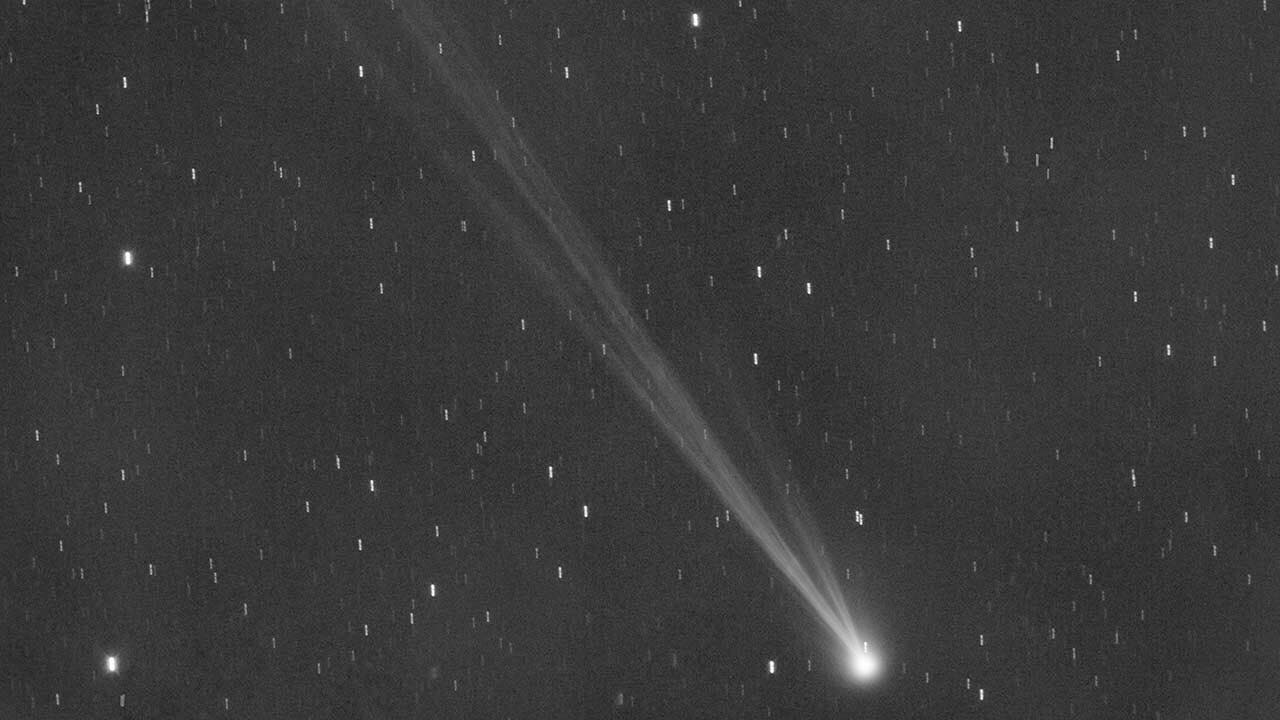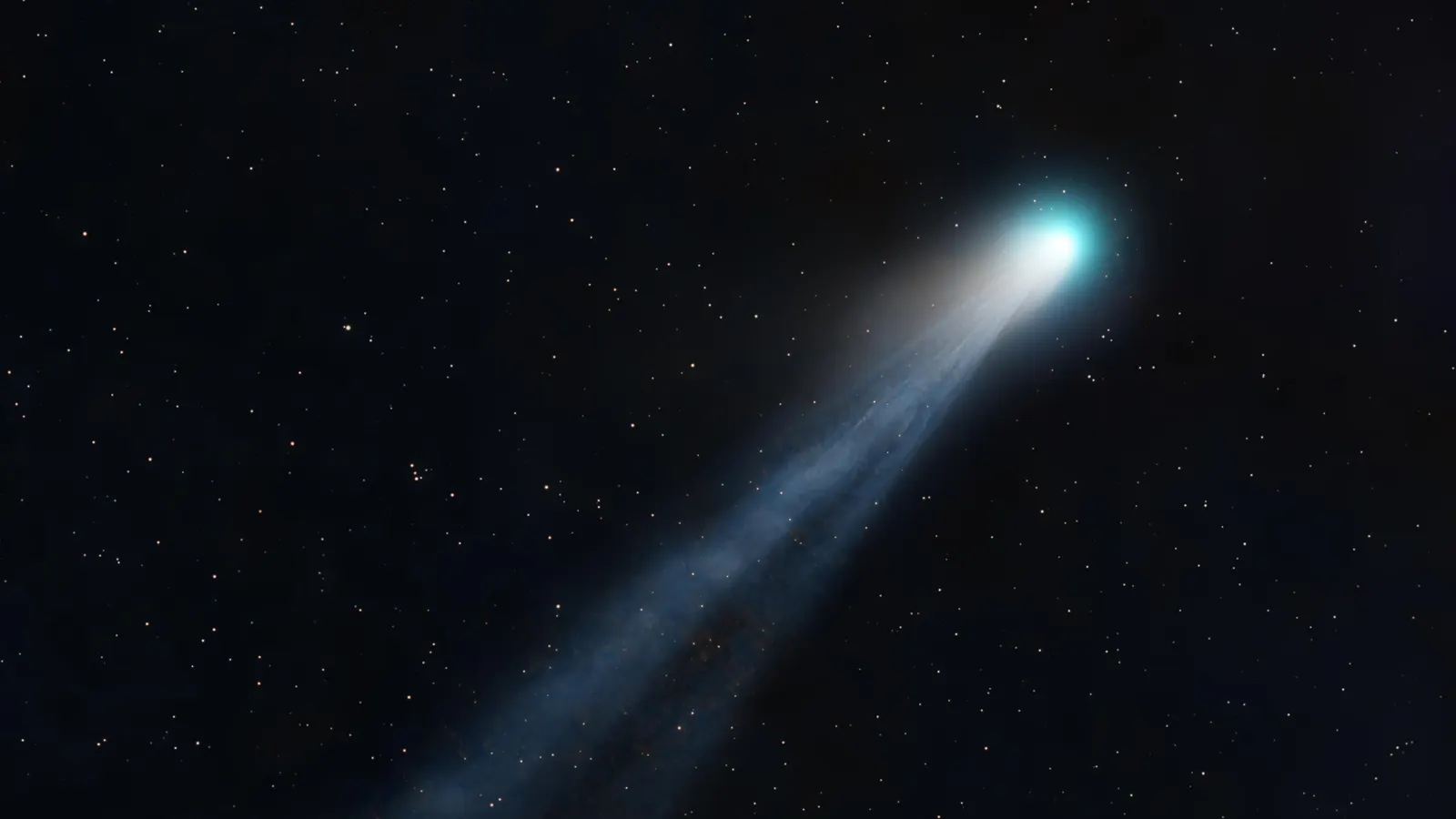
October 2025 promises a spectacular night sky with Comet Lemmon, Orionid and Taurid meteor showers, and a swarm of fireballs, offering skywatchers a rare chance to see bright comets, shooting stars, and fireballs, especially around October 21 when Comet Lemmon reaches its closest approach to Earth.
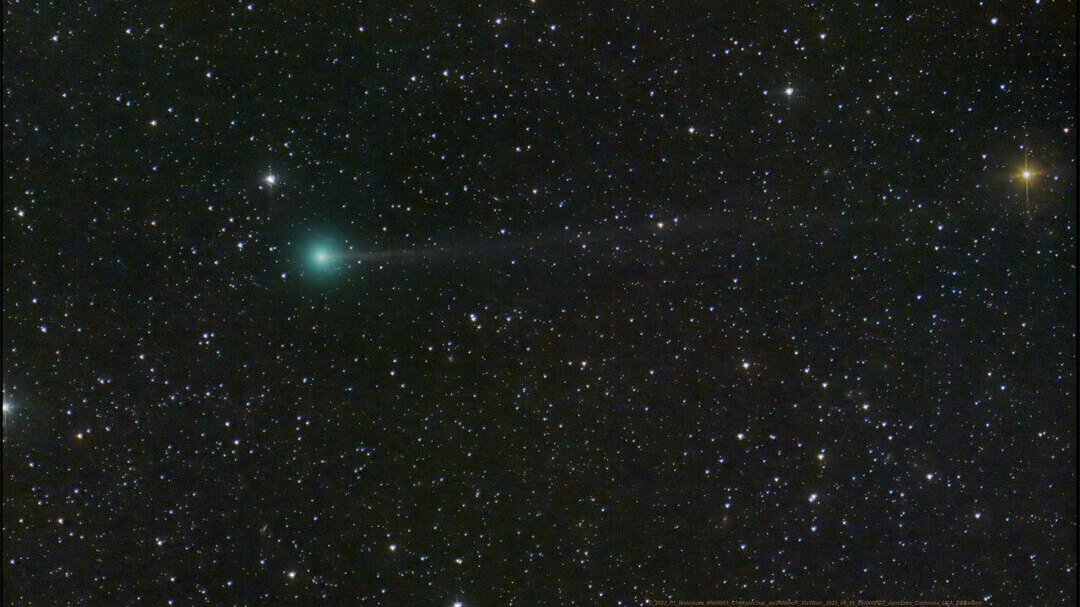
A newly-discovered green comet named Nishimura, after amateur Japanese astronomer Hideo Nishimura who discovered it, is currently visible from the northern hemisphere for the first time in over 400 years. The comet can be seen in the constellation of Leo and appears as a fuzzy white glow to the naked eye, but photographs show a bright lime green color. To spot the comet, observers will need binoculars or a small telescope and should consult star charts from Sky & Telescope for guidance. The comet will be closest to Earth on September 17 before becoming visible from the southern hemisphere.
The rare green comet C/2023 P1 Nishimura, unseen for 400 years, is set to pass by Earth, providing stargazers across the Northern Hemisphere with a unique opportunity to catch a glimpse of the wandering ice ball before it disappears for another four centuries.
A rare green comet named Nishimura, discovered by an amateur Japanese astronomer, will be visible in the Northern Hemisphere for the first time in over 400 years. The half-mile-sized comet will pass within 78 million miles of Earth on September 12. To spot the comet, observers will need to wake up before dawn, look north near the constellation Leo, and use binoculars. The comet is expected to survive its passage near the sun and may be visible to people in the Southern Hemisphere by the end of September.
Professional photographer Miguel Claro has created a stunning 4K time-lapse video showcasing the one-month journey of Comet C/2022 E3 (ZTF) past Earth. The video captures the comet's greenish coma, white dust tail, and a "disconnection event" where part of the plasma tail was uprooted and carried away by the solar wind. The comet also reveals a rare "anti-tail" that gradually changes its angle as Earth crosses its orbital plane. Claro's video includes rapid greenish meteors, close encounters with galaxies, and the comet's fast movement against the starry sky. The footage is a result of capturing and processing almost 1 terabyte of data from 521 final images.