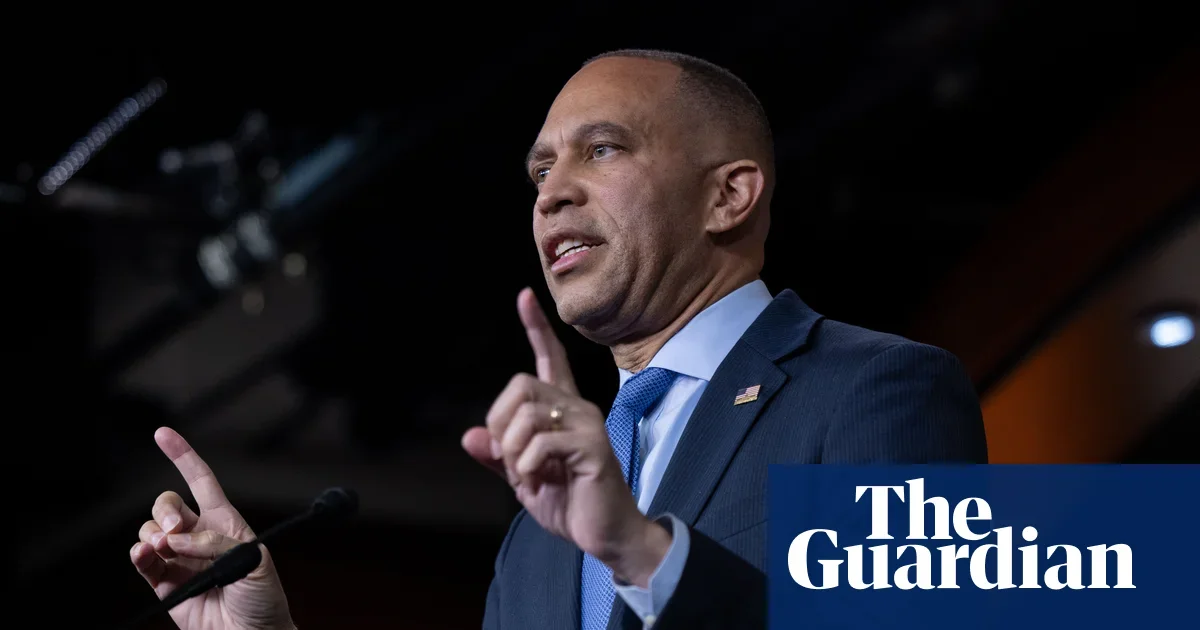
Top House Democrats oppose a Republican-led bill to reopen the US government because it does not include extending tax credits for Affordable Care Act health plans, which are set to expire. The Senate passed a temporary funding measure without these credits, leading to a partisan standoff that threatens to complicate the passage of the bill in the House, where Democratic opposition and potential defections could impact the vote.
The Senate Agriculture Committee has released a draft of a bill to overhaul cryptocurrency regulation, focusing on empowering the CFTC to regulate digital commodities like bitcoin and ether, amid ongoing negotiations and concerns over bipartisan support and agency staffing. The legislation aims to clarify regulatory frameworks for the crypto market, with key issues including the composition of the CFTC and the influence of political and familial ties in crypto regulation. Meanwhile, other legislative and political developments include efforts to reopen the government, debates over hemp industry regulations, and internal Democratic leadership dynamics.
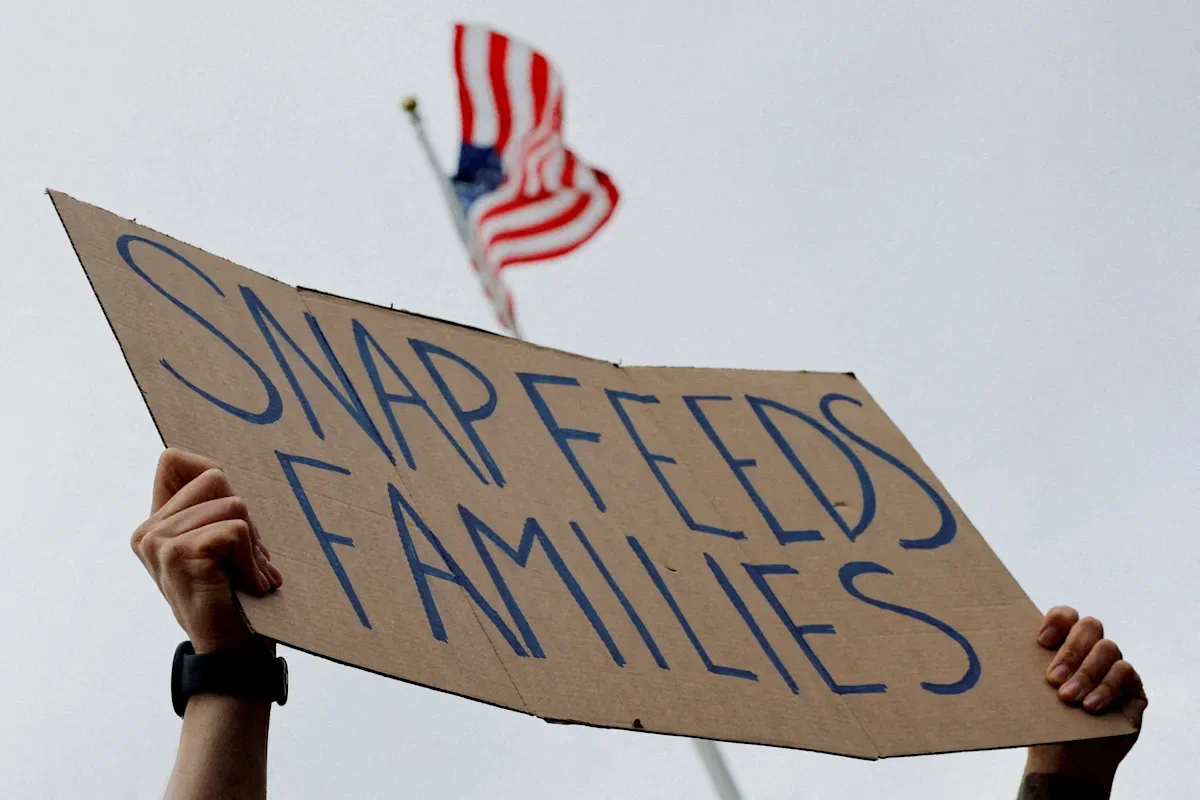
The US government shutdown is nearing an end as the Senate advances a bill to keep the government open until January 30, 2026, with ongoing debates over healthcare and federal funding. The shutdown has caused widespread disruptions including flight cancellations, delays, and cuts to food assistance programs like SNAP, impacting millions of Americans and federal workers. Legal rulings have mandated partial payments of SNAP benefits, and airline industries face significant operational challenges due to staffing shortages. Political negotiations continue amid economic concerns and public dissatisfaction.
U.S. stock futures rose as the Senate advanced a bill to end the government shutdown through January 31, with some Democrats and an independent voting with Republicans, but Democrats rejected extending ACA subsidies, citing political and healthcare concerns, which could influence upcoming elections.
The Senate narrowly approved a bill that significantly reduces the number of federal student loan repayment options, caps graduate loan amounts, and affects current SAVE plan borrowers, with potential implications for future borrowers if the House passes the legislation.
The House is in limbo as Republican holdouts negotiate with GOP leaders over a large domestic-policy bill, with procedural votes delayed amid concerns about spending, Medicaid cuts, and tax policies, aiming to pass the bill before July 4.
House Speaker Mike Johnson is working to pass a Senate-approved bill with significant Medicaid cuts and deficit increases, facing opposition from Republican moderates and the House Freedom Caucus, amid weather delays and political negotiations, with potential for future reconciliation packages.
House Speaker Mike Johnson is attempting to pass a Senate-approved megabill through the House amid internal Republican disagreements over Medicaid cuts, deficit increases, and clean energy provisions, with a tight deadline and weather-related delays complicating the process.
House Speaker Mike Johnson faces a significant challenge in passing a Senate-approved megabill through the House, amid opposition from Republicans concerned about increased deficits, Medicaid cuts, and energy provisions, with a potential delay due to weather and plans for additional reconciliation bills.
President Trump had a busy day, touring a migrant detention center called 'Alligator Alcatraz,' engaging in a feud with Elon Musk, celebrating the passage of a major tax and spending bill, and making various threats and comments on political and media figures, while also showing support for Florida Governor DeSantis and announcing a ceasefire between Israel and Hamas.
President Trump expressed uncertainty about how to secure Senator Murkowski's vote on a major Senate bill, amid ongoing negotiations and multiple GOP holdouts threatening its passage. The bill's future remains uncertain as Senate votes continue, with hopes for final passage expressed by Trump.
Republican senators are proposing amendments to modify or remove contentious parts of a Senate bill related to clean energy tax credits, aiming to support wind and solar projects, but facing opposition from business groups and labor unions who warn it could increase energy prices, cause job losses, and hinder renewable energy development.
The Senate's version of President Trump's tax cut bill would disproportionately benefit the wealthy, giving the top 20% an average $6,055 tax boost while costing the bottom 20% about $560 annually, with additional cuts to social programs potentially worsening inequality.
The Senate is considering ending federal EV tax credits as early as September 30, 2023, earlier than the House's proposed end date, sparking debate among advocates, industry stakeholders, and political groups about the impact on the EV market and renewable energy policies.
The Senate's 'big, beautiful bill' aims to boost corporate tax benefits and high-income households while cutting Medicaid and health insurance for millions, impacting various sectors including healthcare and clean energy, with winners being corporations, wealthier households, and fossil fuel companies, and losers being low-income individuals, healthcare workers, and clean energy sectors.