Efforts to extend Obamacare subsidies face hurdles in Congress, with House moderates and Senate bipartisan groups working on separate proposals amid looming December 31 deadline, while other legislative issues like offshore wind and energy project permitting are also progressing.
The U.S. House voted to pass bills allowing 14-year-olds to be tried as adults and restricting judicial discretion in D.C., reflecting Republican efforts to overhaul the city's criminal justice system amid ongoing federal interference and opposition from local officials and Democrats.
The U.S. House passed bills to overhaul juvenile justice laws in D.C., including lowering the age of youth offenders and mandating longer sentences, amid ongoing debates over congressional authority over the district's self-governance, with mixed political support and uncertain prospects in the Senate.
The House passed legislation to impose stricter criminal penalties for young offenders in D.C., including lowering the age for charging minors as adults from 16 to 14, as part of a broader effort by Republicans and President Trump to increase federal control over the city amid ongoing law enforcement presence.
Tensions over the release of Jeffrey Epstein documents are complicating House Republicans' efforts to pass a bill to rescind $9 billion in government spending, amid broader political debates and Democratic efforts for transparency.
The House is in limbo as Republican holdouts negotiate with GOP leaders over a large domestic-policy bill, with procedural votes delayed amid concerns about spending, Medicaid cuts, and tax policies, aiming to pass the bill before July 4.
Senate Republicans are considering modifications to President Trump's tax policy priorities, including debates over making certain tax incentives permanent and trimming others like tips and overtime tax exemptions, which are supported by Trump and the White House, amidst ongoing legislative negotiations and procedural adjustments in Congress.
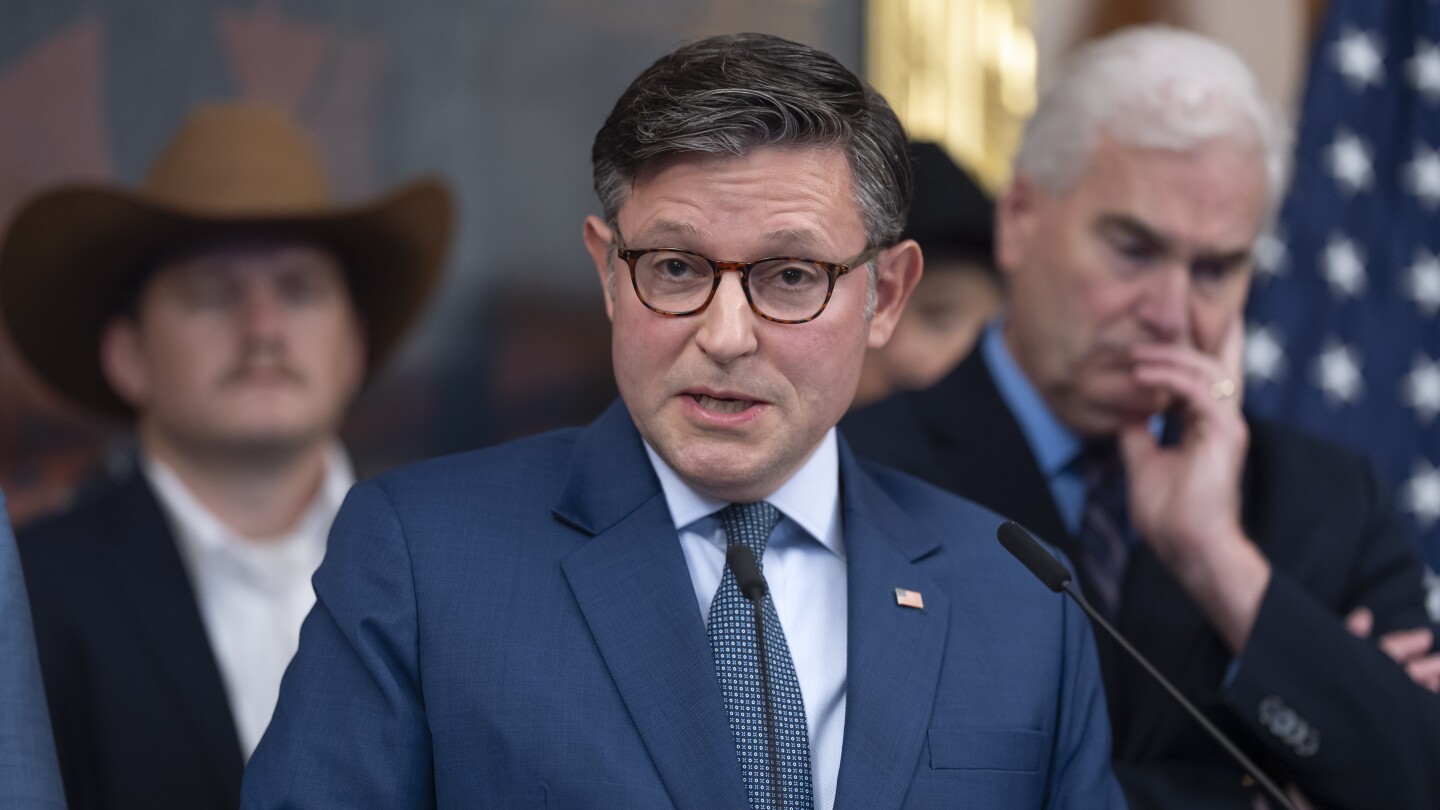
Speaker Mike Johnson criticized Elon Musk for opposing the GOP megabill, which Musk called a 'disgusting abomination,' but Johnson defended the bill after a discussion with Musk. The bill remains a contentious issue among Republicans and Democrats, with ongoing negotiations in Congress about its provisions, including tax and spending components, amid internal disagreements and external opinions from influential figures like Musk.
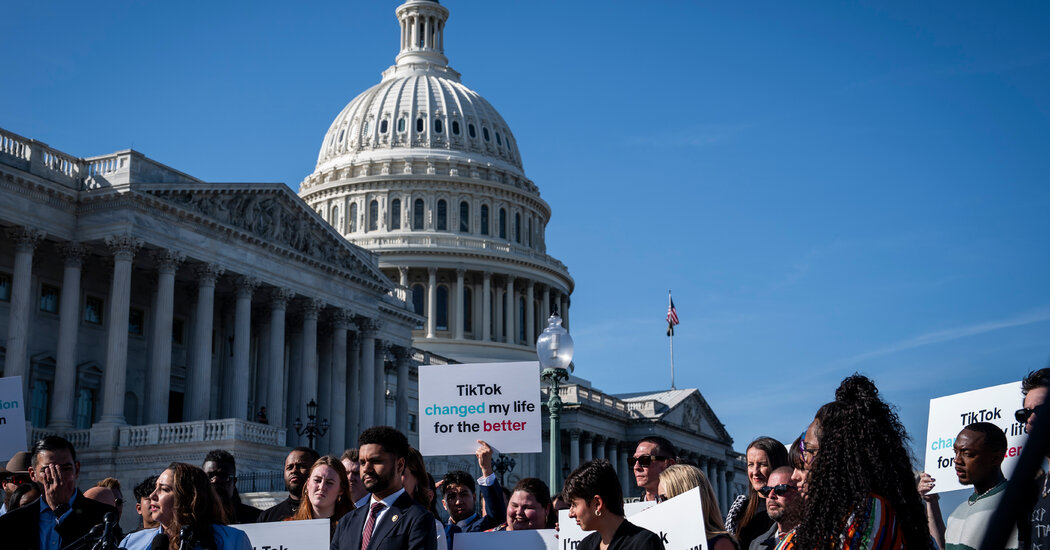
The House has bundled a new measure to force the sale of TikTok with foreign aid for Ukraine, Israel, and Taiwan, in an effort to push the Senate to pass the legislation. The modified bill would still require TikTok's Chinese owner, ByteDance, to sell the app due to national security concerns, with an extended deadline of up to nine months. Lawmakers are expected to vote on the package, including the TikTok ban, and if passed, it will be sent to the Senate for consideration. President Biden has expressed willingness to sign TikTok legislation into law if it reaches his desk, marking the most aggressive move yet to address national security concerns related to the popular social media app.
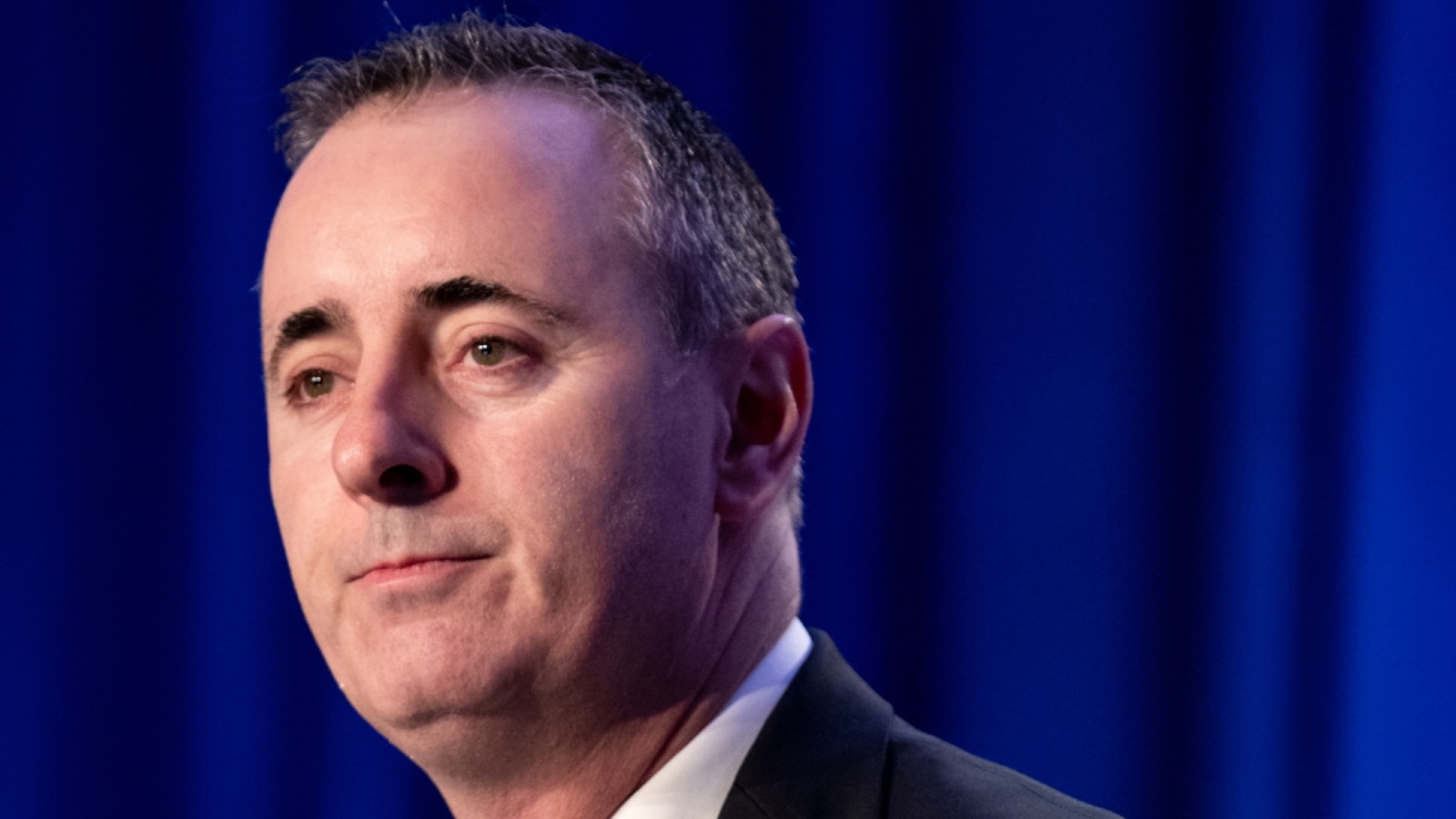
A bipartisan group of House lawmakers has introduced a $66.3 billion proposal, titled the "Defending Borders, Defending Democracies Act," which aims to provide defense-only aid for Ukraine, Israel, and Taiwan, as well as funds for the U.S. southern border. The legislation also includes measures to address the surge of migrants at the border. While it's not clear if GOP leadership will consider the proposal, Republican Rep. Brian Fitzpatrick emphasized the importance of securing borders and assisting allies. The proposal may face challenges in gaining support, but Republican Sen. Lindsey Graham expressed potential support for the new bipartisan plan.