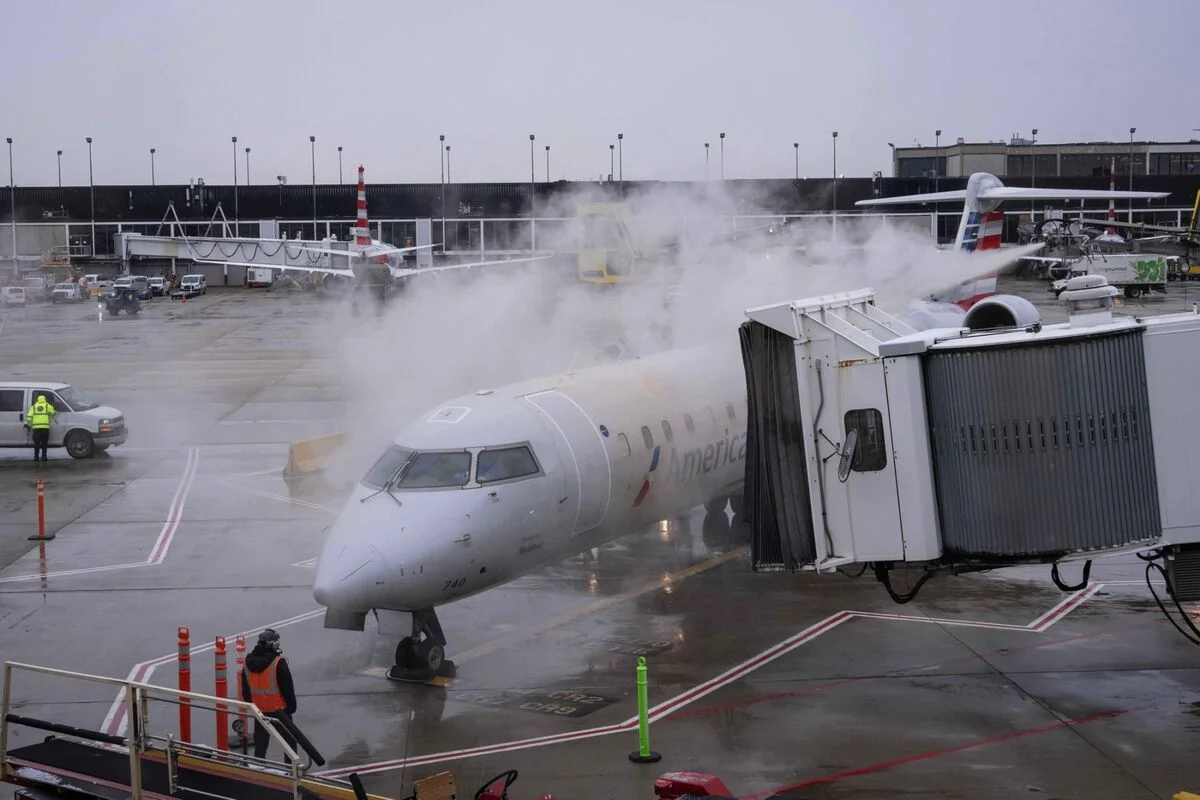
Air travel in the Caribbean is gradually recovering after FAA restrictions caused by a U.S. military operation in Venezuela, but significant delays, cancellations, and logistical challenges remain, affecting travelers, airlines, and cruise operations in the region.
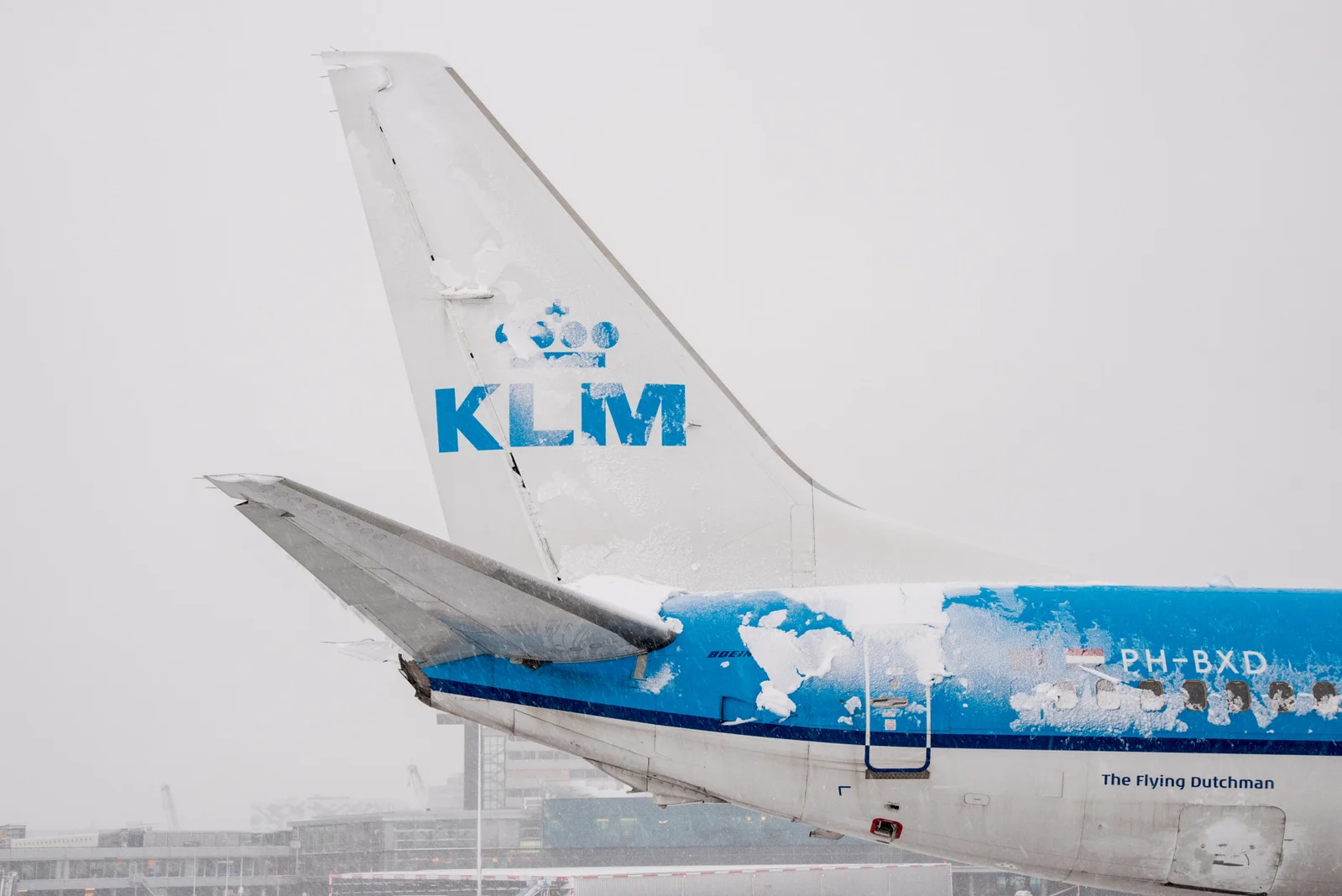
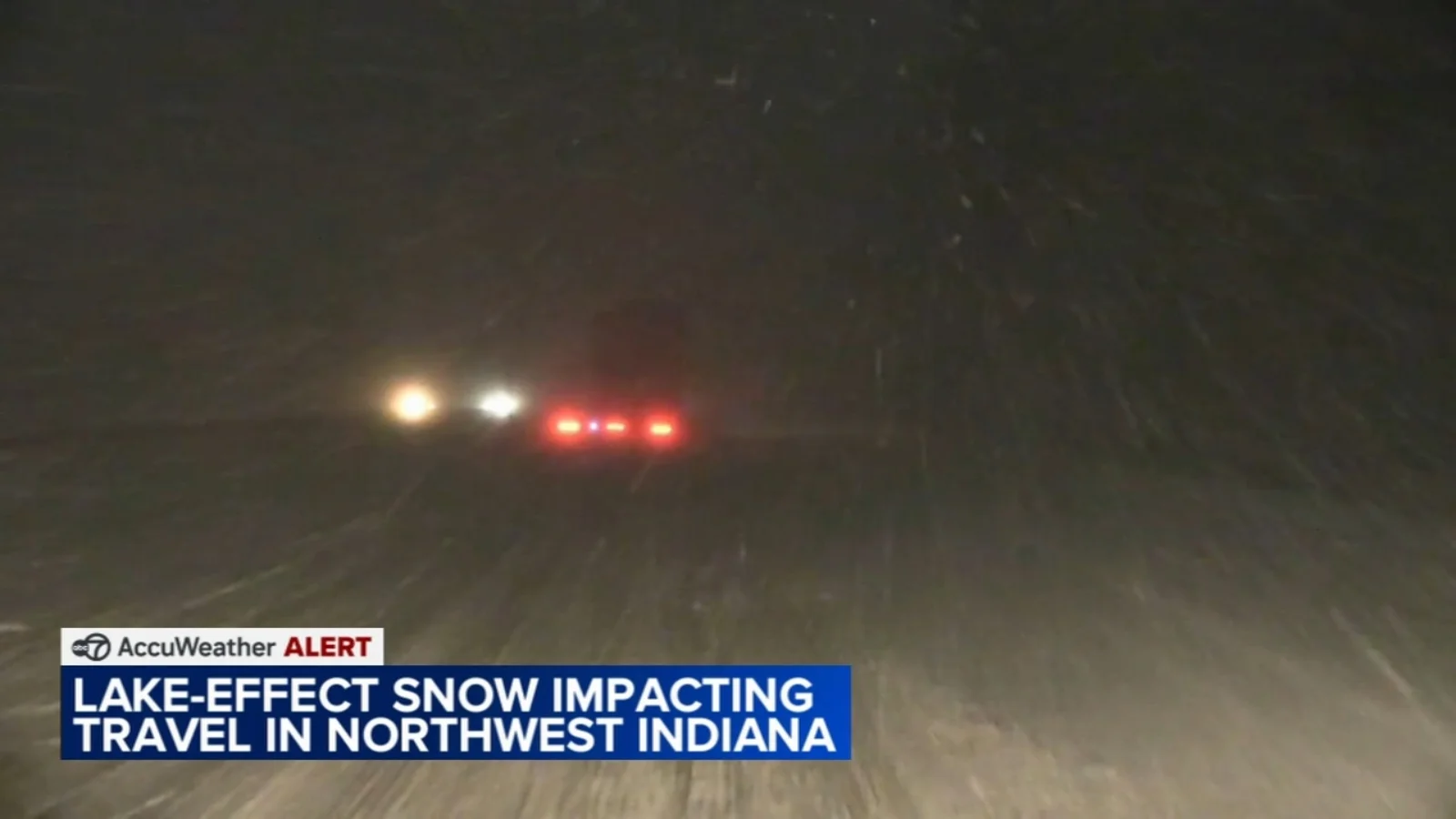
Persistent winter weather at Schiphol Airport is causing significant disruptions, leading to the cancellation of 295 KLM flights on January 4 and ongoing delays and cancellations at other European airports, with conditions expected to persist through the weekend.
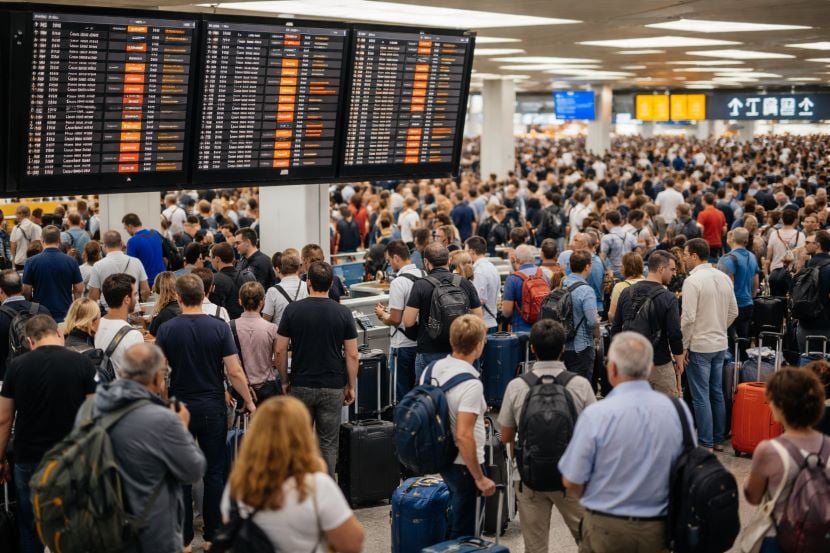
Europe is experiencing widespread flight delays and cancellations across major airports, affecting thousands of travelers and major airlines like KLM, easyJet, and Lufthansa, due to operational challenges that threaten the recovery of the tourism industry.
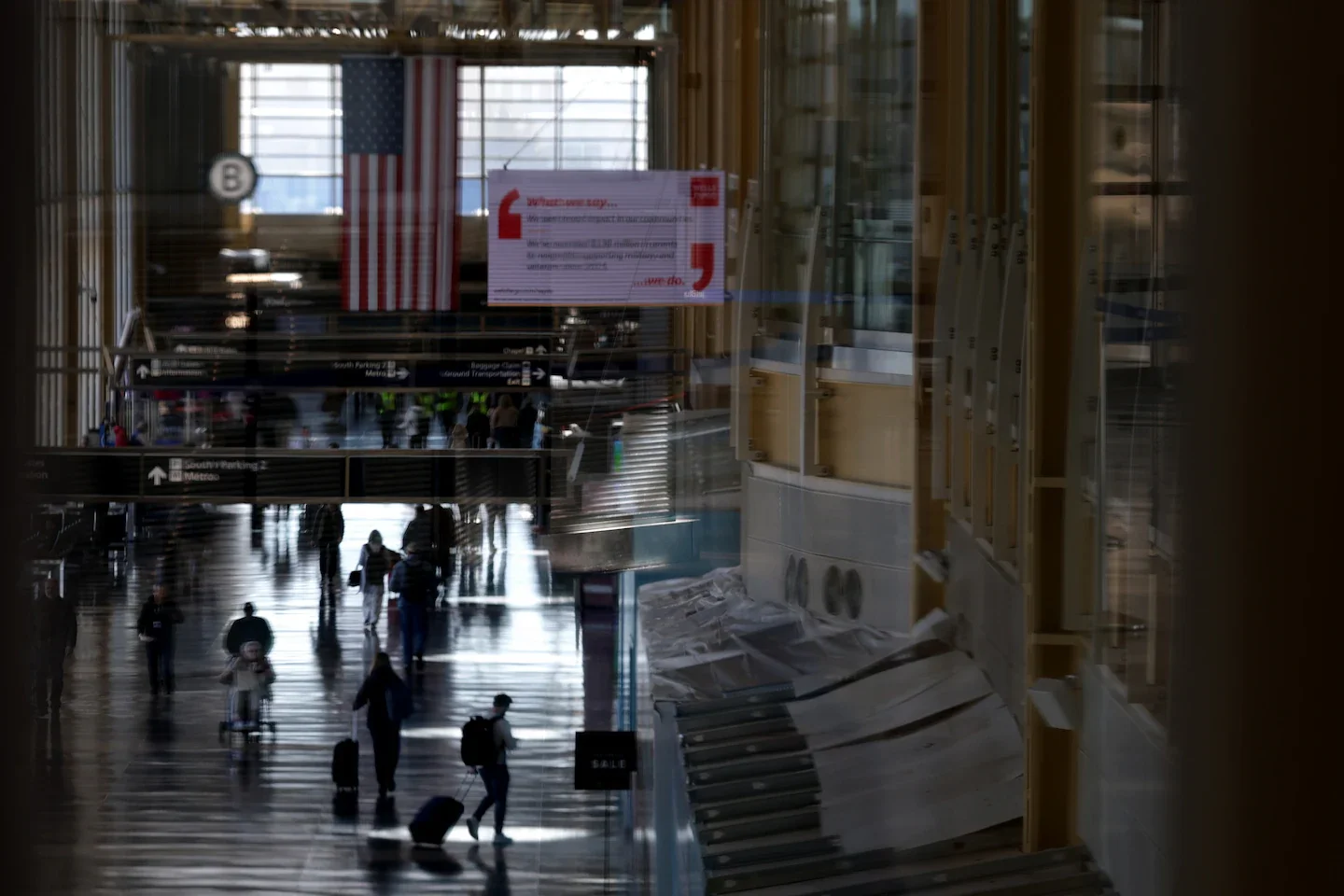
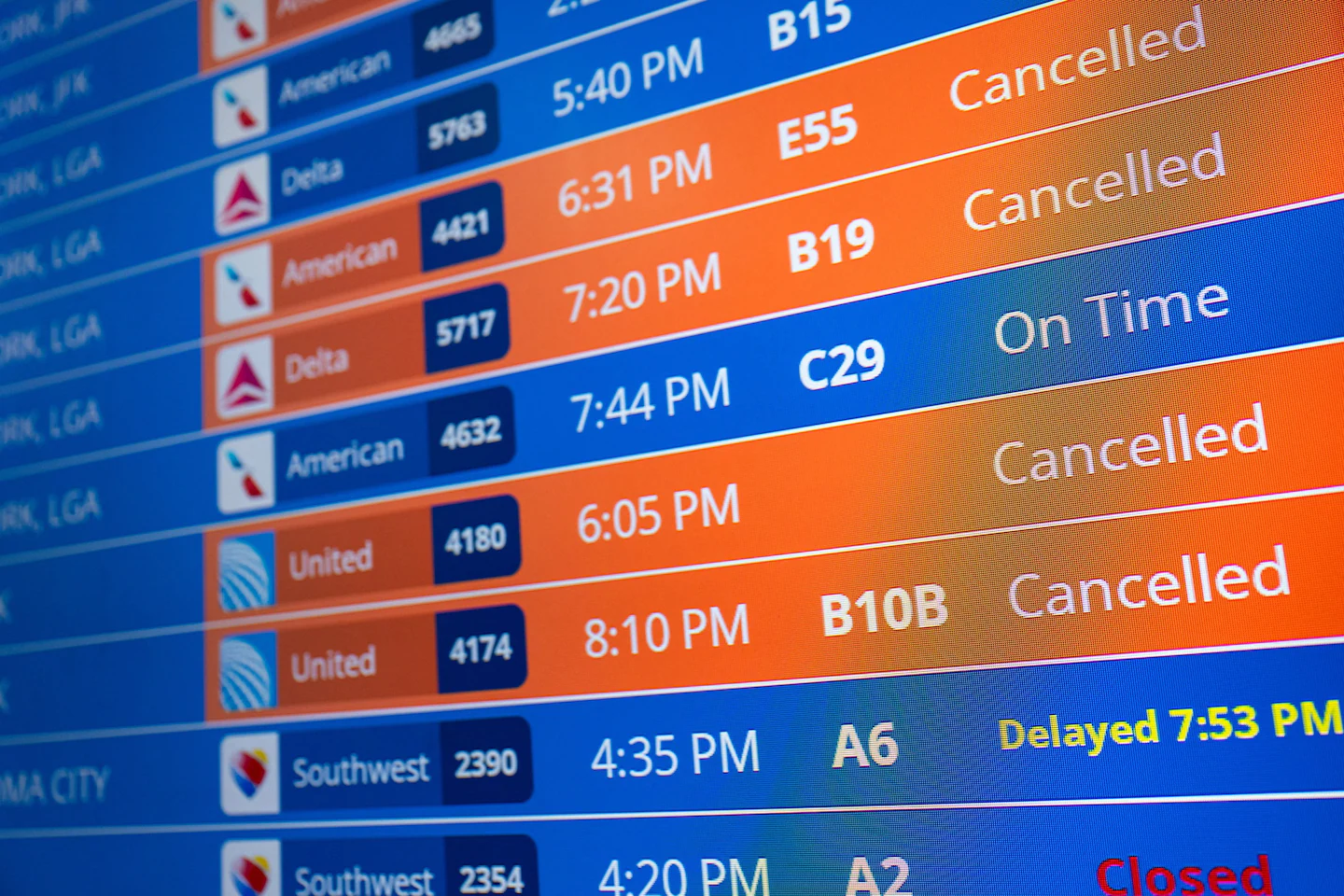
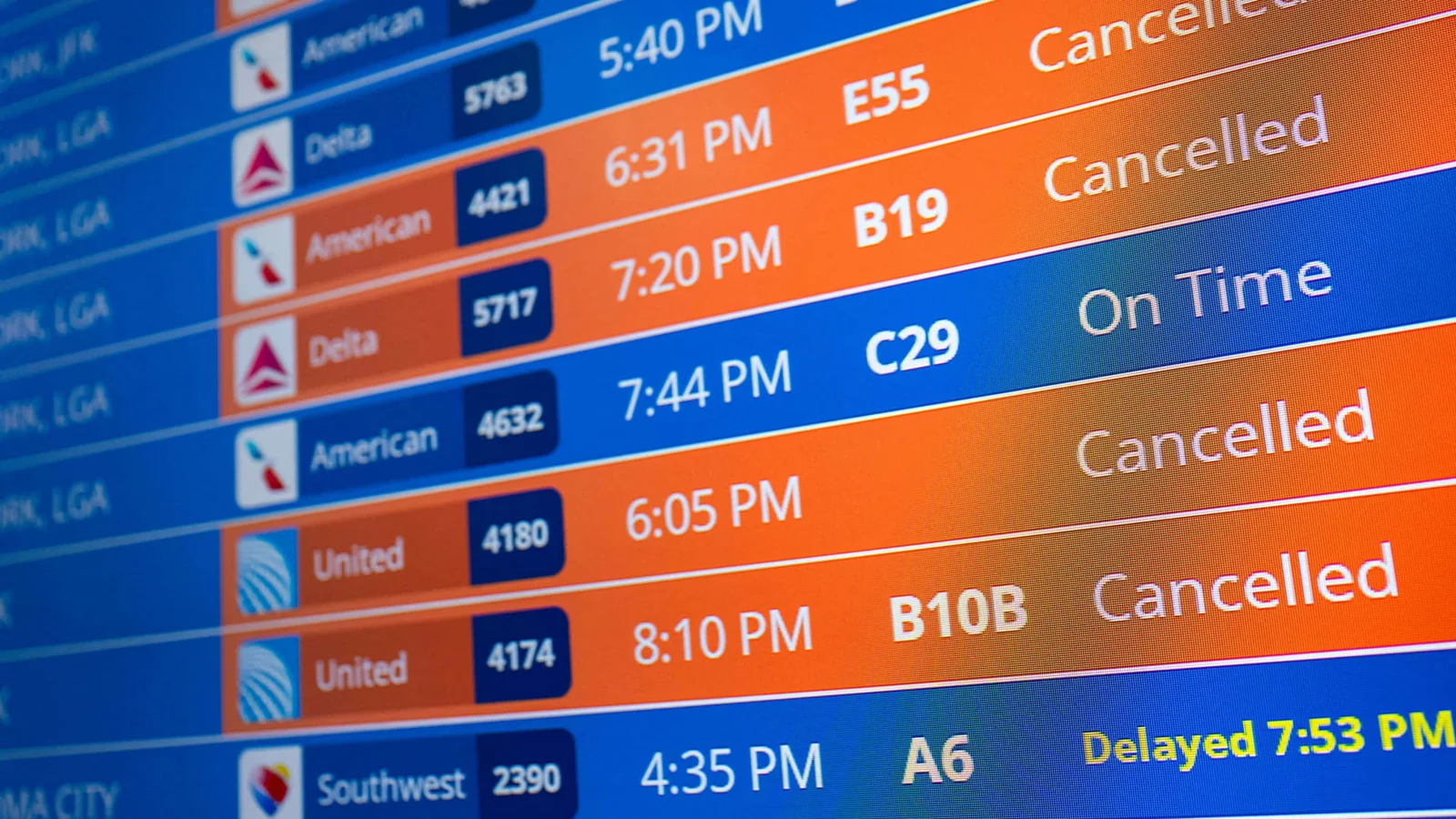
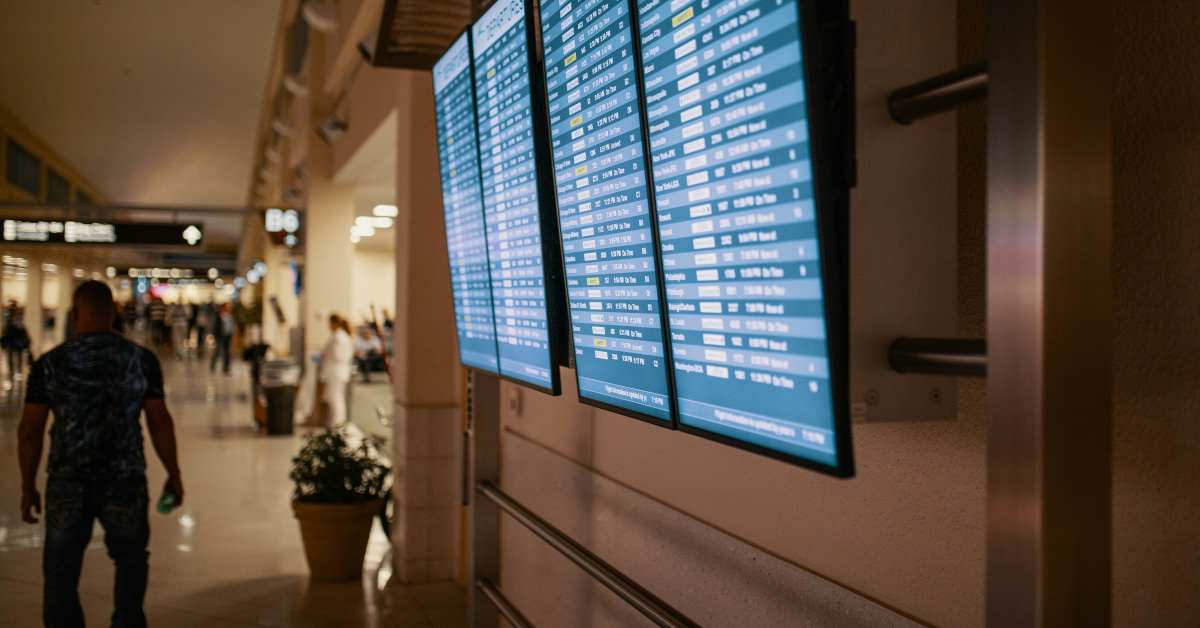
Flight cancellations in the U.S. have decreased but disruptions persist due to ongoing government shutdown and staffing issues, with airlines adjusting schedules and warning travelers to check flight statuses as efforts continue to restore normal operations.
Nearly 2,100 US flights were canceled due to government shutdown-related air traffic control staffing issues and FAA restrictions, causing widespread travel disruptions and safety concerns, with potential impacts on airline costs and margins.
The ongoing U.S. government shutdown has led to severe air travel disruptions, including increased cancellations and delays, worsened by shortages of air traffic controllers who are unpaid and under stress. President Trump threatened to dock controllers' pay if they do not return to work, amid calls for increased support and pay for airline staff. The shutdown has caused widespread inconvenience, affecting hundreds of thousands of travelers and prompting airlines to offer extra pay and waive fees, while private aviation is also impacted. The situation raises safety concerns and highlights the need for a resolution to the shutdown.
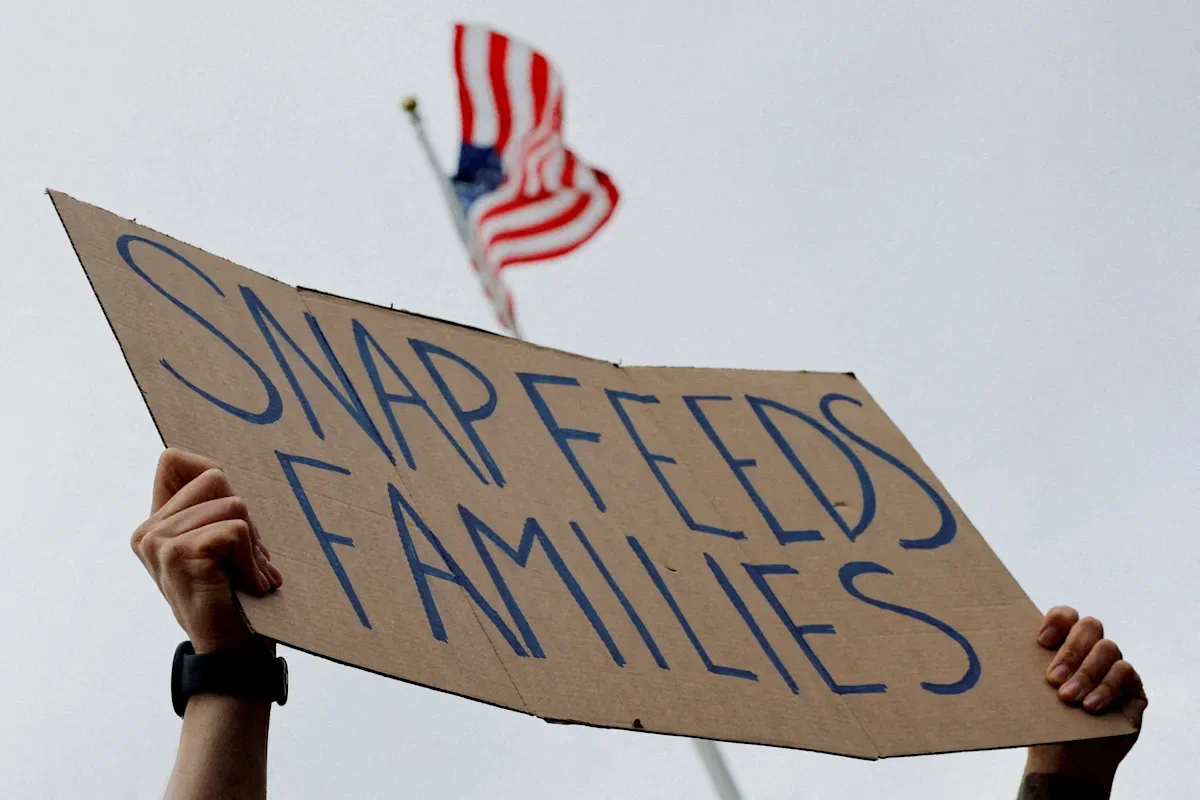
The US government shutdown is nearing an end as the Senate advances a bill to keep the government open until January 30, 2026, with ongoing debates over healthcare and federal funding. The shutdown has caused widespread disruptions including flight cancellations, delays, and cuts to food assistance programs like SNAP, impacting millions of Americans and federal workers. Legal rulings have mandated partial payments of SNAP benefits, and airline industries face significant operational challenges due to staffing shortages. Political negotiations continue amid economic concerns and public dissatisfaction.
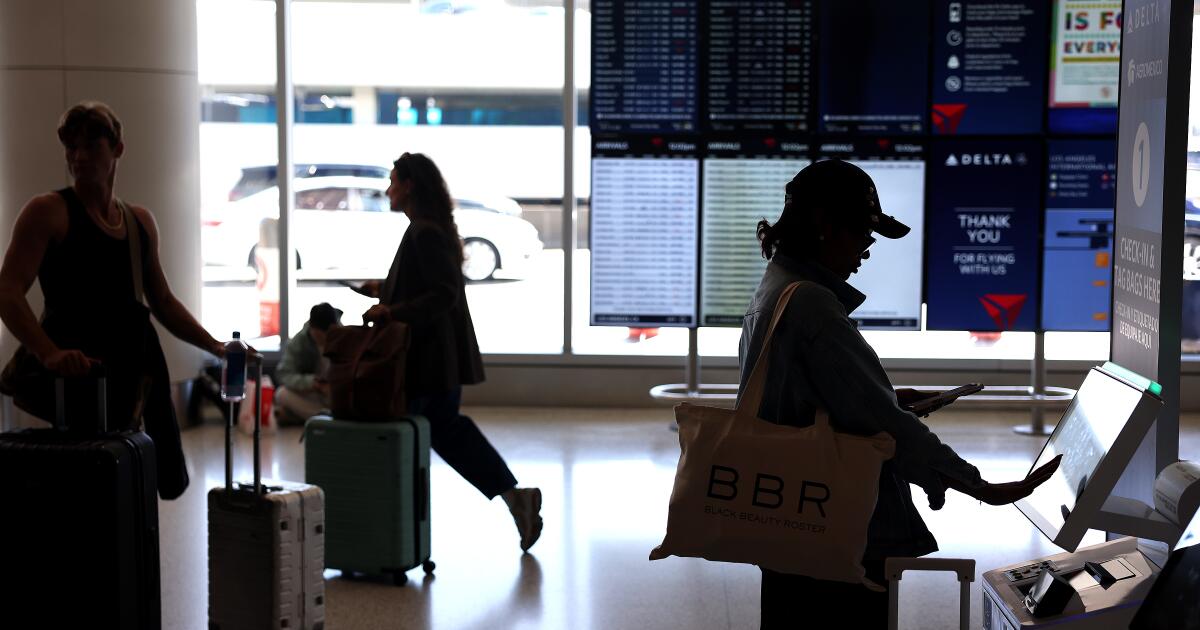
Since the start of the government shutdown, approximately 150 flights have been canceled at Southern California airports, with LAX experiencing the highest number of delays and cancellations, primarily due to staffing shortages caused by FAA staff working without pay. The situation is expected to worsen if the shutdown continues, prompting airlines to reduce operations and advising travelers to book nonstop morning flights and avoid smaller planes.
Over 70 flights were canceled at Minneapolis-St. Paul International Airport on November 9 due to FAA-mandated capacity reductions and ongoing government shutdown impacts, affecting multiple airlines and causing widespread travel disruptions.
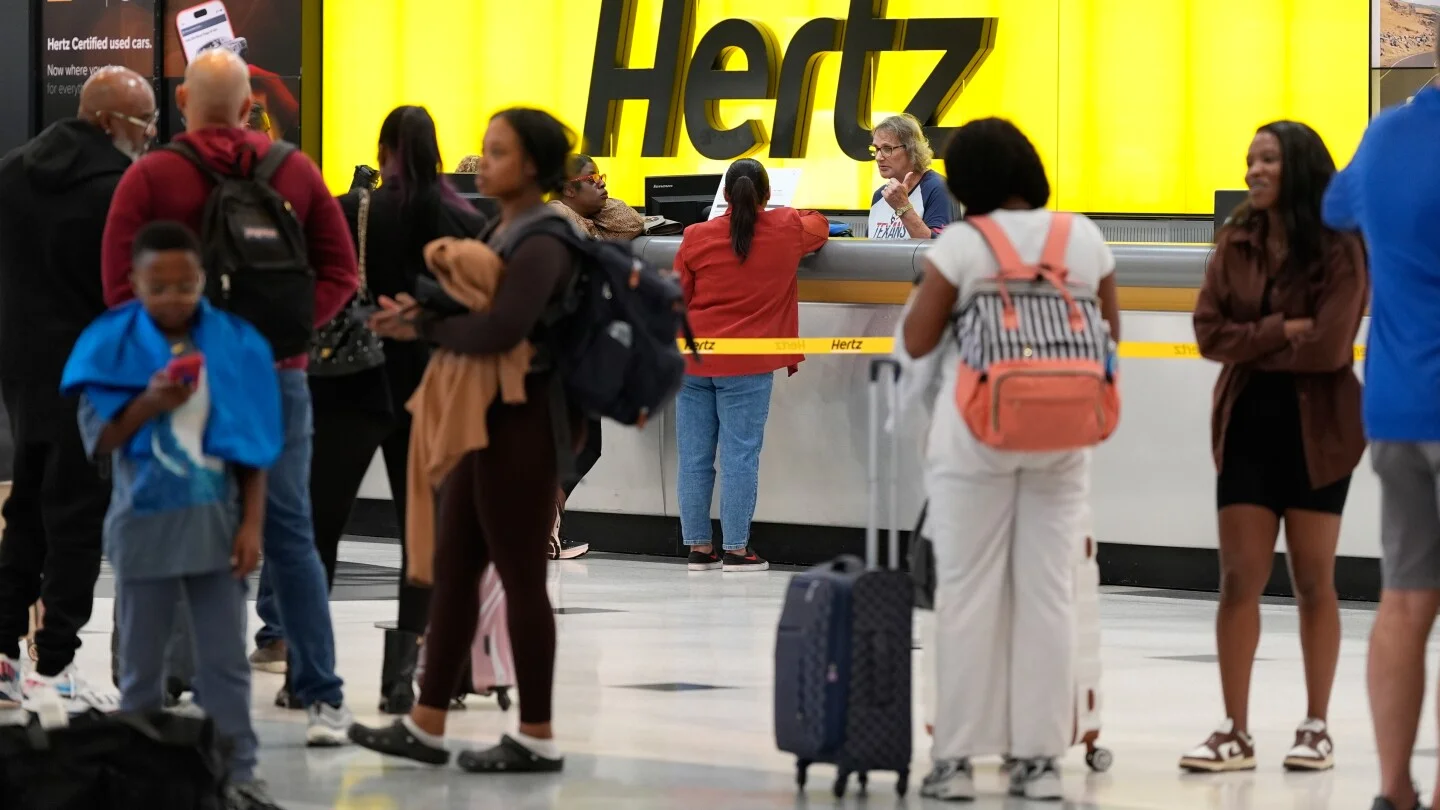
The US government shutdown has caused significant disruptions in air travel, leading to increased demand for car rentals, trains, and buses as travelers seek alternative transportation options, especially with the upcoming Thanksgiving holiday.
The US government shutdown continues as Senate Republicans reject Democrats' offer for a one-year extension of health care subsidies, leading to disruptions in air travel and delays in food aid, with ongoing political stalemate and negotiations.
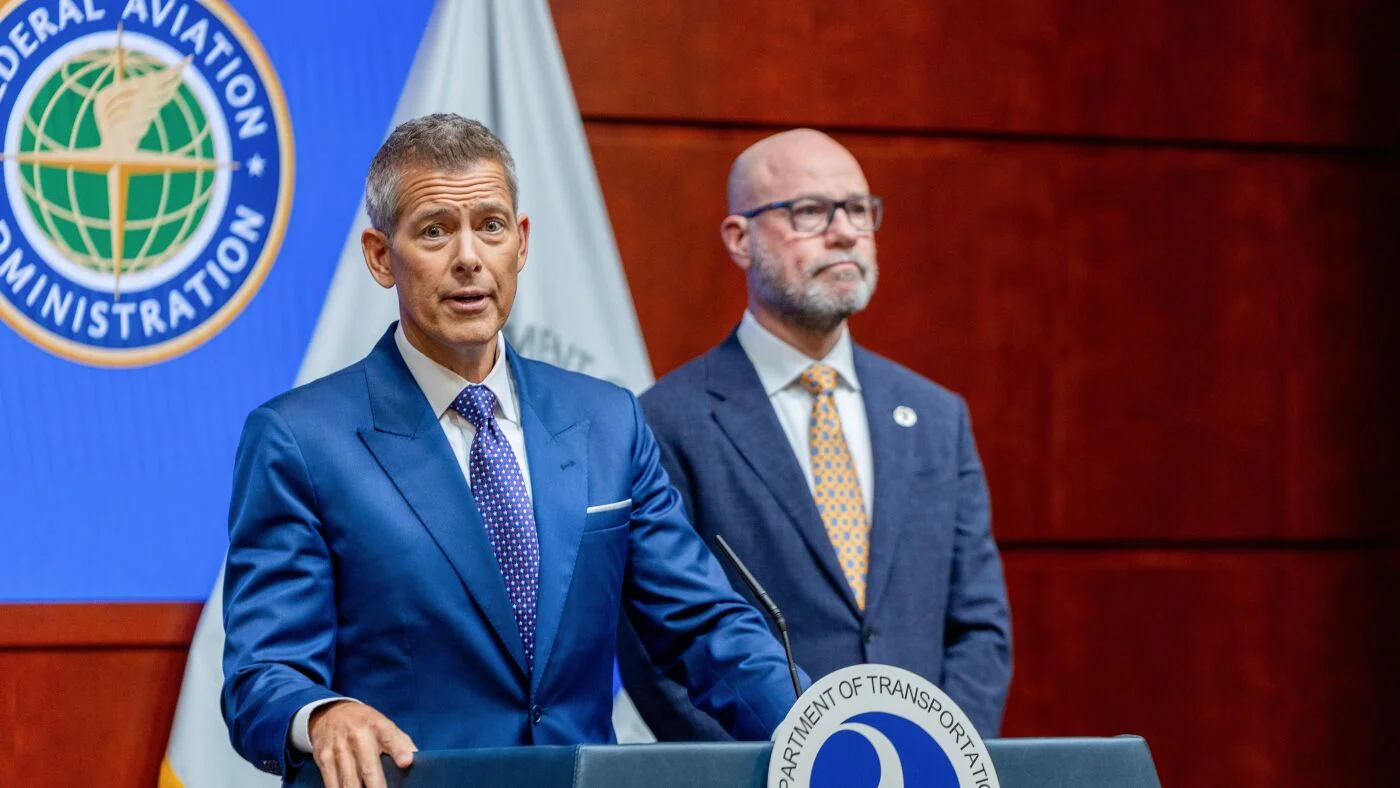
The FAA will announce a 10% reduction in flights in 40 high-volume U.S. markets due to staffing shortages caused by the government shutdown, potentially leading to up to 1,800 canceled flights and significant travel disruptions, as air traffic controllers work unpaid and staffing issues worsen.
The FAA will cut air traffic by 10% at 40 busy airports to ensure safety amid staffing shortages caused by the ongoing government shutdown, which has led to delays and potential disruptions in flights across the U.S.
Hong Kong was severely affected by Typhoon Wipha, which caused injuries, tree falls, and widespread travel disruptions, including thousands of stranded travelers and numerous flight cancellations, before the weather warning was downgraded and normalcy began to return.