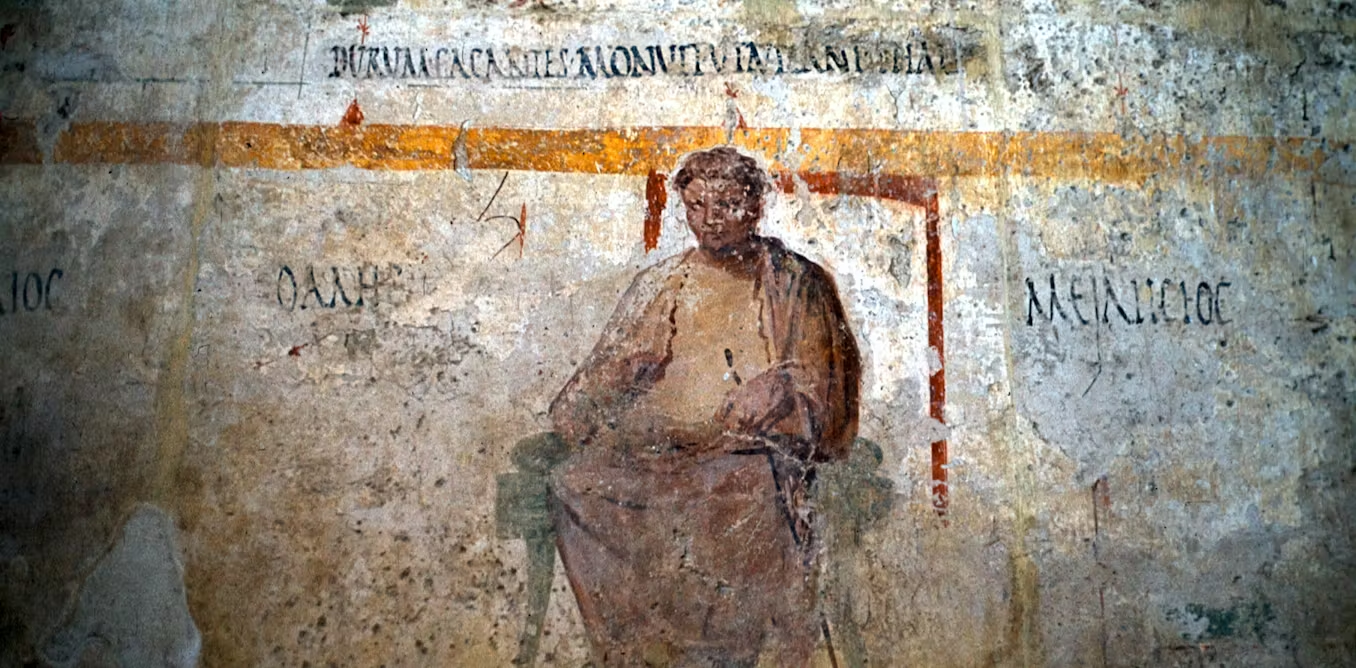
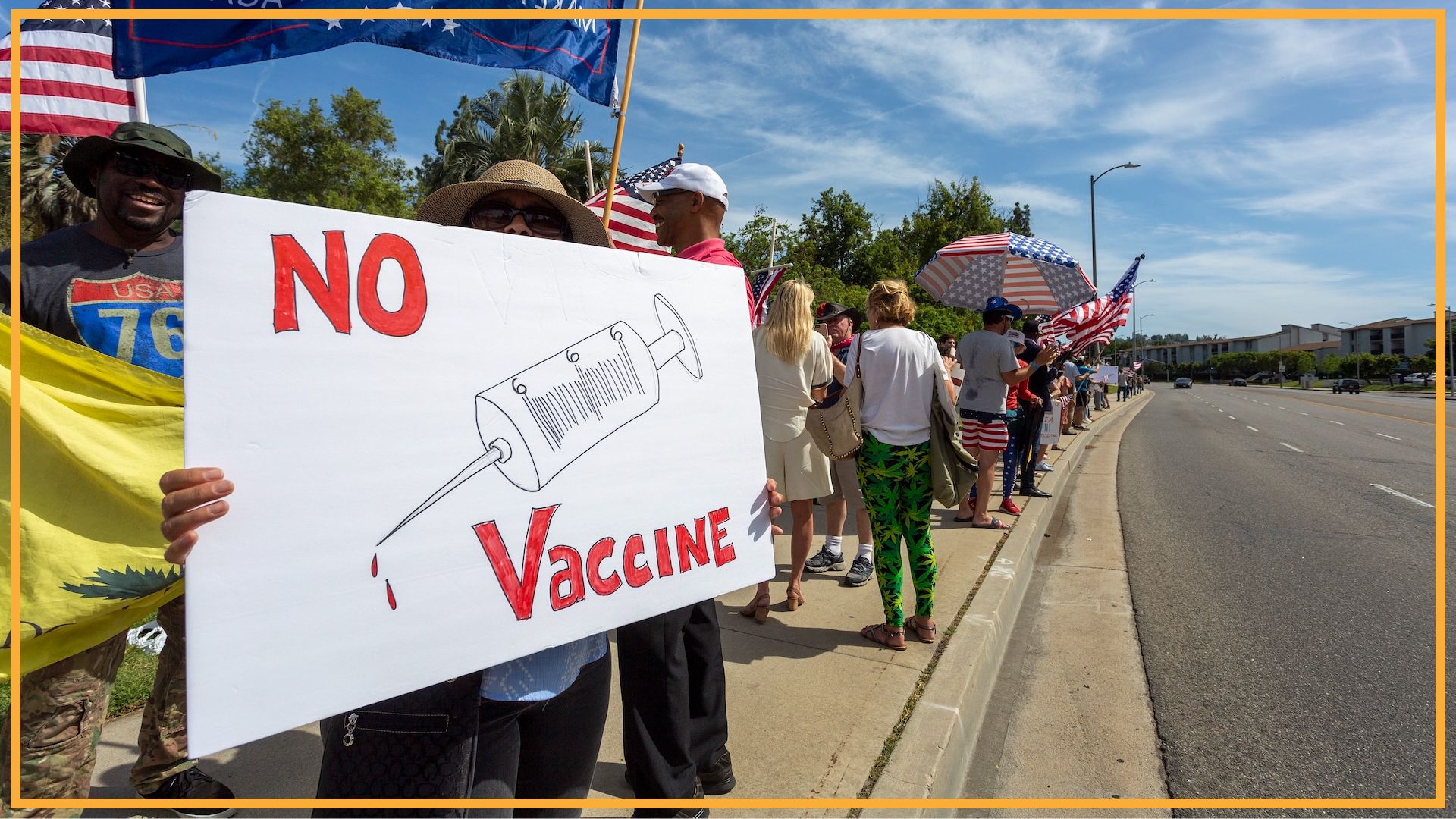
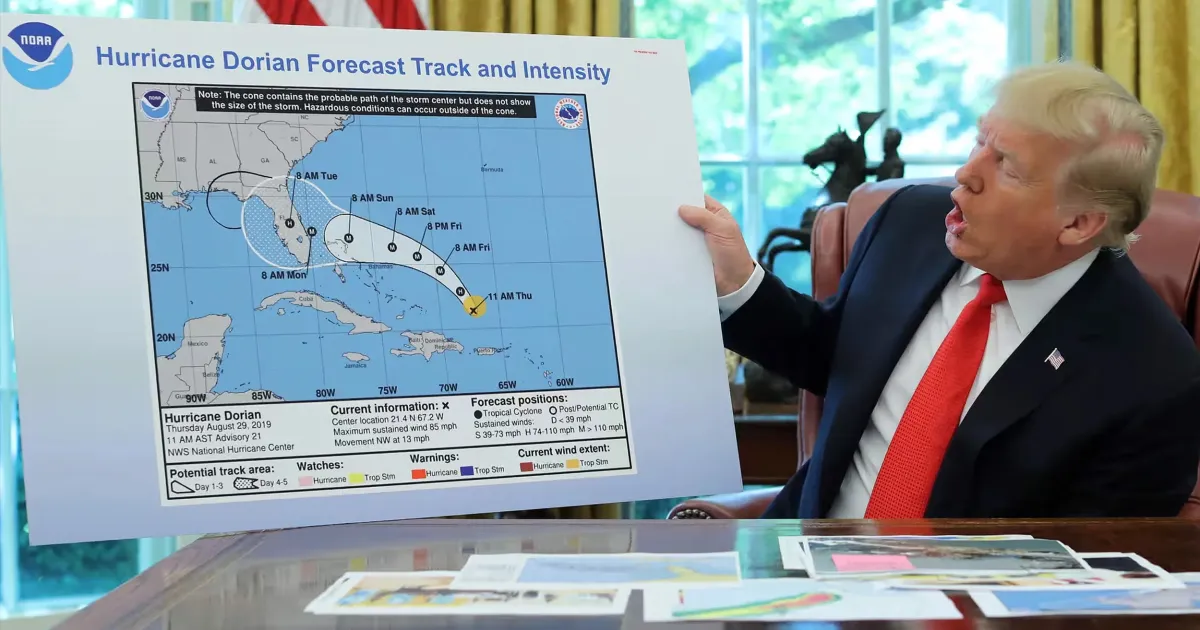
Ancient Greek and Roman scientists faced similar challenges with misinformation as today, emphasizing the importance of observation, critical thinking, acknowledging limits, understanding science as part of culture, and making science accessible to all, lessons that remain relevant in navigating modern misinformation.
Research led by Dr. Gideon Lack overturned the long-held belief that avoiding peanuts in infancy prevents allergies, showing that early exposure actually reduces the risk of developing peanut allergies, leading to updated guidelines and a decline in allergy rates among children.
The article explains that the phrase 'science is never settled' is often used to dismiss scientific consensus, but in reality, many scientific theories, like evolution and germ theory, are well-established within their domains. It emphasizes that scientific knowledge evolves through evidence and testing, and while uncertainty is inherent, some conclusions are robust enough to be considered settled, contrary to populist claims that seek to undermine scientific truths.
The article discusses the importance of critical thinking, scientific skepticism, and humility in understanding the world, highlighting Carl Sagan's work and the challenges of overcoming cognitive biases and magical thinking in human nature.
Annaka Harris explores the nature of consciousness, arguing it may be fundamental rather than emergent from neural complexity, and discusses how new scientific approaches and experiences could revolutionize our understanding of the mind and perception.
The article clarifies that the often-misattributed quote 'If the facts don’t fit the theory, change the facts' is not from Einstein, who actually emphasized the importance of adhering to facts and evidence. It discusses how modern society, including scientific institutions, sometimes misrepresents or dismisses facts to support preferred narratives, highlighting the importance of critical thinking, evidence-based reasoning, and the scientific method to discern truth from misinformation.
A visit to the Galileo Museum in Florence left the author in awe of the historical significance of Galileo's original experiments, which laid the foundation for modern science. The museum showcases artifacts like the inclined plane and telescopes used by Galileo, highlighting the painstaking efforts that led to groundbreaking discoveries in physics and astronomy. The experience underscored the long, complex journey of scientific progress and its impact on shaping a world free from superstition, while also reminding us of our responsibility to build on this legacy in addressing contemporary challenges like climate change.
At a London forum hosted by Google DeepMind and the Royal Society, scientists emphasized the potential of AI to transform scientific research, from drug discovery to disaster forecasting, as a means to build public trust in the technology. However, they cautioned against the rapid pace of AI development, which may conflict with the thoroughness of the scientific method. Concerns were raised about the reproducibility of AI-driven discoveries and the need to accurately attribute human agency in AI research. Efforts to use AI for practical solutions, like disease curing, were highlighted as ways to enhance trust.
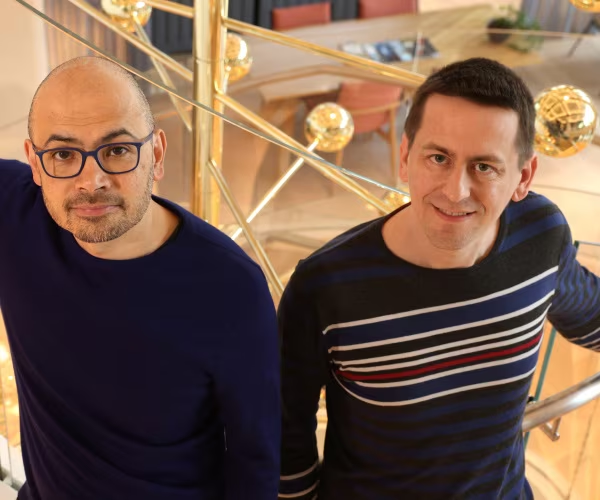
Scientists are advocating for increased trust in AI, highlighting its potential to drive innovation and solve critical issues like disease treatment and disaster prediction. DeepMind CEO Demis Hassabis emphasized AI's role in scientific advancement, citing its transformative power and the importance of the scientific method. Despite the rapid pace of AI development, experts urge caution to ensure responsible adoption.
Throughout history, humanity has used both top-down (a priori) and bottom-up (a posteriori) reasoning to gain knowledge about the world. However, science has shown that no amount of logical reasoning can substitute for empirical knowledge. Three examples illustrate how logic and reasoning alone are insufficient in science: the nature of light, the age of the Earth, and Einstein's cosmological constant. These cases demonstrate that the only way to gain meaningful knowledge of the Universe is by asking quantitative questions that can be answered through experiment and observation.
Machine ethicist Thomas Krendl Gilbert sparked a debate when he referred to today's AI as "alchemy" rather than science, with some agreeing and others disagreeing. Yann LeCun, Meta's chief AI scientist, disagreed with the characterization, arguing that deep learning belongs to engineering science. However, even Ilya Sutskever, co-founder and chief scientist of OpenAI, has referred to deep learning as "alchemy," describing it as a process of refining data into neural networks. Gilbert argues that deep learning is motivated more by metaphors than a clear understanding of intelligence, and that the field is now controlled by builders who have supercharged computational architectures, leading to empirical results that are unmoored from cognitive science. He suggests that the discussion should focus on reimagining intelligence and embracing the mystery rather than strictly framing it as a scientific problem.
The standard model of cosmology, our scientific origin story, is facing challenges and potential crises due to new data and theoretical considerations. Astrophysicist Fulvio Melia has listed several problems associated with the standard model, including the Hubble tension, black hole and galaxy formation, initial conditions and entropy, and issues with inflation and the cosmic microwave background. While the standard model has shown successes, some argue that it relies too heavily on adjustable parameters. The question of whether there is a crisis in cosmology depends on one's commitment to the current model. If the problems persist, astrophysicists may need to explore alternative theories. However, a crisis in science is not a disaster but an exciting opportunity to discover something new and dramatic.
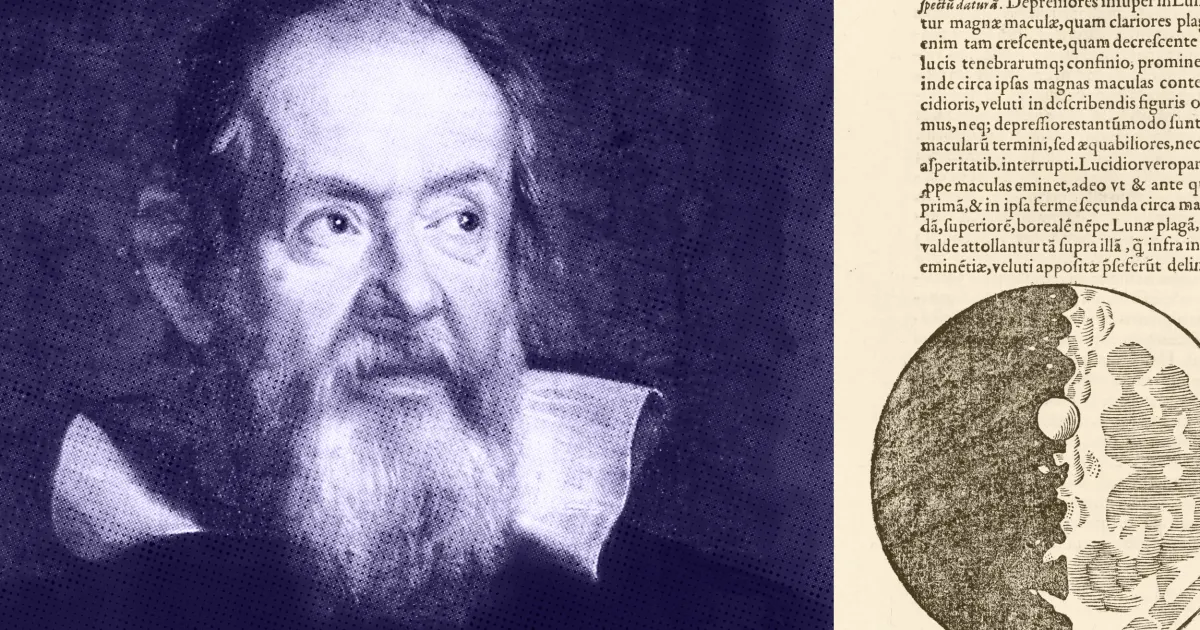
Despite decades of scientific research, the phenomenon of consciousness remains elusive and unexplained. The scientific method, developed by Galileo Galilei, may have inadvertently excluded the study of consciousness itself, making it difficult for scientists to bridge the gap between neural activity and subjective experience. Various theories, such as global workspace theory and integrated information theory, have been proposed, but none have provided a definitive explanation. Some researchers suggest reintroducing consciousness into our understanding of nature through panpsychism, while others explore concepts like the free-energy principle and predictive processing. The symmetry theory of valence offers a unique perspective on the positive/negative feeling of consciousness. The field of consciousness science is still pre-paradigmatic, with competing schools of thought and no consensus on whether a unified theory will ever emerge.
The American Physical Society has faced criticism for publishing an article in Physics Education Review that claimed the use of whiteboards was an example of "whiteness" in physics. The article generated a negative response from the physics community, prompting the APS to publish an editorial defending the article and threatening to revoke awards and disqualify candidates who violate the APS Code of Conduct. The APS and Physical Review have since rejected a Comment that critiqued the original article, claiming that scientific analysis cannot be used to critique non-scientific papers.