Tag

Galileo Galilei

All articles tagged with #galileo galilei

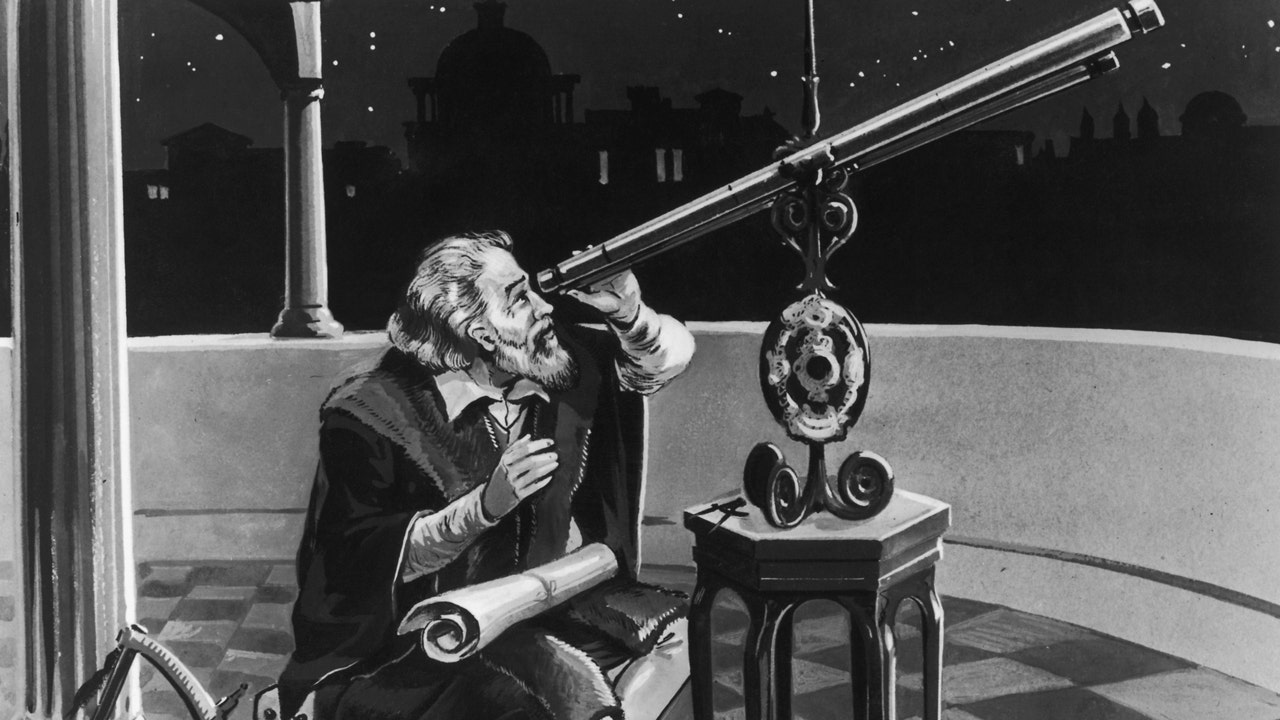
"Galileo Galilei: Shaping Our Understanding of the Stars"

Originally Published 1 year ago — by Fox News

Featured image for "Galileo Galilei: Shaping Our Understanding of the Stars"
Source: Fox News

Galileo Galilei, an Italian philosopher, made groundbreaking contributions to astronomy during the Renaissance era, including the discovery of Jupiter's moons and sunspots. His advocacy for the Copernican theory and belief in heliocentrism led to a confrontation with the Catholic Church, resulting in his house arrest. Despite persecution, Galileo's legacy as a pioneer in physics, mathematics, and astronomy endures, shaping our understanding of the universe for centuries to come.
Reviving Galileo's Leaning Tower of Pisa experiment for modern physics

Originally Published 2 years ago — by Yahoo News

Featured image for Reviving Galileo's Leaning Tower of Pisa experiment for modern physics
Source: Yahoo News

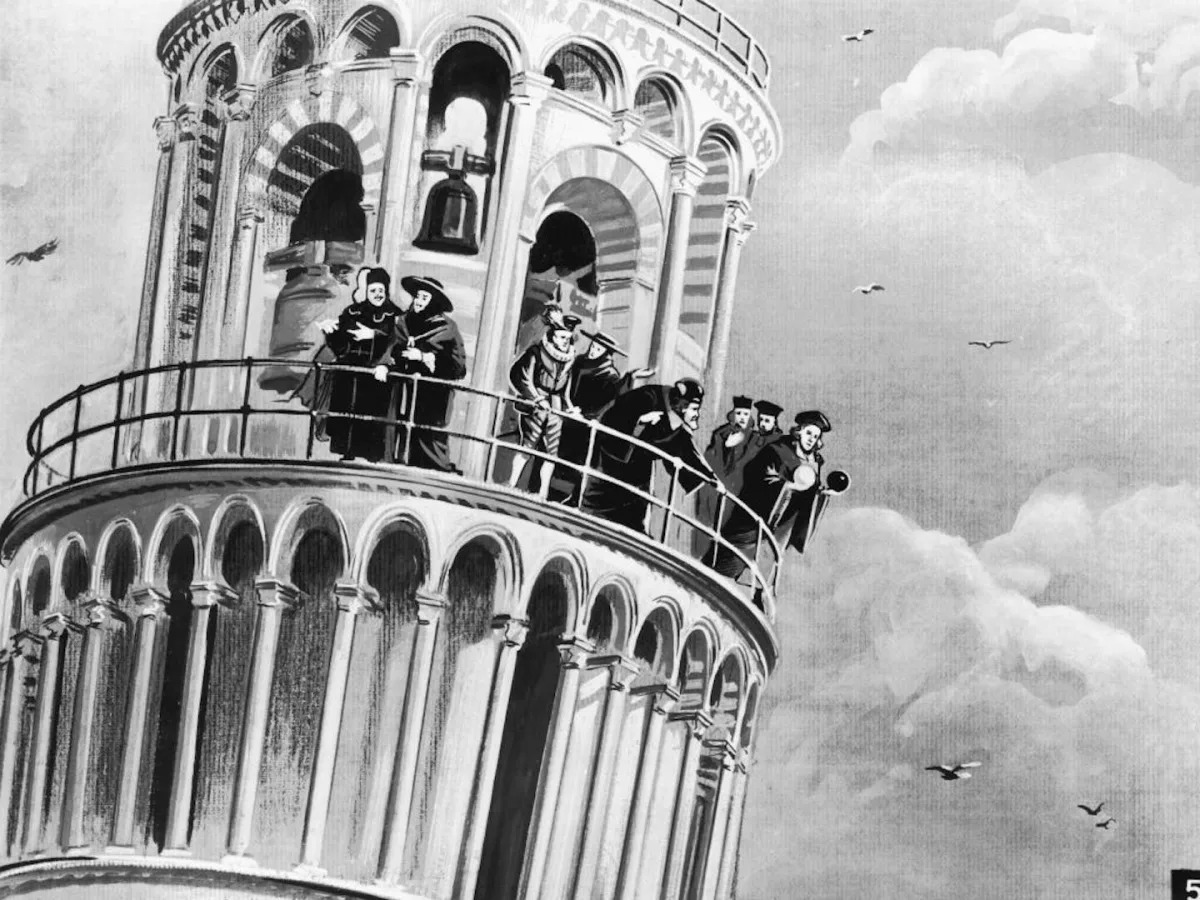
Galileo Galilei's Leaning Tower of Pisa experiment demonstrated that objects of different masses fall with the same acceleration due to the Earth's action force. However, when sliding on a smooth table, the accelerations of objects with different masses differ due to the interaction forces. In modern mechanics, the concept of force has evolved to view it as an action force field that radiates outward from its source, rather than an interaction force between objects. This shift in understanding has led to a deeper comprehension of the dynamics of objects and the nature of force fields.

Reviving Galileo's Leaning Tower of Pisa experiment for modern physics

Originally Published 2 years ago — by The Conversation

Featured image for Reviving Galileo's Leaning Tower of Pisa experiment for modern physics
Source: The Conversation

Galileo Galilei's Leaning Tower of Pisa experiment, a classic thought experiment in dynamics, demonstrated that objects of different masses fall with the same acceleration due to the Earth's action force. However, when sliding on a smooth table, objects of different masses have different accelerations due to the fundamental forces being different. In modern mechanics, the concept of force has evolved to view it as an action force field that radiates outward from its source, with the magnitude depending only on the mass of the object itself. This reinterprets Galileo's experiment and other interactions, providing a deeper understanding of the nature of reality.

The Vanishing of Saturn's Rings: A Spectacular Event in 2025

Originally Published 2 years ago — by Earth.com

Featured image for The Vanishing of Saturn's Rings: A Spectacular Event in 2025
Source: Earth.com

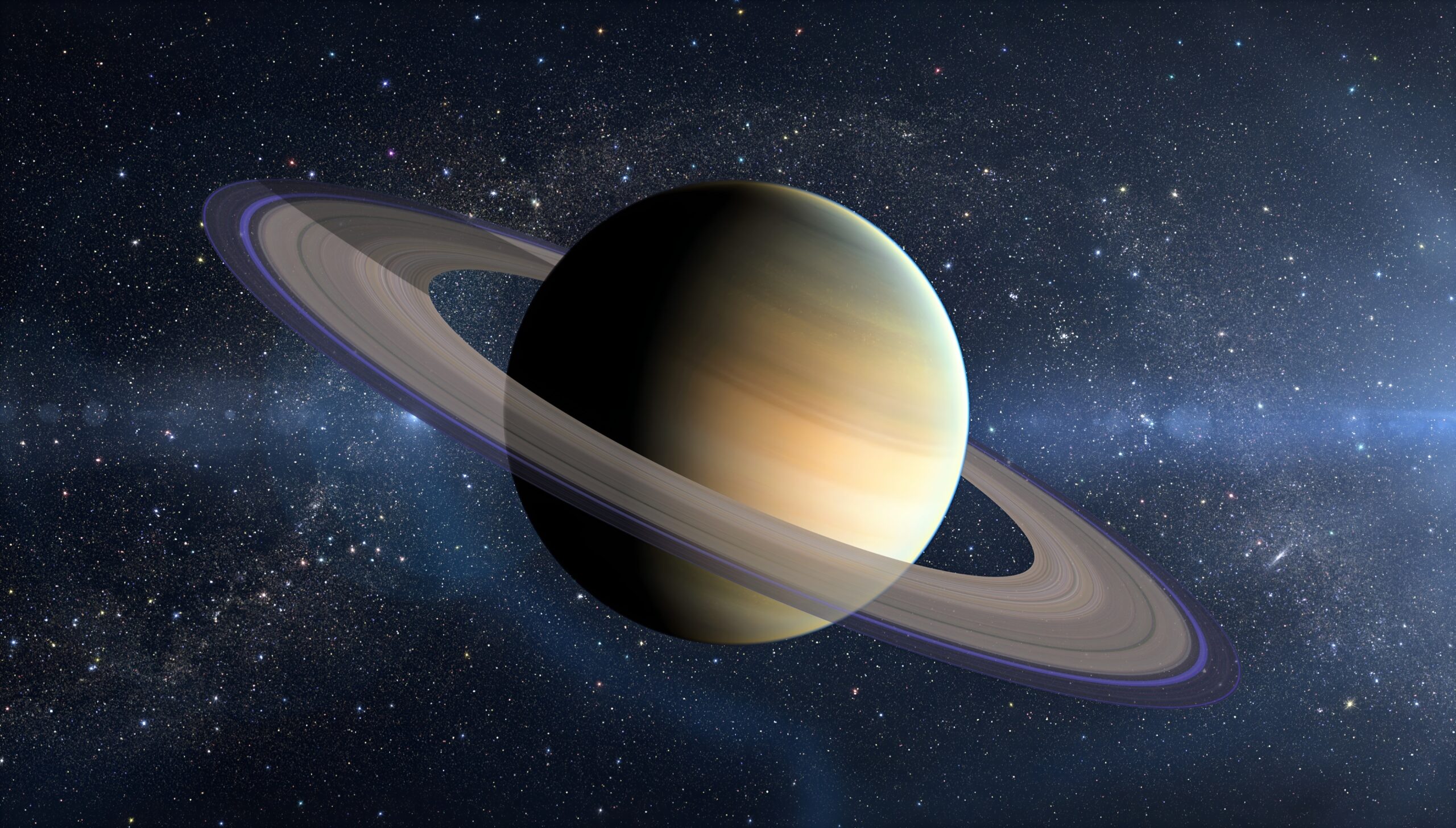
Saturn's magnificent rings, first observed by Galileo Galilei in 1610, are set to vanish from view in 2025 as they steadily disintegrate into icy particles. Composed of seven distinct rings, these cosmic features are believed to be formed from the remnants of comets, asteroids, and moons that were torn apart by Saturn's gravitational pull. However, the rings will reappear in 2032 as Saturn tilts, providing an enhanced view of its moons. Scientists continue to study the rings to better understand their origin and the processes that shape our solar system.

"Score Exclusive LEGO Galileo Galilei Sets and Christmas GWPs Today!"

Originally Published 2 years ago — by Brick Fanatics

Featured image for "Score Exclusive LEGO Galileo Galilei Sets and Christmas GWPs Today!"
Source: Brick Fanatics

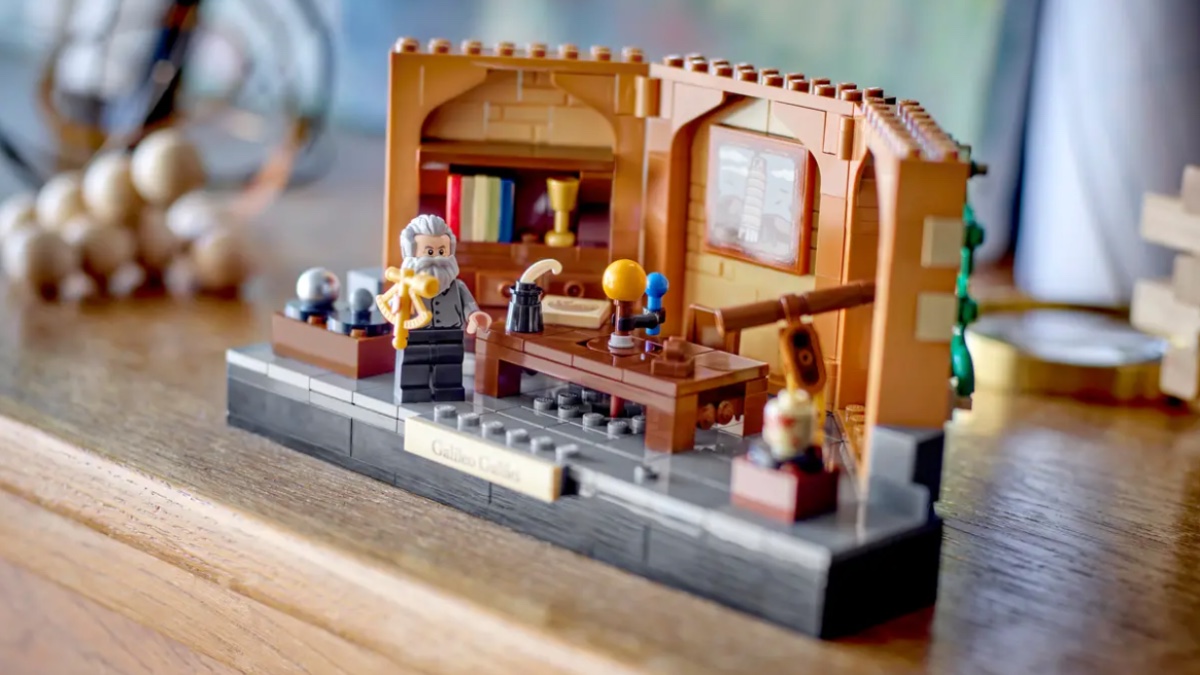
LEGO is offering two new gifts-with-purchase starting tomorrow. Customers in Australia will receive the 40595 Tribute to Galileo Galilei with all LEGO purchases over $215, while LEGO Insiders spending over $80 will receive the 40609 Christmas Fun Add-On Pack. The add-on pack includes 146 holiday-themed elements. Both deals are available until November 16.

Alien Encounter: Unveiling the 1610 Extraterrestrial Revelation

Originally Published 2 years ago — by JSTOR Daily

Featured image for Alien Encounter: Unveiling the 1610 Extraterrestrial Revelation
Source: JSTOR Daily

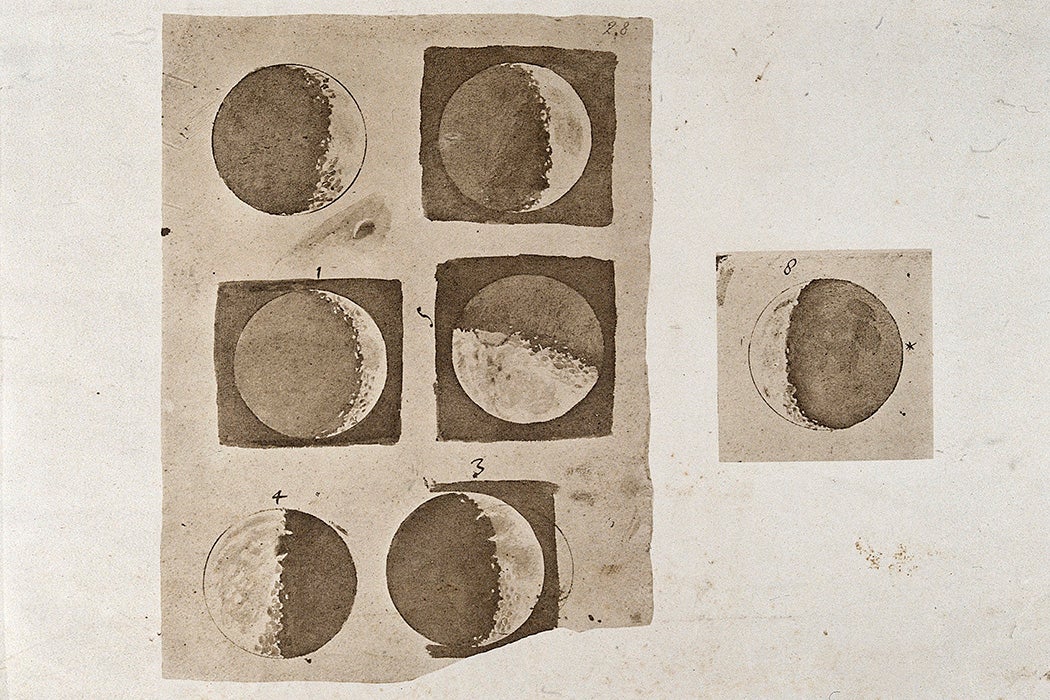
Galileo Galilei's examination of the Moon through a telescope in 1610 marked a significant moment in environmental imagination, sparking a transformative period in the way humans thought about the natural world. His treatise, Sidereus Nuncius, inspired centuries of thinking about space and exploration. This led to the belief in the possibility of extraterrestrial life and the idea that other worlds may contain vital natural resources. The environmental ideas that emerged in the seventeenth century still hold relevance today.

The 25-year-old wager on consciousness finally finds a resolution

Originally Published 2 years ago — by Vox.com

Featured image for The 25-year-old wager on consciousness finally finds a resolution
Source: Vox.com

Despite decades of scientific research, the phenomenon of consciousness remains elusive and unexplained. The scientific method, developed by Galileo Galilei, may have inadvertently excluded the study of consciousness itself, making it difficult for scientists to bridge the gap between neural activity and subjective experience. Various theories, such as global workspace theory and integrated information theory, have been proposed, but none have provided a definitive explanation. Some researchers suggest reintroducing consciousness into our understanding of nature through panpsychism, while others explore concepts like the free-energy principle and predictive processing. The symmetry theory of valence offers a unique perspective on the positive/negative feeling of consciousness. The field of consciousness science is still pre-paradigmatic, with competing schools of thought and no consensus on whether a unified theory will ever emerge.