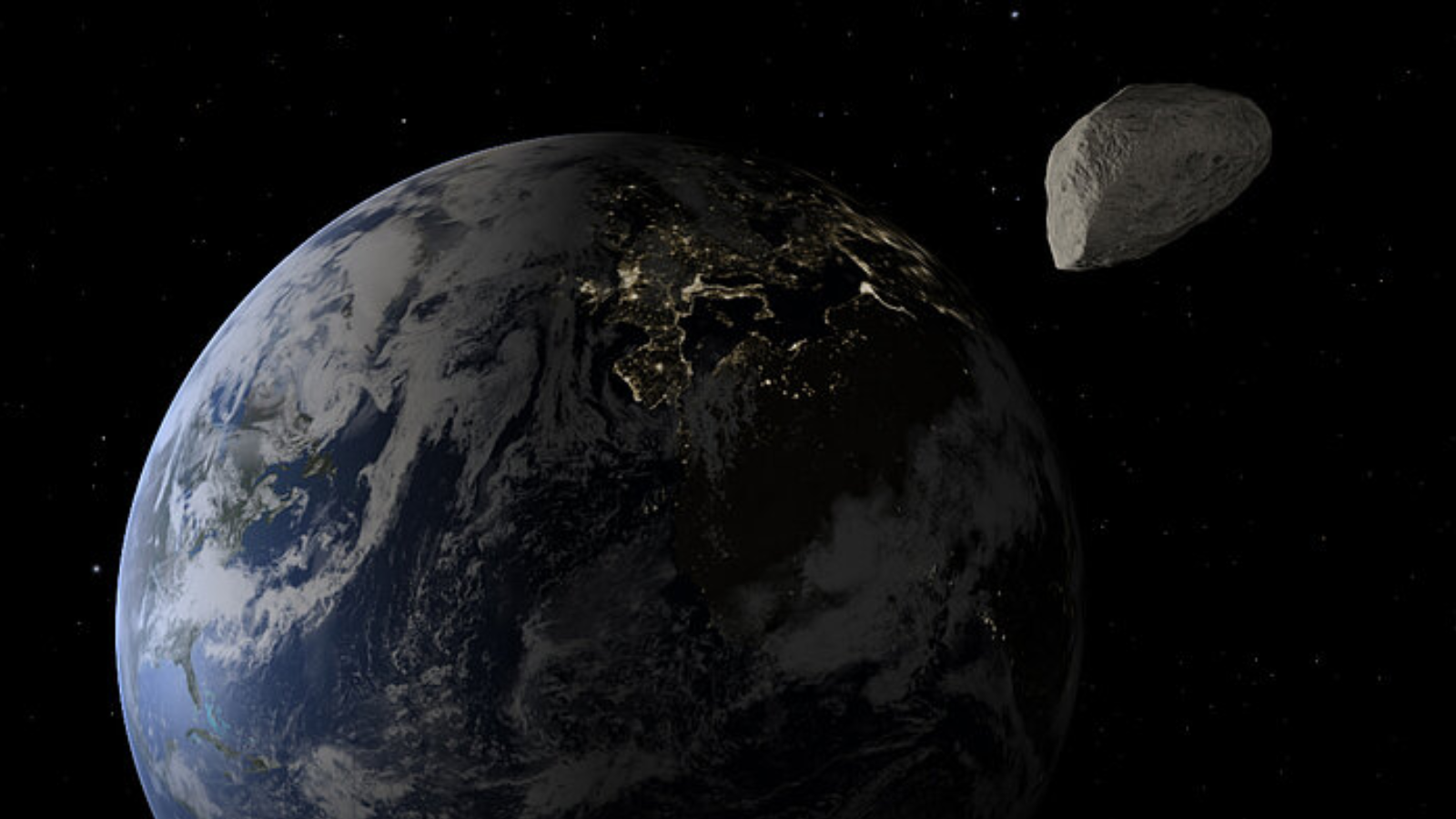
An Australian company, HEO Robotics, plans to use a dying satellite to photograph the asteroid Apophis during its close approach to Earth in 2029, joining international efforts to study this rare event, which offers a unique opportunity to understand asteroid behavior near Earth.

Sony Pictures Animation has confirmed a sequel to the hit Netflix film KPop Demon Hunters, set for release in 2029. The original, which became the most-watched movie on Netflix and grossed over $25 million in the US, features a vibrant anime-inspired style and a mix of Korean mythology and pop culture. While details are scarce, the sequel will see the return of key creators and potentially explore new storylines involving the main characters and their adventures.
Apple's highly anticipated 18-inch foldable iPad has been delayed until 2029 and could cost up to $3,900, reflecting significant development and manufacturing challenges.
An animation shows asteroid 99942 Apophis's close approach to Earth in 2029, coming within 32,000 km, but NASA assures there is no impact risk for at least the next 100 years, and the event will provide valuable scientific opportunities.
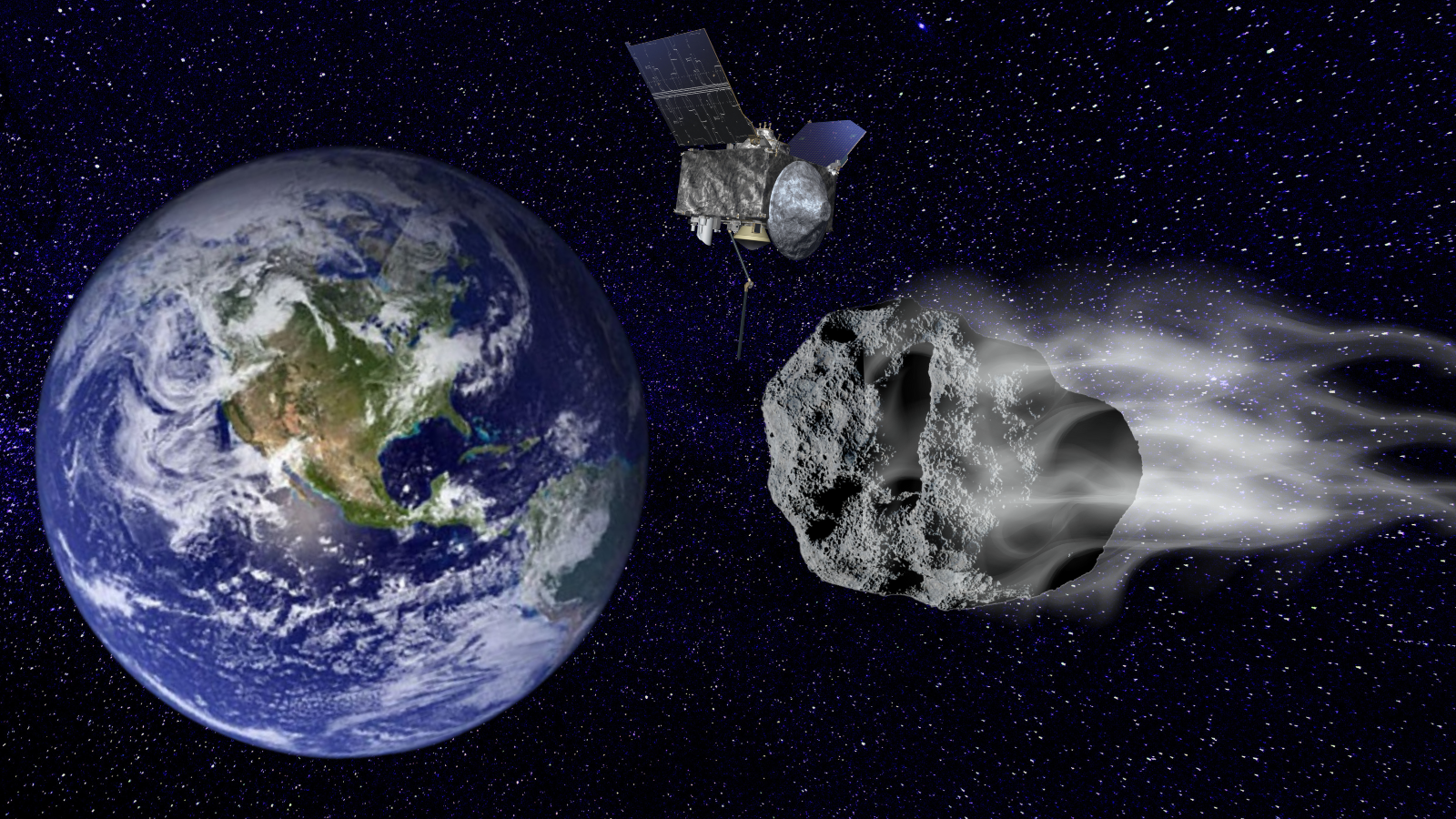
A group of international space missions, including NASA's OSIRIS-APEX, ESA's Ramses, and JAXA's DESTINY+, are preparing to study the near-Earth asteroid Apophis during its close approach in April 2029, aiming to better understand its properties and potential impact risk.
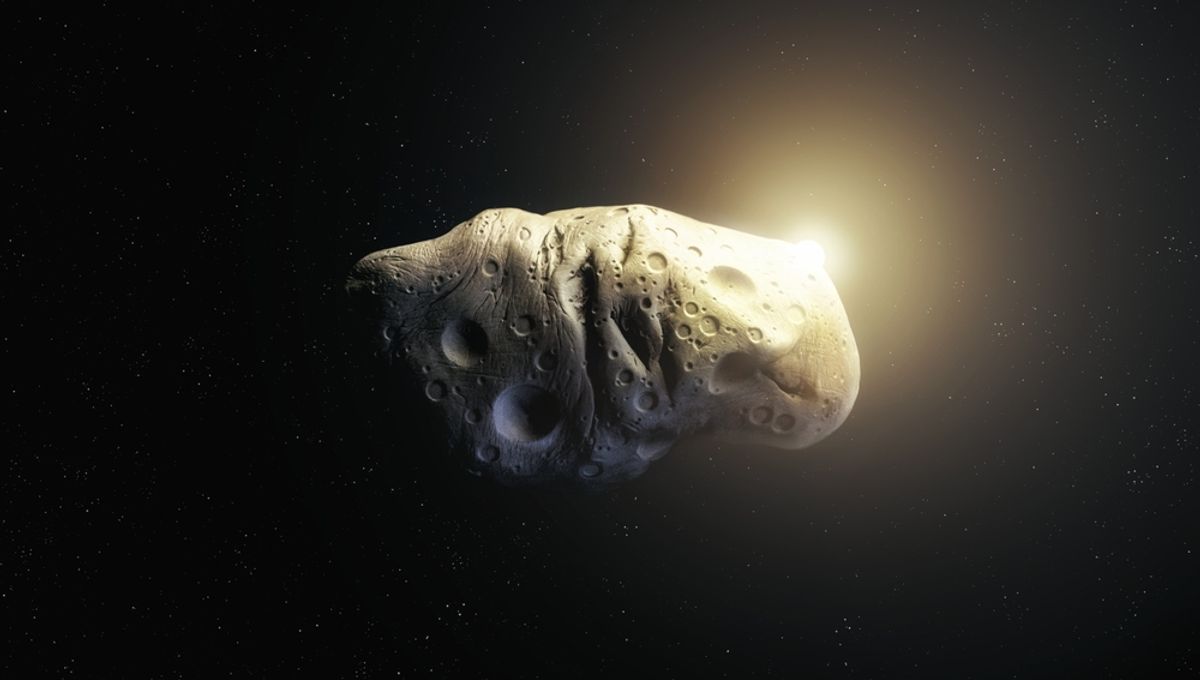
An asteroid named Apophis, about 340 meters in size, will safely pass Earth in April 2029 at a distance closer than geosynchronous satellites, offering a rare opportunity for scientific observation and public viewing, with potentially up to two billion people able to see it with the naked eye. Despite its classification as potentially hazardous, it poses no threat to Earth, and this event is seen as a valuable natural experiment for planetary science and defense.
The 340-meter asteroid Apophis will safely pass Earth in April 2029 at a distance closer than geosynchronous satellites, offering a rare opportunity for scientific observation and planetary defense studies, with up to two billion people expected to see it with the naked eye.