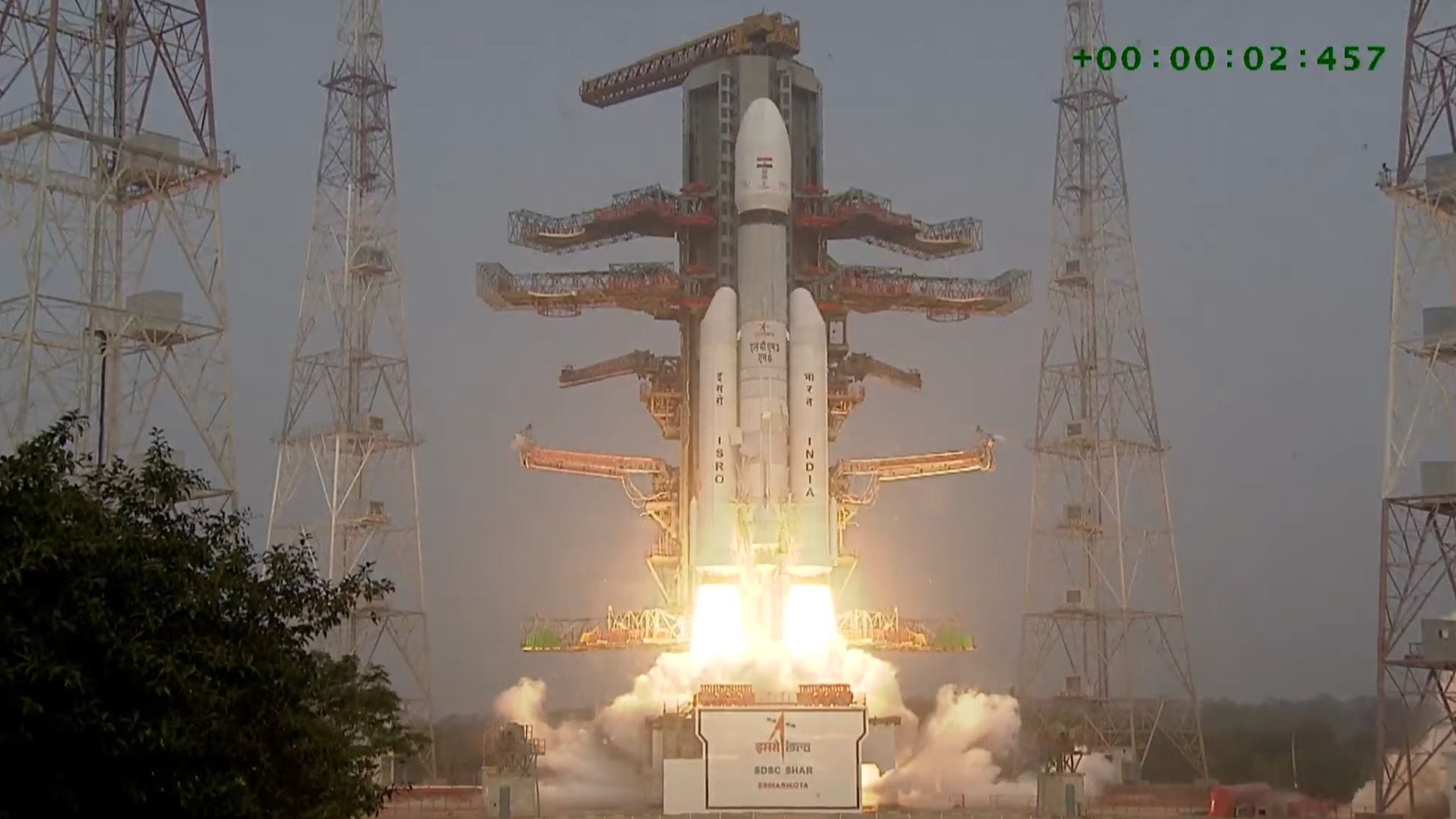
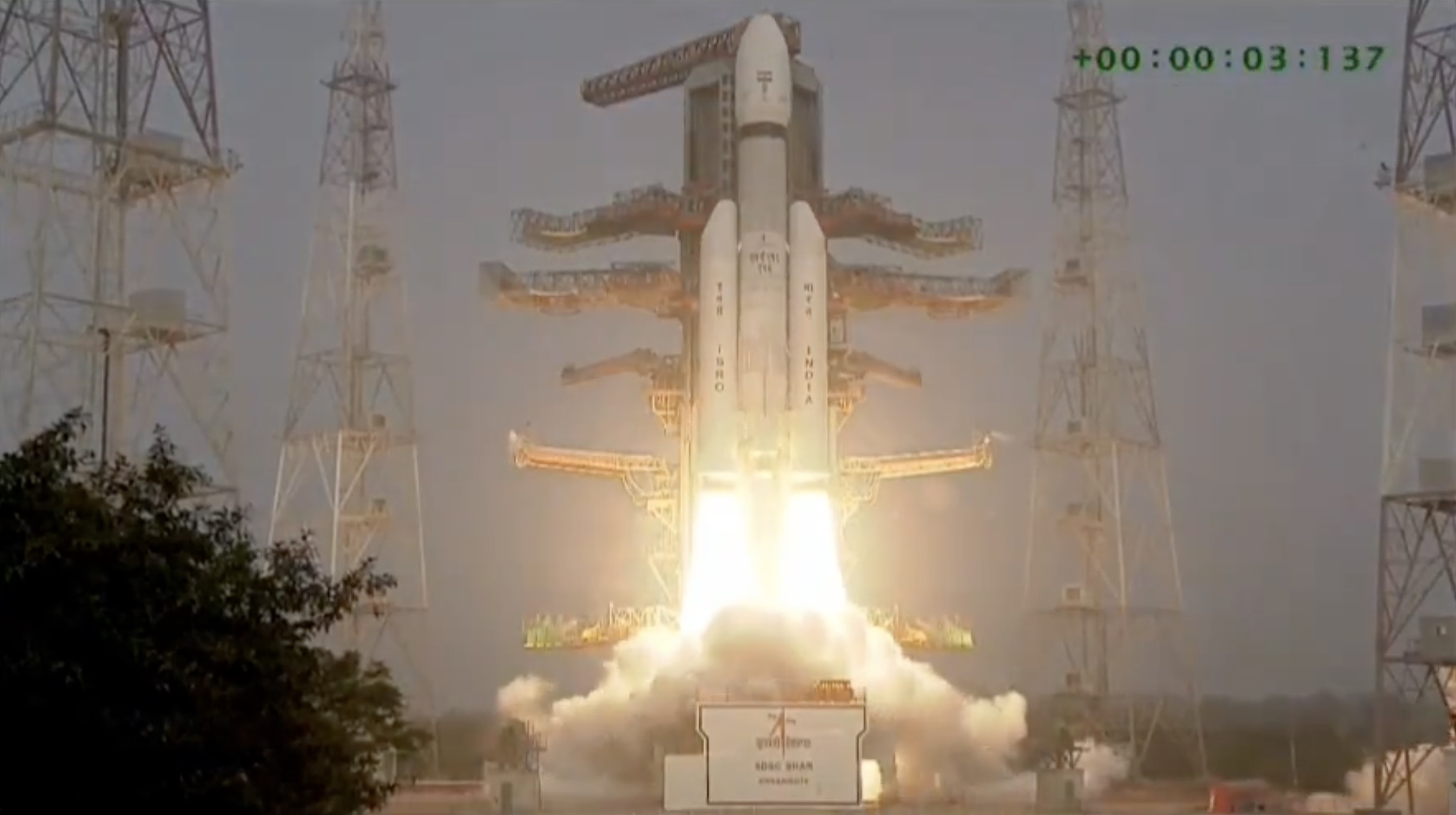
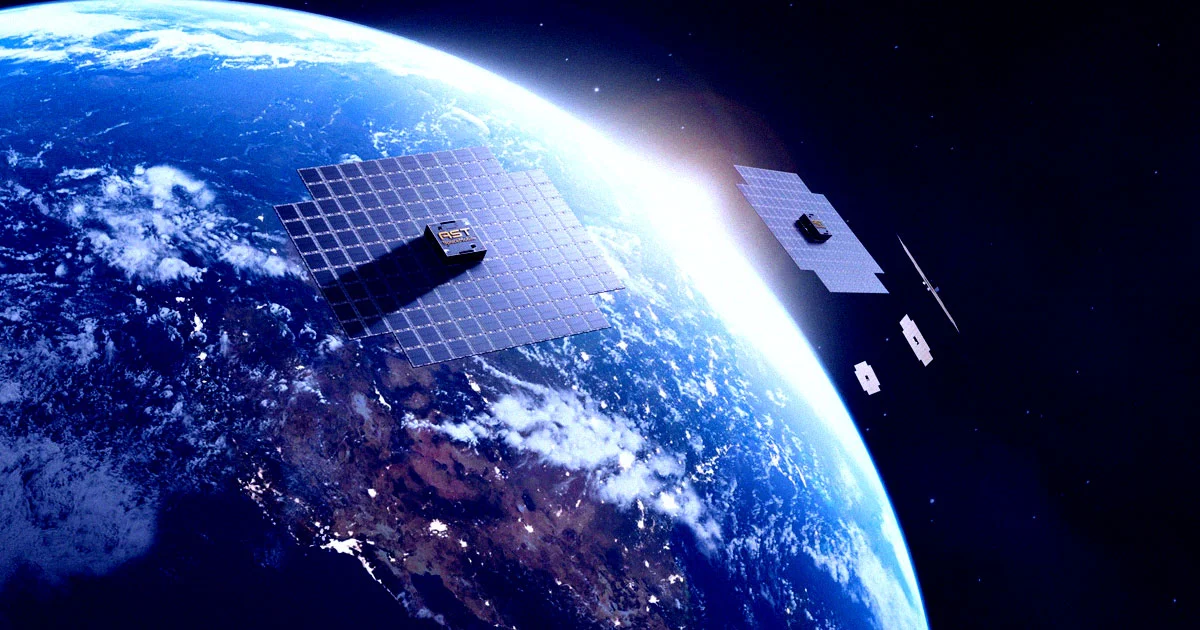
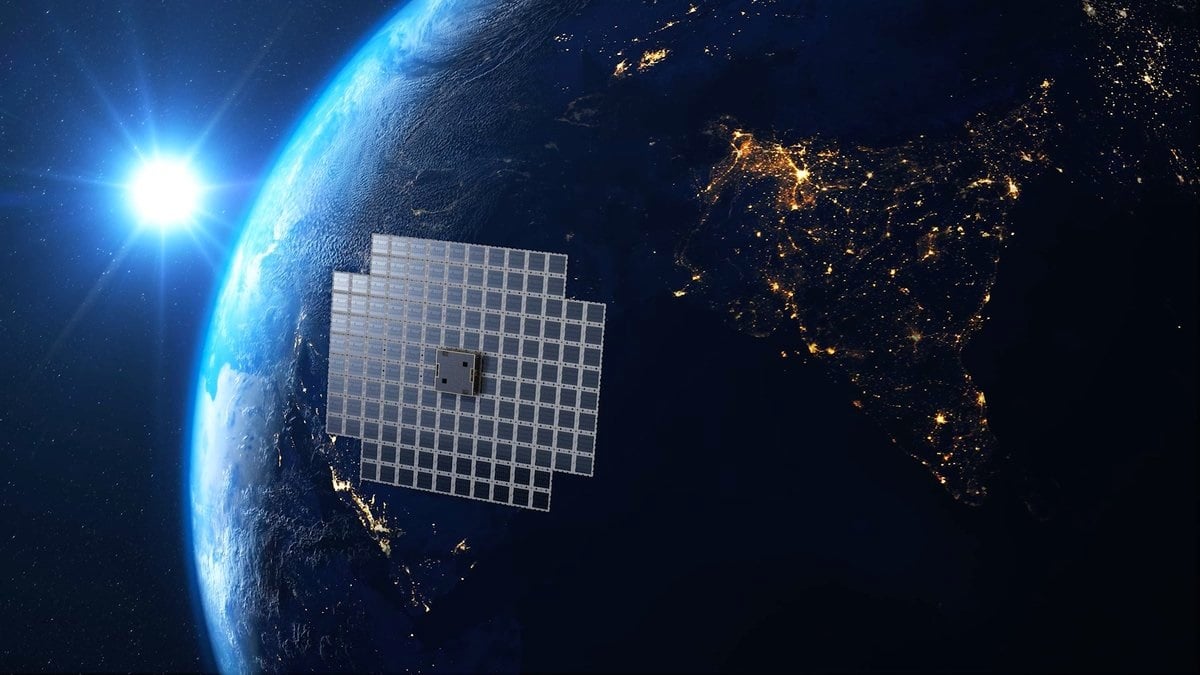
An Indian LVM3 rocket successfully launched the BlueBird 6 satellite for AST SpaceMobile, setting a record with the largest communication arrays ever deployed in low Earth orbit, as part of a project to provide broadband directly to smartphones.
AST SpaceMobile launched its next-generation BlueBird 6 satellite into low Earth orbit using India's largest rocket, ISRO's LVM3, marking a significant step in deploying a large constellation of high-capacity, direct-to-device communication satellites aimed at expanding 5G coverage globally. The company plans to launch up to 60 satellites by 2026, utilizing multiple launch providers including SpaceX and Blue Origin.
AST SpaceMobile's stock rose over 14% as it prepares to launch its BlueBird 6 satellite, the sixth in a series aimed at providing global cellular coverage from space, with the launch scheduled for December 24, marking a significant step in its satellite deployment plans.
AST SpaceMobile is preparing to launch its BlueBird 6 satellite, which features a large phased array and increased data capacity, as a key step toward scaling its direct-to-smartphone broadband network. The success of this launch could significantly impact the company's growth prospects and investor confidence, but execution risks and funding concerns remain. The stock's fair value estimates vary widely, highlighting the high uncertainty surrounding its future.
Rocket Lab announced a multi-launch deal with iQPS for deploying Earth-imaging satellites, boosting its stock, while AST SpaceMobile gained on a Verizon agreement to provide direct-to-cellular service via space-based broadband, both stocks reaching new highs.
Verizon has signed a commercial agreement with AST SpaceMobile to provide satellite-to-phone connectivity, aiming to enhance coverage in dead zones using orbiting satellites, competing with SpaceX's Starlink service. The deal involves a $100 million commitment and access to radio spectrum, with plans to deploy 45-60 satellites by the end of 2024, though launch delays pose challenges.
AST SpaceMobile plans to deploy 45 to 60 satellites by 2026 to provide cellular broadband services, positioning itself as a competitor to SpaceX's Starlink, with a fully funded plan and launches scheduled every one to two months.
AST SpaceMobile's stock surged 18% after announcing a fully funded plan to deploy 45-60 satellites by 2026 to build a global cellular broadband network, challenging SpaceX's Starlink and other competitors. Despite delays and limited current revenue, the company plans regular satellite launches in 2025-2026, with significant potential from government and commercial contracts, aiming to deliver 5G coverage worldwide.
SpaceX controls over 60% of active satellites in orbit with over 9,000 launched, and is expanding its Starlink constellation, prompting criticism and concerns about space debris and collisions. Despite its dominance, SpaceX has accused a competitor, AST SpaceMobile, of launching too many satellites and underestimating collision risks, raising questions about its motives amid ongoing disputes. The growing satellite population, including large, bright satellites like AST's BlueBird, poses challenges for astronomy and space sustainability, highlighting the need for careful regulation and collision avoidance.
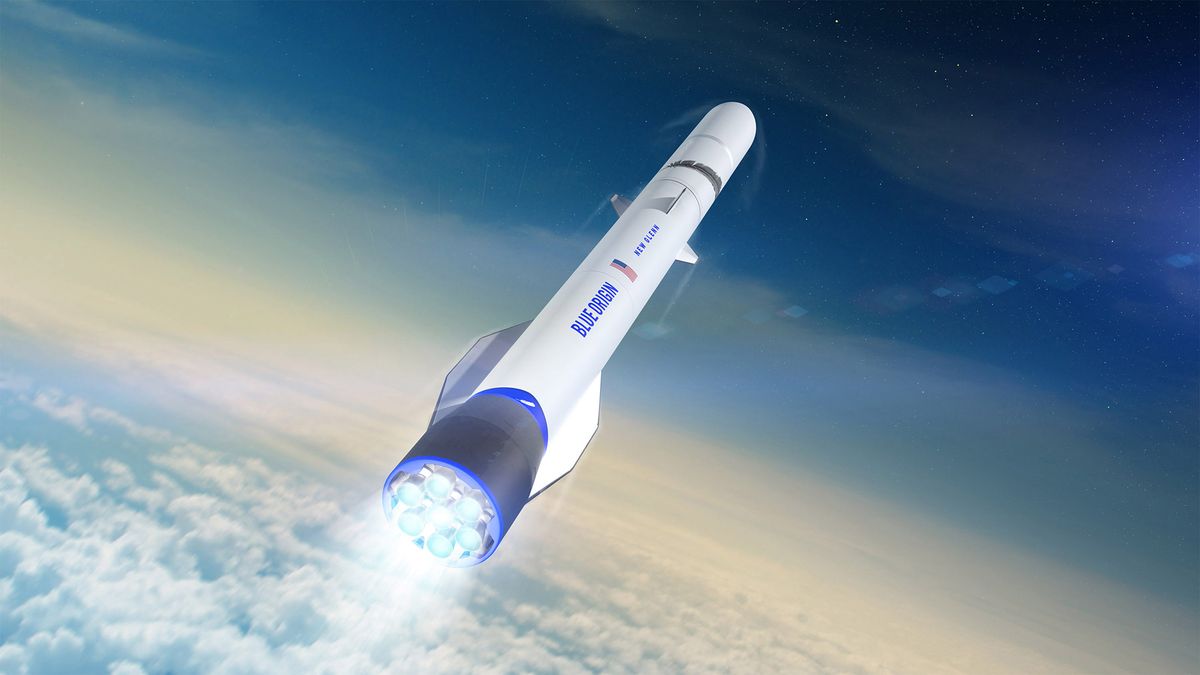
AST SpaceMobile has selected Blue Origin's New Glenn rocket to launch its next-generation BlueBird satellites, which aim to provide direct-to-cellphone broadband service globally. The New Glenn, capable of launching eight BlueBirds at a time, will help deploy up to 60 Block 2 satellites in 2025 and 2026. These new satellites will feature larger communication arrays, offering significantly increased bandwidth capacity. AST SpaceMobile's service targets key markets like the U.S., Europe, and Japan, competing with SpaceX and Lynk Global.
Verizon has signed a $100 million deal with AST SpaceMobile to enhance mobile coverage by connecting AST's satellite network to mobile phones using the 850 MHz band. This partnership aims to provide 100% coverage of the continental U.S. and follows AST's recent agreements with AT&T, Google, and Vodafone. AST SpaceMobile has demonstrated the first 5G connection between an unmodified smartphone and a satellite, promising improved connectivity for voice and video calls in areas lacking terrestrial cell towers.
AST SpaceMobile's stock surged 69% after announcing a partnership with Verizon to provide satellite internet service, adding to a similar deal with AT&T. The company's stock has quadrupled this month, and the Verizon deal includes $100 million in funding. AST aims to eliminate dead zones and provide remote connectivity with its satellites, competing with SpaceX's Starlink and Apple's Globalstar-supported services.
Verizon is investing $100 million in AST SpaceMobile to enhance direct-to-smartphone satellite connectivity, aiming to cover remote areas in the U.S. This investment includes $65 million in commercial prepayments and $35 million in convertible debt. The partnership marks a significant milestone for AST SpaceMobile, which has agreements with over 45 mobile network operators globally. The venture plans to launch its Block 1 satellites by the end of August and aims for continuous U.S. coverage with 45-60 satellites by 2026.
AST SpaceMobile collaborates with TSMC to enter the tape-out phase for its AST5000 ASIC, a key component of its BlueBird Block 2 program, aiming to improve processing bandwidth on each satellite and enable space-based cellular broadband services. The company has achieved 3 Bits/Hertz using BlueWalker 3 and plans to support up to 10,000 MHz of processing bandwidth per satellite in the future. With strategic investments from AT&T, Google, and Vodafone, as well as agreements with over 40 mobile network operators globally, AST SpaceMobile is advancing its mission to provide global cellular broadband network in space, accessible directly by standard mobile devices.
CNBC's Jim Cramer advised holding off on investing in Kroger due to the recent resignation of its CFO, while expressing uncertainty about Icahn Enterprises and AST SpaceMobile's potential for profitability. However, Cramer expressed confidence in GSK's stock performance and recommended it as a strong investment.