Burkina Faso, Mali, and Niger have announced their withdrawal from the International Criminal Court, criticizing it as a neo-colonialist tool and citing its failure to prosecute serious crimes, while seeking to establish their own justice mechanisms amid regional instability and increased ties with Russia.
A terrorist attack in western Niger's Tillaberi region killed 22 villagers, mostly attending a baptism, with militants on motorbikes targeting civilians amid ongoing violence linked to jihadist groups, despite military efforts. Human rights groups have condemned the violence and called for increased protection of civilians.
Gunmen on motorbikes killed 22 people, mostly attending a baptism, in an attack in western Niger's Tillabéri region, amid ongoing jihadist violence linked to groups like al-Qaeda and Islamic State, with the region experiencing increased attacks and insecurity.
Niger is investigating the sale of a $5 million Mars meteorite, the largest ever found on Earth, amid concerns it was smuggled out of the country illegally. The meteorite, discovered in Niger's Sahara Desert, was sold at a New York auction, prompting Niger to suspend exports of meteorites and stones to trace its origins and prevent illicit trade. The case highlights issues of cultural property rights and the challenges of regulating mineral and meteorite trade in desert regions.
A 54-pound Martian meteorite sold for over $5 million at a New York auction, setting a world record, but Niger is investigating its illegal export and sale, claiming it may have been smuggled out of the country, raising questions about international law and heritage protection.
Over 200 gunmen on motorbikes attacked a Niger army base near Mali, killing at least 34 soldiers, with Niger's military claiming to have killed dozens of terrorists in response. The attack highlights ongoing jihadist violence in the Sahel region, where Niger faces significant insurgent threats and has recently expelled Western forces, turning to Russia and Turkey for security support.
Niger's military government has suspended BBC broadcasts for three months, accusing the network of spreading fake news that could destabilize social peace and demoralize troops. This follows BBC reports on jihadist attacks in the Tillaberi region, which allegedly killed 91 soldiers and nearly 50 civilians. The junta claims these reports are baseless and aim to undermine troop morale. The suspension affects BBC radio programs but not its website or shortwave broadcasts. This move is part of a broader trend of media suspensions by military-led governments in West Africa, including Burkina Faso and Mali, amid ongoing jihadist insurgencies.
Niger's military government has suspended BBC radio for three months, accusing it of spreading false information that could destabilize social peace and undermine troop morale. This move follows similar bans on other Western media outlets like Radio France Internationale and France 24, amid reports of a jihadist attack in the Tera region that the junta denies occurred. The suspension reflects a broader trend of Sahel countries turning away from Western media and aligning more with Russia for security needs.
Niger's military junta has taken control of French nuclear firm Orano's uranium mining operations, following a coup in July last year. The junta had previously revoked Orano's mining permit, leading to a suspension of production. This move further strains relations between Niger and France, which has already seen the expulsion of French troops. Niger, a significant uranium producer, is seeking to renegotiate foreign mining agreements to benefit more from its resources. Orano plans to defend its rights but also aims to collaborate with stakeholders for a stable operation.
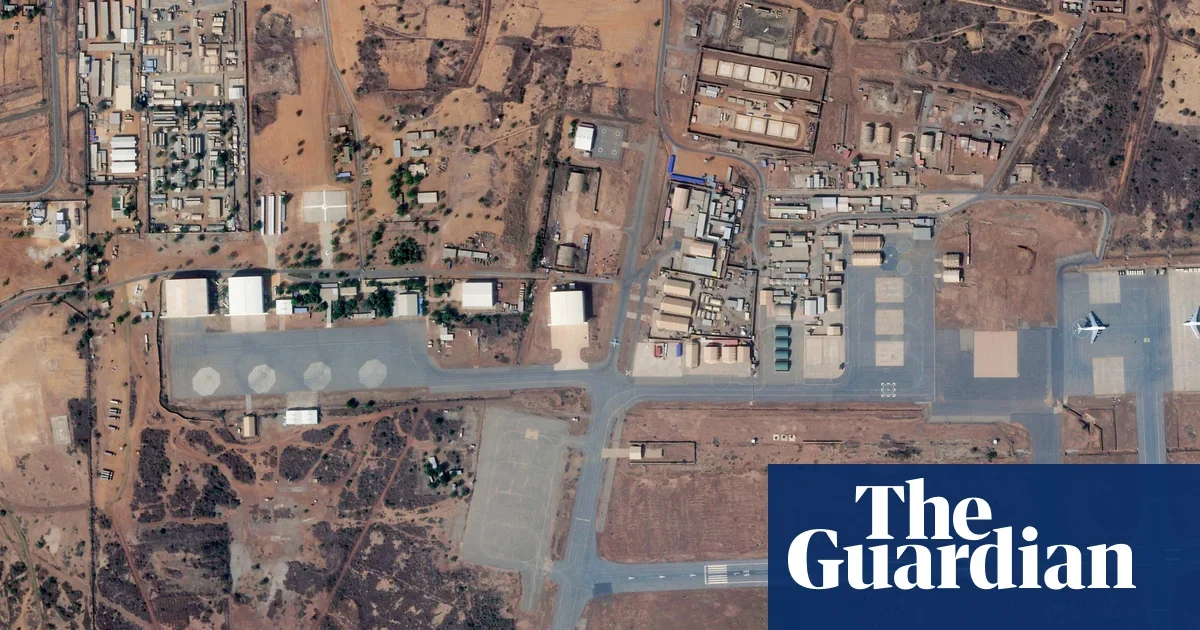
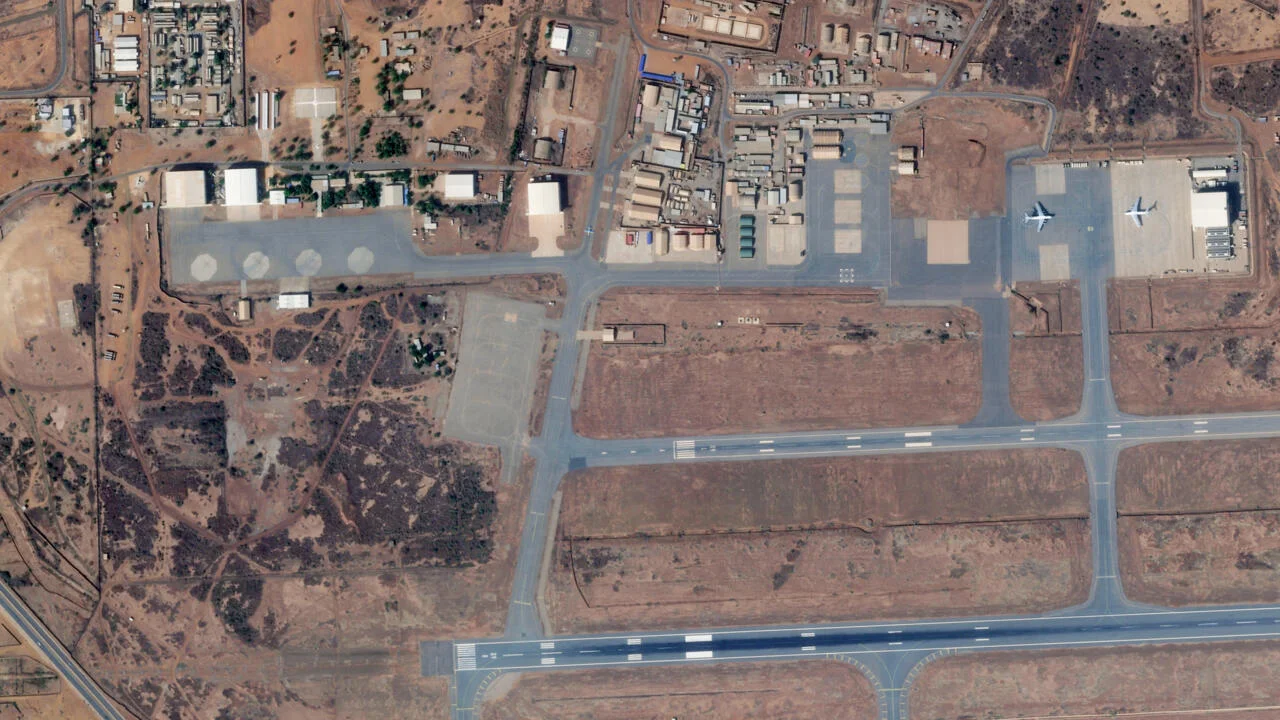
The United States has agreed to withdraw its troops from Niger, following the country's request, marking the end of a military presence that totaled more than 1,000 and raising questions about the status of a $110 million U.S. air base. The decision comes after a military coup last year and strained negotiations with the U.S. over security cooperation. The move will significantly impact Washington's counterterrorism posture in the region, as Niger has seen a spike in Islamist extremist attacks. Despite the setback, U.S. officials hope to stabilize and deepen the partnership with Niger in other sectors.
The Biden administration has announced the withdrawal of over 1,000 American military personnel from Niger, citing the country's deepening ties with Russia and Iran, as well as the failure of Niger's military government to outline a path to return to democracy. This decision comes after Niger revoked its military cooperation deal with the United States and reflects a broader trend in the Sahel region of African countries breaking ties with Western nations in favor of partnerships with Russia.
U.S. military service members in Niger report being "stranded" and unable to receive essential support such as medicine, mail, and diplomatic clearance, with Rep. Matt Gaetz accusing the Biden Administration of suppressing intelligence and abandoning troops in the country. The situation has escalated following Niger's ruling junta revoking the counterterrorism partnership with the U.S., leading to concerns about the safety and well-being of the troops stationed there.
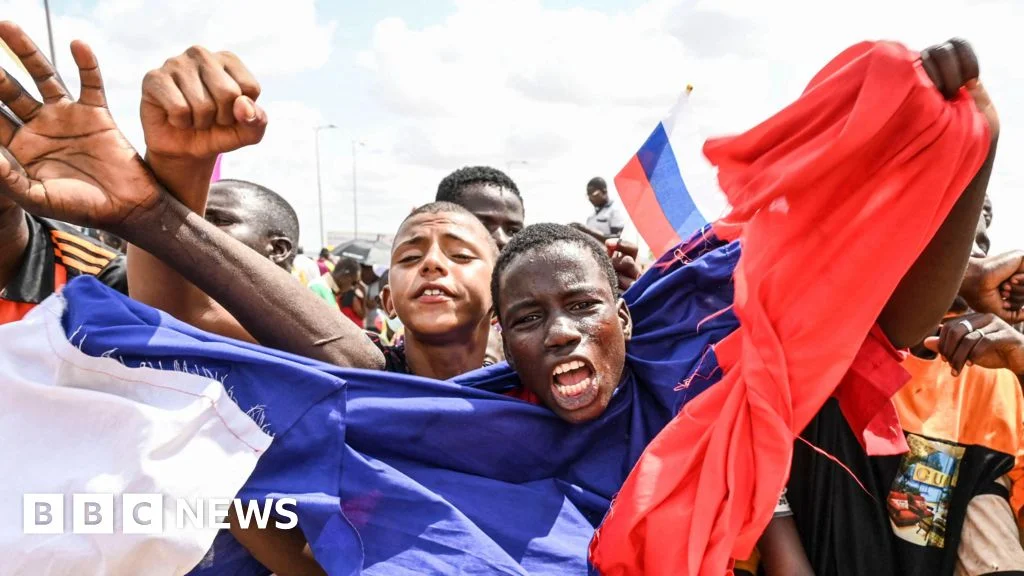
Hundreds of protesters in Niger marched to demand the departure of US troops following the military government's decision to end a military accord with the US and welcome Russian military instructors. The crowd waved flags and chanted anti-American slogans, echoing similar protests that led to the withdrawal of French forces last year. The military government's shift in strategy also includes fostering closer ties with Russia, raising concerns about the potential for permanent foreign military bases in Niger.
Hundreds of people in Niger's capital rallied to demand the departure of U.S. troops following the ruling junta's decision to end a military accord with the United States and welcome Russian military instructors. The protest reflects a shift in the country's strategy, with concerns raised about potential permanent Russian presence. The junta's move to revoke the U.S. military accord and embrace Russian cooperation signals a departure from previous alliances with Western powers, amid ongoing security challenges in the Sahel region.
Russian military trainers have arrived in Niger to reinforce the country's air defenses, signaling a shift away from US cooperation in counterterrorism efforts. This move complicates the presence of US forces in the country and raises doubts about joint counterinsurgency operations. Niger's new leaders have criticized the US and are seeking to diversify partnerships, with the arrival of Russian forces seen as an effort to reclaim sovereignty. The situation reflects a broader struggle against insurgencies linked to al-Qaida and IS in the region.