Tag

Radar Technology

All articles tagged with #radar technology

NASA-ISRO NISAR Satellite Launches to Monitor Earth's Surface Changes

Originally Published 5 months ago — by Space

Featured image for NASA-ISRO NISAR Satellite Launches to Monitor Earth's Surface Changes
Source: Space

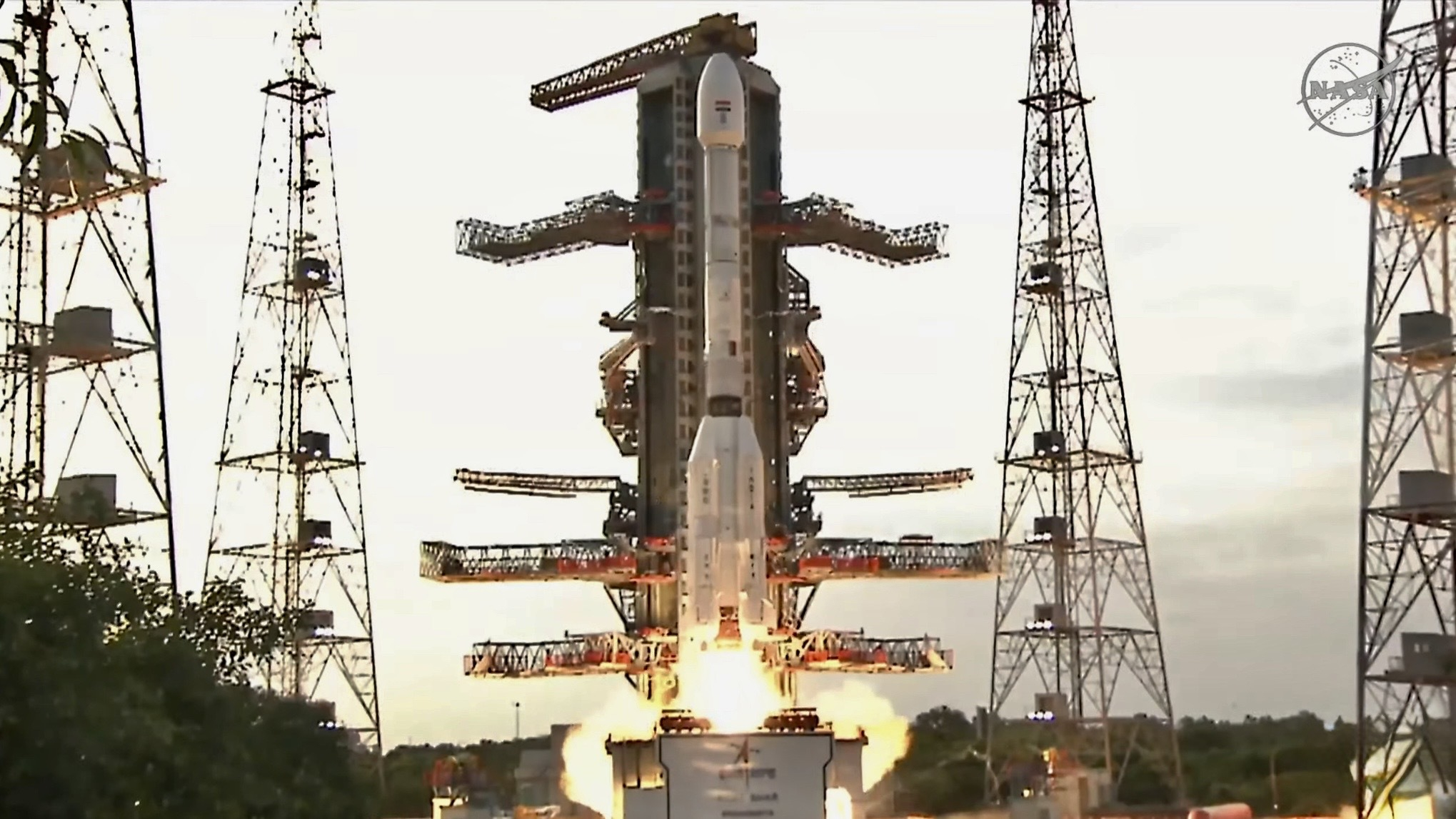
The US and India launched the NISAR satellite, a highly advanced radar Earth observation tool capable of detecting minute surface changes, which will monitor natural hazards, ice sheet dynamics, and human land use over at least five years, marking a significant collaboration in space technology.

Scientists Discover Enigmatic Plasma Bubbles Over Egypt's Pyramids

Originally Published 6 months ago — by Indian Defence Review

Featured image for Scientists Discover Enigmatic Plasma Bubbles Over Egypt's Pyramids
Source: Indian Defence Review

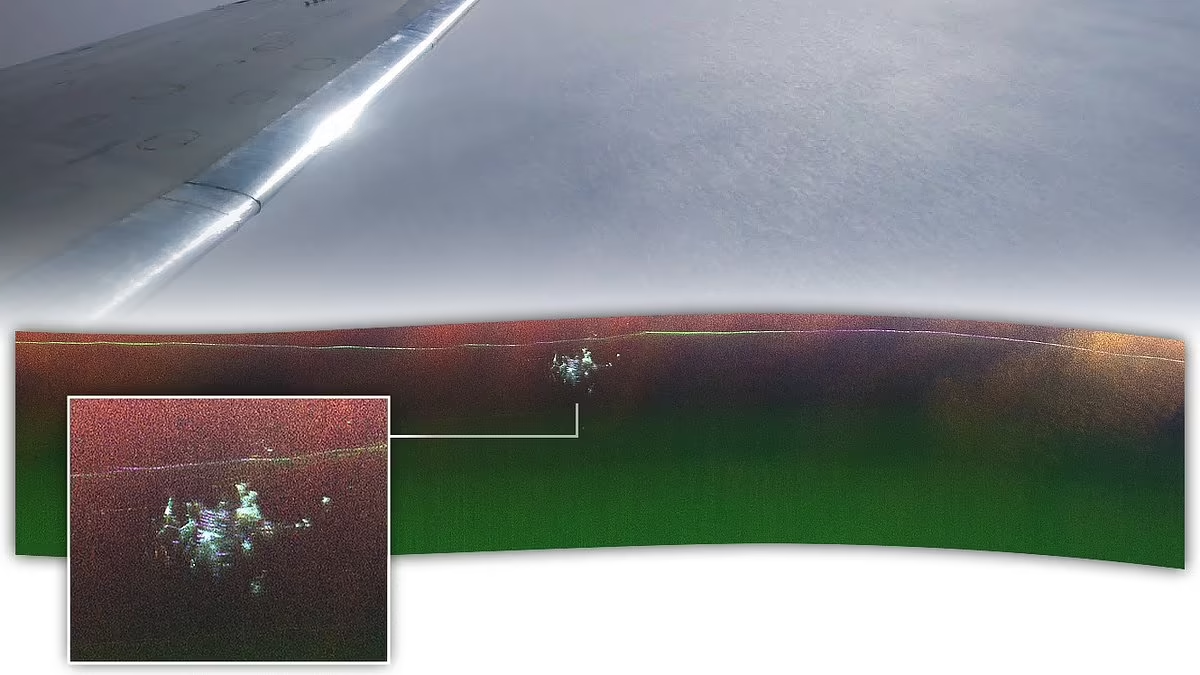
Scientists have detected plasma bubbles in Earth's ionosphere over Egypt's Pyramids using a new long-range radar system, marking a significant advancement in space weather monitoring that could improve predictions of disruptions to communication and navigation systems worldwide.

ESA's Biomass Satellite Unveils First Stunning Images of Earth's Rainforests and Extreme Environments

Originally Published 6 months ago — by BBC

Featured image for ESA's Biomass Satellite Unveils First Stunning Images of Earth's Rainforests and Extreme Environments
Source: BBC

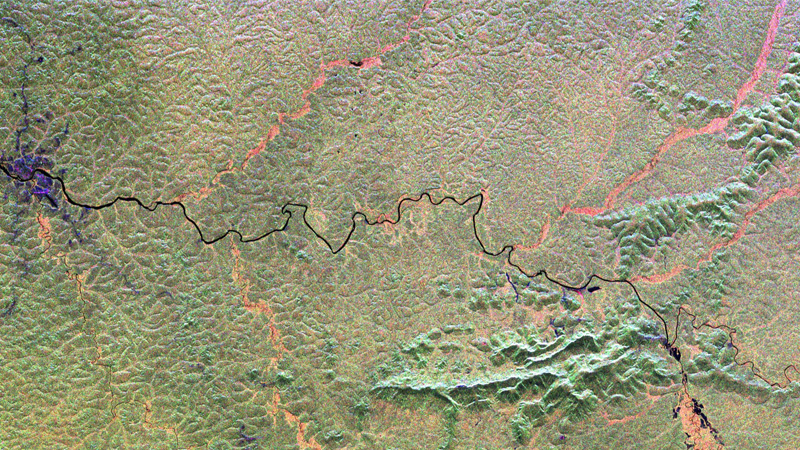
A new satellite equipped with advanced radar technology, Biomass, launched from French Guiana, is providing unprecedented insights into remote rainforests and glaciers, helping scientists map forest structures and monitor deforestation and glacier movement more accurately, which is crucial for understanding carbon storage and climate change impacts.

NASA Reveals Hidden Cold War Nuclear Base Beneath Greenland Ice

Originally Published 1 year ago — by Daily Mail

Featured image for NASA Reveals Hidden Cold War Nuclear Base Beneath Greenland Ice
Source: Daily Mail

NASA scientists have rediscovered Camp Century, a defunct Cold War-era U.S. military base buried beneath Greenland's ice sheet, using advanced radar technology. Originally built in 1959 as part of Project Iceworm to house nuclear missile launch sites, the base was abandoned in 1967 due to ice instability. The recent radar mapping revealed detailed 3D structures of the base, which lies over 100 feet below the ice surface. This discovery provides insights into the ice sheet's dynamics and potential future exposure of the base's hazardous waste.

Exploring the Hidden City Beneath the Ice

Originally Published 1 year ago — by nasa.gov

NASA scientists, using advanced radar technology aboard a Gulfstream III, have unexpectedly captured detailed images of Camp Century, a Cold War-era military base buried under Greenland's ice sheet. The UAVSAR system provided a new dimensional view of the base's structures, which were originally built in 1959 and abandoned in 1967. This discovery, while not the primary goal of the mission, highlights the potential of UAVSAR for mapping ice sheets and understanding their thickness, crucial for predicting future sea level rise.

"China Unveils Breakthrough Radar Network for Global Space Weather Forecasting"

Originally Published 1 year ago — by The Register

Featured image for "China Unveils Breakthrough Radar Network for Global Space Weather Forecasting"
Source: The Register

China has unveiled a new radar system for forecasting space weather, claiming significant technological breakthroughs. The system, part of the second phase of China's Meridian Project, consists of high-frequency radars in Jilin, Inner Mongolia, and Xinjiang, and can detect ionospheric irregularities over a vast area. This technology aims to enhance long-distance radio communication and monitor space weather disturbances that could affect satellites and spacecraft. China plans to integrate this system with the international SuperDARN network, although the timeline for data sharing remains unclear.

Unraveling the Enigma of the Sahara's Star Dune

Originally Published 1 year ago — by VOA Learning English

Featured image for Unraveling the Enigma of the Sahara's Star Dune
Source: VOA Learning English

Researchers have used radar and other technologies to study a large star dune in eastern Morocco, uncovering details about its formation and development. The study, led by British researchers, used radar to examine the dune's structure and luminescence dating to estimate its age. The star dune is estimated to be about 13,000 years old and is moving at a rate of about 50 centimeters a year. Star dunes make up just 10 percent of all dunes in Earth's deserts and have also been observed on Mars and Saturn's moon Titan.

Ukraine's Upgraded Missile: A Potent Deep-Strike Weapon Against Russia

Originally Published 2 years ago — by Forbes

Featured image for Ukraine's Upgraded Missile: A Potent Deep-Strike Weapon Against Russia
Source: Forbes

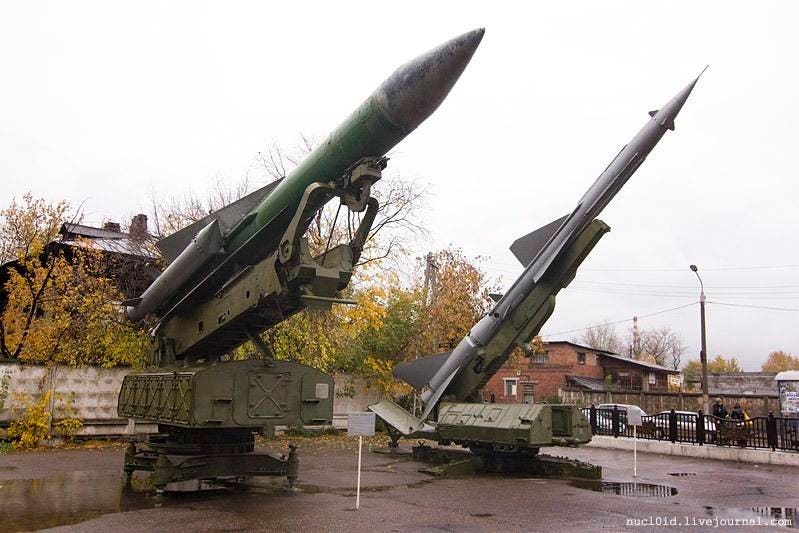
The Ukrainian air force has reportedly converted its old S-200 surface-to-air missile systems into powerful ground-attack weapons by potentially replacing the nose-mounted radar of the 5V28 boost-glide rocket with a new seeker, possibly from the Grom-2 surface-to-surface missile. With a modern seeker and a heavier warhead, the 5V28 becomes a potent deep-strike weapon with a range of around 250 miles. The missile has already demonstrated its capability by narrowly missing a Russian bomber base and destroying an industrial site in Russia. Despite Russian claims of intercepting the 5V28, there are doubts about the evidence provided. The missile's high speed makes it difficult to intercept, and even the best air-defense systems would struggle to hit it.

"Revolutionary Quantum Radar Surpasses Classical Radar by 20%"

Originally Published 2 years ago — by Phys.org

Featured image for "Revolutionary Quantum Radar Surpasses Classical Radar by 20%"
Source: Phys.org

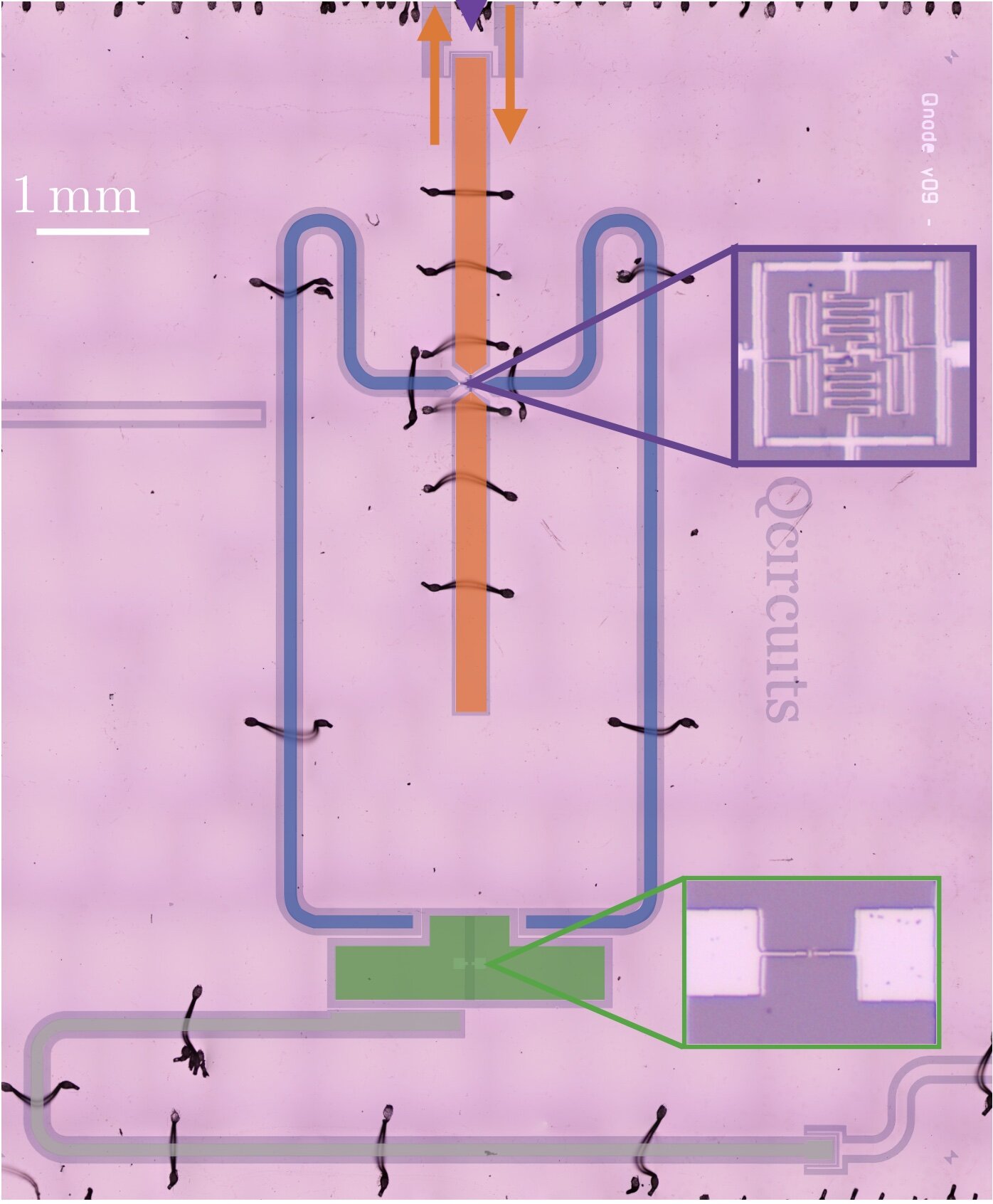
Researchers at Ecole Normale Supérieure de Lyon have developed a quantum radar that outperforms classical radar technology by 20%. The radar utilizes correlations between microwave radiations to detect the presence or absence of a target hidden in microwave noise. The microwave quantum radar demonstrated a quantum advantage in radar sensing, achieving faster radar detection compared to classical radars. The researchers believe that their work could inspire the development of similar microwave quantum radars with even greater quantum advantage in the future.

Exploring the Hidden World Beneath Antarctica's Ice.

Originally Published 2 years ago — by My Modern Met

Featured image for Exploring the Hidden World Beneath Antarctica's Ice.
Source: My Modern Met

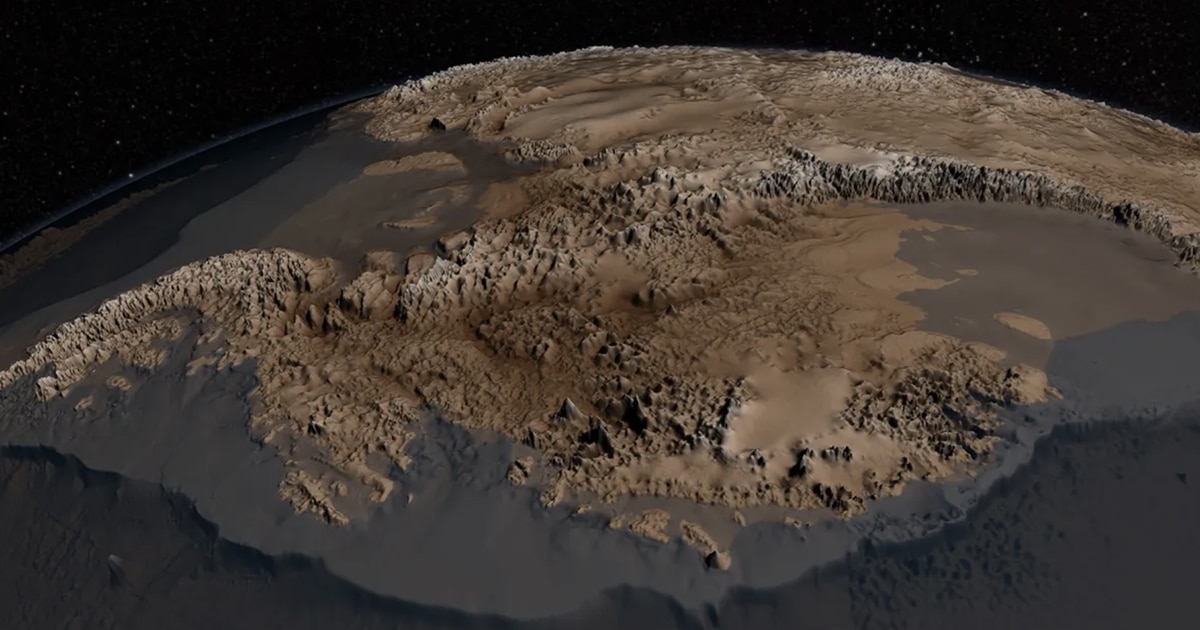
NASA's Bedmap2, a detailed topographical model of the bedrock landscape underneath icy Antarctica, created using radar technology and detailed data collection of 25 million measurements, provides insight into a changing world and helps scientists understand how melting ice would flow toward the sea. The shape of the rock bed is particularly important for calculating how climate change will impact Antarctica and the world, as 6.4 million cubic miles of ice could create a 190-foot sea-level rise. Researchers are already at work on Bedmap3 to help further understand our coldest continent in a changing world.