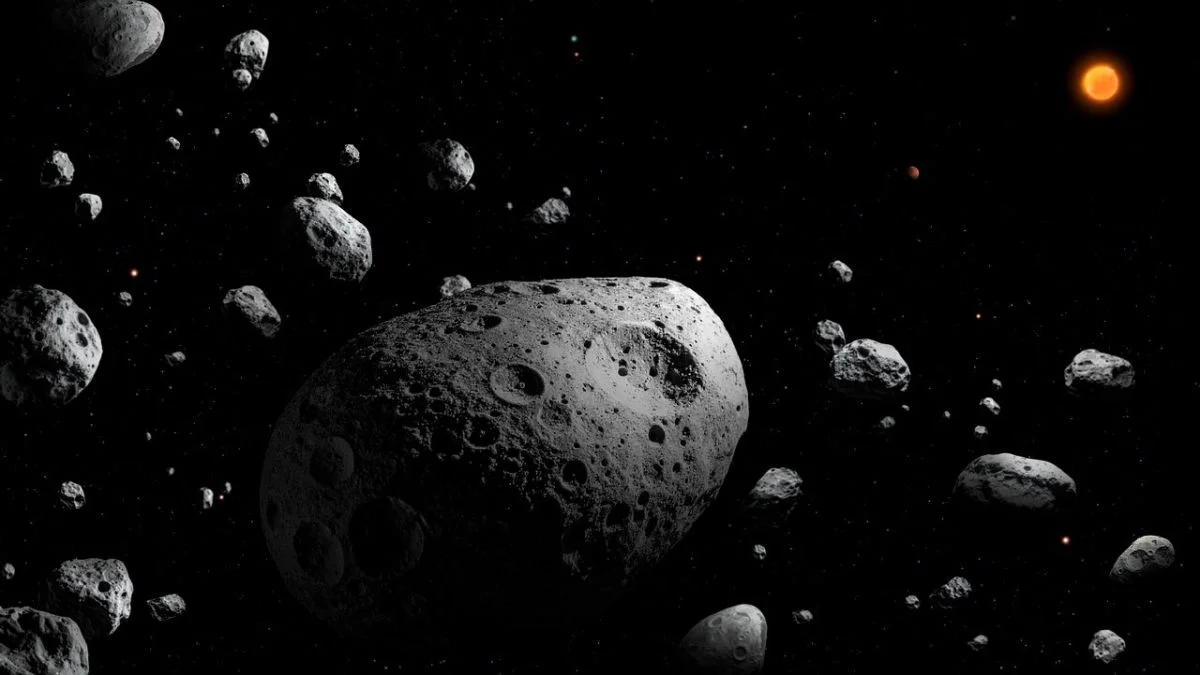
The Vera C. Rubin Observatory has discovered asteroids in the Main Belt spinning faster than the previously believed limit, suggesting they are much stronger and more cohesive than thought, which could reshape our understanding of asteroid structures and the history of the Solar System.
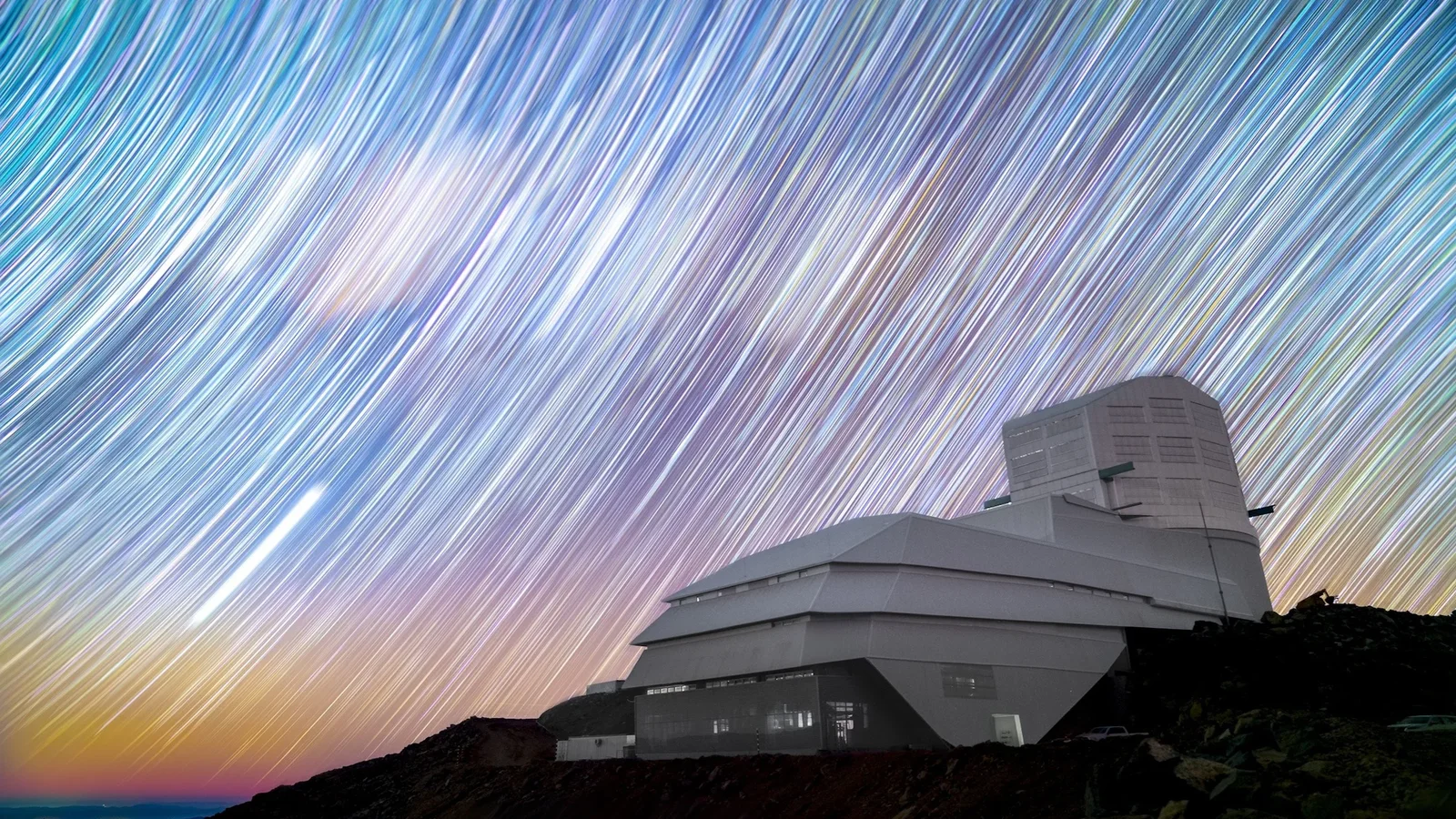
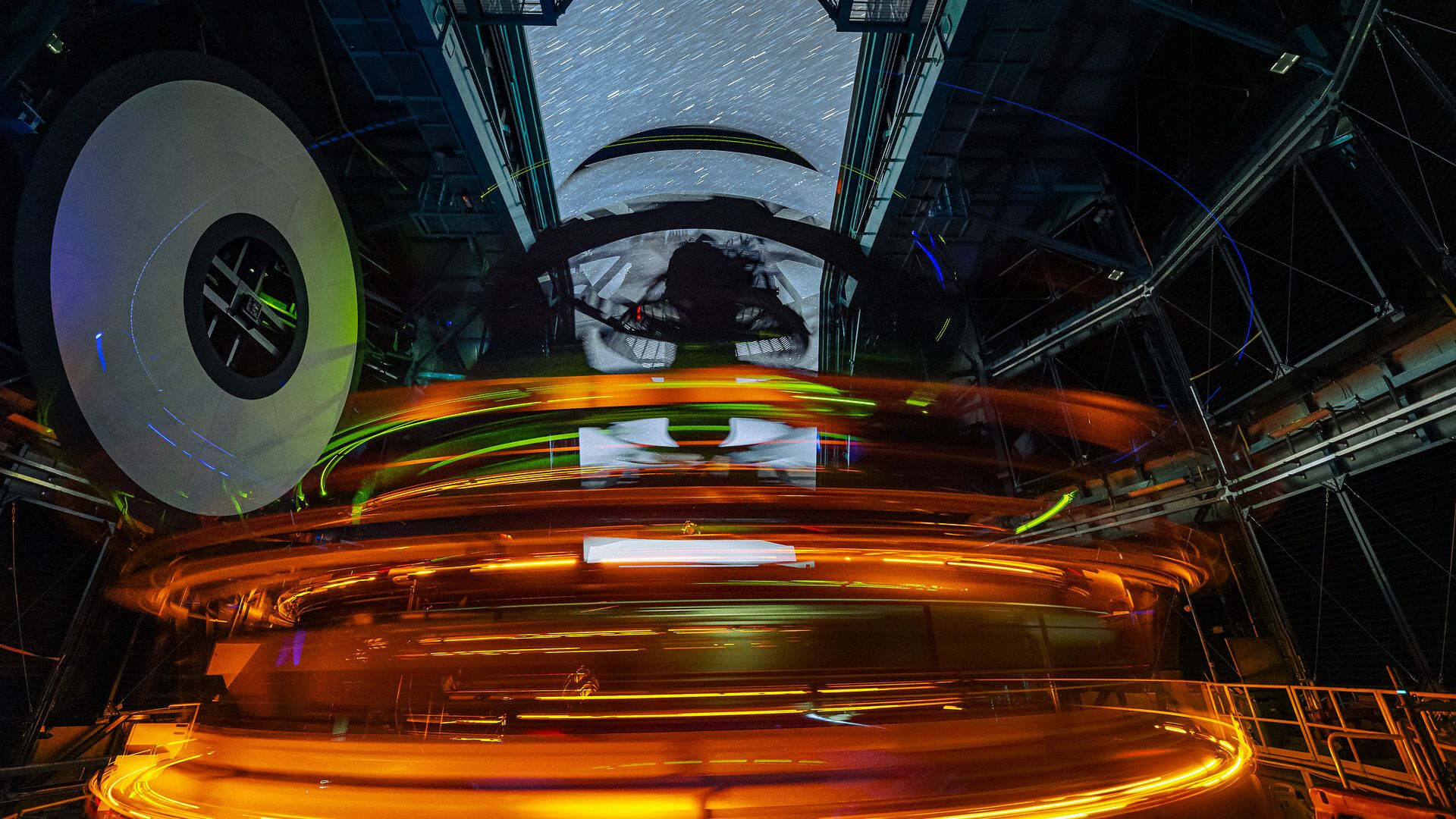
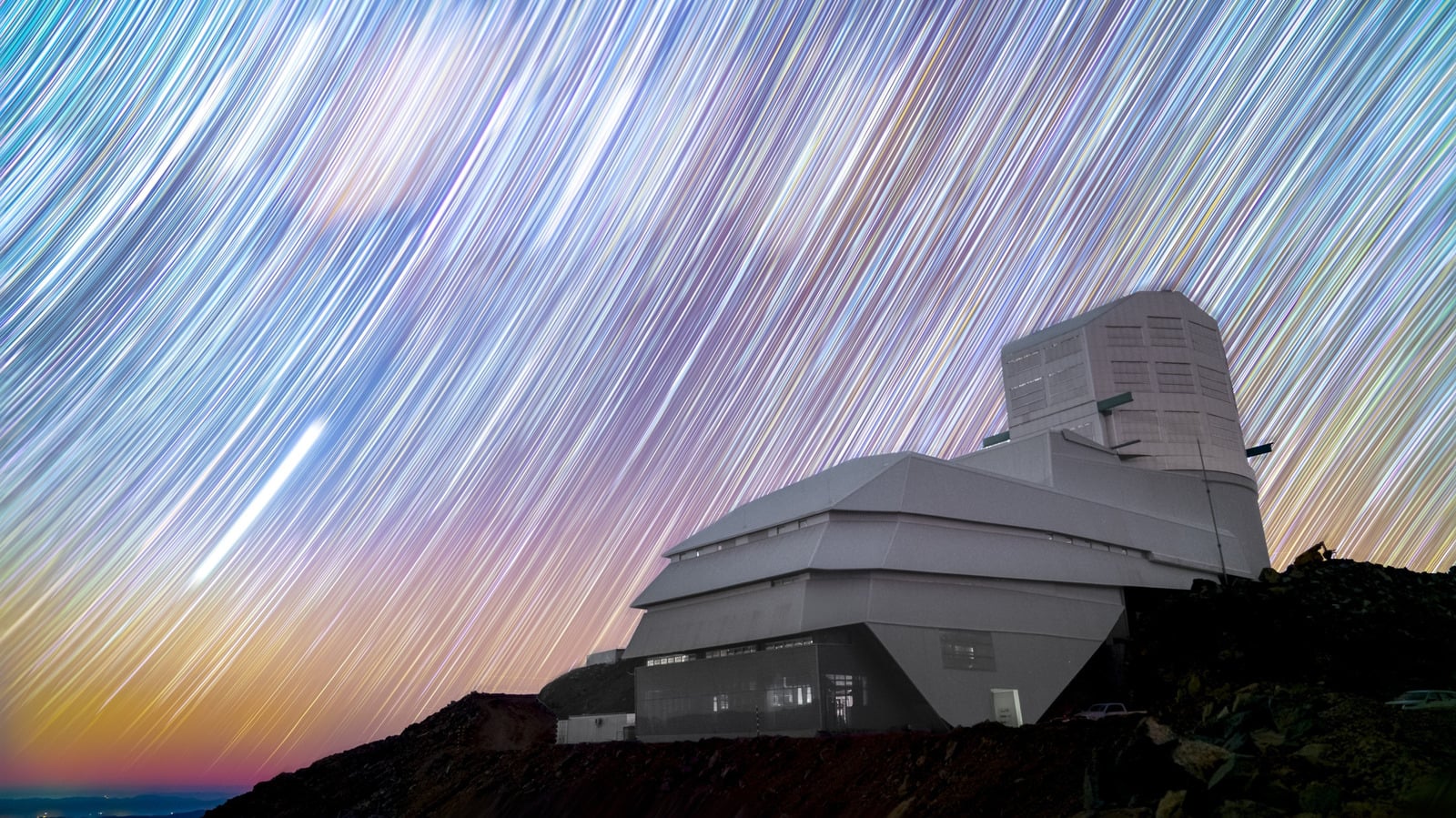
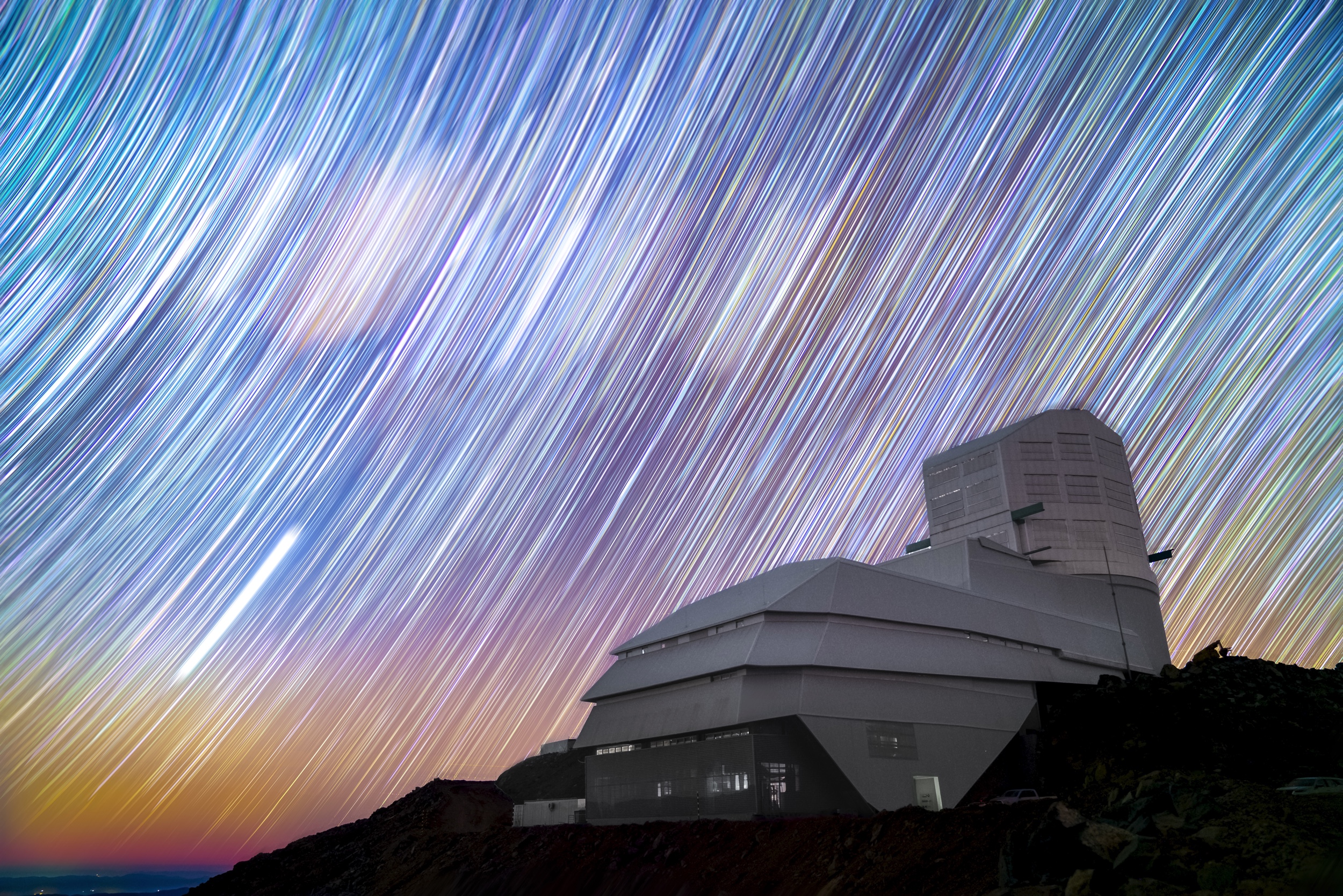
The Vera C. Rubin Observatory has started a decade-long sky survey using its advanced telescope and the world's largest digital camera, capturing rapid star scans and aiming to study cosmic phenomena like dark matter and near-Earth objects.
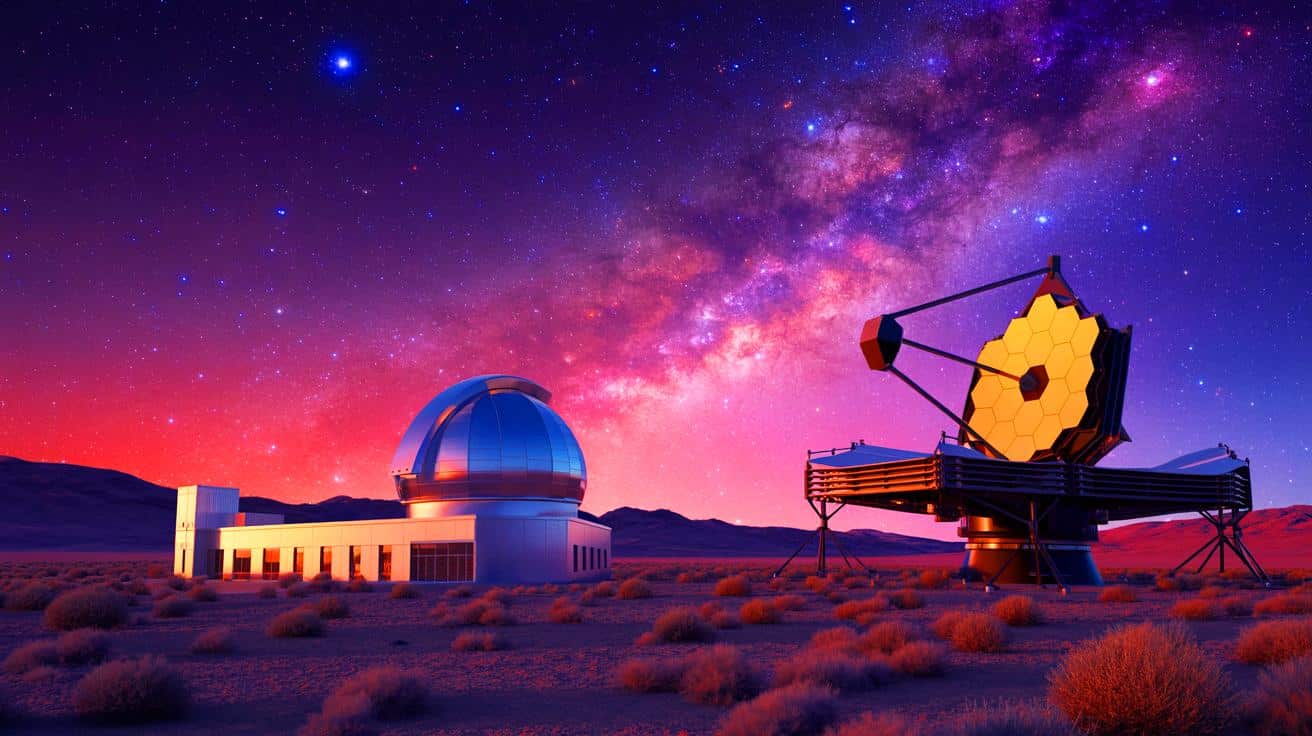
NASA's James Webb Space Telescope and the Rubin Observatory are collaborating to provide comprehensive insights into the universe, with Rubin conducting wide-field sky surveys from Chile and JWST performing detailed infrared observations from space, together enhancing our understanding of cosmic phenomena.
A newly discovered interstellar comet, 3I/ATLAS, was first observed by the Vera C. Rubin Observatory during its commissioning phase, making it the earliest high-precision image of such an object. The comet, which is over 2 billion years old and faster than previous interstellar visitors, was confirmed by multiple telescopes and is notable for its hyperbolic velocity and ancient origin. Rubin's observations are crucial for studying this rare cosmic visitor before it moves out of view in August.
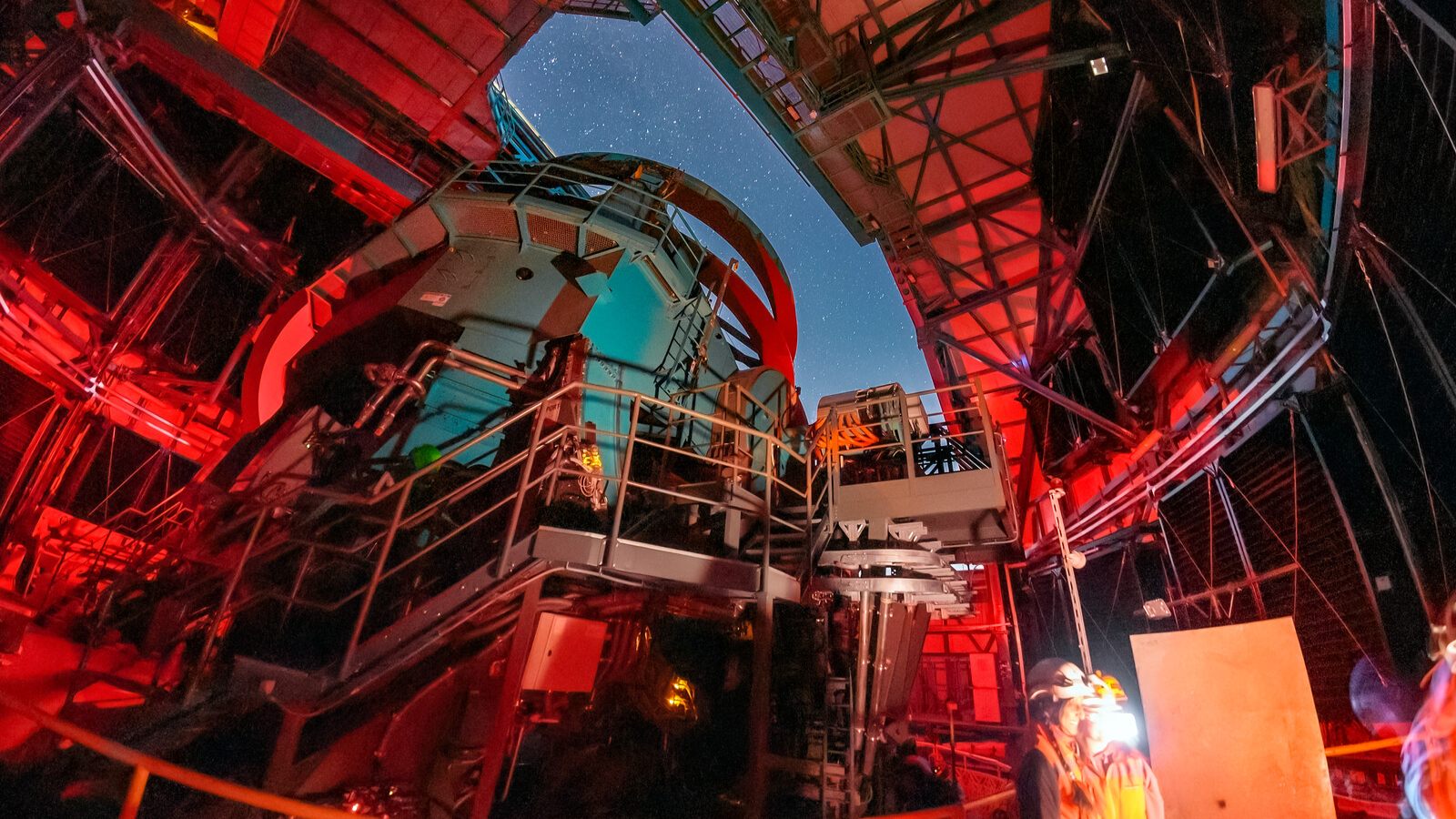
The Rubin Observatory, set to operate for ten years, will revolutionize space observation by collecting more data than all previous telescopes combined, discovering millions of asteroids, and providing detailed insights into dark matter and dark energy, with innovative tools for public engagement.
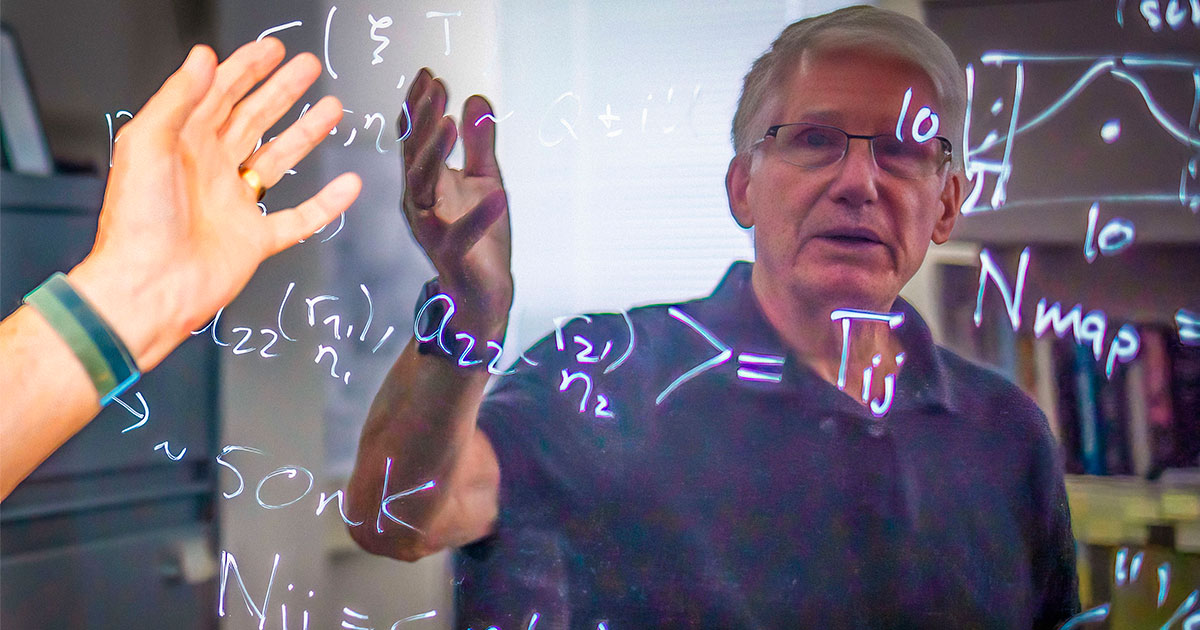
Tony Tyson, a pioneering cosmologist, unveils the Rubin Observatory's 3.2-billion-pixel camera, the largest digital camera ever built, which will revolutionize the study of dark matter and dark energy by capturing detailed images of billions of galaxies over the next decade, helping to unravel the universe's dark components and its expansion history.
The Vera C. Rubin Observatory has demonstrated its groundbreaking capabilities in asteroid detection by discovering over 2,000 new asteroids in its initial test, including seven near-Earth objects, highlighting its potential to revolutionize planetary defense efforts. Despite its success, NASA has remained silent on these achievements, possibly due to internal budget and political issues, raising concerns about the future of planetary defense initiatives.
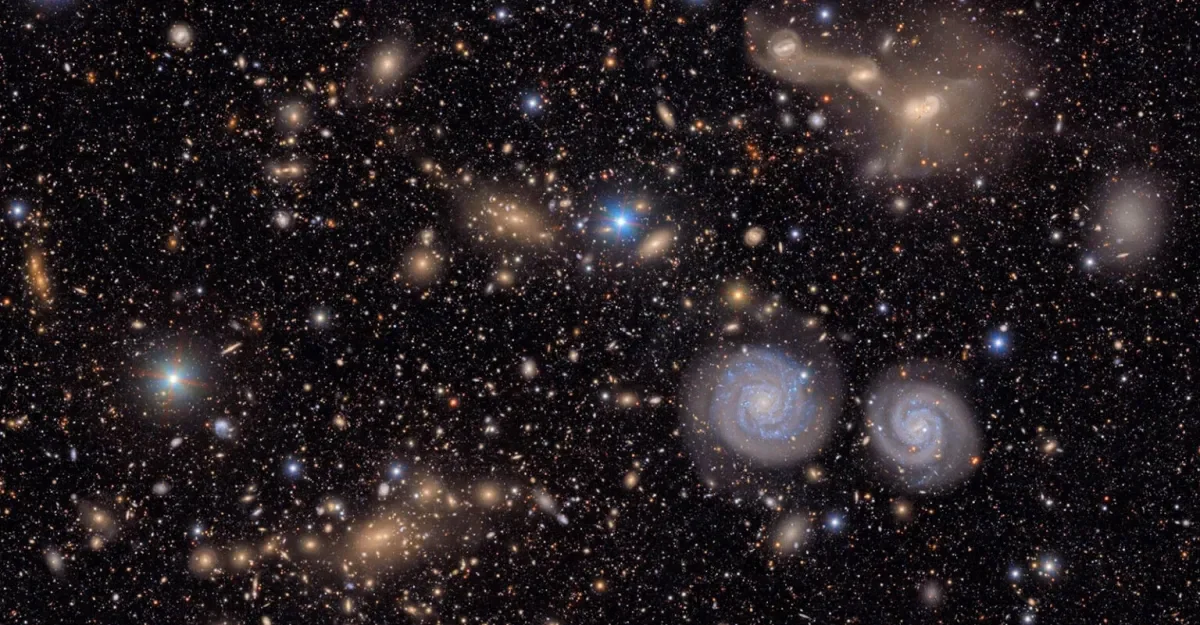
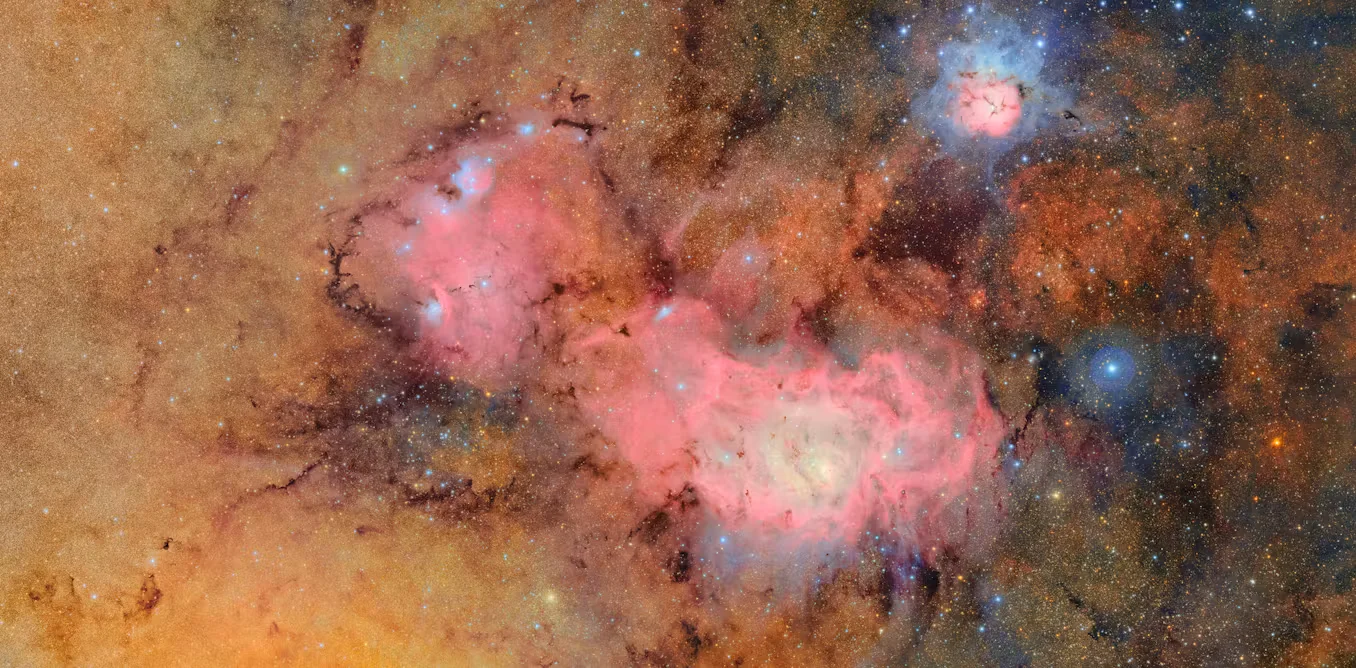
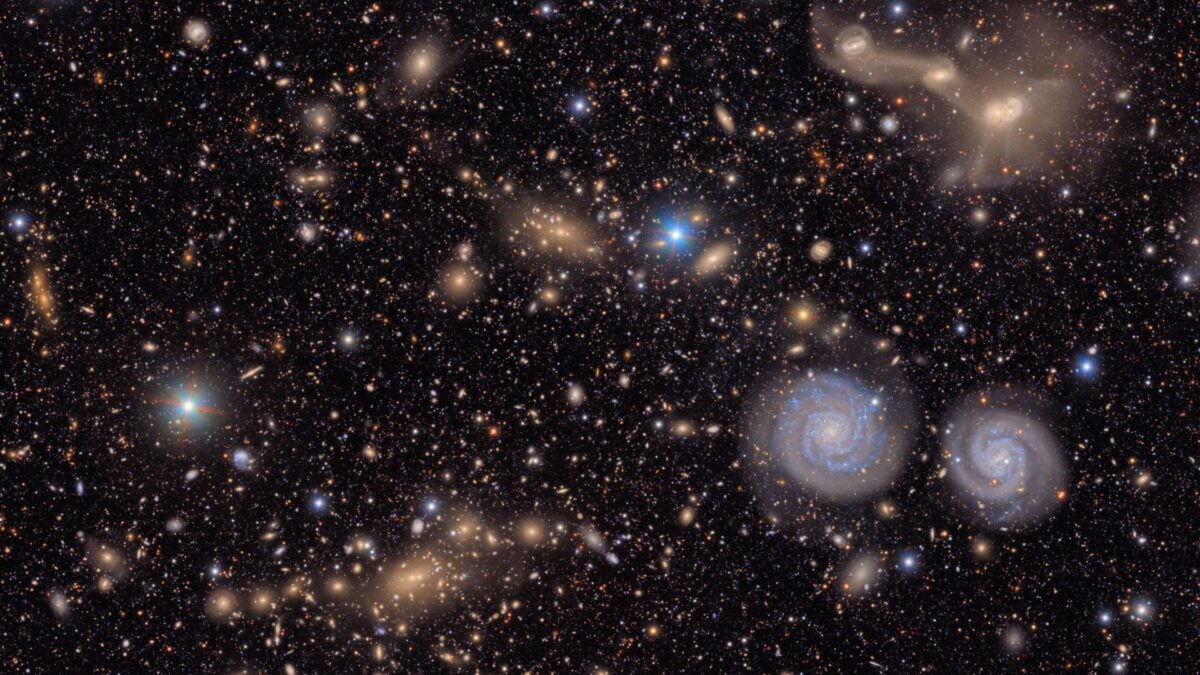
The Vera Rubin Observatory in Chile has taken its first images of the night sky, capturing stunning views of galaxies, nebulas, and stars, and marking a significant step in studying dark matter and faint celestial objects with its advanced 8.4-meter telescope and 3200-megapixel camera.
The first images from the Vera C. Rubin Observatory in Chile have been released, showcasing its potential to revolutionize astronomy, but concerns loom over significant budget cuts to the NSF, which funds the project, potentially impacting its operations and future surveys.
The Rubin Observatory has discovered over 2,000 new asteroids in just a few days, with the potential to find millions more, significantly advancing asteroid tracking and planetary defense capabilities through its high-resolution, rapid imaging of the night sky.
After two decades of development, the 6,600-pound LSST Camera has been successfully transported from California to the Vera C. Rubin Observatory in Chile. This massive camera, the largest ever built for astronomy, will undergo several months of testing before being installed on the Simonyi Survey Telescope. The camera's arrival marks a significant milestone for the observatory, which aims to conduct a decade-long survey of the universe, providing crucial data on dark matter and dark energy.
After nine years and 3.2 billion pixels, the LSST Camera, the largest digital camera for astronomy, is complete and will be the centerpiece of the Vera Rubin Observatory. The camera's 10-year Legacy Survey of Space and Time (LSST) will yield 60 petabytes of data on the universe's composition, dark matter, dark energy, and more. With its 5.1-foot-wide optical lens, the camera will capture a timelapse of the heavens and monitor changes in the southern sky, providing valuable insights into the expansion of the universe and other celestial phenomena. Despite challenges such as light pollution from satellites, the camera is poised to revolutionize our understanding of the cosmos when it begins its exploration of the southern skies in 2025.
The upcoming Vera C. Rubin Observatory, set to begin operations in 2025, will provide a comprehensive view of the cosmos, potentially revolutionizing space exploration by detecting millions of new asteroids, comets, and other celestial bodies. With its advanced capabilities, the observatory is expected to significantly expand our understanding of the solar system and identify potential targets for future space missions. Additionally, it could provide early warnings of interstellar objects passing through our solar system, aiding in the planning and deployment of missions to study these objects in situ.
Astrophysicists are using Type 1a supernovas to study dark energy and the universe's expansion. The Dark Energy Survey collaboration has detected 1,500 of these supernovas using machine learning algorithms, and the upcoming Legacy Survey of Space and Time (LSST) at the Rubin Observatory is expected to discover a million more. This data will help researchers understand the nature of dark energy and its impact on the universe's expansion, potentially revealing new insights into the cosmos.
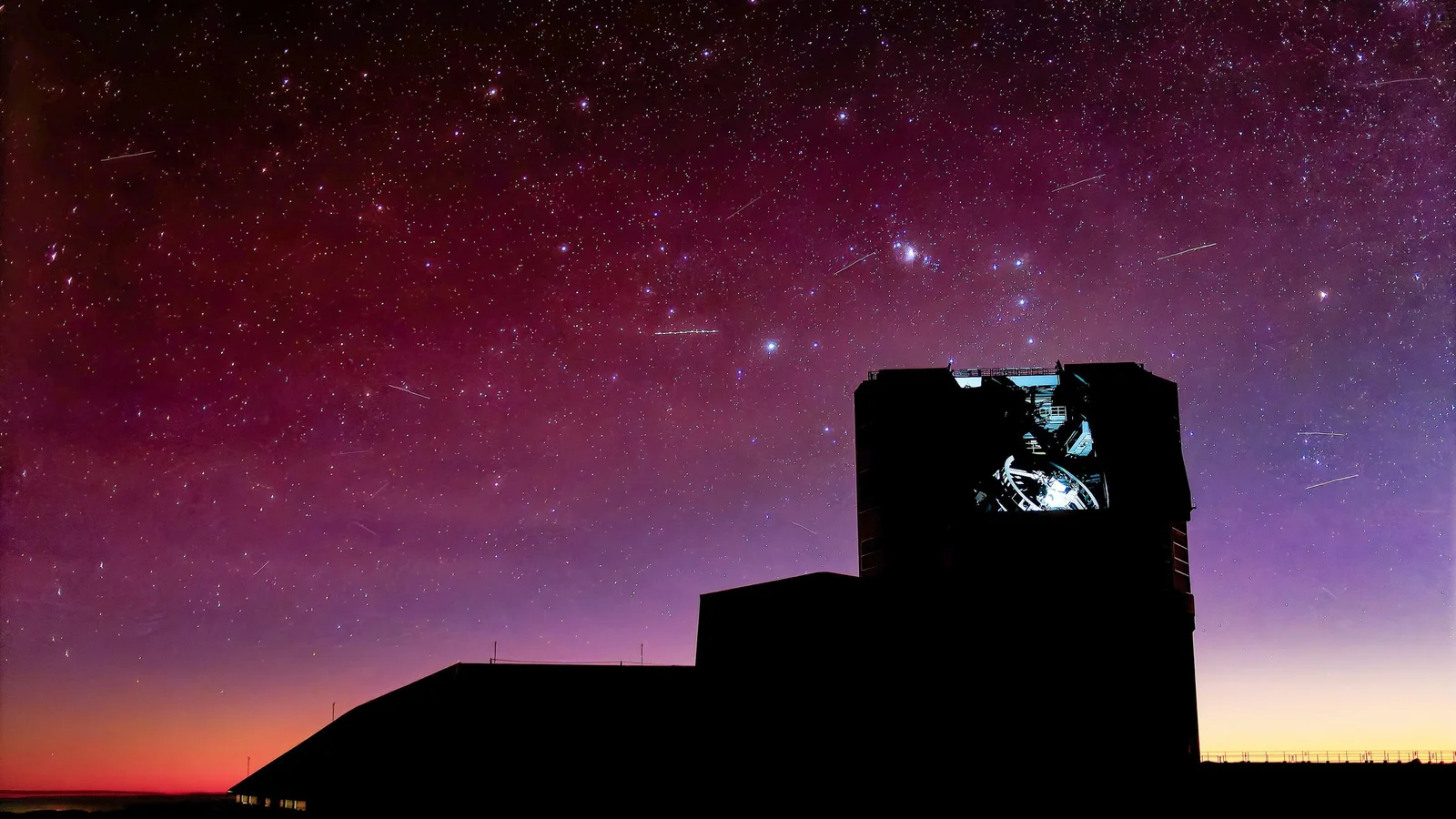
Astrophotographer Petr Horálek captured a stunning 360-degree image of the Vera C. Rubin Observatory in Chile, where the world's largest digital camera will be housed. The observatory, located atop Cerro Pachón, will host the powerful 3,200-megapixel LSST Camera, which will conduct a decade-long survey of the sky, generating 20 terabytes of data nightly. Scientists anticipate the camera will identify asteroids, supernovas, and an estimated 20 billion galaxies and stars, making it a groundbreaking tool for astronomy.