A study conducted by researchers from the University of Ottawa and the University of Pennsylvania has found that a single night of sleep deprivation significantly impairs decision-making processes by dampening neural responses to outcomes. The study, which involved 56 healthy adults, revealed that sleep loss affects both positive and negative emotional reactions, altering risk perception. These findings highlight the importance of adequate sleep, particularly for professionals in high-stress roles, and suggest the need for specialized training or fatigue risk management in such fields.
A study published in the Journal of Medical Ethics suggests that negative sentiments directed towards unvaccinated individuals during the COVID-19 pandemic may be a form of scapegoating. The research found that people were more likely to blame the unvaccinated, regardless of their risk profile, and that liberals were more inclined to scapegoat the unvaccinated compared to conservatives. The study highlights the importance of addressing misinformation and risk misperceptions, as overestimating the threat of COVID-19 can lead to inappropriate responses, social divisions, and unwarranted blame. However, the study's findings may not necessarily apply to populations outside the United States or to samples with different political compositions, and the research did not assess actual behavior towards unvaccinated individuals.
The European Union (EU) has no plans to sever ties with China, but the EU trade chief emphasized that China "could do a lot" to help reduce the perception of risk. The EU has long complained about an uneven playing field and politicization of the business environment in China. China's recent laws, including a foreign relations law and an anti-espionage law, have raised compliance risks for foreign companies. The EU trade deficit with China has widened, and the EU is assessing its dependence on China for raw materials and components. The EU is also investigating whether to impose tariffs on Chinese electric vehicle imports. The EU insists that its de-risking strategy is not protectionist, but China has criticized it as such.
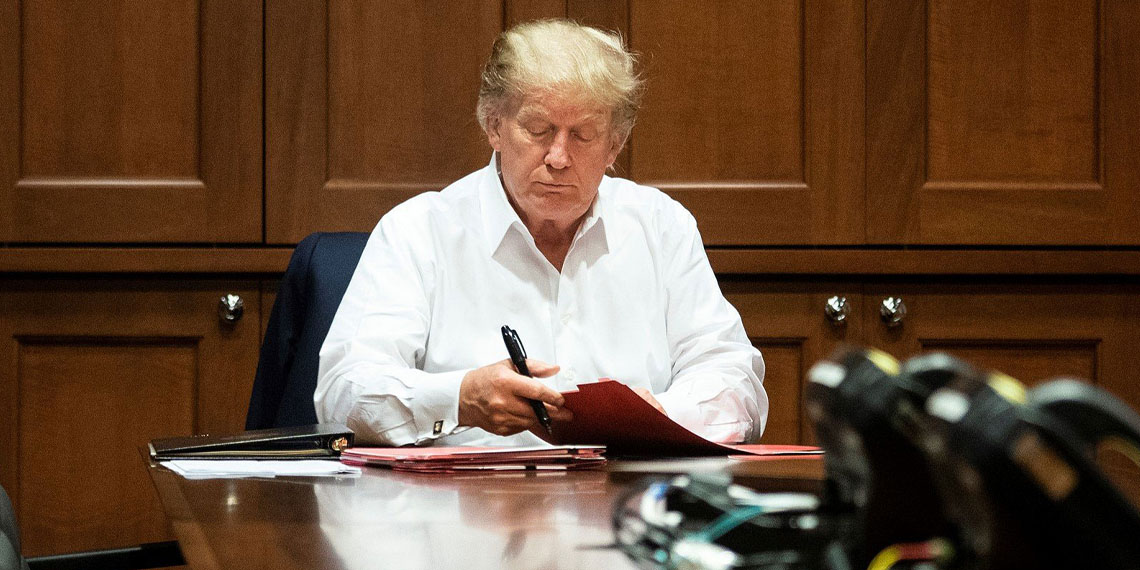
A study published in Royal Society Open Science found that when former President Donald Trump contracted COVID-19, it made conservatives more likely to accept that the virus is real, but it didn't change their views on how dangerous the virus is. The study also found that political orientation was a significant predictor of risk perception, with right-leaning participants expressing lower risk perception. However, the study found no significant association between Trump's diagnosis and risk perception among participants. The study suggests that participants with right-wing political views may have identified more closely with President Trump, making his diagnosis more influential in shaping their hoax beliefs.
Disorder in secondhand retail spaces increases consumer perceptions of risk but also the possibility of finding hidden treasure. Retailers can decrease risk perceptions and increase perceptions of hidden treasure and purchase likelihood by demonstrating high inventory knowledge through their ability to answer customer questions and share the backstories of items. Clear return policies can also help reduce risk perceptions, but they may also reduce hidden treasure perceptions. Secondhand retailers can increase perceptions of hidden treasure and decrease risk by incorporating "hidden treasure" in their shop's name and building community either online or by hosting annual events.
A Rutgers study found that individuals who avoided COVID-19 precautions early in the pandemic are more likely to purchase firearms, particularly among moderate and conservative individuals. The study surveyed 6,404 adults from three states and found that those who engaged in few defensive behaviors to avoid illness were more likely to have purchased firearms since March 2020. The study also found that different communities view and respond to risk differently and that they trust different sources to provide them with information on how to manage that risk.