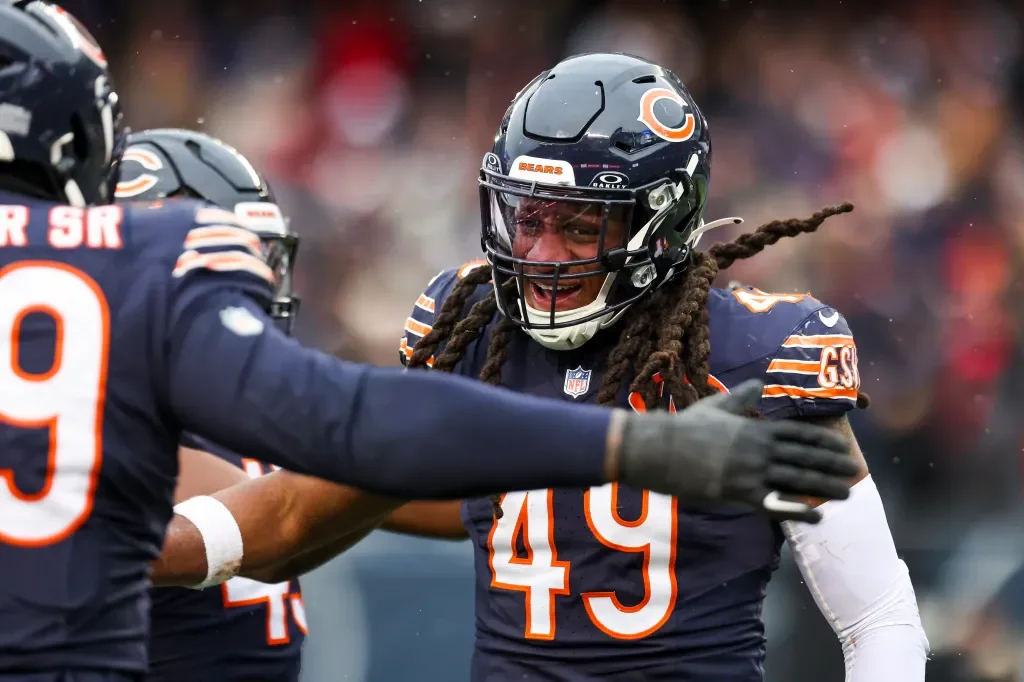
Bears grant Tremaine Edmunds trade window to pursue cap relief
The Bears have given Tremaine Edmunds permission to explore a trade; if no deal materializes, Chicago is expected to release the linebacker to free up salary-cap space.

All articles tagged with #trade
The Bears have given Tremaine Edmunds permission to explore a trade; if no deal materializes, Chicago is expected to release the linebacker to free up salary-cap space.
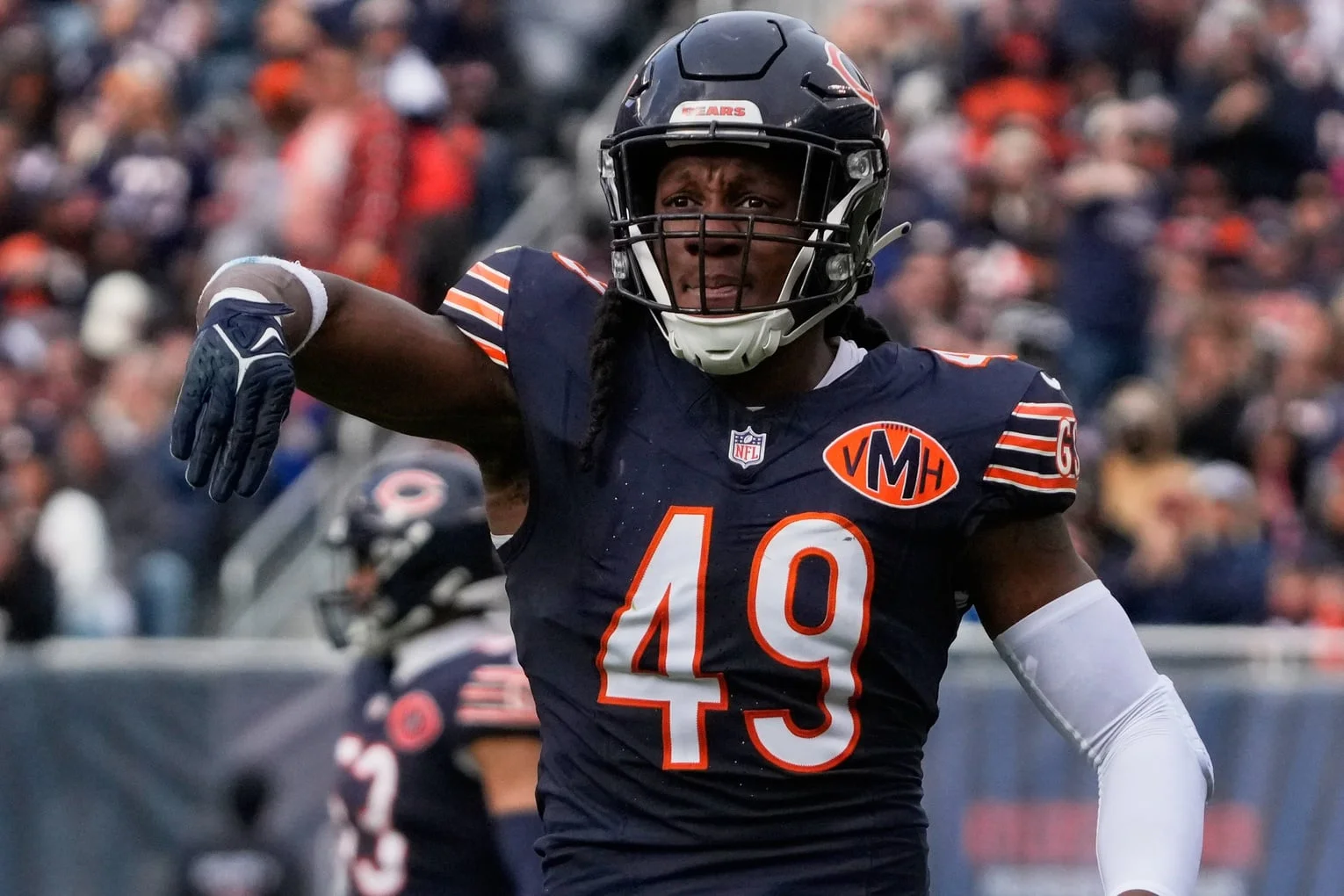
Chicago has granted Tremaine Edmunds permission to seek a trade as the Bears aim to clear roughly $15 million for 2026 and regain cap flexibility; if no deal materializes, Edmunds could be released when the new league year begins. The move signals a broader linebacker retooling after injuries sidelined T.J. Edwards, with Noah Sewell and D’Marco Jackson in play and the team weighing free-agent options (e.g., Demario Davis) alongside a potential early-round focus on linebackers in the 2026 draft (the Bears hold the 25th pick). The goal is to add speed and youth to the position while determining whether to receive draft compensation or cut bait entirely.
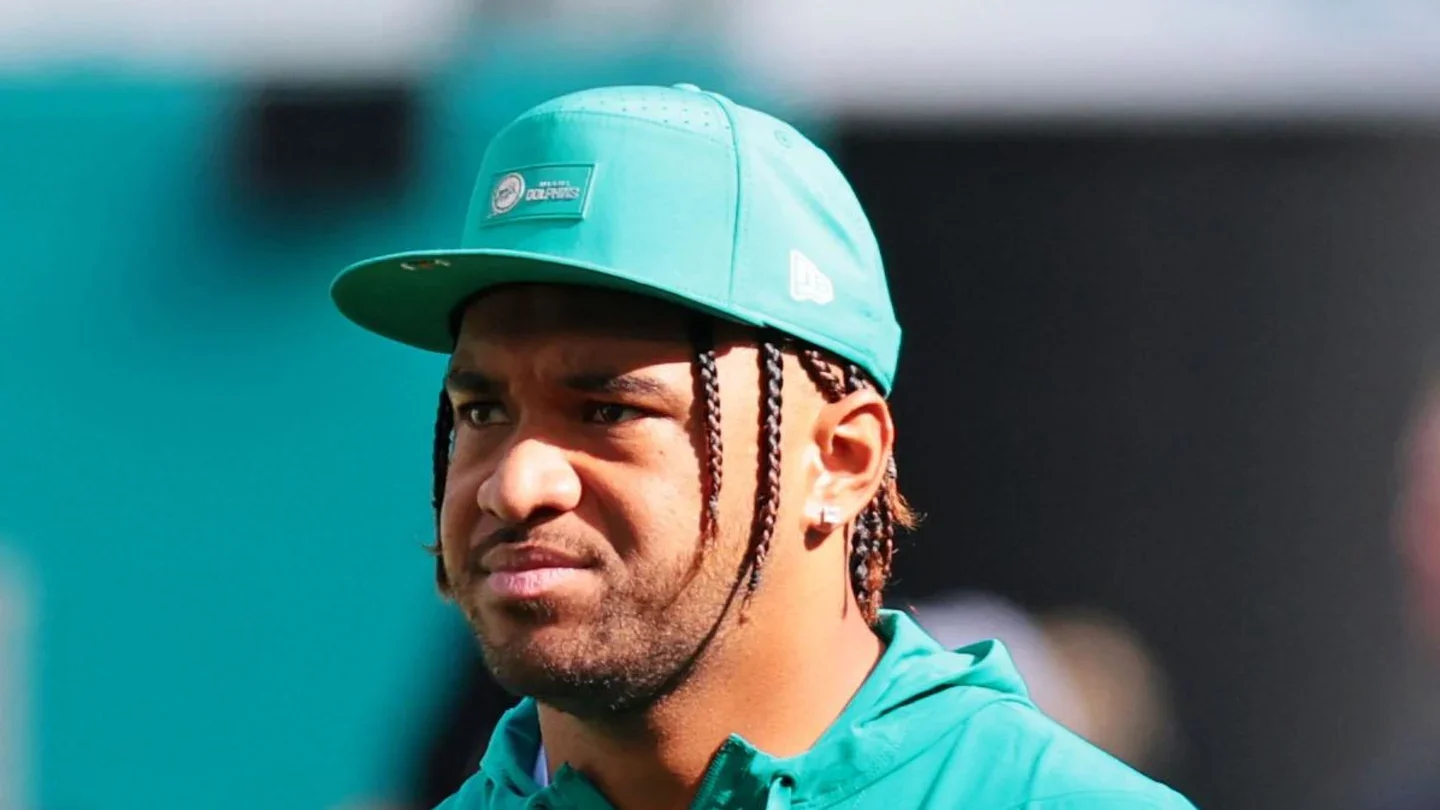
Dolphins GM Jon-Eric Sullivan indicated that everything is on the table, including trading Tua Tagovailoa, signaling Miami’s pursuit of a new franchise QB. The team favors a trade over a release and has discussed options like Quinn Ewers and Malik Willis; Tagovailoa’s return appears unlikely. A post‑June 1 release could be used to absorb the contract, but that route is viewed as improbable, with a potential weekend announcement mentioned.

The Chicago Bears reportedly granted linebacker Tremaine Edmunds permission to seek a trade this offseason. With Edmunds carrying about $15 million due in 2026 and a cap hit over $17 million, a trade would likely bring value back to Chicago, while a release would simply free cap space.
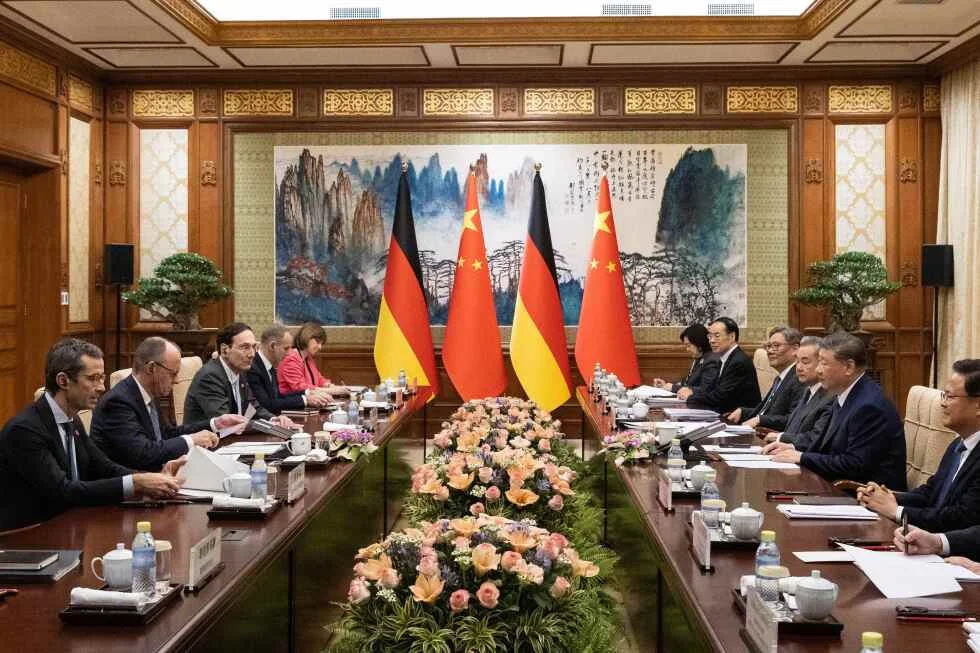
China and Germany pledged to deepen economic ties and strengthen strategic dialogue despite disagreements over Russia’s war in Ukraine, with Xi urging mutual trust and Merz calling for a balanced, fair partnership. Berlin urged Beijing to use its influence on Moscow, while noting a rising German trade deficit with China and pushing for steps to reduce overcapacity, ease barriers for foreign companies, and expand European manufacturing links (including Airbus orders).
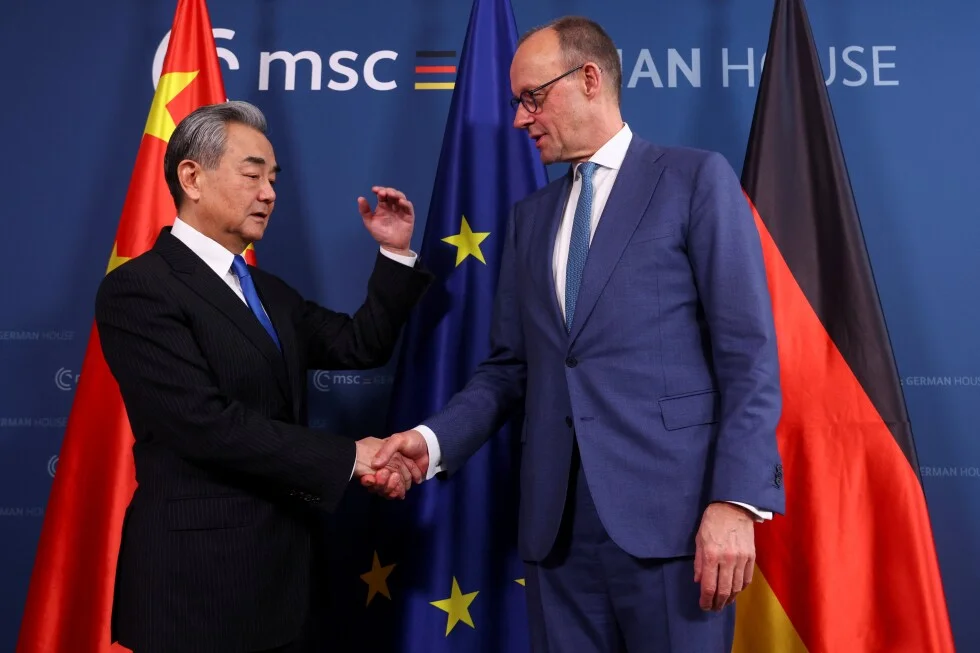
German Chancellor Friedrich Merz begins his first official trip to China with talks in Beijing on market access and a growing trade imbalance, while addressing competition from Chinese firms and Beijing’s stance on the Russia-Ukraine war. He cautions that China should not be expected to reshape the global order, emphasizes Germany’s de-risking of dependence on China, and pursues pragmatic cooperation during a two-day visit that includes Hangzhou and a Mercedes plant, before a planned Washington trip.

Eagles GM Howie Roseman says improving the team won’t come by subtracting players, indicating A.J. Brown’s future isn’t being pursued as a trade; while offers will be listened to, Brown isn’t a priority move for next season.
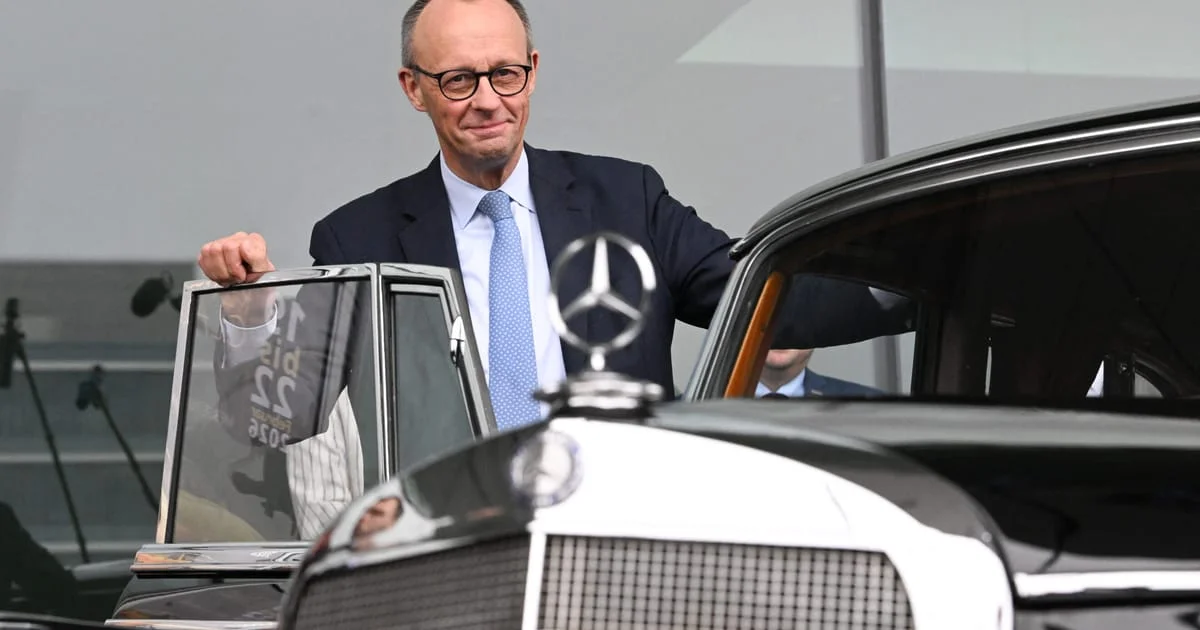
German Chancellor Friedrich Merz travels to Beijing amid the expanding 'China shock' that has turned China from a growth engine into a strategic headache for Germany, with a 2025 trade deficit near €90 billion and about 10,000 manufacturing jobs lost each month; industry leaders call for tougher action on subsidies and de-risking of supply chains, while Merz tries to balance engagement with the risk of rising protectionism in a tense global trade environment.
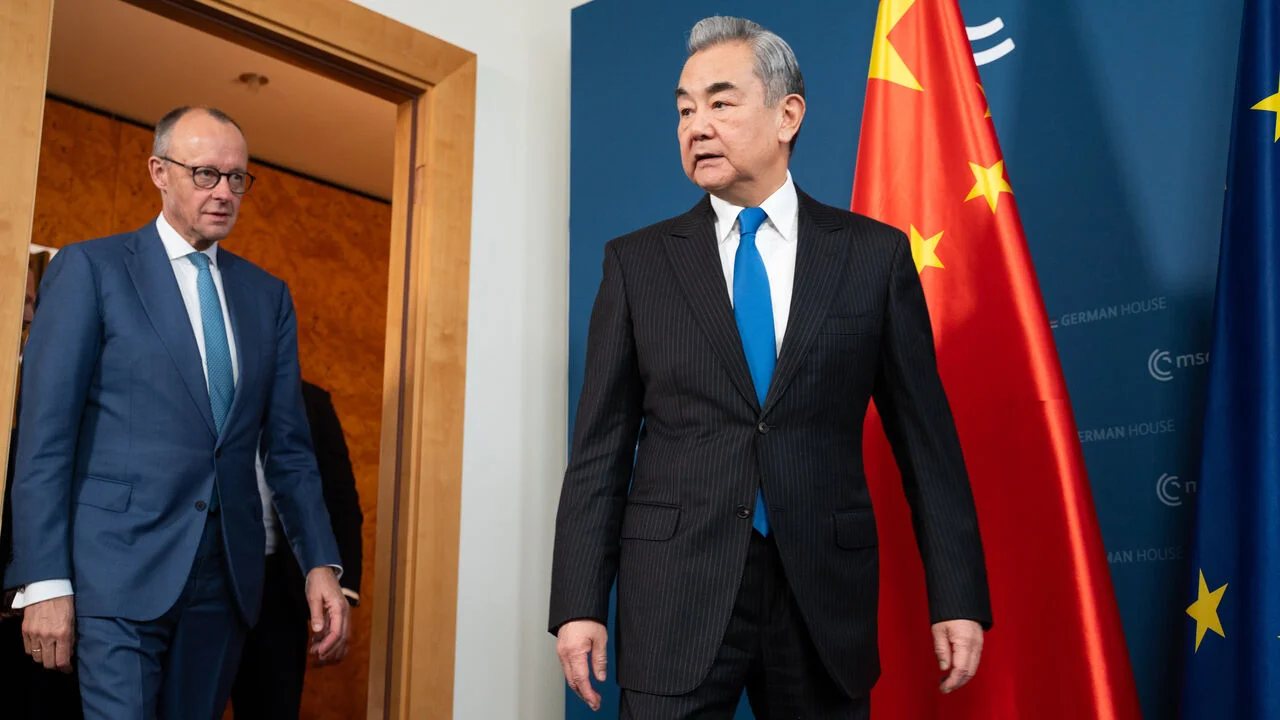
Chancellor Friedrich Merz plans a Beijing trip with a large business delegation as Germany signals a policy rethink toward China: with the Chinese market cooling and German industry increasingly viewing China as a threat to its interests, Berlin faces pressure to voice concerns rather than simply deepen ties.
President Trump signed an executive order to impose a temporary 10% global tariff for up to 150 days under Section 122 of the Trade Act, effective Feb. 24, while preserving existing Section 232 and 301 tariffs; the move follows a Supreme Court ruling that struck down authority under IEEPA for the prior broad tariffs and includes limited exemptions, with ongoing investigations into trade practices and a push to keep the broader tariff policy intact.
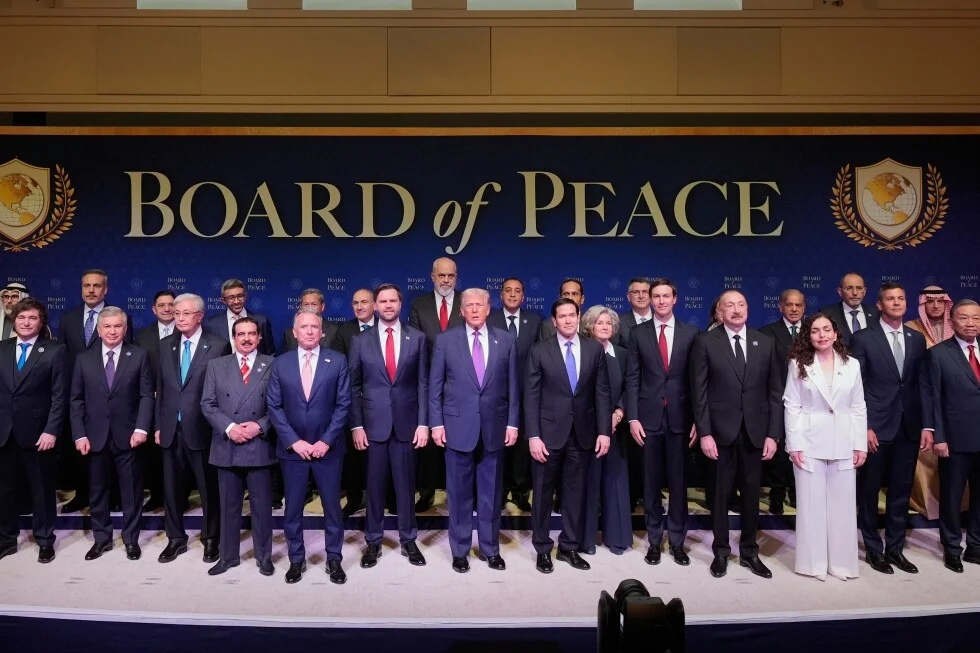
Indonesia and the United States announced a new trade deal during a Washington visit, signaling closer economic cooperation as senior officials including US Secretary of State Marco Rubio led the talks.
The Trump administration finalized a broad reciprocal trade agreement with Indonesia that eliminates tariffs on over 99% of U.S. exports, tackles non-tariff barriers on standards, labeling, and IP, advances digital trade and supply-chain resilience, and includes forced-labor reforms; it also foresees roughly $33 billion in U.S. investment and purchases in energy, aerospace (Boeing), and agriculture, plus a Freeport-McMoRan expansion, with domestic steps expected to bring the agreement into effect.
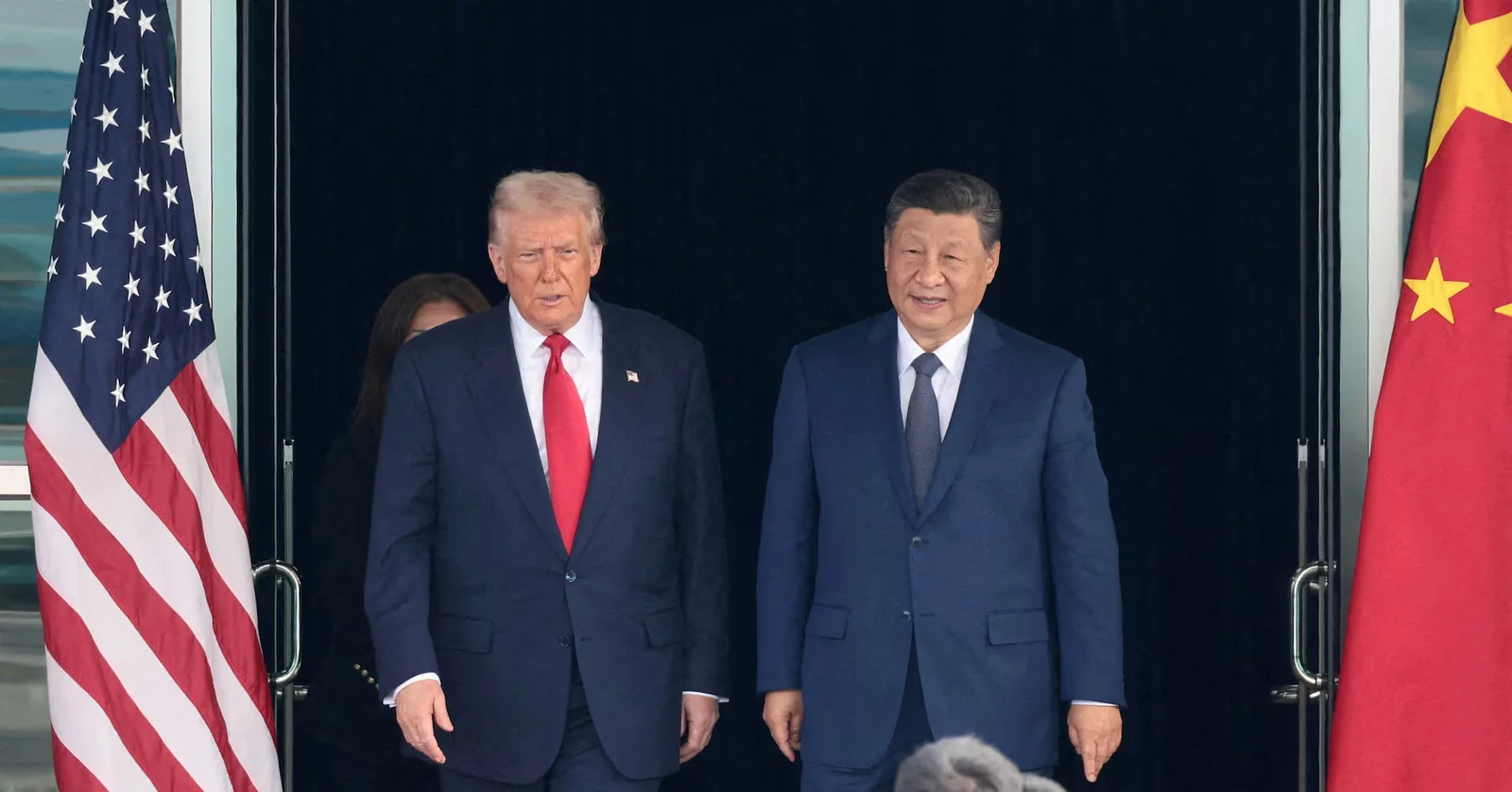
Beijing is leveraging Trump-era tariffs to push about 20 trade deals and deepen ties with major blocs (EU, CPTPP, GCC, Africa) to insulate its $19 trillion economy from U.S. pressure and shape a China-centered multilateral order, though concerns over overproduction and sluggish domestic demand complicate the effort and some partners remain skeptical.

The Boston Herald outlines a bold No. 1 offseason move: trade the Patriots’ 31st overall pick to the Raiders for edge defender Maxx Crosby, who has expressed interest in playing for coach Mike Vrabel. Crosby, 28, has 69.5 career sacks and a 10-sack season in 2025, making him a potential game-changer alongside the Patriots’ front seven. The deal would require significant cap gymnastics and draft capital, but could dramatically strengthen the pass rush as New England pursues a return to contention while Drake Maye remains on a rookie contract.
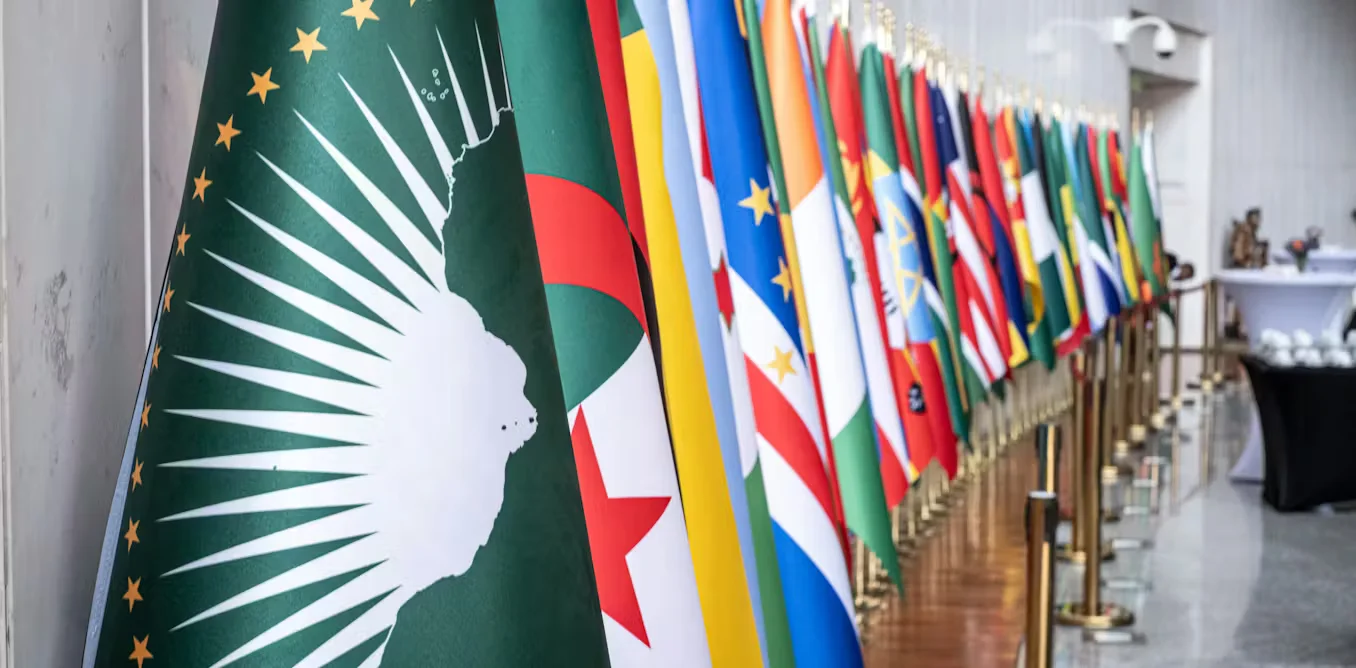
Despite Africa's push to unify through eight regional economic communities and the African Continental Free Trade Area (AfCFTA), progress is slow due to four barriers: lingering colonial dependencies shaping post‑colonial trade patterns; a large informal cross-border economy that remains outside formal blocs; overlapping memberships and colonial-era arrangements that hinder cohesion; and mission creep, with blocs juggling economics, security, and governance without a clear shared priority.