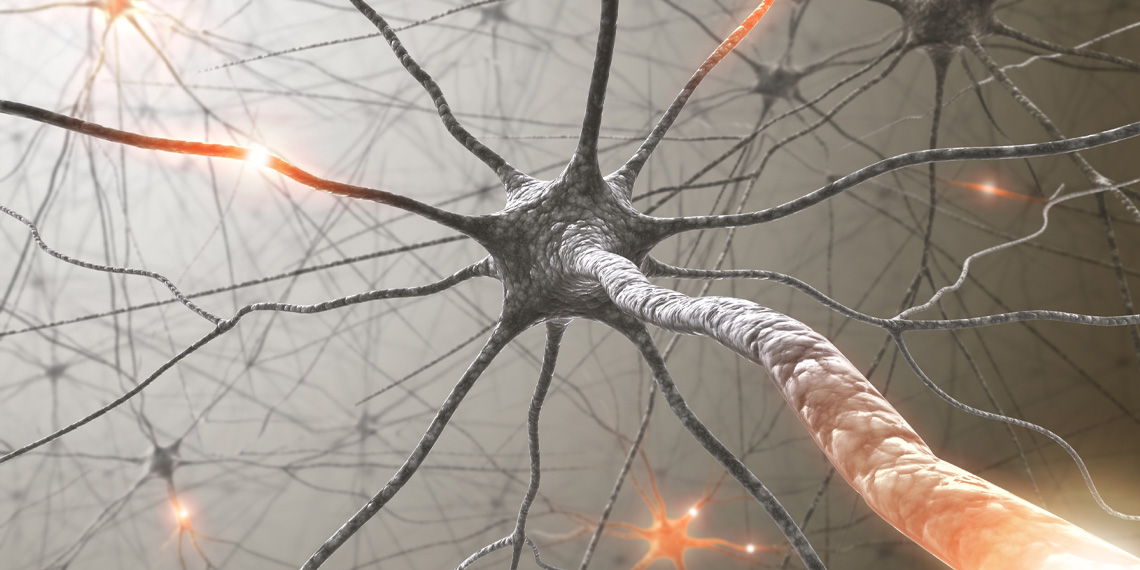
A study shows that despite individual differences in neural activity, humans share a common relational structure in brain responses that explains how we perceive the world similarly, which could inform AI development.
A recent study published in Developmental Science suggests that infants whose mothers engage more sensitively with them during play exhibit heightened brain activity in response to happy faces, particularly in the dorsolateral prefrontal cortex. The findings highlight the link between early caregiving experiences and later emotional and social competencies, emphasizing the importance of positive maternal behaviors in shaping infant brain responses to emotional cues. However, the study's limitations include a relatively small and homogeneous sample size, as well as the need for future research to explore the role of other caregivers in a child's life.
A study conducted by researchers from the University of Ottawa and the University of Pennsylvania has found that a single night of sleep deprivation significantly impairs decision-making processes by dampening neural responses to outcomes. The study, which involved 56 healthy adults, revealed that sleep loss affects both positive and negative emotional reactions, altering risk perception. These findings highlight the importance of adequate sleep, particularly for professionals in high-stress roles, and suggest the need for specialized training or fatigue risk management in such fields.
A recent study published in Nature Communications used direct neuronal recordings to gain insights into face recognition in the midfusiform gyrus of the brain. The study found that neurons in this region exhibit diverse responses, with some responding to faces, others to places, and some to both. Surprisingly, there were no significant differences in the responses to familiar and unknown stimuli, challenging previous assumptions. However, a deeper analysis revealed that the collective activity of midfusiform neurons enabled the reliable discrimination of familiar and unknown faces at the population level. The study provides valuable information about how individual neurons encode faces and highlights the need for further research in this area.
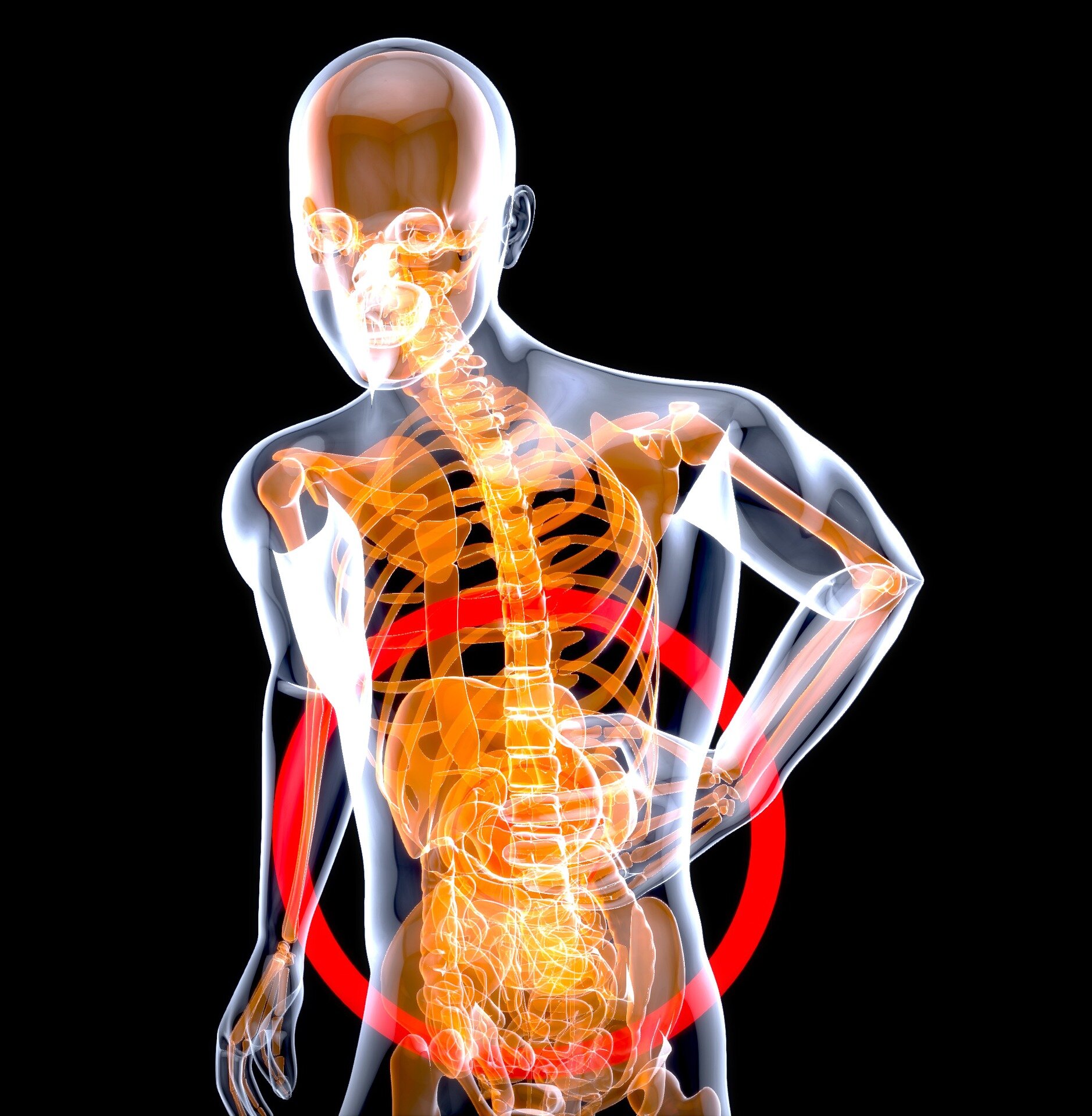
Researchers at the Laureate Institute for Brain Research have made significant strides in understanding the gut-brain connection by using a vibrating capsule ingested by participants to directly measure neural responses during gastrointestinal stimulation. The study introduced a novel approach to exploring the gut-brain connection using a vibrating capsule developed by Vibrant Ltd. to stimulate the gastrointestinal tract. The researchers discovered the “gastric evoked potential,” a late neural response in the brain induced by the capsule’s stimulation, offering a new way to understand gut-brain interaction. The methodology and results could transform the clinical approach to disorders of gut-brain interaction, providing a tool for assessing gut sensation and paving the way for more personalized treatment strategies.
Researchers at the Laureate Institute for Brain Research have made breakthroughs in understanding the gut-brain connection using a novel vibrating capsule for gastrointestinal stimulation. The study suggests the potential for a revolutionized approach to gut-brain disorders, including personalized treatments and predictive markers for interventions. The researchers successfully had participants swallow a minimally invasive vibrating capsule to measure neural responses during gastrointestinal stimulation, providing a novel approach to study this intricate connection. The researchers also discovered the “gastric evoked potential,” a late neural response in certain areas of the brain specifically induced by capsule stimulation. This discovery provides a new way to measure and understand the neural processes governing the gut-brain connection.
Researchers at the Laureate Institute for Brain Research have successfully used a minimally invasive vibrating capsule to measure neural responses during gastrointestinal stimulation, providing a novel approach to study the gut-brain connection. The capsule was developed by Vibrant Ltd. and participants in the study included healthy adult male and female volunteers ages 18-40. The researchers discovered the "gastric evoked potential," a late neural response in certain areas of the brain specifically induced by capsule stimulation, providing a new way to measure and understand the neural processes governing the gut-brain connection. The vibrating capsule method could transform the clinical approach to disorders of gut-brain interaction, including eating disorders and certain gastrointestinal disorders such as irritable bowel syndrome (IBS) or functional dyspepsia.