Tag

Ribosomes

All articles tagged with #ribosomes

health1 year ago

Revolutionary Cancer Fingerprint Enhances Early Tumor Detection

Researchers have developed a new technique to detect cancer early by identifying unique molecular 'fingerprints' in ribosomal RNA, using portable scanners with near-perfect accuracy. This method, which distinguishes between healthy and cancerous tissues, could lead to non-invasive diagnostic tools that require only blood samples. The study highlights the potential of nanopore direct RNA sequencing to revolutionize cancer diagnostics by capturing chemical modifications in rRNA, offering a promising approach for early detection and treatment.

science1 year ago

Innovative Strategies to Tackle Antibiotic Resistance

Researchers at UC San Diego have identified a vulnerability in antibiotic-resistant bacteria that could be exploited to combat these strains without drugs. The study found that antibiotic-resistant bacteria, such as Bacillus subtilis, face a physiological cost due to competition for magnesium ions between mutant ribosomes and ATP molecules. This competition hinders the growth of resistant strains, suggesting that targeting magnesium availability could suppress antibiotic resistance. This approach offers a potential drug-free method to manage resistant bacteria, addressing a growing public health crisis.

science-and-research1 year ago

"UFM1 E3 Ligase: Releasing 60S Ribosomes from ER Translocons"

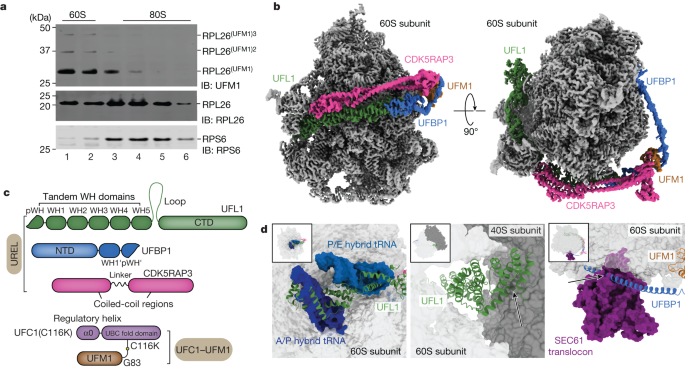
The UFM1 E3 ligase complex, UREL, recognizes and releases 60S ribosomes from the endoplasmic reticulum (ER) translocons. It preferentially UFMylates free 60S ribosomal subunits, with the main target being the 60S ribosomal-subunit protein RPL26. The cryo-electron microscopy (cryo-EM) structure of the UREL complex bound to 60S ribosomes reveals its clamp-like architecture and its interaction with ribosomal proteins. The UREL complex uses a scaffold-type mechanism to bind to charged UFC1~UFM1 before transferring UFM1 onto a substrate lysine. The study sheds light on the mechanism of this unusual E3 ligase and its role in the release of stalled and terminated ribosomes from the SEC61 translocon.

science-and-technology2 years ago

Unveiling the Origins of a Crucial Natural Molecule

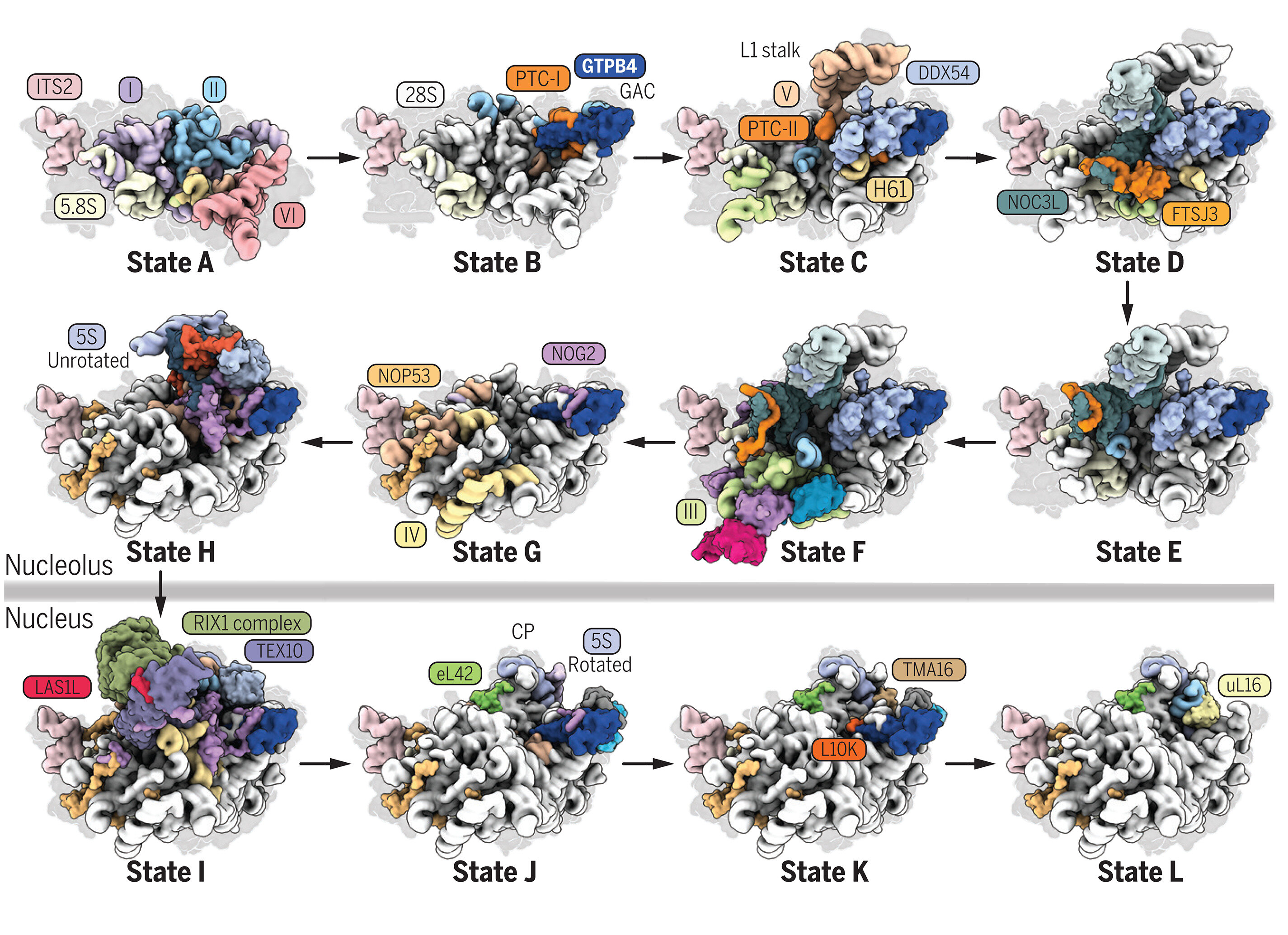
New high-resolution images obtained through cryo-electron microscopy have provided insights into the assembly of the large subunit of human ribosomes, shedding light on the formation of one of nature's most fundamental molecules. The study, which identified key steps and intermediates in the assembly process, could have implications for understanding cellular metabolism and diseases associated with ribosome mutations. The findings represent a significant advancement in our understanding of ribosome assembly and provide a foundation for further research in this field.

science-and-technology2 years ago

Harnessing Ribosomes: Unlocking the Potential of Chemical Libraries

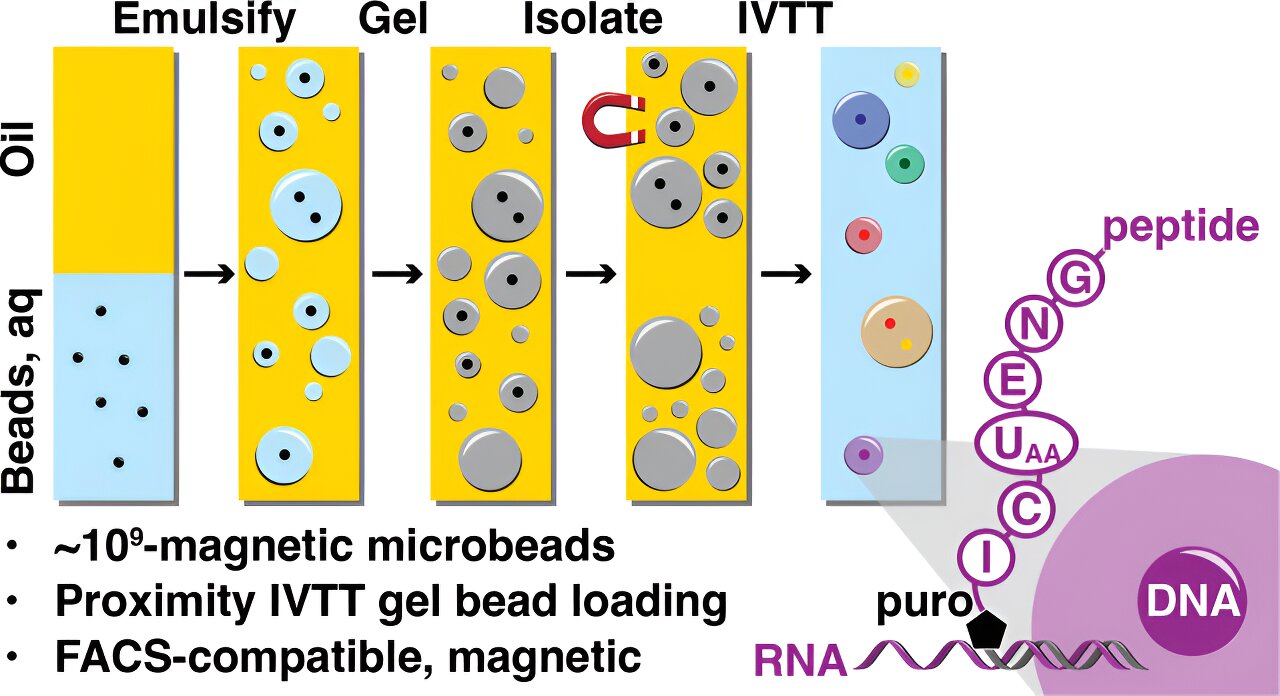
A research team at the University of California, Irvine has developed a new method for creating large collections of chemical compounds used in drug discovery by utilizing ribosomes, the molecules responsible for protein synthesis. This innovative technique replaces the labor-intensive process of manually synthesizing and screening chemical libraries, allowing for the rapid discovery of new drugs. The team successfully generated gel beads containing ribosomes, RNA polymerase, and DNA cores that encode specific peptide molecules. This approach enables the synthesis and screening of vast libraries in parallel, advancing pharmaceutical discoveries and potentially benefiting other fields such as enzyme engineering and material development.

science-and-technology2 years ago

"The Evolutionary Origins of a Nucleolar Component Unveiled by Study"

MIT biologists have discovered that a protein called TCOF1 is responsible for the formation of a condensate within the nucleolus, a cell organelle involved in building ribosomes. The researchers found that TCOF1 is essential for the transition from a bipartite to a tripartite nucleolus, which occurred around 300 million years ago. The study suggests that TCOF1 acts as a scaffold protein, helping to organize the nucleolus and attract other proteins and biomolecules. The findings shed light on the evolution of biomolecular condensates and could have implications for understanding diseases associated with their formation.

science-and-technology2 years ago

Unveiling the Formation of Nature's Fundamental Molecule

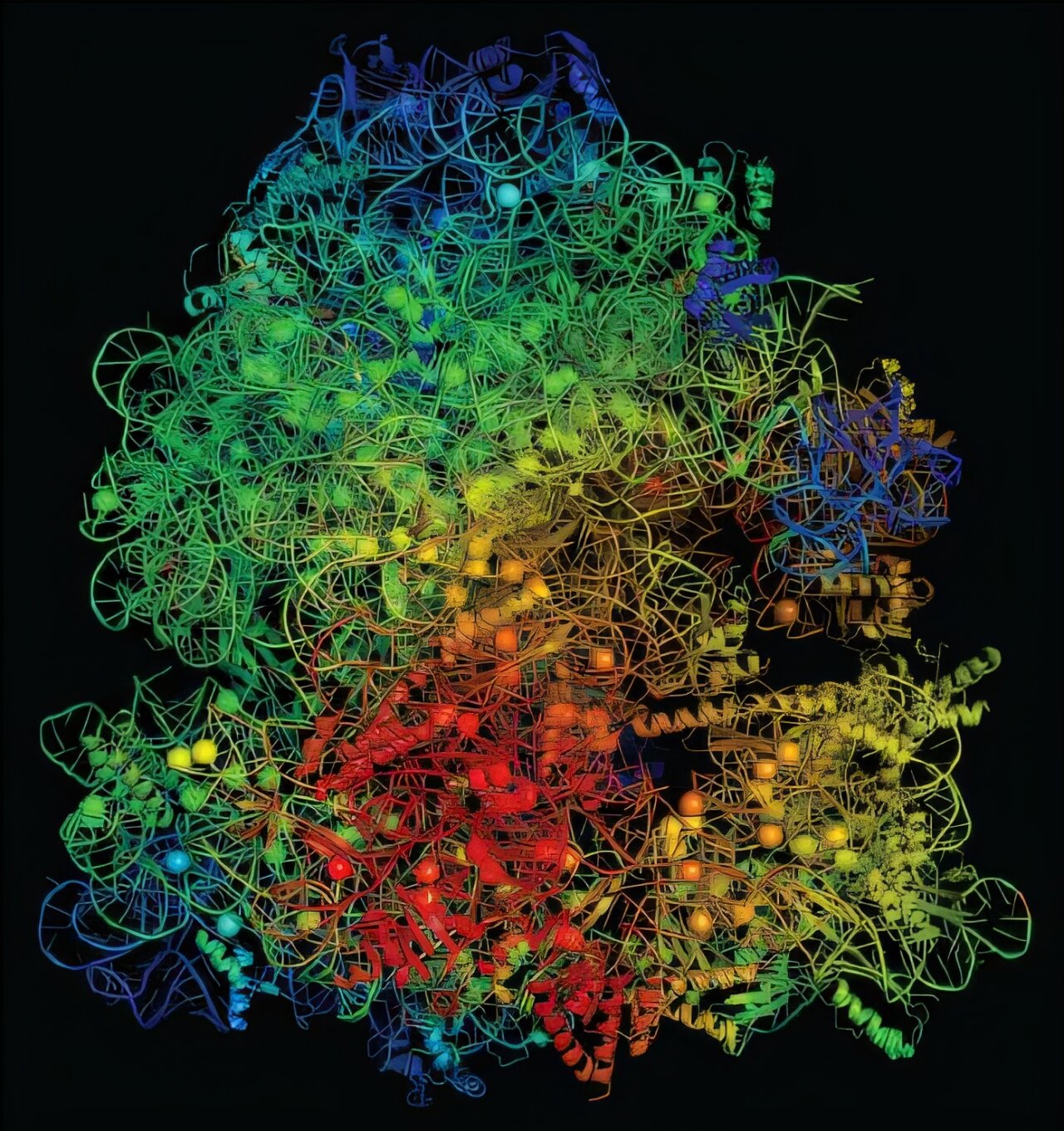
New high-resolution images of the large ribosomal subunit have provided insights into the assembly of one of nature's most fundamental molecules, ribosomes, in human cells. The study used cryo-electron microscopy to capture the formation and maturation of the human large ribosomal subunit (60S) and identified various proteins and enzymes that interact with RNA elements during the assembly process. The findings offer a near-complete picture of how the human large subunit assembles and could have implications for understanding cellular metabolism and diseases linked to ribosome mutations.

science2 years ago

Uncovering a Mechanism for Healthy Aging of Cells.

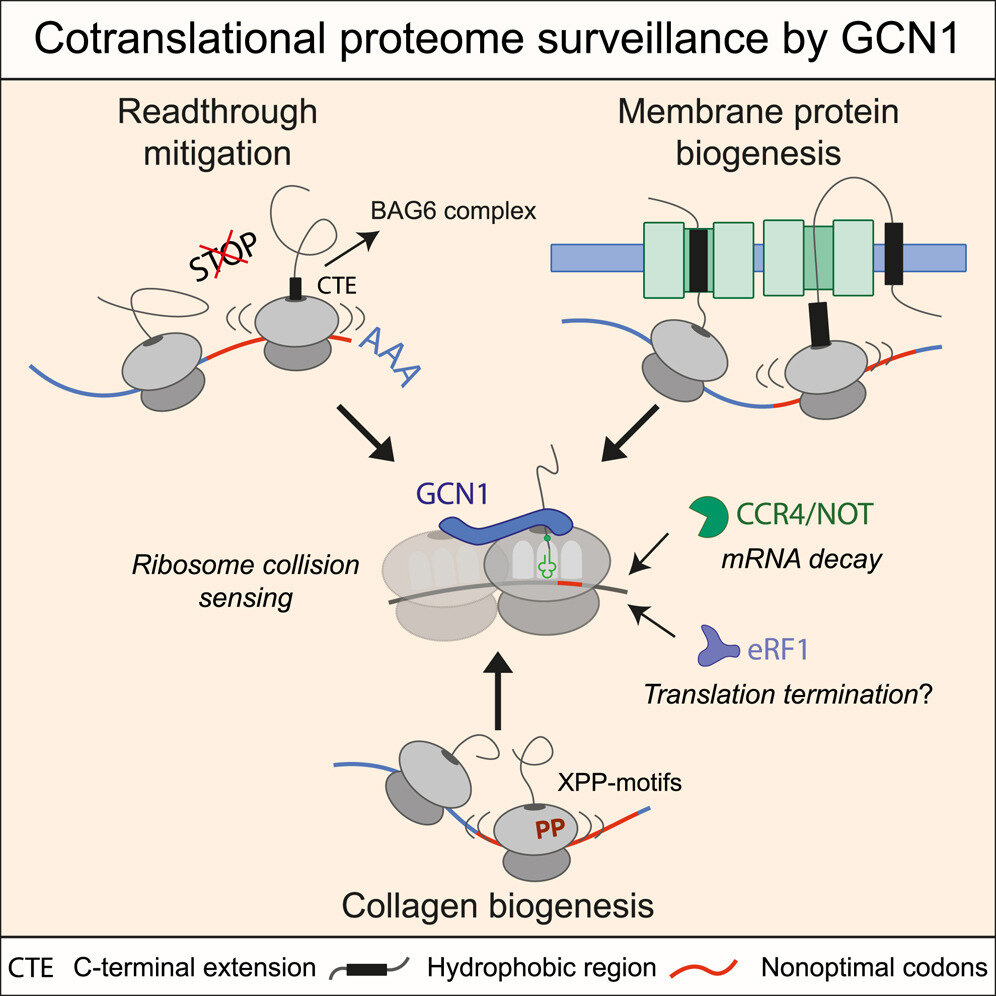
Researchers have discovered a new mechanism that initiates the targeted degradation of defective proteins, which can accumulate to form protein clumps and trigger neurodegenerative diseases. The protein GCN1 plays a crucial role in this process, acting like a firefighter to stabilize and secure the site of ribosome collisions and call for the removal of defective proteins. The malfunction of GCN1 can shorten the life expectancy of organisms and promote neurodegenerative diseases. The study provides insights into how to reduce the age-related accumulation of defective proteins and prevent neurodegenerative diseases.

science2 years ago

Expanding Cell's Chemical Repertoire through Translation Machine Retooling

A multi-university group of chemists is working to retool the cell's polypeptide manufacturing plants to generate polymer chains that are more elaborate than what can now be made in a cell or a test tube. The ultimate goal is to make the translation system fully programmable, so that introducing mRNA instructions into the cell along with new building blocks will allow the ribosome to produce an unlimited variety of new molecular chains. These chains could form the basis for new bio-materials, new enzymes, even new drugs.

science2 years ago

Illuminating Human mRNA Decoding Mechanism.

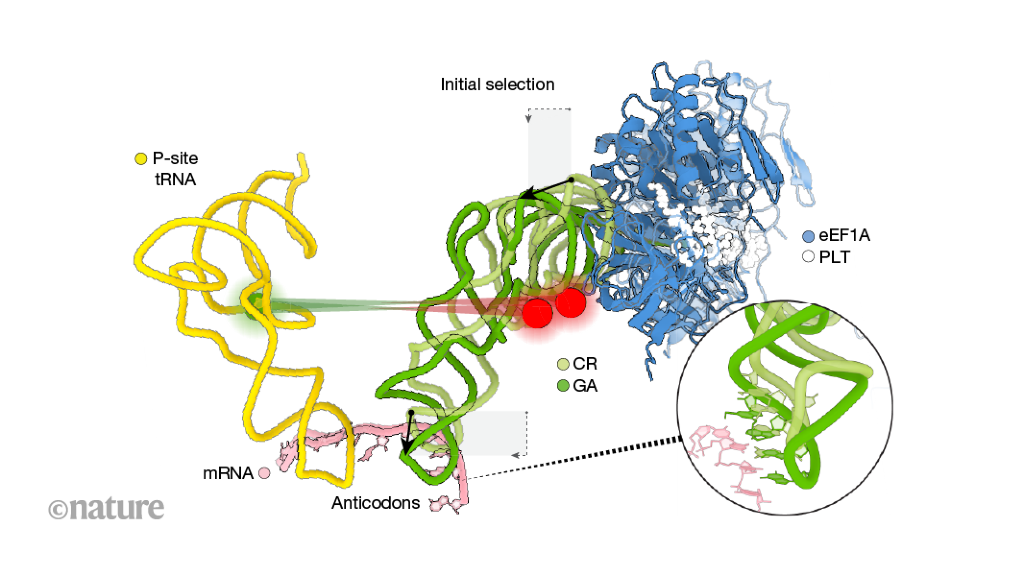
Researchers have used single-molecule imaging and cryo-electron microscopy techniques to investigate the mechanism of messenger-RNA decoding in humans and found that human ribosomes function differently than those of bacteria, explaining why they are slower and more accurate. Ribosomes use messenger-RNA sequences to synthesize proteins, and these findings shed light on the structural and kinetic differences in this process between cell-nucleus-bearing species and bacteria.