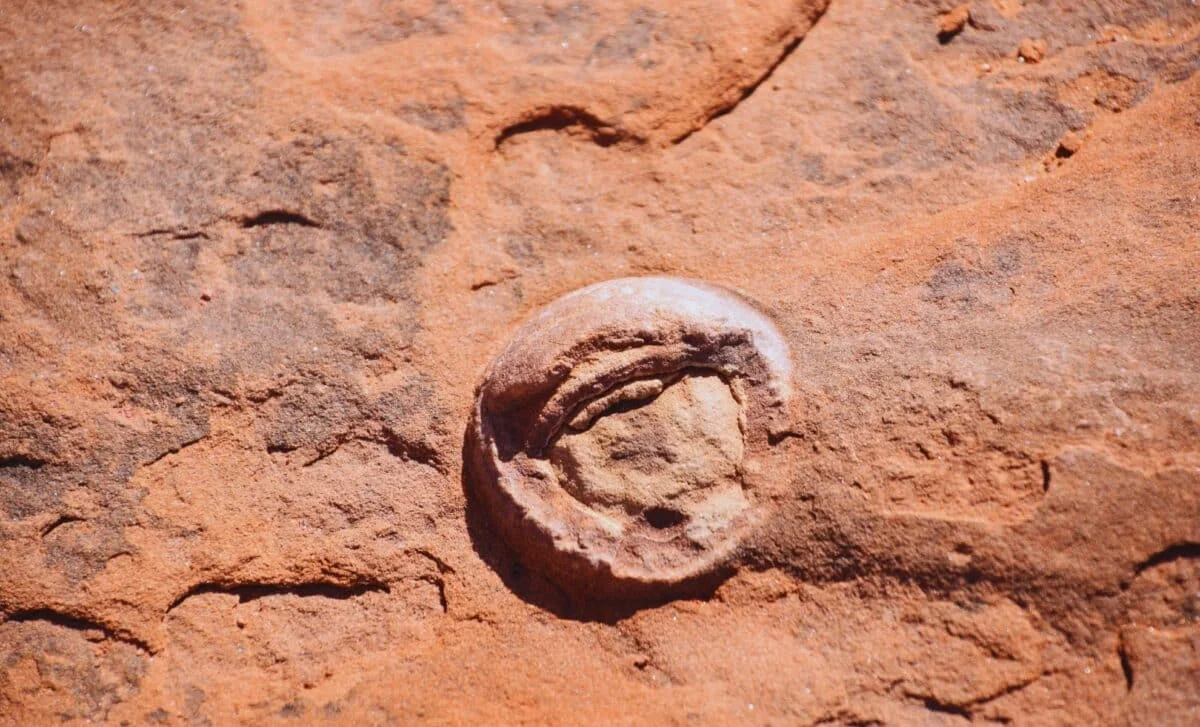
Paleontologists in India discovered the first dinosaur egg containing another egg, a condition previously known only in birds, suggesting similarities in reproductive anatomy between titanosaurs, birds, and crocodiles, and providing new insights into dinosaur biology.
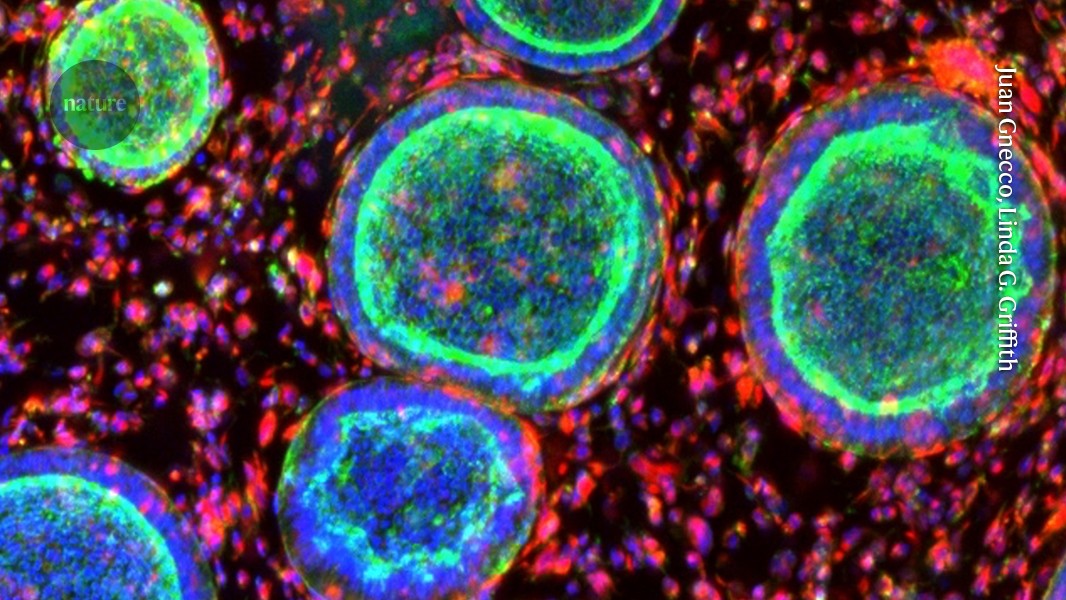
Scientists are developing mini organoids of the placenta, ovaries, and uterine lining to better understand women's reproductive health, addressing limitations of animal models and exploring conditions like pre-eclampsia and endometriosis, with potential to revolutionize diagnosis and treatment.
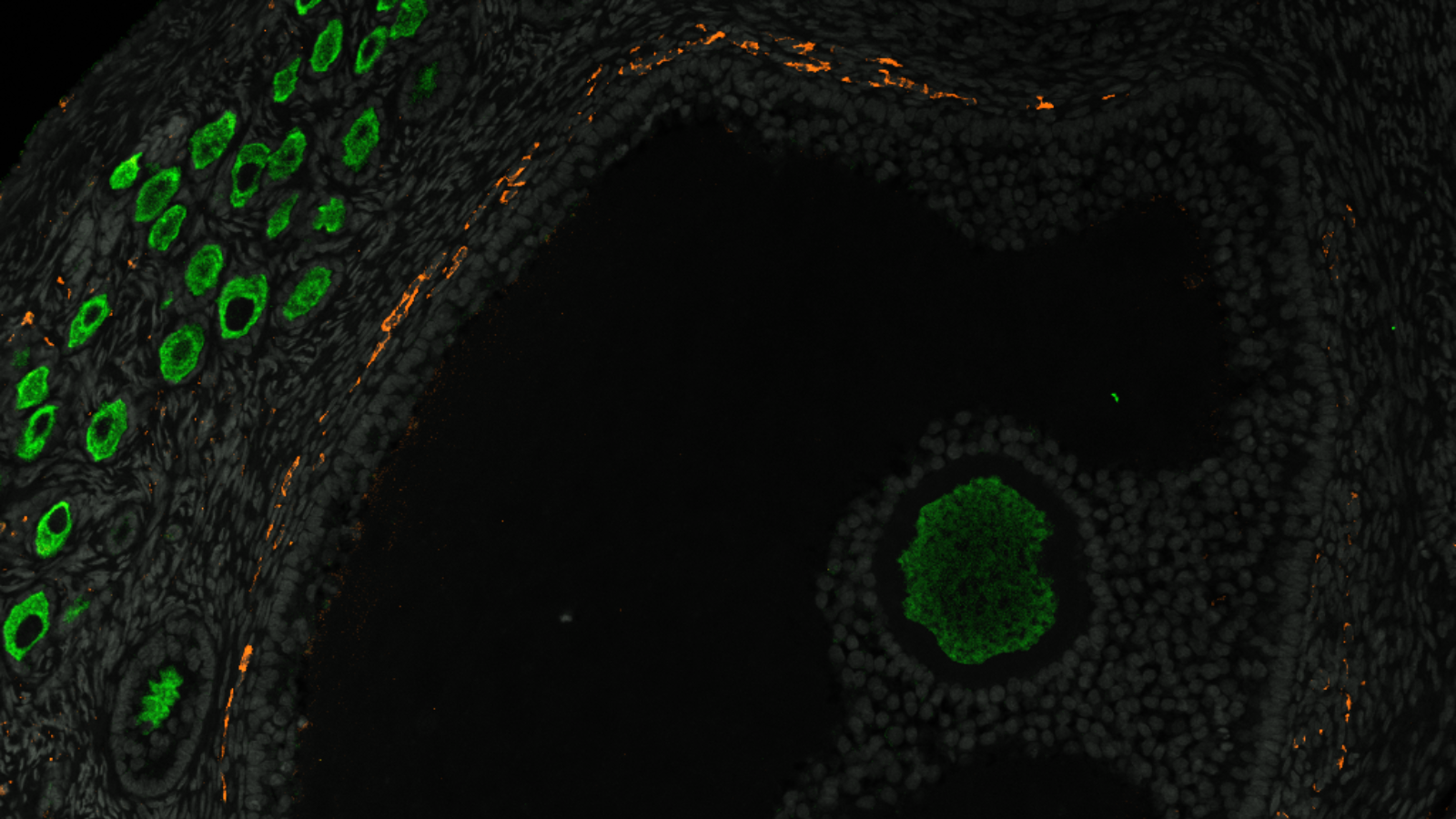
Scientists have mapped the development of the ovarian reserve in primates, revealing critical stages and genes involved in egg cell formation, which could improve understanding of reproductive diseases like PCOS and fertility issues.
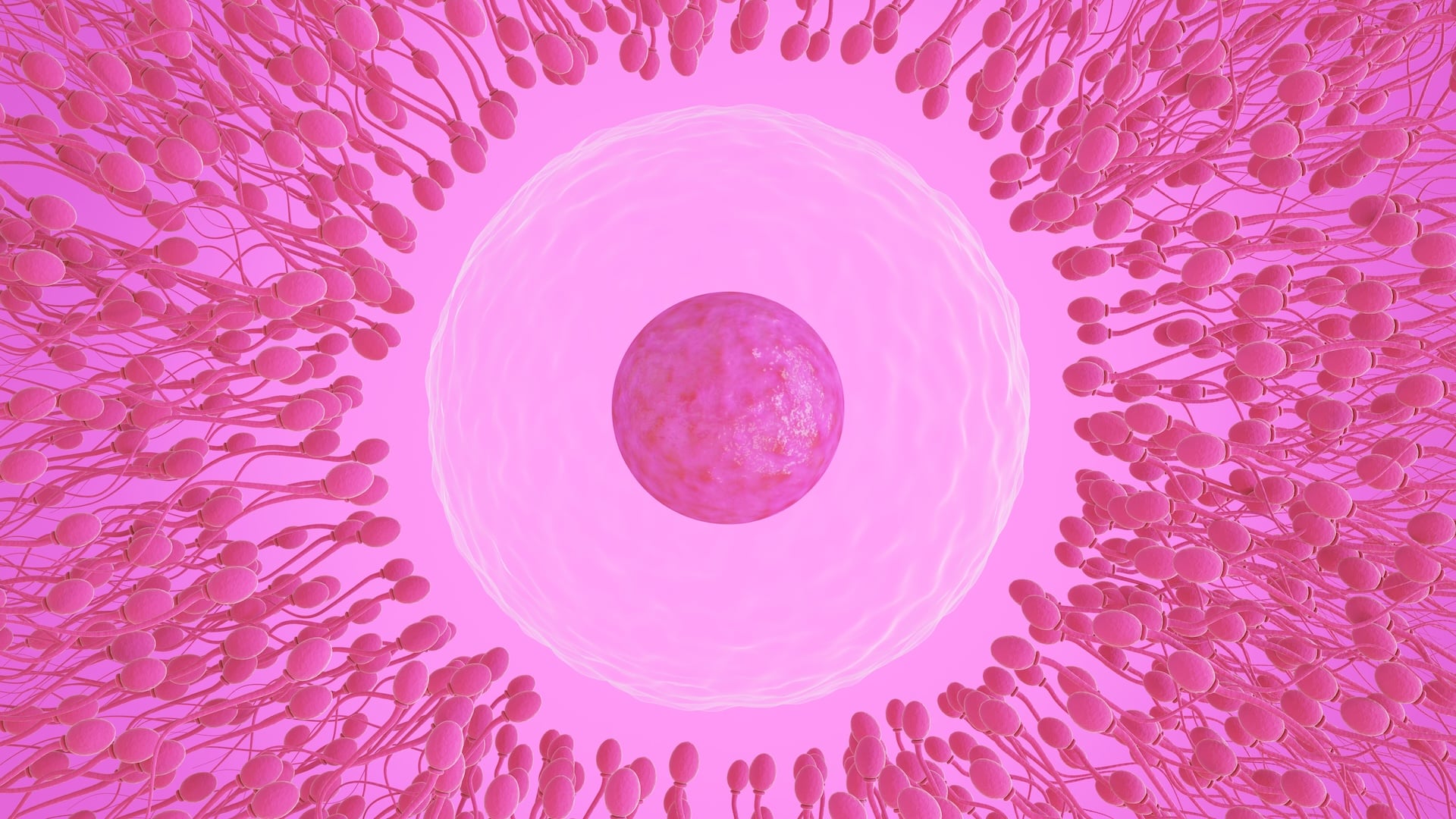
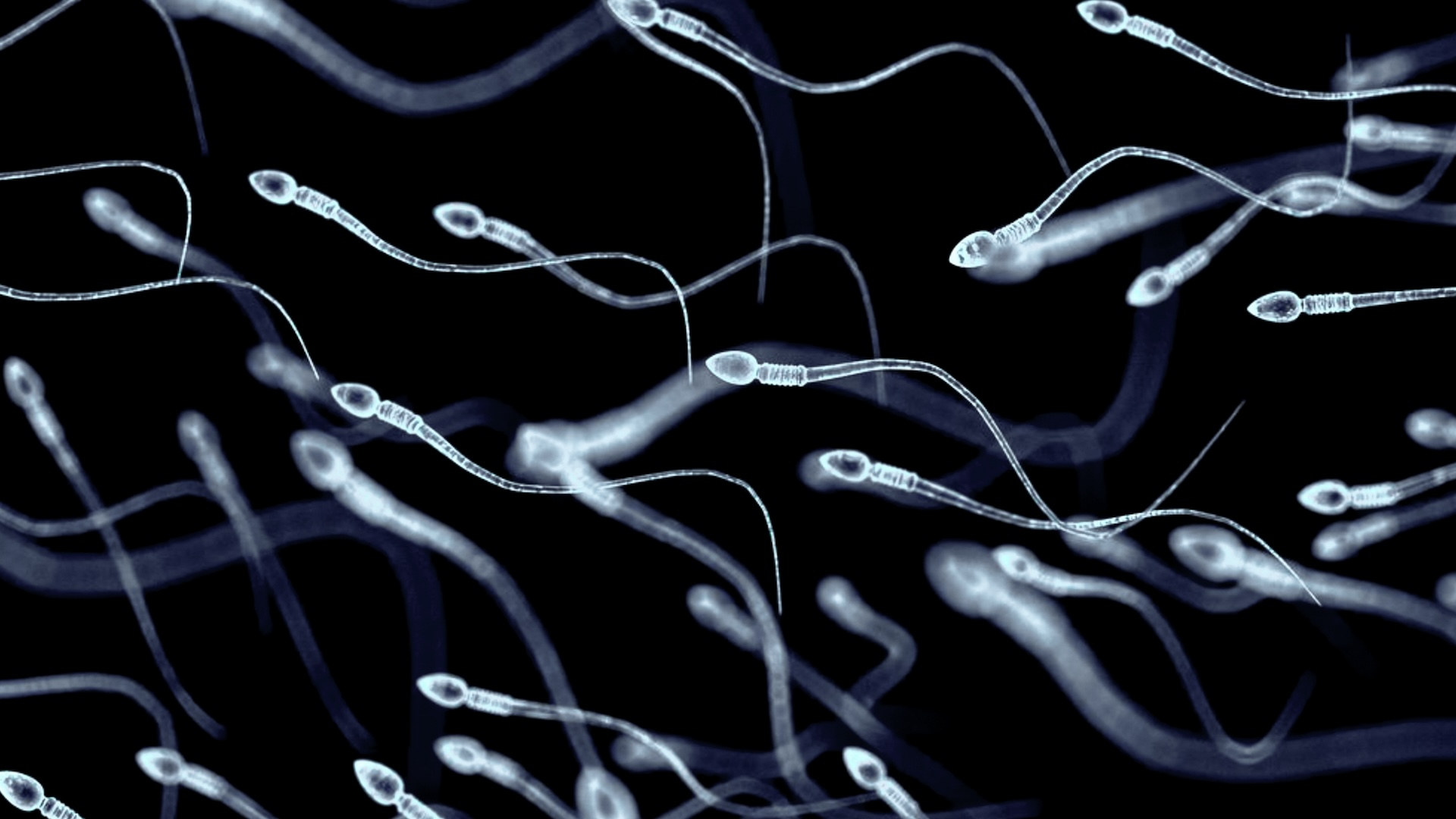
The article debunks the myth of 'racing sperm' by explaining that eggs, not sperm, are the active decision-makers in fertilization, selectively attracting or rejecting sperm based on biological cues, challenging long-held cultural narratives about reproduction.
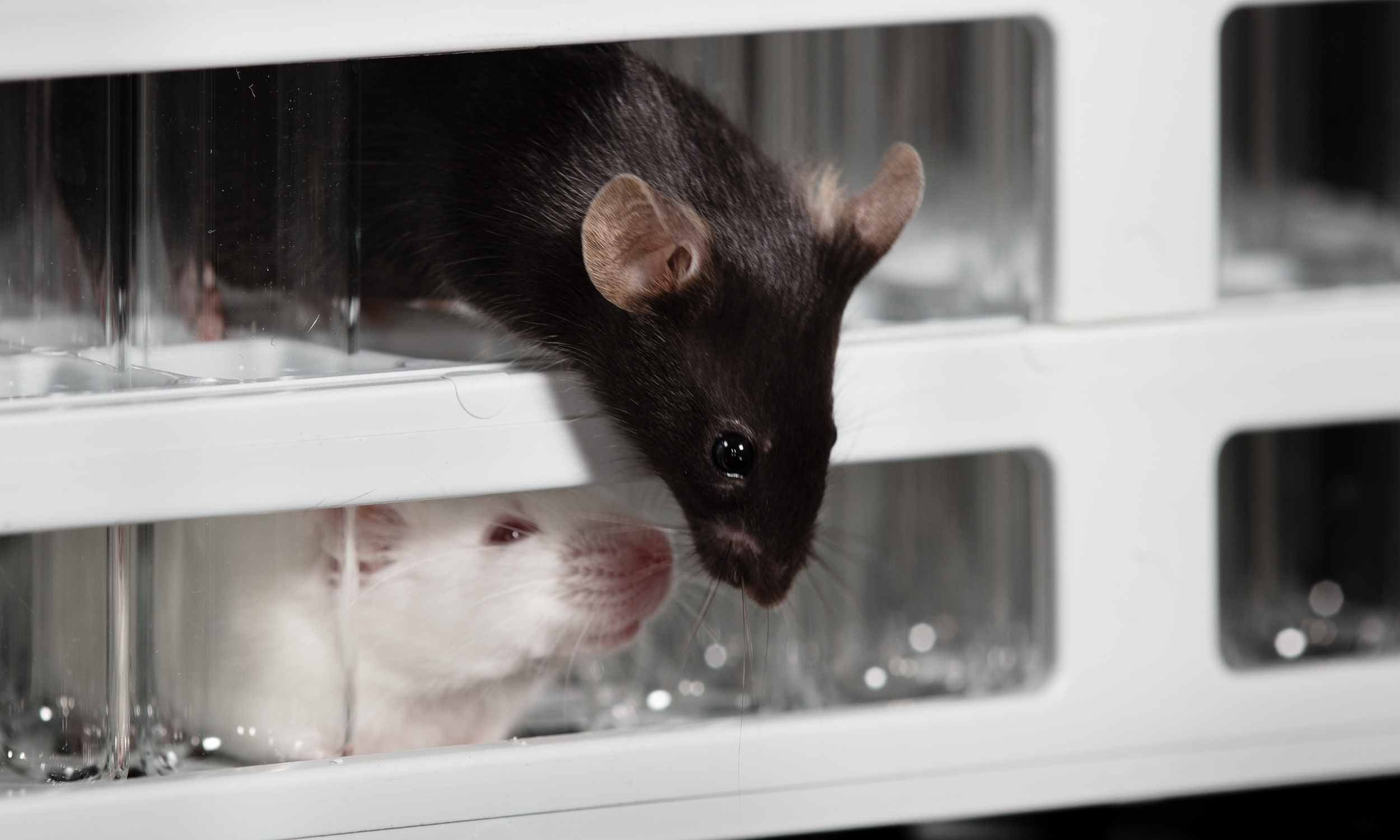
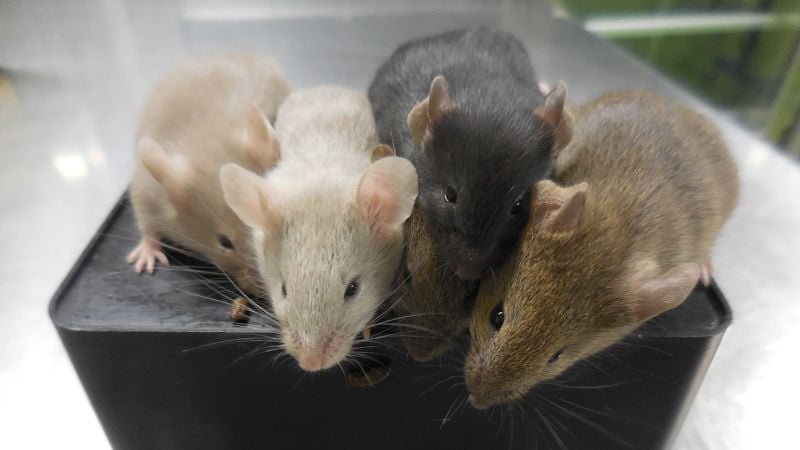
Scientists successfully raised a healthy adult mouse from two male parents by modifying imprinting genes, revealing new insights into mammalian reproduction and potential medical applications, though ethical and safety considerations remain for human translation.
Human sperm can survive from a few minutes outside the body to up to several days inside the female reproductive tract, with their longevity influenced by environmental conditions and biological factors, enhancing the chances of fertilization during ovulation.
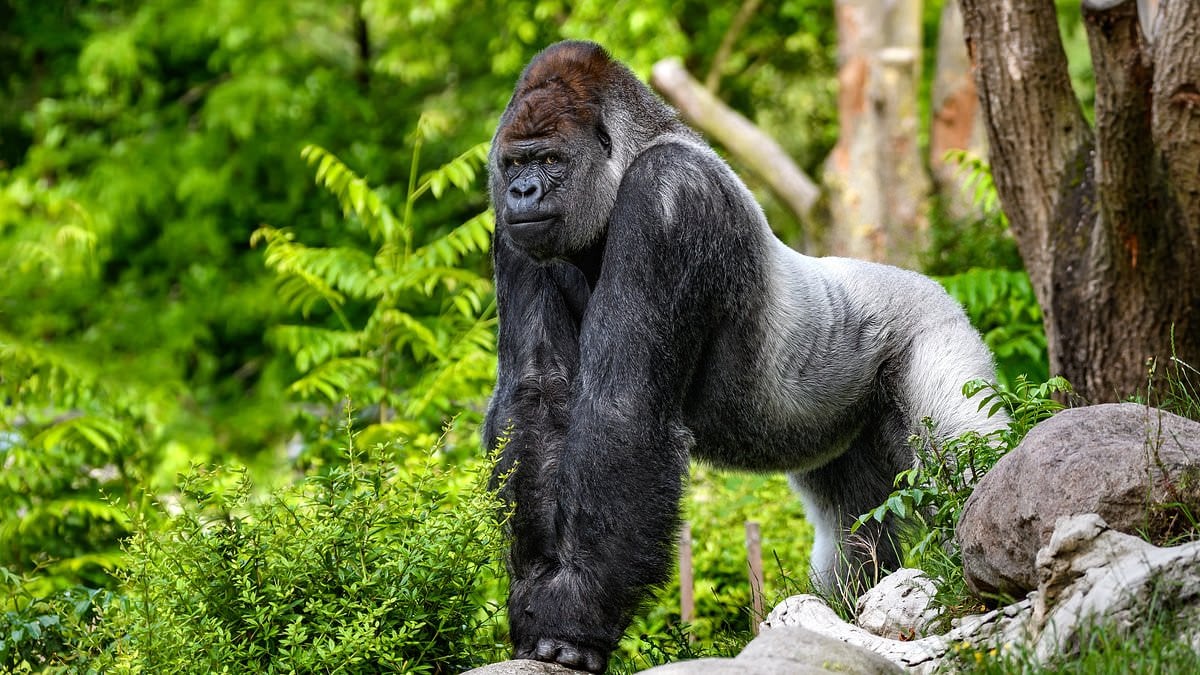
Scientists from the University of Buffalo have identified a genetic mutation responsible for the small penises of male gorillas, which measure just 1.1 inches on average. This adaptation is linked to their polygynous mating system, where the alpha male's physical dominance reduces sperm competition. The study also suggests that these genetic findings could help explain certain cases of male infertility in humans, as similar mutations were found in genes linked to reproductive function.
The rete ovarii, a structure long dismissed as functionless, may actually play a crucial role in regulating ovulation and potentially extending the female reproductive lifespan. Duke University researchers have found that this tiny ovarian appendage, present in various mammal species, contains proteins and anatomical features suggesting it contributes to hormone signaling and may act as a sensory appendage, akin to the ovary's 'tongue'. The researchers suspect it may sense changes in the ovary's environment and send signals for reproductive organs to respond accordingly, and they plan to further investigate its response to physiological signals.
A recent study by scientists from Durham University and Oxford Brookes University has shed light on the genetic mechanisms driving the rapid evolution of male external genitalia in fruit flies, revealing the influence of factors like female choice and reproductive requirements. The identification of a crucial gene involved in shaping male genitalia represents a significant breakthrough in understanding the complex relationship between genetics and sexual selection.
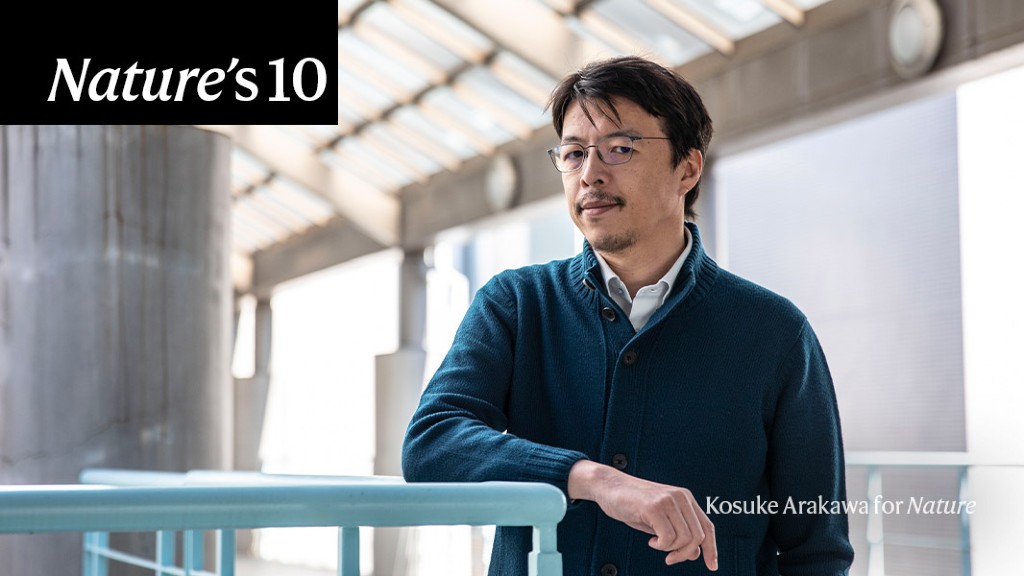
Biologist Katsuhiko Hayashi and his team at Osaka University have successfully produced mouse pups from the cells of two male parents, a groundbreaking achievement in sexual reproduction. By converting cells from male mice into stem cells and manipulating them through a complex process, the team was able to create eggs and fertilize them, resulting in live pups. Hayashi's work has garnered praise for its originality and perseverance, and he is now looking to extend his techniques to save the endangered northern white rhinoceros. However, the application of these techniques in humans is still a distant possibility, and the ethical implications remain a subject for society to decide.
The discovery of the Qianlong shouhu dinosaur species in China has revealed that the first dinosaur eggs had leathery shells, challenging previous assumptions. This finding sheds light on the evolutionary changes in dinosaur egg morphology and provides insights into the reproductive traits of reptilian clades. The study also suggests that the major transition in egg morphology occurred early in the evolution of theropod dinosaurs rather than near the origin of birds.
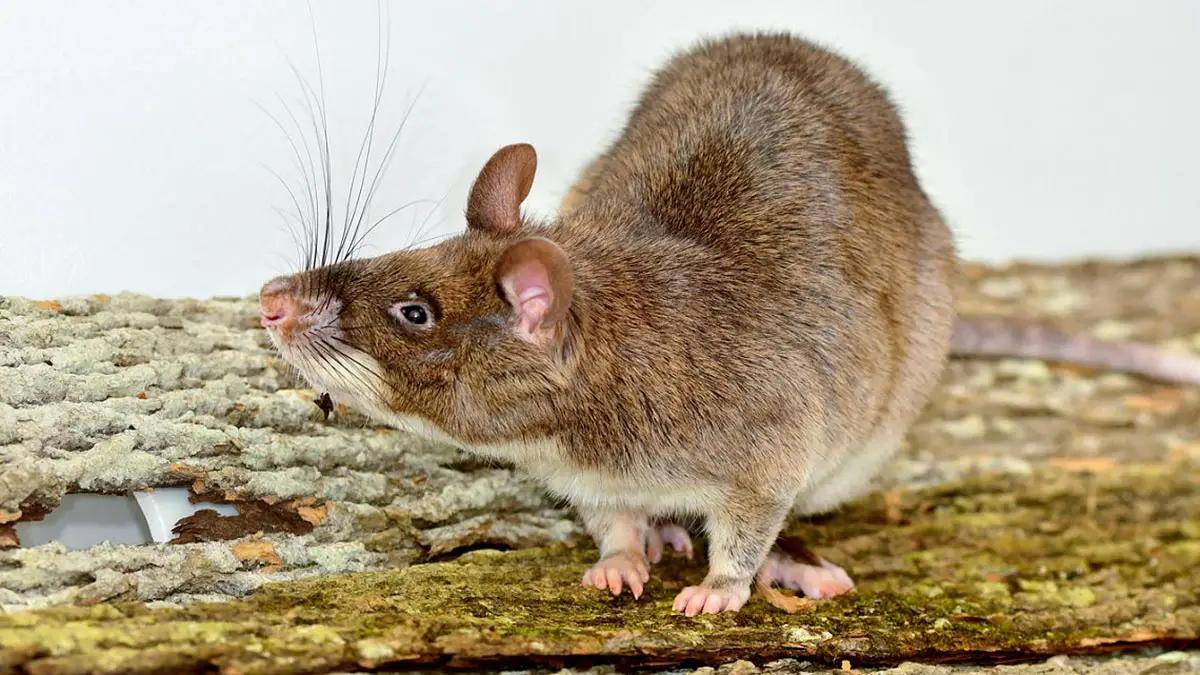
Female giant African pouched rats, used for detecting landmines and tuberculosis, have the ability to open or close their vaginal entrance multiple times during their lifetime, even after giving birth. This unusual trait could have implications for breeding them more effectively and may even have broader implications for other mammals struggling to reproduce, including humans. The study's findings are a step toward understanding their reproductive biology and how traits once considered "fixed" in adult animals may become variable under specific pressures.
Scientists have successfully created mice with two biologically male parents using eggs generated from the skin cells of male mice. The research could expand the possibilities for future fertility treatments, including for same-sex couples, and help prevent the extinction of endangered animals. However, scientists warn there’s still much to learn before cultured cells can be used to make human eggs in a lab dish. The technique holds promise for conserving endangered species, although it’s not known whether the process in mice would occur in other mammal species. The work raises thorny ethical and legal questions that society needs to start thinking about.