A woman in Virginia with PCOS, who was told she couldn't conceive naturally, unexpectedly gave birth to her third child during a hospital visit for back pain, having not realized she was pregnant until the baby crowning was noticed by a nurse. The phenomenon, known as cryptic pregnancy, affects a small percentage of women and can occur without typical pregnancy symptoms.

Research suggests that PCOS, traditionally viewed as a women's reproductive disorder, may actually be a broader metabolic condition affecting people of all genders and ages, with genetic factors playing a key role. This could lead to a redefinition of PCOS and more personalized, early interventions in the future.
Lori Harvey shared her personal health struggles with excruciating periods and fluctuating weight, revealing she was diagnosed with PCOS and endometriosis after years of ignored symptoms, which have now been managed with medical help, leading to her feeling better in her body.
Lori Harvey shared her long struggle with undiagnosed PCOS and endometriosis, highlighting how her symptoms were dismissed by doctors until finally diagnosed, which allowed her to regain control over her health and feel better through treatment.
Sania Gupta's inspiring journey from 102 kg to 52 kg highlights the power of simple, consistent lifestyle changes like quitting sugar, mindful eating, and regular walking, emphasizing that sustainable health transformations are rooted in small, manageable steps rather than drastic diets.
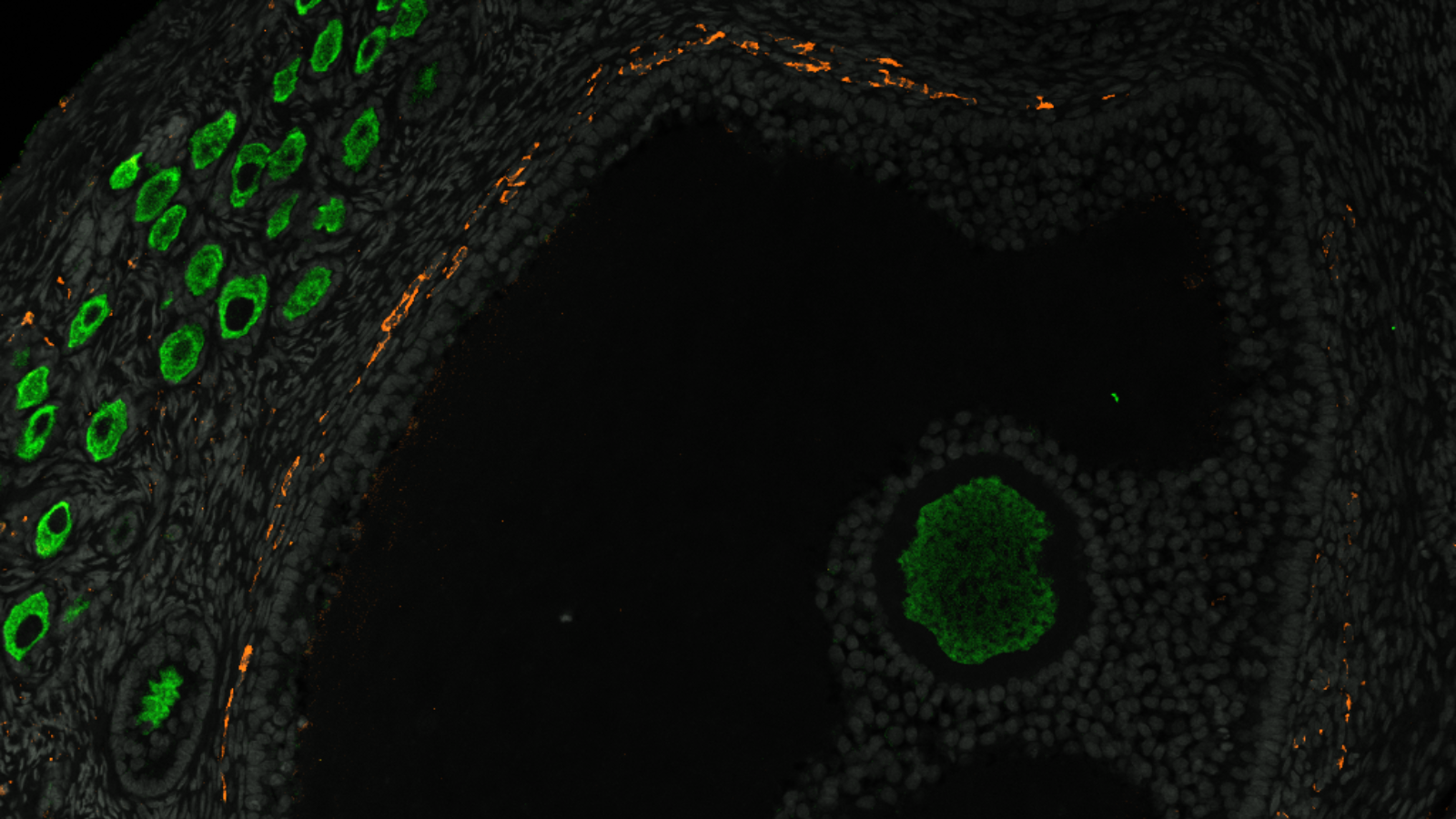
Scientists have mapped the development of the ovarian reserve in primates, revealing critical stages and genes involved in egg cell formation, which could improve understanding of reproductive diseases like PCOS and fertility issues.
The article emphasizes the importance of comprehensive health screenings for women at different life stages, including tests for conditions like PCOS, endometriosis, breast cancer, and menopause symptoms, advocating for women to actively participate in their health care and be aware of necessary tests and preventive measures.
Sasha Pieterse revealed she was ignored by 17 doctors while suffering from symptoms like rapid weight gain and seizures, which were eventually diagnosed as PCOS after years of misdiagnosis, highlighting the importance of listening to patients and proper medical evaluation.
The article discusses the experiences of women with PCOS, highlighting common symptoms like irregular periods, acne, weight gain, and fertility issues, as well as the challenges in diagnosis and treatment. It emphasizes the importance of proper medical care, debunks myths, and shares insights on effective management strategies, including medications and lifestyle changes.
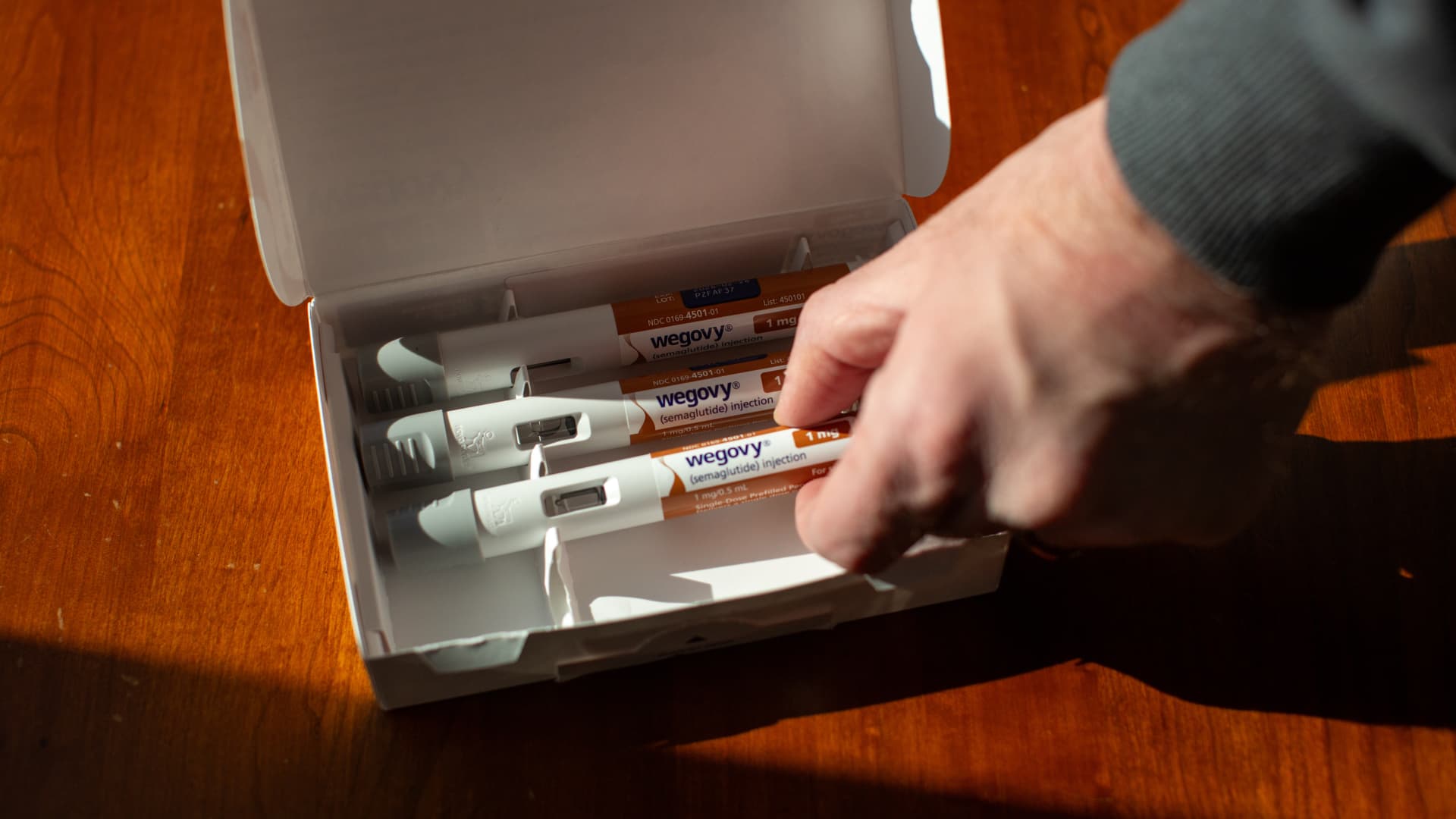
Weight loss drugs like GLP-1s, such as semaglutide, show promise in treating women with PCOS by improving weight, hormonal balance, and reproductive symptoms, though more research and insurance coverage are needed.
A new study suggests that epigenetic changes may explain why PCOS tends to run in families, with potential implications for prevention and treatment through embryo editing during IVF, although further research is needed.
The article discusses how to naturally lower cortisol levels through lifestyle changes such as reducing caffeine intake, practicing breathwork, engaging in gentle exercise, prioritizing sleep, and maintaining a balanced diet to support hormonal balance and overall health.
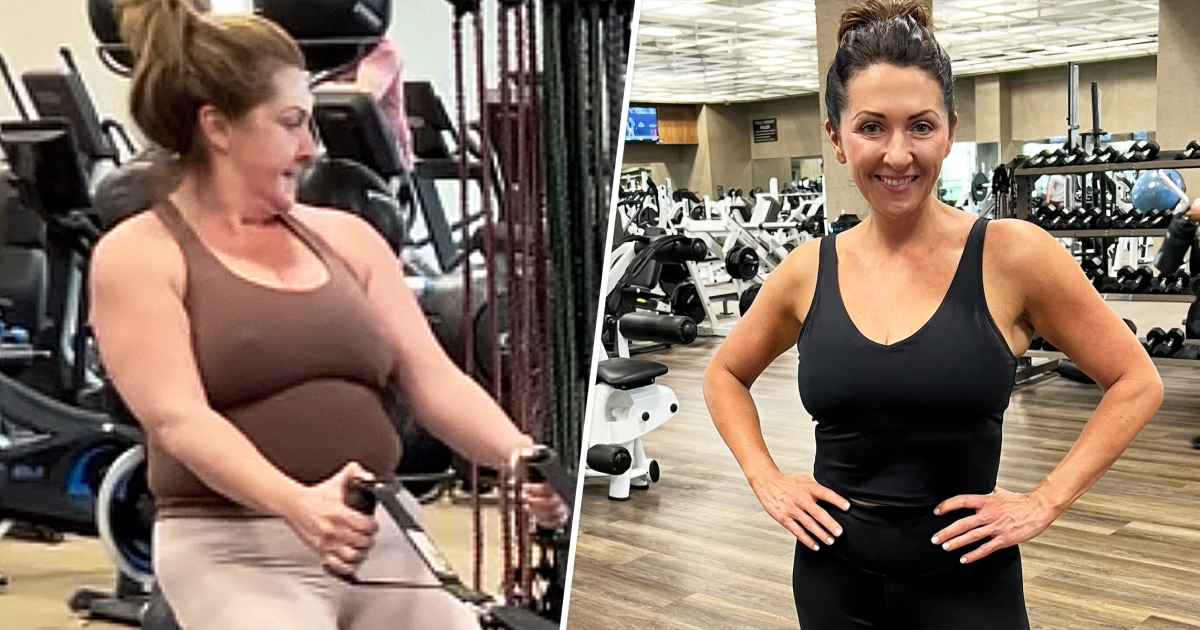
Bridget Cacciatore struggled with weight gain despite a healthy lifestyle and intense cardio workouts, due to medical conditions like PCOS and Hashimoto's disease. After consulting a weight-loss specialist, she switched to a "clean keto" diet and reduced intense cardio, focusing instead on strength training and walking. This change helped her lose 45 pounds in a year, improve her health, and manage her cortisol levels, which were previously elevated by excessive cardio.
Bonnie Chapman, daughter of Duane "Dog the Bounty Hunter" Chapman, revealed she lost 60 pounds in 10 months using the weight-loss drug Tirezepatide. Struggling with weight since her teens and dealing with polycystic ovary syndrome (PCOS), Bonnie found success with the medication after other diets failed. She shared her journey, including overcoming emotional eating and achieving her goal weight of 126 pounds, attributing her success to the drug and Morph Fitness.
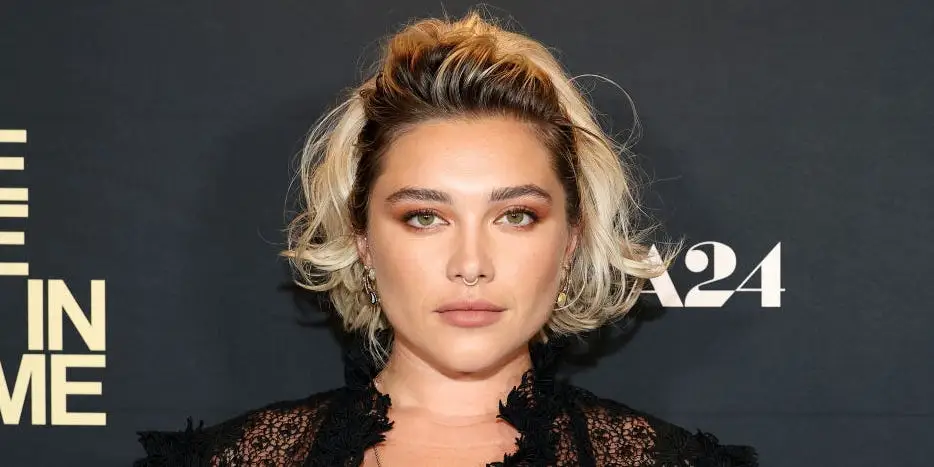
Florence Pugh, 28, revealed her diagnosis of polycystic ovarian syndrome (PCOS) and endometriosis at 27, which led her to freeze her eggs due to potential fertility issues. On the SHE MD podcast, she shared her experience of being dismissed by a doctor in London who downplayed her condition despite her symptoms and test results. Pugh's story highlights the common issue of misdiagnosis and dismissal of women's health concerns, particularly with conditions like PCOS and endometriosis, which are leading causes of infertility. She emphasized the importance of awareness and education on these conditions, noting her privilege in accessing proper care.