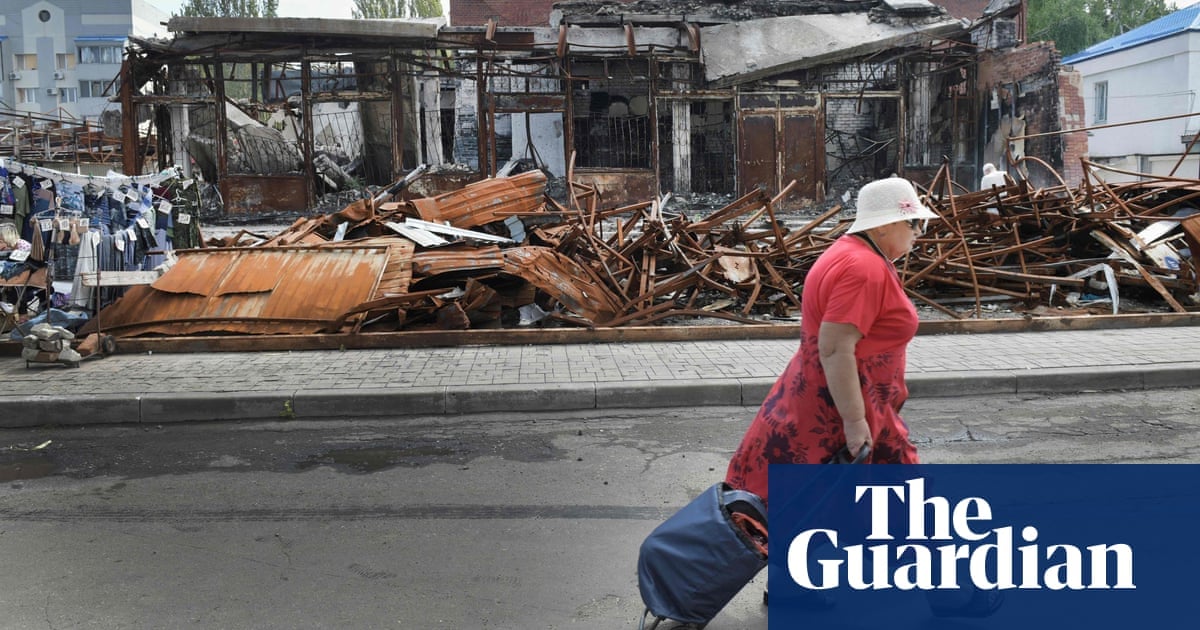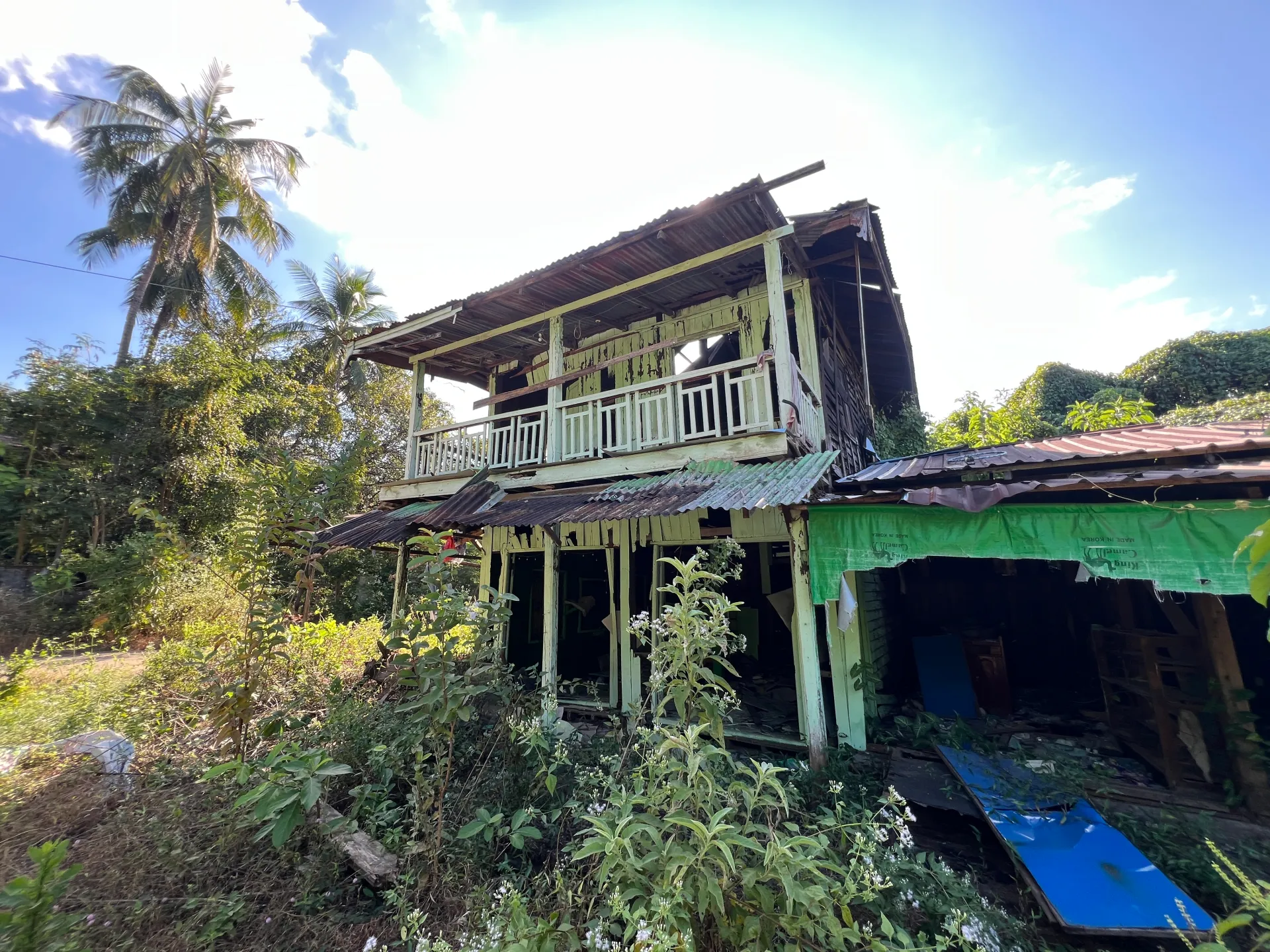
Hpapun, once a thriving town in Myanmar, is now a ghost town due to ongoing conflict, and its residents are unable to participate in the upcoming election, which is widely viewed as a sham by rebel groups. The election process is marred by violence, displacement, and a lack of voter turnout in urban areas, with the military-backed USDP expected to win most seats.
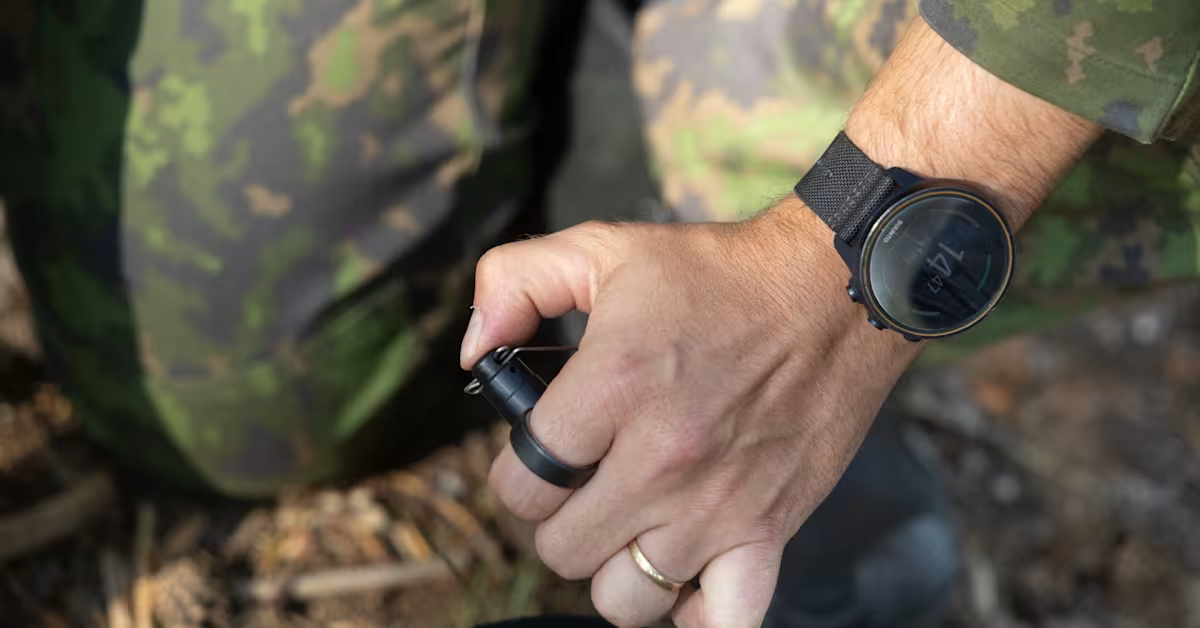
Finland's withdrawal from the Ottawa Convention, which bans anti-personnel landmines, has taken effect, allowing the country to reintroduce landmines into its military due to security concerns.
Finland's Parliament voted to withdraw from the Ottawa Convention on antipersonnel land mines to bolster its defenses against Russia, reflecting increased regional tensions and concerns over land mine use by Russia and other countries.
US President Joe Biden has agreed to supply Ukraine with anti-personnel land mines to counter Russian advances, despite international concerns over civilian risks. These mines, which deactivate after a set period, are part of a broader US effort to support Ukraine's defense. The decision comes amid escalating tensions, with Russia recently updating its nuclear doctrine and accusing the US of escalating the conflict. This move follows the US's provision of longer-range missiles to Ukraine, which have already been used against Russian targets.
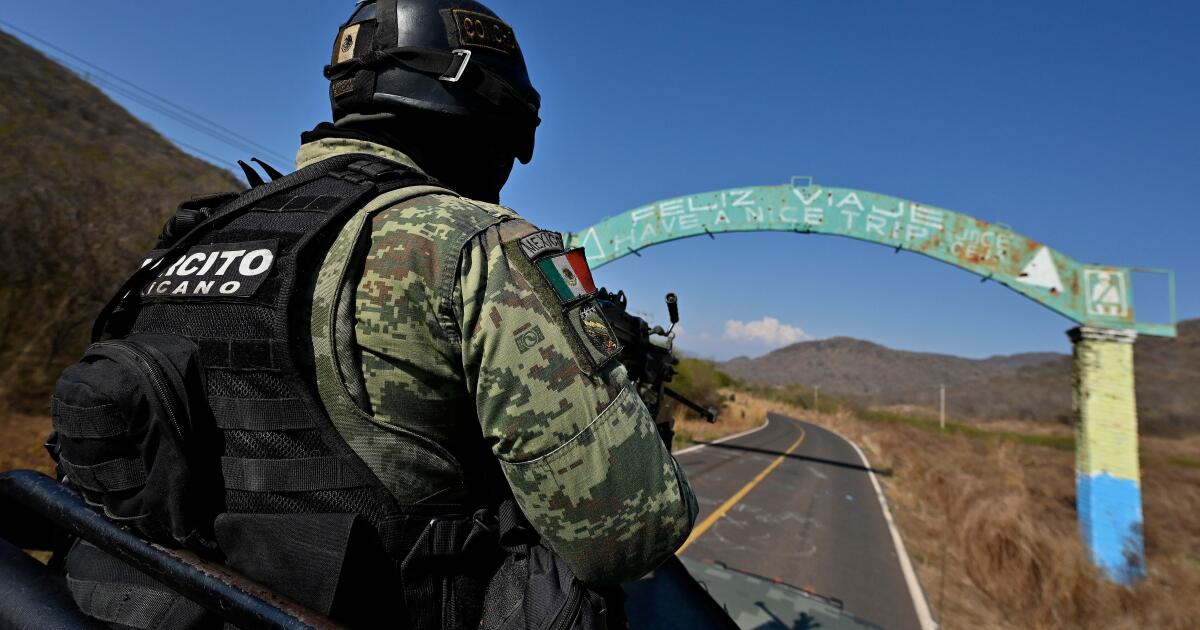
Drug cartels in Mexico are escalating violence by using improvised landmines, resulting in deaths and injuries among soldiers and civilians. The use of landmines, previously uncommon, has been attributed to the influence of Colombian mercenaries and has added a new level of terror to the conflict. The cartels' arsenal also includes drones rigged with explosives and tank-like vehicles. The Mexican government, with support from the U.S., is working to combat this new threat, but the situation remains dire, with civilians living in fear and the conflict showing no signs of abating.
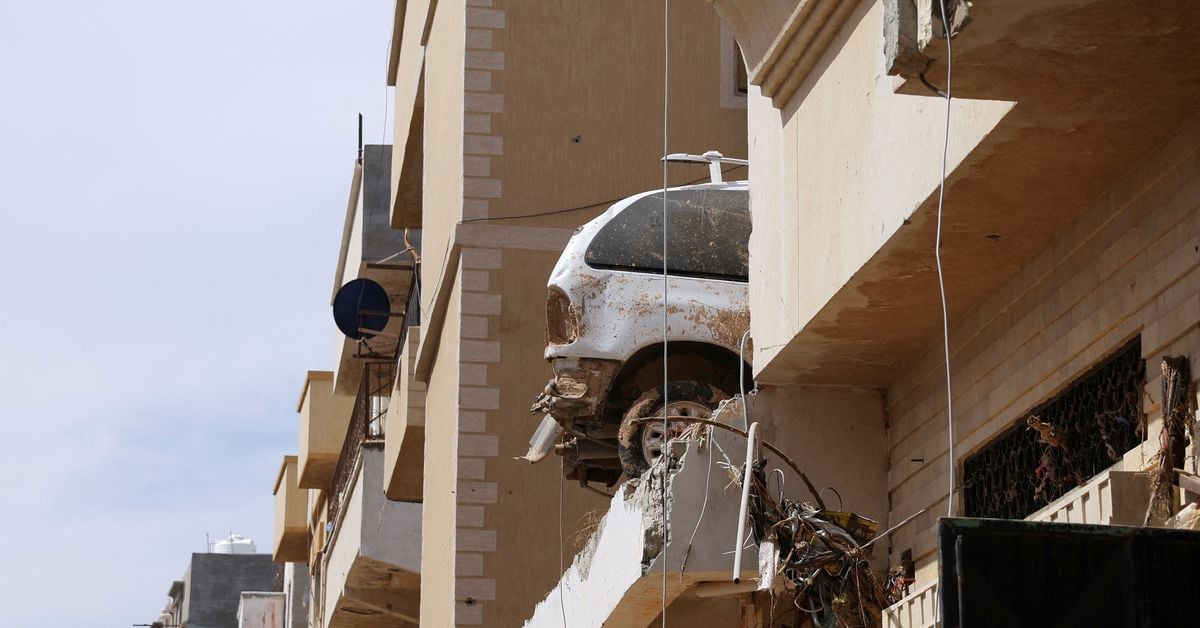
Survivors of the devastating floods in Libya's eastern city of Derna are faced with the difficult choice of staying and risking infection from polluted water or fleeing through areas where landmines have been displaced by the floods. The death toll remains uncertain, with conflicting figures from different sources, but thousands are believed to have died. Aid organizations have provided emergency assistance, but more help is needed. The floods have also displaced over 40,000 people and shifted landmines, posing an additional risk. The disaster has brought some coordination between rival administrations in the east and west of Libya, but reconstruction efforts may reopen fault-lines.
Two young Americans are developing drone technology to aid in the clearance of landmines and unexploded bombs in Ukraine, where these dangerous remnants of war pose an ongoing threat. The technology aims to simplify and expedite the complex task of clearing explosives, which are scattered throughout the country.
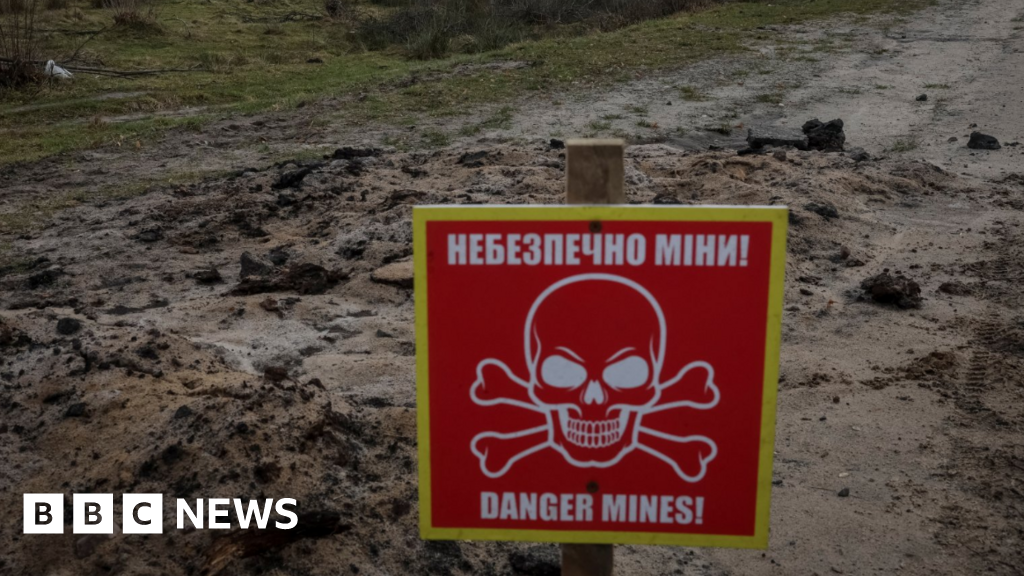
Ukraine appears to be repurposing powerful Russian anti-tank mines and using drones to drop them on Russian forces. Video footage shows a Ukrainian drone dropping TM-62 anti-tank mines on enemy positions. Russian mines have been a significant obstacle to Ukraine's counteroffensive. Ukraine is now using these mines, which contain around 18 pounds of TNT, to cause extensive damage to enemy vehicles. Russia's extensive use of landmines has left Ukraine as the most mined country in the world.
Seven people, including a 23-day-old baby, were killed in Russian shelling in Ukraine's Kherson region. Ukrainian President Zelenskiy promised justice for the attacks and vowed to respond to Russia's crimes. A Russian warship fired warning shots at a cargo ship in the Black Sea, marking the first time Russia has fired on a merchant ship since exiting a UN-brokered grain deal. Ukrainian forces attempted to break through Russian lines in Donetsk, while Russia blamed a Ukrainian drone for damaging an apartment building. Germany will deliver a Luna New Generation drone system to Ukraine, and Ukraine has become the most heavily mined country in the world due to Russian-laid landmines.
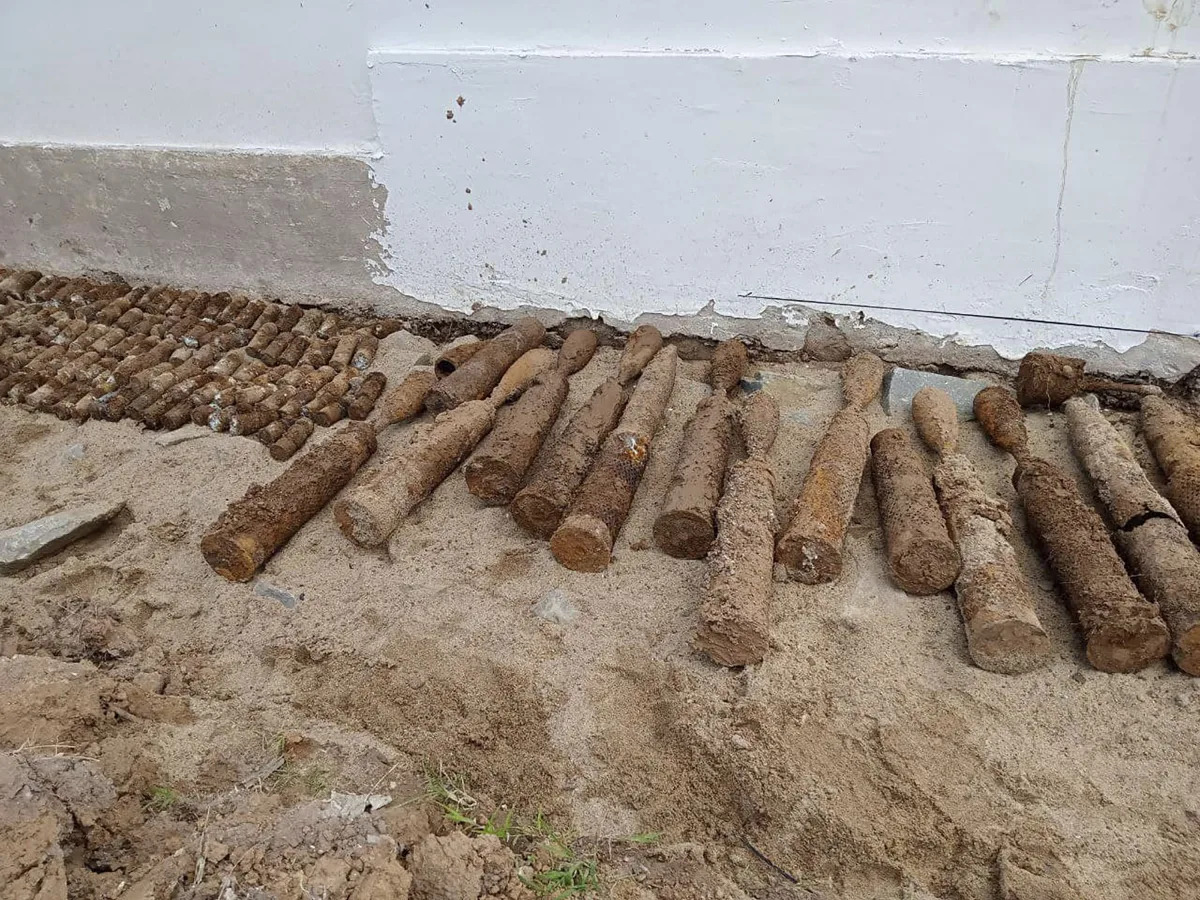
A high school in Cambodia has been temporarily closed after thousands of pieces of unexploded ordnance were discovered on the campus. The ordnance, including grenades and rocket launcher ammunition, was found during a search for buried landmines before a new building was constructed. The school site was previously an ammunition warehouse during the Khmer Rouge regime, and it was believed that all the ordnance had been removed. However, many more pieces are still believed to be buried, prompting the closure of the school while deminers work to collect the dangerous material. Cambodia has been plagued by landmines and unexploded ordnance since the end of its civil war, resulting in numerous casualties over the years.
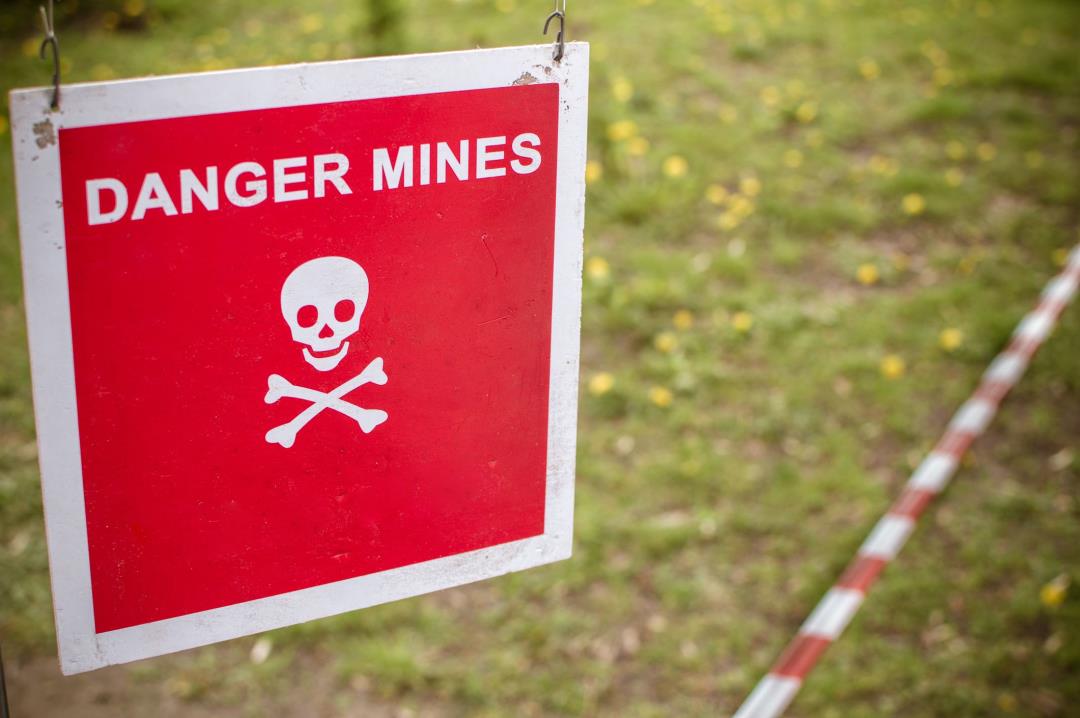
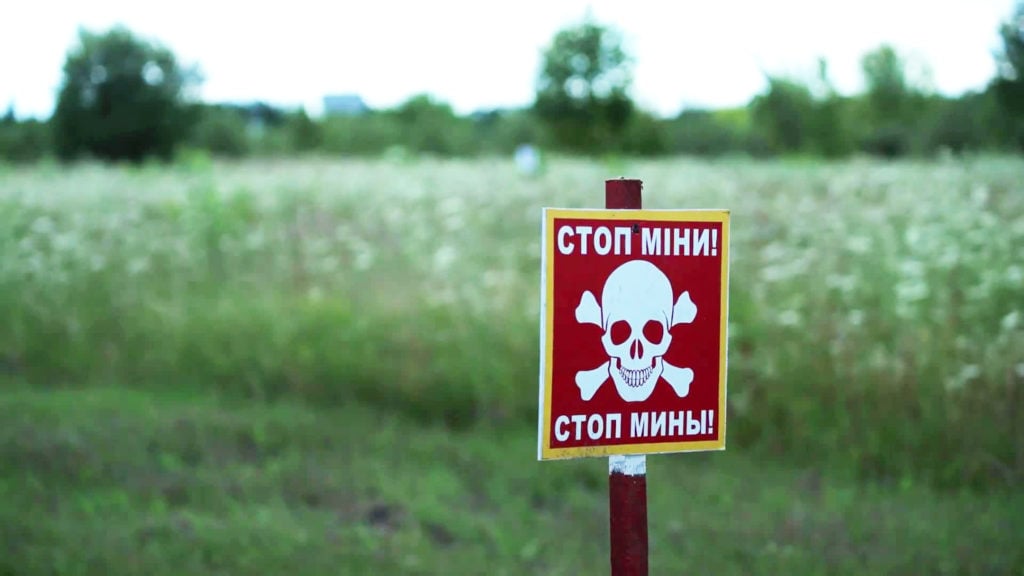
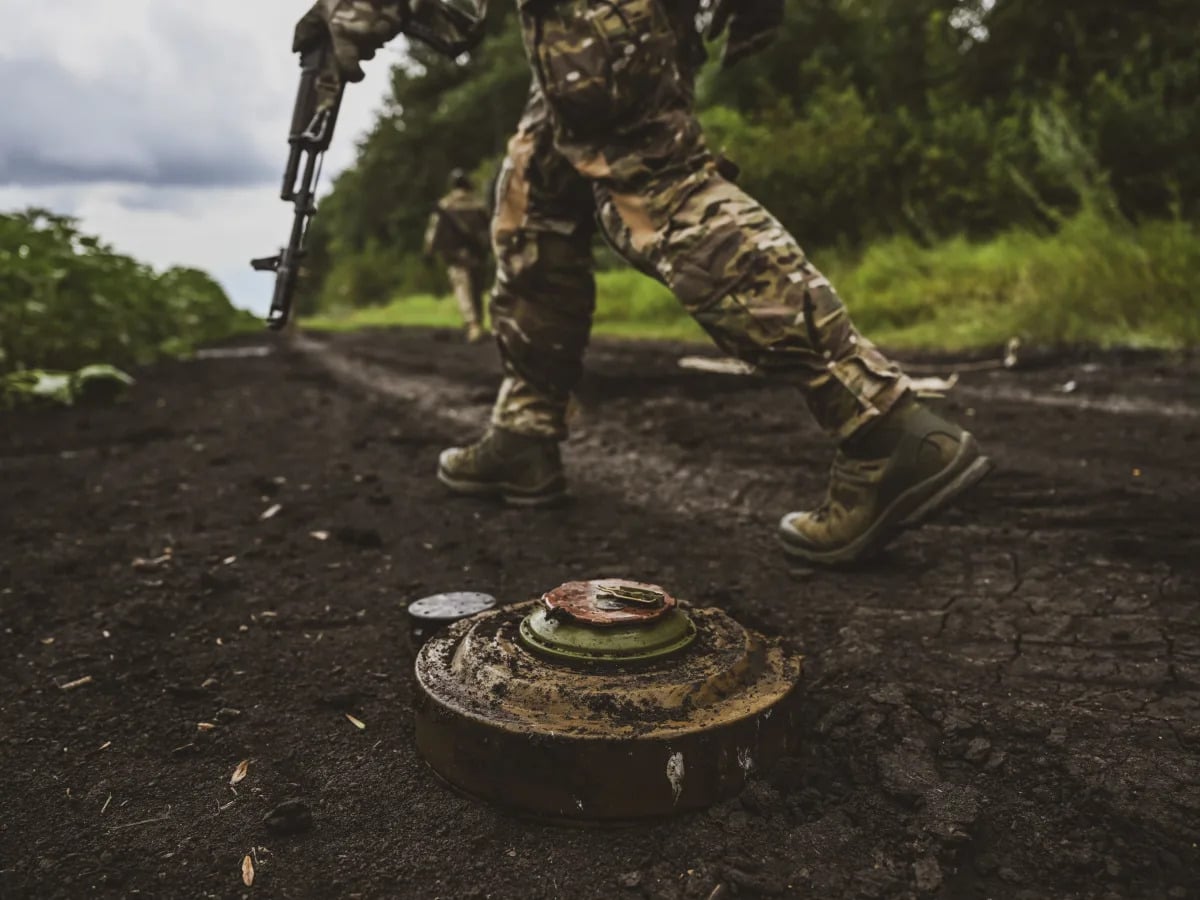
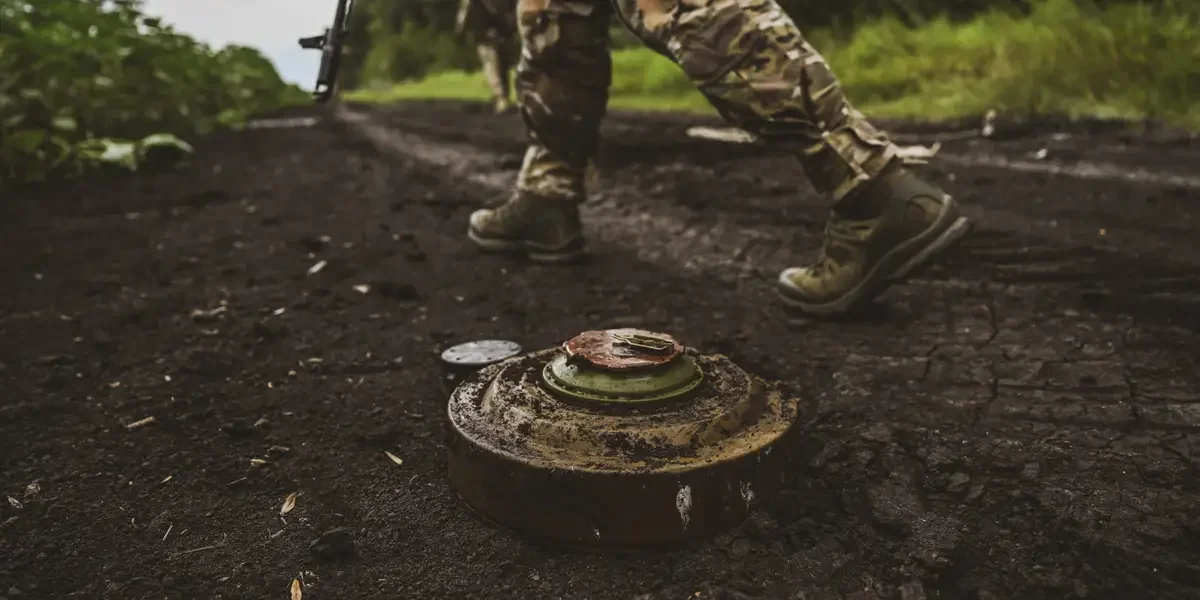
Landmines have played a significant role in the Russia-Ukraine war, with Russia creating massive minefields along the front line. The four main types of landmines used are blast mines, bounding mines, fragmentation mines, and anti-tank mines. These mines are cheap, easy to produce, and highly effective against the enemy. Some mines have been hidden in toys, fridges, and children's books. The use of landmines has caused devastating injuries and casualties in the conflict.
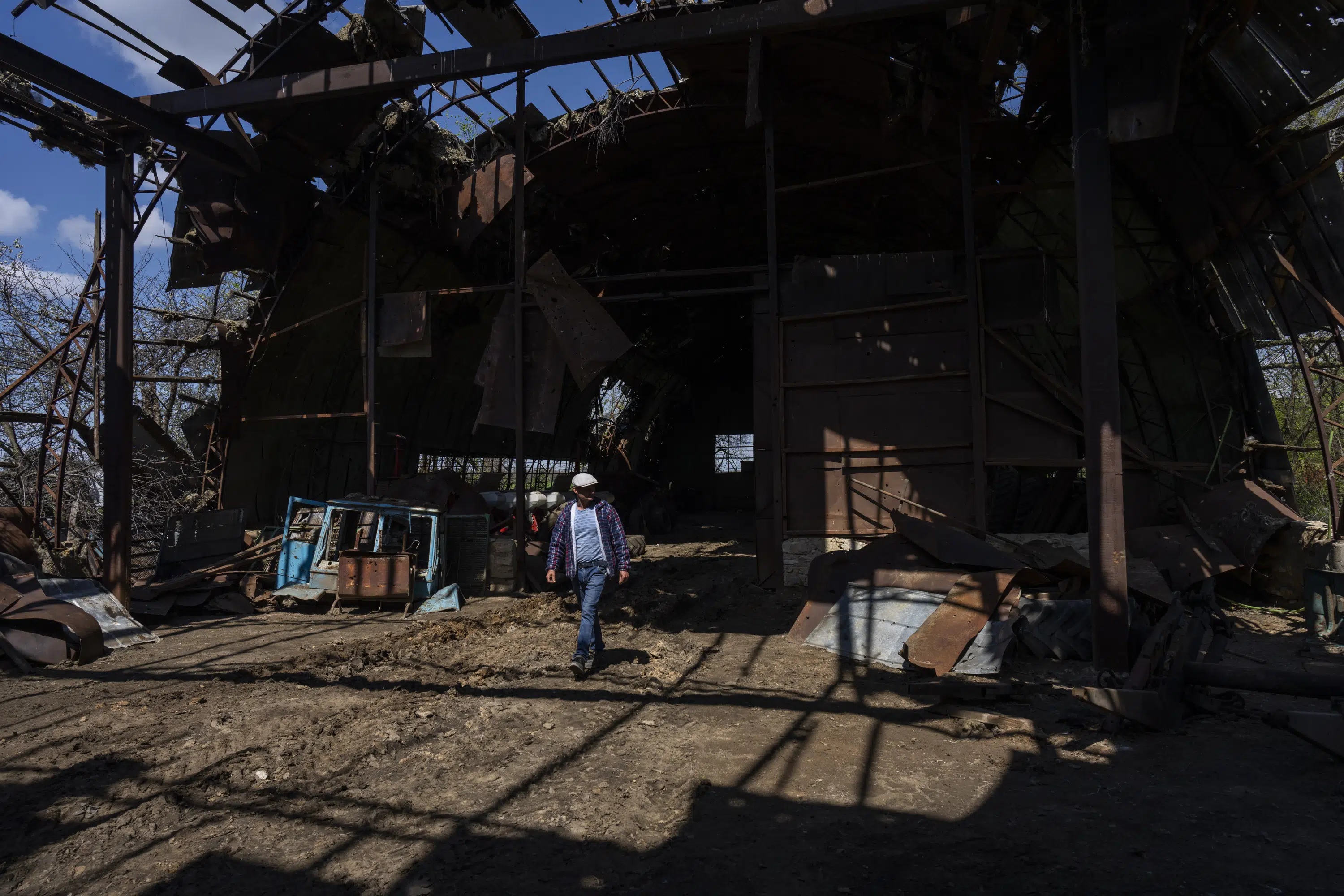
Ukrainian farmers face a dual crisis of landmines and logistics, with soaring production and transportation costs caused by Russia's blockade of many Black Sea ports and import restrictions imposed by several neighboring European countries. The risks of planting crops in heavily mined areas are causing many farmers to cut back on sowing, leading to a potential 20% to 30% reduction in grain output, poorer quality crops, and potentially thousands of bankruptcies next year. The "drastic reduction" of grain crops potentially threatens global food security, warns the head of the U.N. Food and Agriculture Organization in Ukraine.
Ukrainian soldiers are using creative tools such as dead animals, fiberglass rods, ropes, and hooks to identify and detonate Russian land mines, which pose a long-term threat to Ukrainian civilians. Landmines are a favorite tactic of the Russian military, which has planted thousands of land mines from its vast arsenal across Ukraine, resulting in hundreds of military and civilian casualties, according to Ukrainian officials.
Ukraine's Kharkiv region, close to the Russian border, is the most heavily mined place in the country, with more landmines found here than anywhere else. Russia deployed landmines to defend their positions and slow the Ukrainians, leaving a lethal footprint behind. Deminers have found over 55,000 explosives in the area, including banned butterfly mines that can injure and kill civilians indiscriminately. At least 27 people have been killed and 118 more injured in the Kharkiv region alone since September. Demining Ukraine is going to cost $37.4bn, and Kyiv is trying to convince as many countries as possible to help.
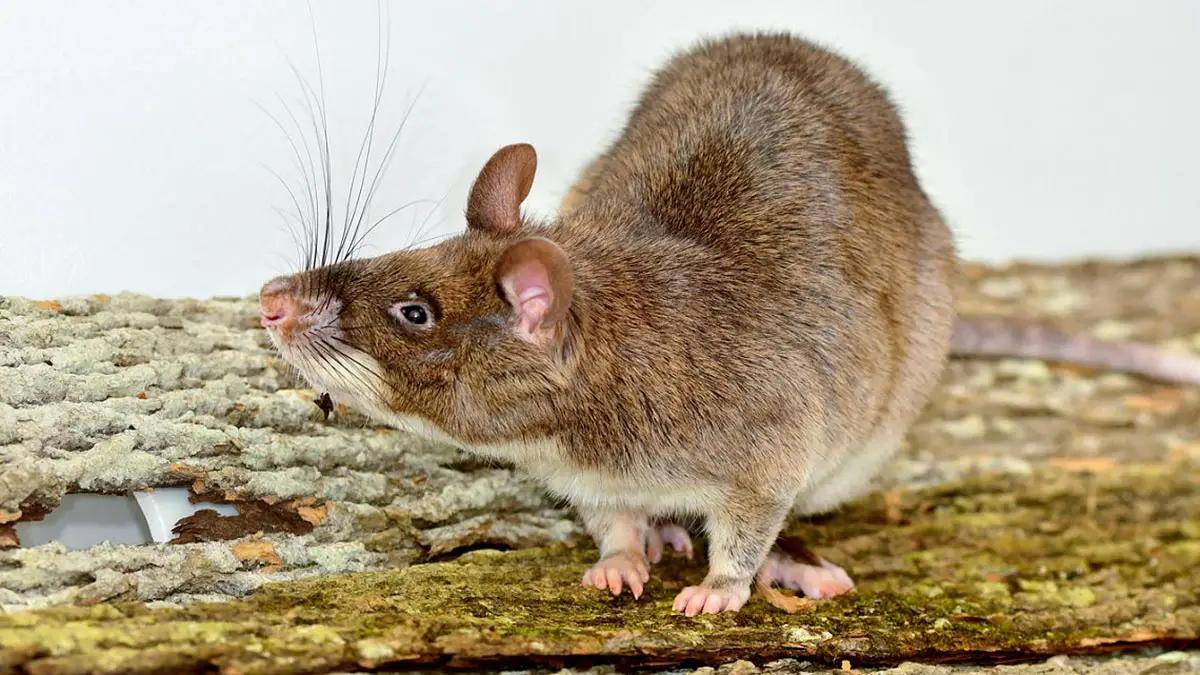
Female giant African pouched rats, used for detecting landmines and tuberculosis, have the ability to open or close their vaginal entrance multiple times during their lifetime, even after giving birth. This unusual trait could have implications for breeding them more effectively and may even have broader implications for other mammals struggling to reproduce, including humans. The study's findings are a step toward understanding their reproductive biology and how traits once considered "fixed" in adult animals may become variable under specific pressures.