Tag

Germ Cells

All articles tagged with #germ cells

science2 years ago

"Biologist Challenges Sexual Reproduction Norms: Creating Mice with Two Fathers"

Biologist Katsuhiko Hayashi and his team at Osaka University have successfully produced mouse pups from the cells of two male parents, a groundbreaking achievement in sexual reproduction. By converting cells from male mice into stem cells and manipulating them through a complex process, the team was able to create eggs and fertilize them, resulting in live pups. Hayashi's work has garnered praise for its originality and perseverance, and he is now looking to extend his techniques to save the endangered northern white rhinoceros. However, the application of these techniques in humans is still a distant possibility, and the ethical implications remain a subject for society to decide.
science2 years ago

Temperature's Role in Turtle Sex Determination Unveiled

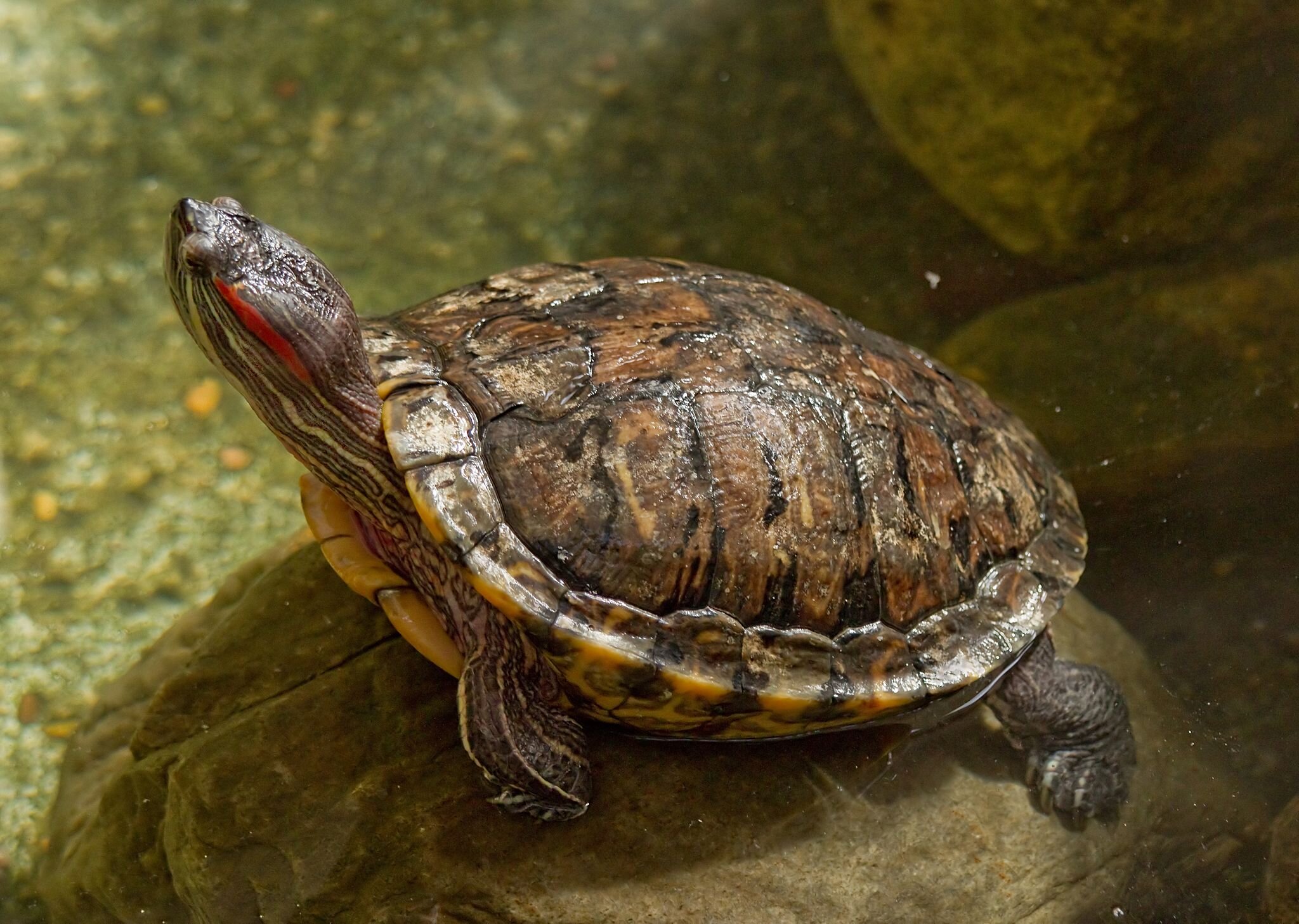
New research from Duke University shows that higher incubation temperatures increase the number of germ cells in turtle embryos, which in turn drives feminization. This finding may explain why temperature-dependent sex determination persists in many animals and could have troubling implications for species in a warming world. As global temperatures continue to rise, scientists are studying how further increases in temperature will affect the pool of germ cells and whether it will produce less-fit females.

science2 years ago

The Surprising Role of a Genetic Parasite in Fertility Protection

Scientists have discovered that a retrotransposon, previously considered a genetic parasite, plays a crucial role in maintaining ribosomal DNA (rDNA) and preserving fertility through generations. rDNA generates the RNA subunits of ribosomes, which make proteins, and its repetitive nature makes it easy for cells to accidentally remove some of the identical repeats when replicating the genome during cell division. The retrotransposon R2, which typically copies and inserts itself into fruit fly rDNA, can help cells by slicing open both copies of the chromosome containing rDNA, and when the cell tries to repair these breaks, it stitches a stretch of rDNA repeats from one copy of the chromosome into the other copy of the chromosome instead. This ensures that the number of rDNA repeats never gets too low across the population of germ cells, preserving the lineage of the cells and the individuals who carry them.

science2 years ago

'Genetic Parasite' Preserves Fertility in Unselfish Manner

Researchers have discovered that a retrotransposon, a genetic element that had been thought of as a genetic parasite, plays an essential role in maintaining ribosomal DNA (rDNA) and preserving fertility through the generations. The retrotransposon R2, which typically copies and inserts itself into fruit fly rDNA, can help cells by restoring rDNA with the help of a retrotransposon. Germ cells can combine these mechanisms, taking rDNA repeats from one chromosome to give to another and then earmarking the cell with more repeats, to constantly replenish the germline's level of rDNA.