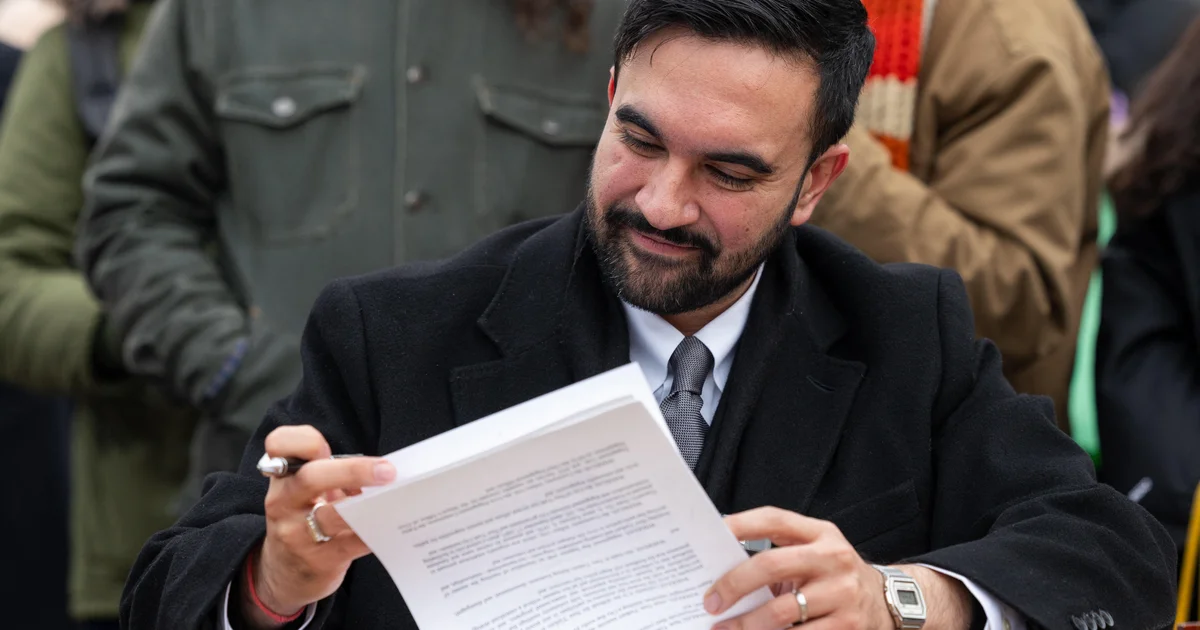
NYC Mayor Zohran Mamdani announced upcoming 'Rental Ripoff' hearings across all five boroughs to address housing issues, gather tenant testimonies, and combat unfair practices, with a report to follow. He also appointed Dina Levy as the new housing commissioner to help tackle the housing crisis.
Starting January 1, 2023, California law requires landlords to provide all apartments with a working stove and refrigerator, ending a regional trend where tenants often had to buy their own appliances, which has been seen as a barrier for low-income renters. The law aims to improve living standards and reduce costs for tenants, though it faces opposition from realtor groups concerned about increased legal disputes and reduced rental availability. Enforcement will be managed locally, with tenants able to file complaints if landlords fail to comply.
Reporting rent payments to credit bureaus can help renters build credit and improve their financial prospects, but mistakes like late payments can harm their credit and housing opportunities. The trend is increasing, especially with new federal guidelines, but renters should be cautious to ensure accurate reporting and maximize benefits.
A renter in NYC discovers an affordable, cordless, battery-operated wall sconce from Amazon that mimics hotel-style lighting without the need for wiring or landlord approval, offering a stylish and flexible decorating solution for $60.
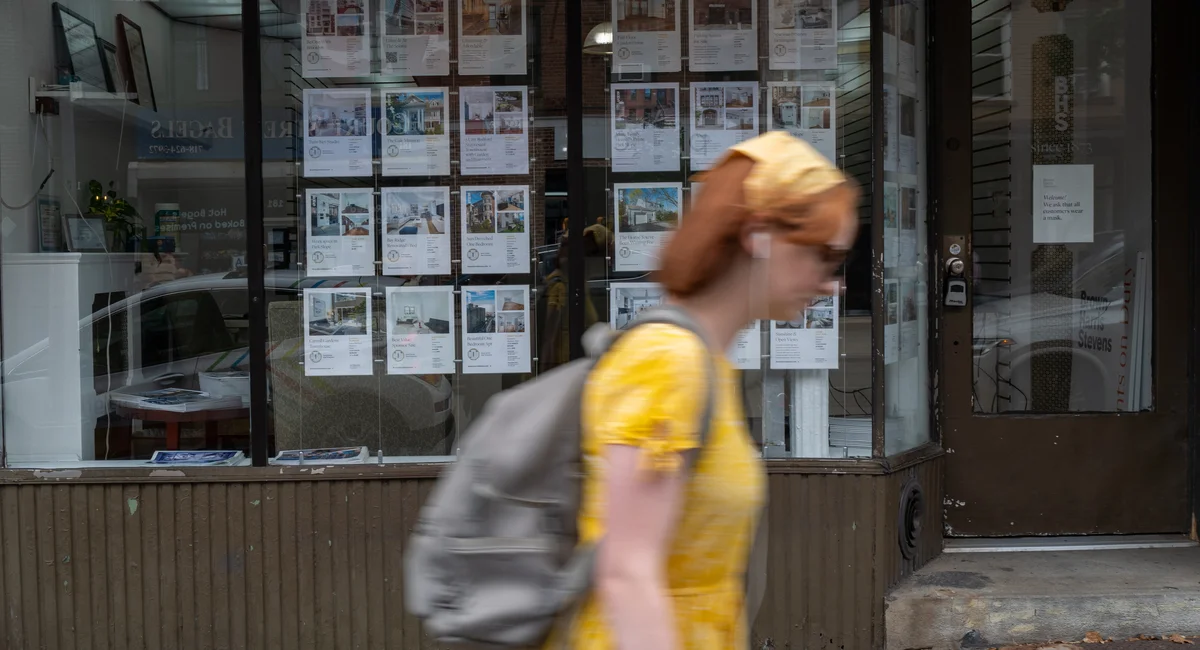
77-year-old Patricia Brennecke faces the emotional and practical challenges of losing her long-time Oakland apartment in a competitive, digital-driven rental market, raising concerns about housing stability for seniors.
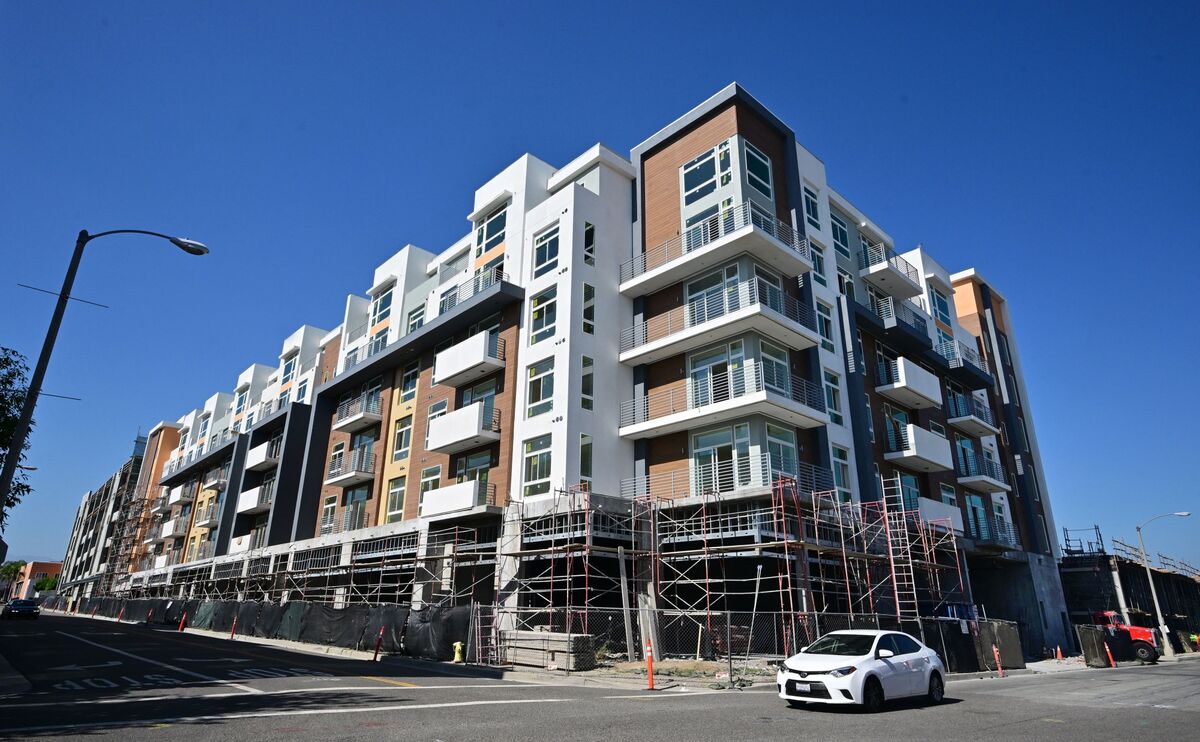
Despite a surge in new apartment construction, US renters face record-high costs and increased financial strain, especially among low- and middle-income households, with rent burdens rising and affordability challenges worsening due to high housing and utility costs, and potential federal funding cuts.
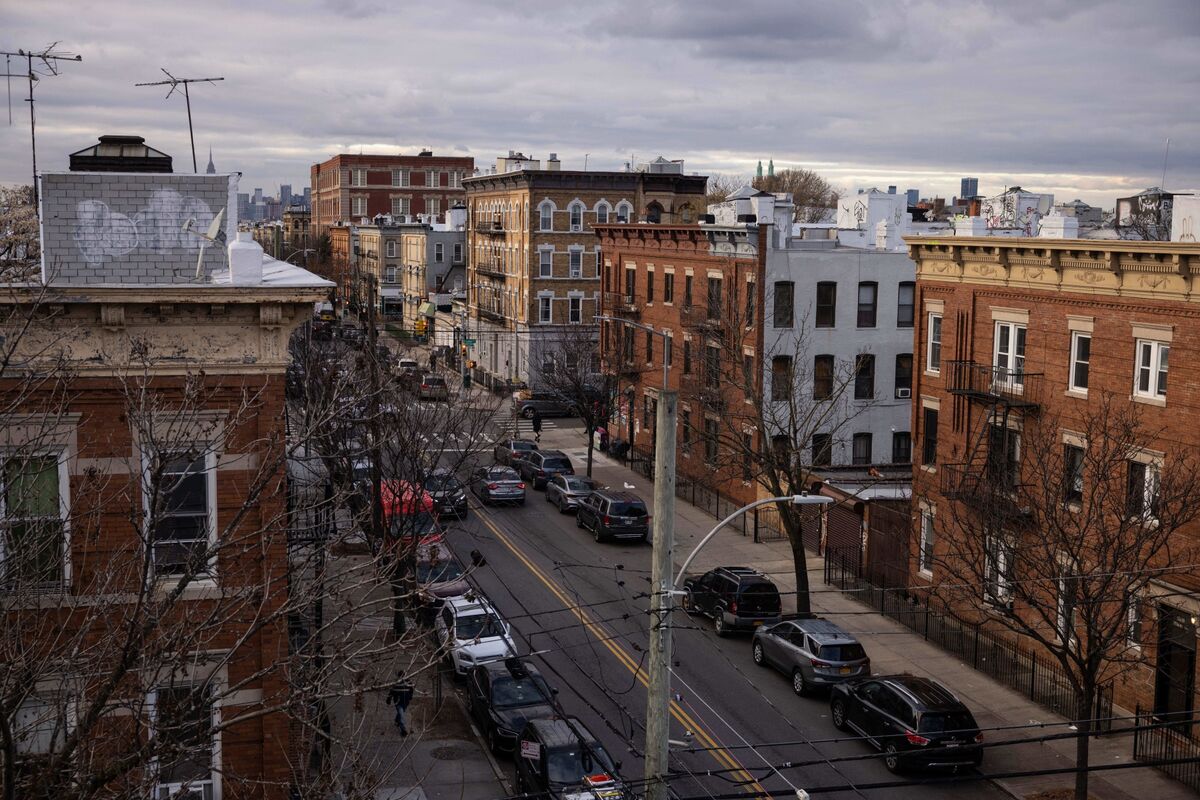
A new NYC law eliminates upfront broker fees, reducing initial move-in costs for renters but potentially leading to higher rents as landlords may pass on these costs, sparking concerns about increased rental prices and market scarcity.
A federal judge has approved the implementation of a NYC law banning most broker fees, which is set to take effect on June 11, potentially reducing upfront costs for renters despite opposition from real estate groups. The law aims to address the financial burden of broker fees on tenants, especially low-income renters, and includes penalties for violations. The ruling clears the way for the law's enforcement, with ongoing debates about its impact on rent prices.
The New York City council has passed the Fairness in Apartment Rental Expenses Act (Fare), which eliminates broker fees for tenants, shifting the cost to landlords. This move aims to reduce the high upfront costs of renting in the city, where the median rent is $3,500. The bill, passed with a veto-proof majority, will take effect 180 days after becoming law. While Mayor Eric Adams has expressed concerns about the impact on small property owners, the legislation is seen as a step towards fairness in rental expenses.
A new bill is expected to pass that will shift the responsibility of paying broker fees from renters to landlords, potentially easing the financial burden on tenants in the housing market.
The economic outlook for Americans varies significantly based on homeownership status. Renters face financial struggles with rising rents and higher rates of bill nonpayment, while homeowners benefit from low mortgage rates and increased home equity. This disparity complicates the Federal Reserve's efforts to manage inflation, as homeowners' spending power supports consumer prices.
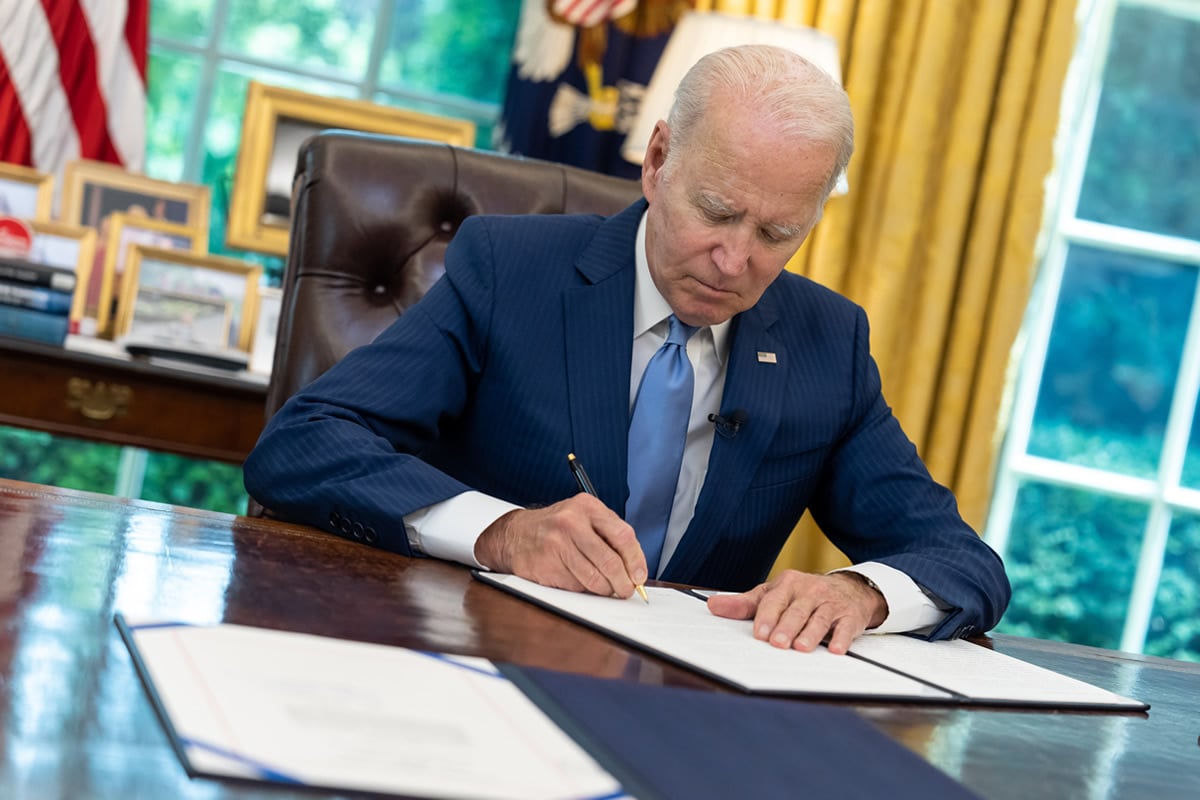
President Biden will propose a $10,000 tax credit for first-time homebuyers and sellers, the construction of 2 million homes, and cost reductions for renters in his State of the Union address. The plan includes a mortgage relief credit, down payment assistance, and measures to incentivize homeowners to sell. Additionally, Biden aims to address housing supply challenges and control costs for renters, with proposals to expand rental assistance and target corporate landlords. Housing associations have responded positively to the proposals, while also expressing concerns about potential impacts on consumer protections and competition.
President Biden announced a plan to lower housing costs for working families by building and preserving over 2 million new homes, providing tax credits for first-time homebuyers, reducing closing costs for refinancing, and cracking down on unfair rental practices. The plan aims to make homeownership more accessible, lower rental costs, and promote fair housing. Additionally, the President is calling on Congress to pass legislation to enable more Americans to purchase a home, expand the Low-Income Housing Tax Credit, and create a new competitive grant fund to support housing construction.
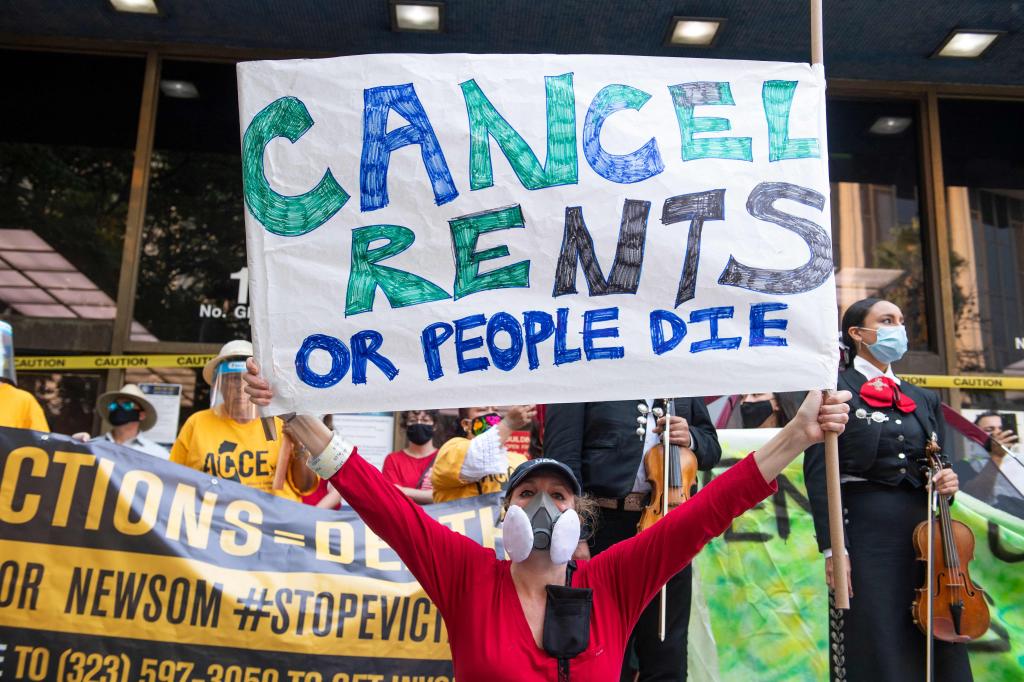
A study published in the Journal of the American Medical Association reveals that renters facing eviction during the first two years of the COVID-19 pandemic experienced a 106% higher mortality rate than expected, emphasizing the fatal consequences of housing insecurity. The research, which analyzed 282,000 renters, highlights the critical link between housing stability and public health, with the lead author emphasizing that the ongoing housing affordability crisis poses a significant threat despite the easing of COVID-19.
A recent RentCafe study ranks the top 10 U.S. cities where renters' incomes go the furthest, with Sunnyvale, California, and Surprise, Arizona, taking the top spots. Despite high living costs, renters in these cities benefit from significantly higher median incomes, making them relatively affordable places to live. However, a recent Harvard study shows that more renters than ever are burdened by housing costs, with half of U.S. renters putting over 30% of their income toward rent.