President Trump announced via social media that he has instructed his representatives to purchase $200 billion in mortgage bonds to lower interest rates and make homeownership more affordable, leveraging the financial strength of Fannie Mae and Freddie Mac, though the specifics of the implementation remain unclear.
ICE arrests in South Texas have severely impacted the construction industry by causing worker shortages and delays, leading to economic ripple effects and potential increases in housing costs, as industry leaders and workers express concern and call for action.
In California, the traditional view that homeownership is always financially advantageous is being challenged due to high prices, mortgage costs, and market uncertainties, making renting a potentially smarter financial choice for many, despite the social and personal benefits of owning a home.
The traditional 30% rule for rent affordability is less relevant today, especially in high-cost cities and for very low or high-income earners. Experts recommend creating a detailed budget and considering individual circumstances to determine affordable rent, rather than strictly adhering to the 30% guideline.
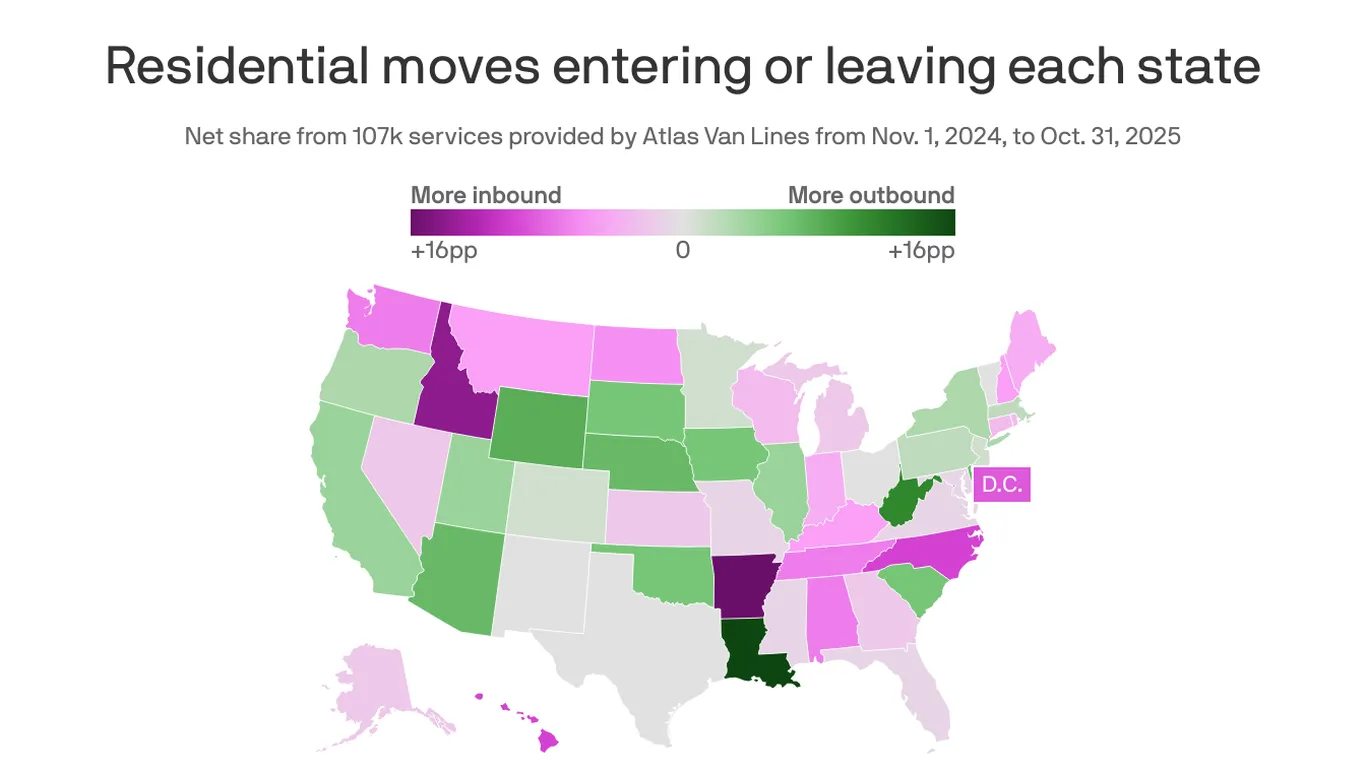
In 2025, Arkansas, Idaho, and North Carolina saw the most inbound moves, driven by factors like lower costs and job opportunities, while Louisiana experienced the highest outbound moves. Overall, U.S. migration slowed, with affluent and educated individuals more likely to move, influenced by lifestyle and family reasons, amid high housing costs and mortgage rates. Data from Atlas Van Lines highlights ongoing regional population shifts and economic implications.
State efforts to regulate AI in housing to prevent discrimination and manipulation face potential disruption from President Trump's executive order, which aims to challenge and limit such state laws, creating legal uncertainty amid ongoing debates over AI's role in addressing housing affordability.
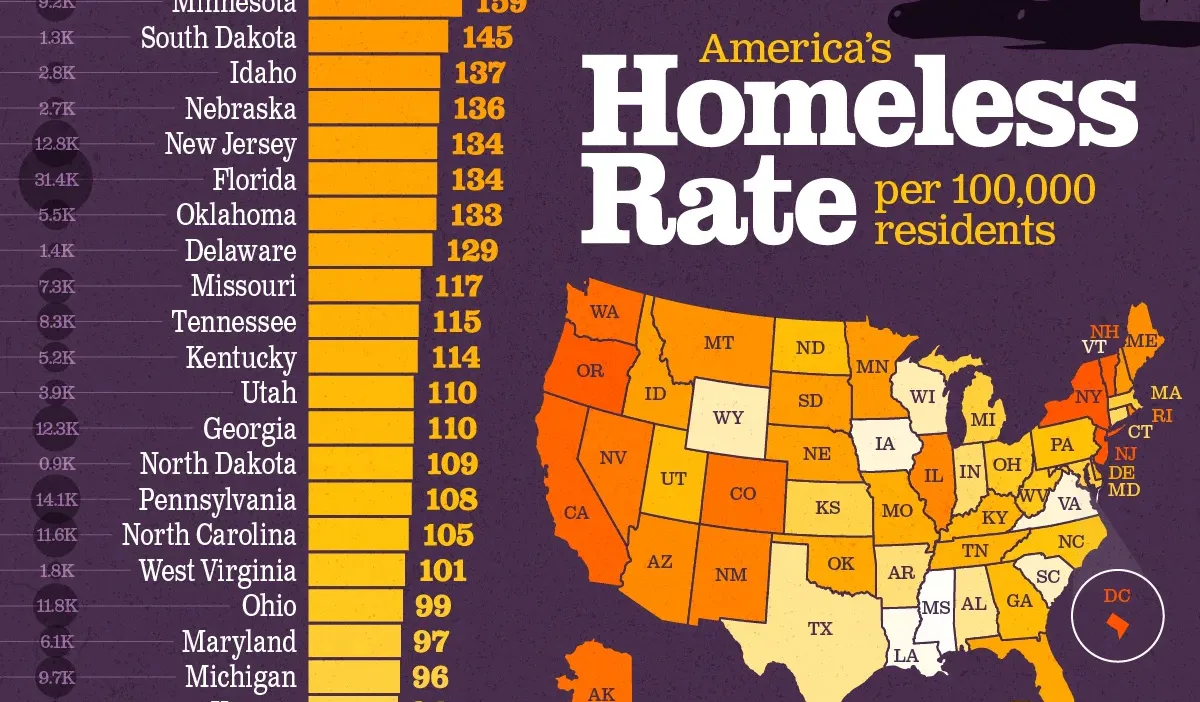
Hawaii has the highest homelessness rate in the U.S., followed by Washington D.C. and New York, with a strong correlation between high housing costs and homelessness. The data highlights regional disparities, with West Coast states experiencing higher rates due to rising rents, while Southern and Midwestern states report lower rates, likely due to more affordable housing and land availability.
Originally Published 2 months ago — by Wolf Street
The article discusses a significant outlier in the Owner's Equivalent of Rent (OER) component of the Consumer Price Index (CPI), which heavily influenced inflation readings in September 2023. Due to an anomaly, OER's minimal increase of 0.13% significantly lowered the overall CPI, core CPI, and core services CPI figures, potentially underestimating true inflation levels. Without this outlier, inflation would have appeared much higher, especially in core services, which are heavily weighted by housing costs.
Greystar and 25 property management companies agree to pay over $141 million to settle a lawsuit alleging they used rent-setting algorithms to inflate housing costs, with Greystar paying $50 million; the companies also commit to no longer sharing nonpublic data with RealPage, which denies wrongdoing. The settlement aims to address alleged anti-competitive practices in the rental market.
Greystar and 25 property management companies agree to pay over $141 million to settle a lawsuit alleging they used RealPage's rent algorithms to artificially inflate housing costs, with Greystar paying $50 million. The companies will also stop sharing nonpublic data with RealPage, marking a significant shift in the industry. RealPage denies wrongdoing, claiming its software's recommendations are misunderstood and that high rents are driven by housing supply issues.
More Americans are living paycheck to paycheck, with projections indicating this trend will worsen, leading to decreased retirement savings due to rising costs like housing and education, and major life events disrupting savings plans. Experts advise engaging in personalized retirement planning to improve financial security.
The US Census Bureau reported a slight decrease in income inequality, increased educational attainment, greater demographic diversity, fewer people moving, and rising housing costs in 2024, reflecting ongoing economic and social shifts in the United States.
The article discusses concerns over the reliability of US inflation data, highlighting recent political interference with the Bureau of Labor Statistics, and presents evidence that underlying inflation, especially in core services and manufactured goods, is accelerating despite seemingly benign headline figures. It emphasizes the lagging measurement of housing costs and the potential for manipulated inflation reports to influence government policy and financial markets.
Inflation in the New York metropolitan area is higher than the national average, mainly driven by rising housing, energy, education, and childcare costs, although recent data shows some easing in housing inflation. Despite this, New York's inflation rate since pre-COVID remains slightly below the national rate, with forecasts indicating it will continue to outpace the national average in the coming years.
In 2025, the most expensive states in the U.S. to live in are California, Hawaii, Massachusetts, New York, and Oregon, primarily due to high housing costs, insurance premiums, and living expenses, with California being the most costly overall.