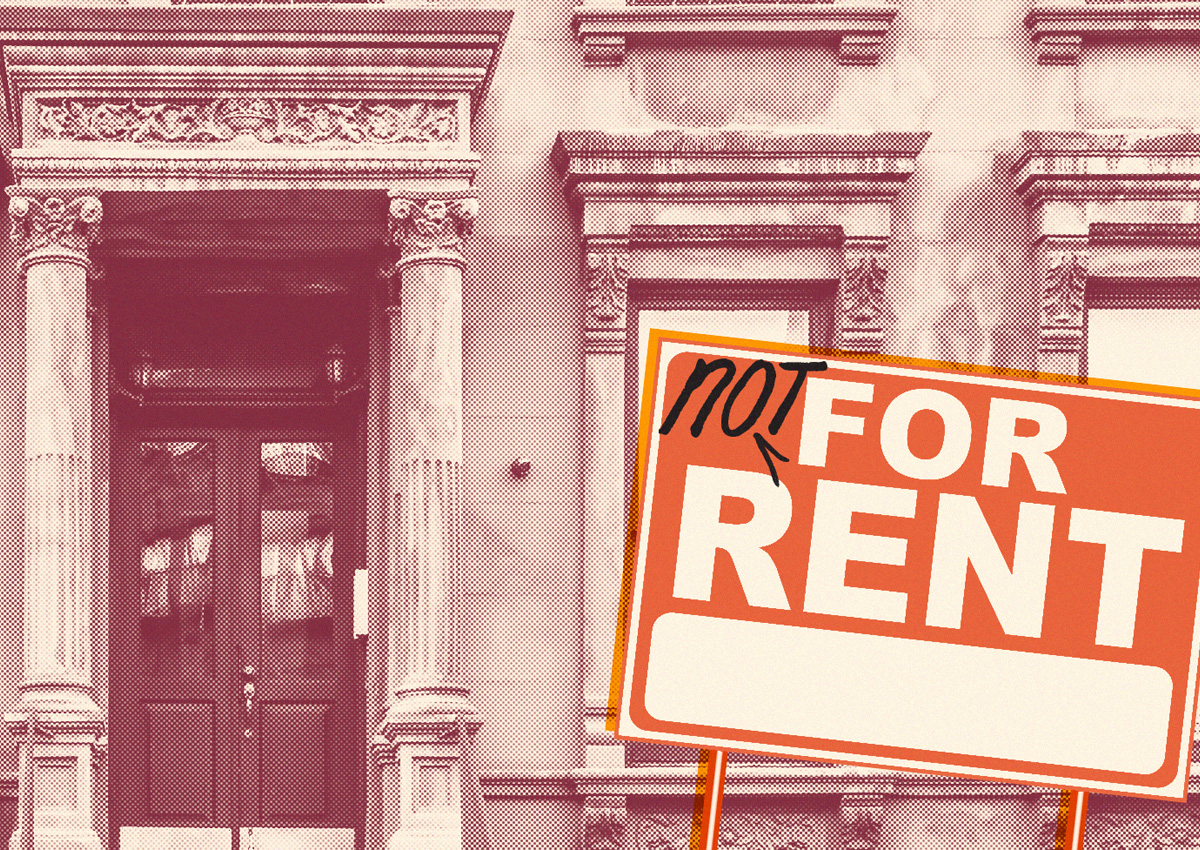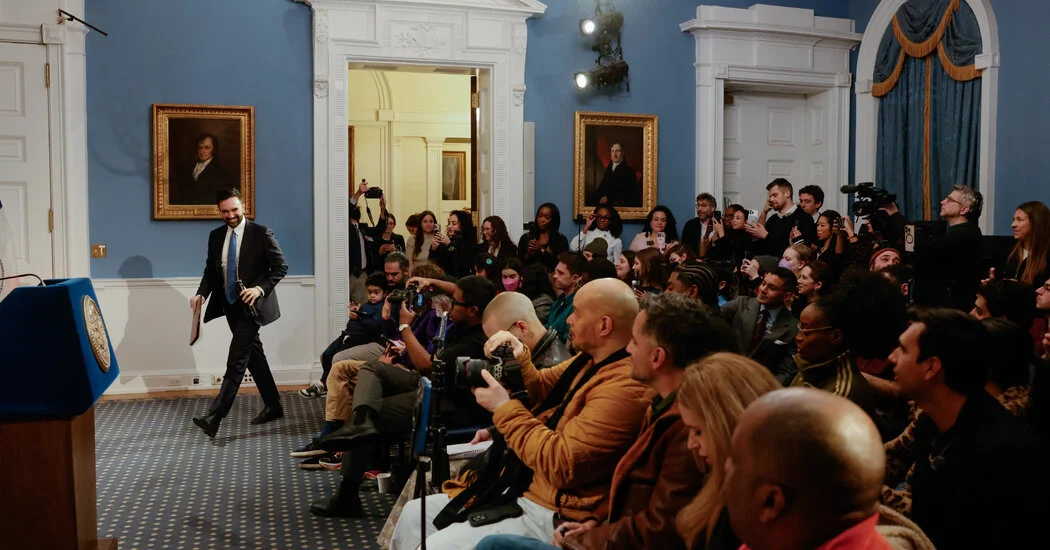
In his first week as NYC mayor, Zohran Mamdani blends campaign theater with governing, addressing content creators at City Hall and signaling a policy push with plans for rental 'rip-off' hearings to hold landlords to account, all while his familiar media persona and social-media presence frame his approach to leadership.

Starting January 1, 2023, California law requires landlords to provide all apartments with a working stove and refrigerator, ending a regional trend where tenants often had to buy their own appliances, which has been seen as a barrier for low-income renters. The law aims to improve living standards and reduce costs for tenants, though it faces opposition from realtor groups concerned about increased legal disputes and reduced rental availability. Enforcement will be managed locally, with tenants able to file complaints if landlords fail to comply.
Wealthy New York City landlords and business leaders are mobilizing to support former Governor Andrew Cuomo's bid for mayor, aiming to prevent Assemblyman Zohran Mamdani from winning, amid a chaotic and competitive mayoral race.
The New York City council has passed the Fairness in Apartment Rental Expenses Act (Fare), which eliminates broker fees for tenants, shifting the cost to landlords. This move aims to reduce the high upfront costs of renting in the city, where the median rent is $3,500. The bill, passed with a veto-proof majority, will take effect 180 days after becoming law. While Mayor Eric Adams has expressed concerns about the impact on small property owners, the legislation is seen as a step towards fairness in rental expenses.
A new bill is expected to pass that will shift the responsibility of paying broker fees from renters to landlords, potentially easing the financial burden on tenants in the housing market.
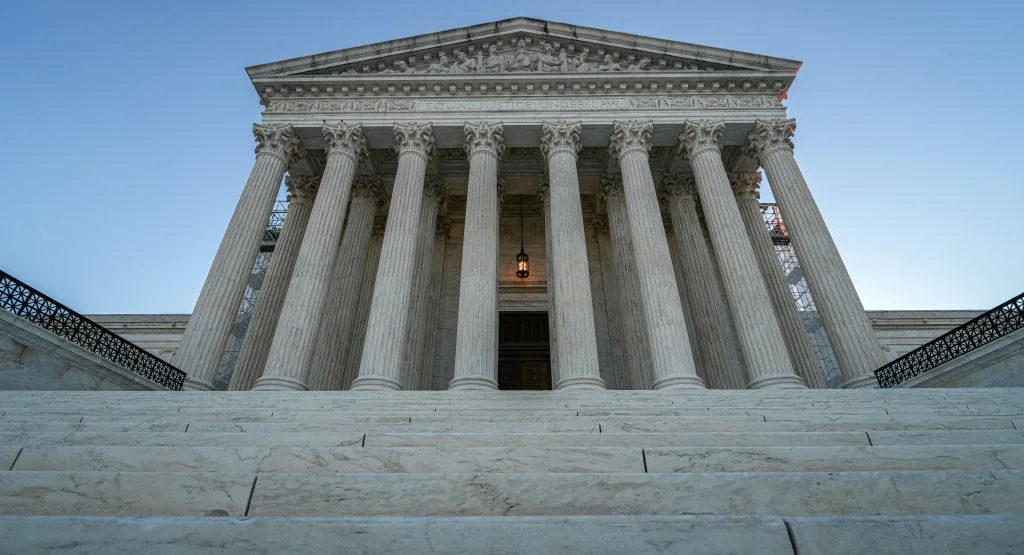
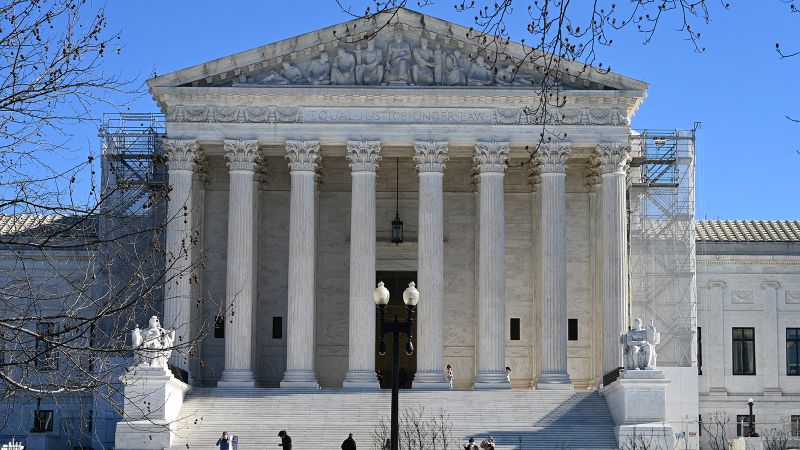
The U.S. Supreme Court declined to hear challenges to New York's rent stabilization laws, which cap rent increases on about 1 million apartments citywide, brought by landlords who argued the regulations prevented them from evicting tenants after their leases expired. The court's decision not to take up the case leaves the possibility of future challenges open. Landlord groups are urging state lawmakers to revise regulations that limit rent increases on vacant apartments and apartment renovations, while lawmakers are open to reviewing rules capping increases related to individual apartment improvements. Gov. Kathy Hochul stated that the regulations are crucial tools to fight inequality and preserve affordability.
The Supreme Court declined to hear challenges to New York's rent stabilization laws, which impose strict rules on landlords leasing some units, meaning the laws will stand. The laws, which apply to buildings with six or more units built before 1974, limit rent charges and lease renewals, and make it difficult for landlords to convert rental units into condominiums. Landlords argued the laws violate the US Constitution, but lower courts ruled against them. The city's lawyers argued the laws protect tenants and communities, and the Supreme Court declined to intervene, leaving the rent stabilization laws in place.
New York's tenant protections have led to some property owners being hesitant to rent out their homes due to horror stories of difficult and non-paying tenants who are difficult to evict. These stories include instances of tenants causing property damage, not paying rent, and manipulating the legal system to live rent-free for years. While the majority of tenants are responsible, these anecdotes have led to a lack of confidence among some property owners. Finding a middle ground that reasonably protects tenants while giving owners the confidence to rent their unused homes is crucial in addressing the affordable housing crisis in New York.
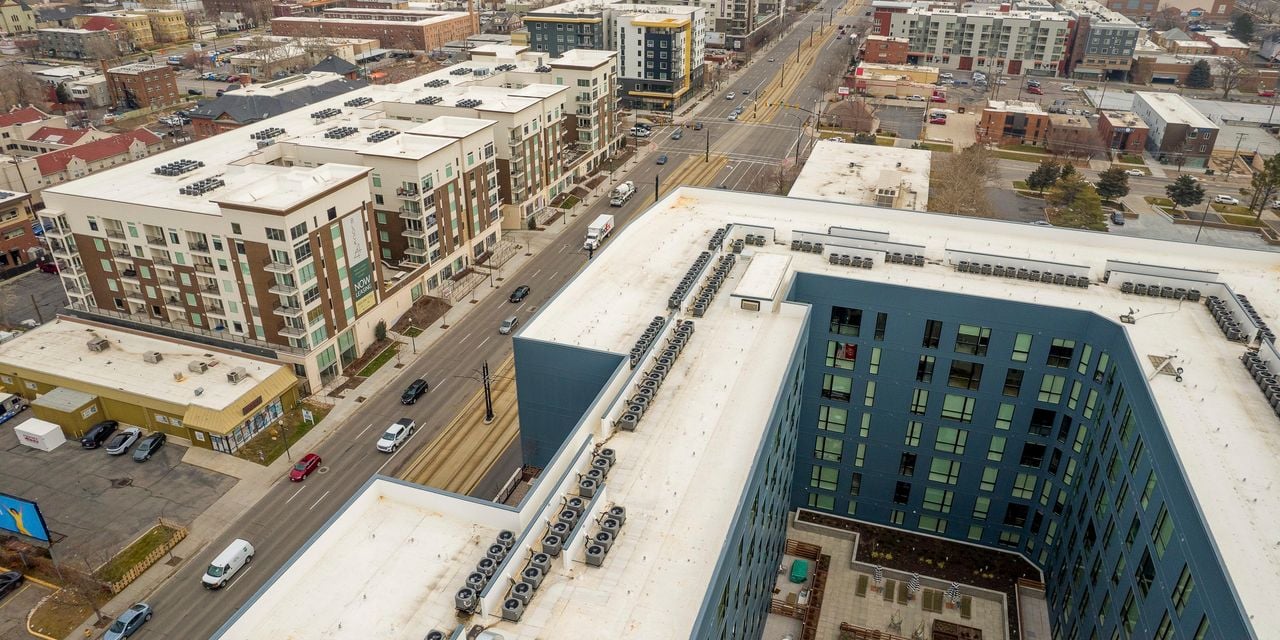
Landlords across the country, including in Virginia Beach, are offering concessions to attract and retain tenants, as the housing market becomes more competitive. Renters are benefiting from lower rents and reduced security deposits, as landlords strive to fill vacancies and keep their properties occupied.
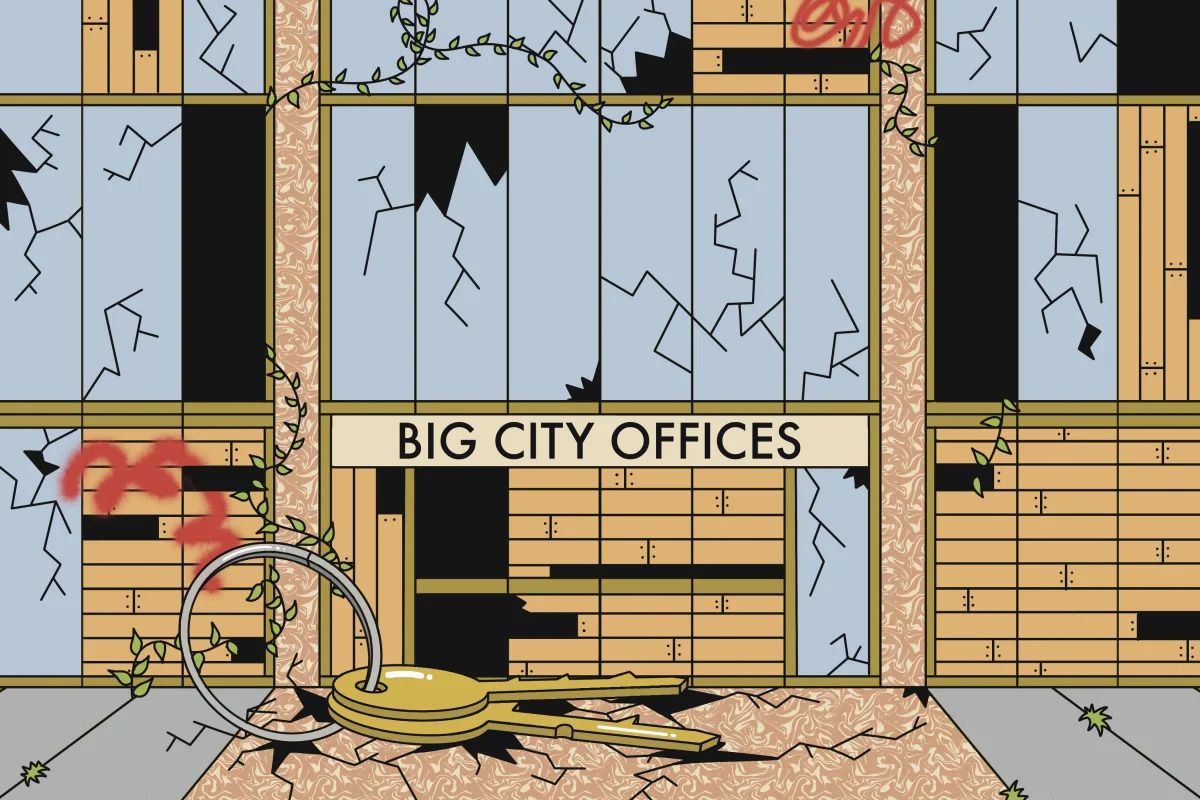
Office landlords, facing the impact of remote work, are resorting to "handing back the keys" by defaulting on mortgages or refusing to refinance office buildings. This tactic allows banks or investors to repossess the buildings, shifting the financial burden onto lenders. Major players in commercial real estate, such as Brookfield and Blackstone, have already defaulted on mortgages, highlighting the challenges in the office market. The pandemic has demonstrated that employees can work effectively from home, leading companies to downsize office space and leaving many office towers unprofitable. Approximately 23% of office space in the US was vacant or available for sublet at the end of November. "Handing back the keys" limits landlords' losses on buildings that have significantly decreased in value.
Hypha Studios, a London-based nonprofit, provides free working spaces for artists in vacant commercial spaces, benefiting both the artists and landlords. By allowing artists to utilize empty stores and offices, landlords can save money on property taxes and enhance their corporate responsibility image. Similar organizations like ChaShaMa in New York have successfully implemented this model, providing long-term spaces for artists and fostering a sense of community. However, artists without gallery representation may struggle to sell their work and gain recognition in the art market.
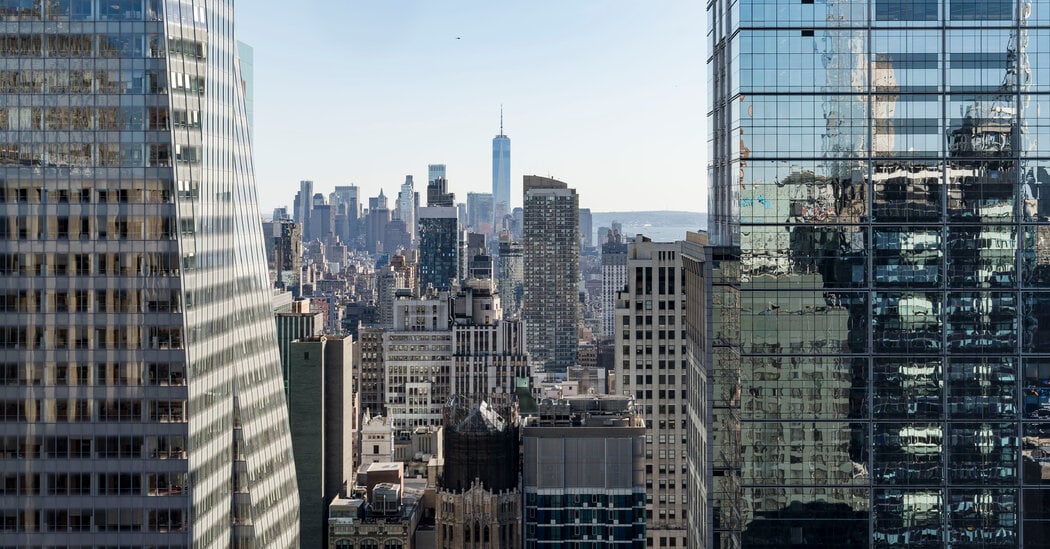
A potential bankruptcy filing by WeWork, the co-working company, would have a devastating impact on New York's already struggling office market. With the pandemic causing companies to scale back their office footprint, landlords have already been dealing with lower rents and increased vacancies. WeWork's bankruptcy would hit landlords that have leased a significant amount of space to the company, particularly in New York, and are already struggling to make debt payments. While some landlords may accept lower rents from WeWork as part of a bankruptcy reorganization, others may have to fight in court to recover any payments. The fallout from a WeWork bankruptcy would be felt most in older office buildings in Midtown and downtown Manhattan, which were heavily leased to the company.
The D.C. Attorney General has filed a lawsuit against 14 of the city's largest landlords, accusing them of neglecting their properties and violating tenant rights. The lawsuit alleges that the landlords have failed to provide basic services, such as heat and hot water, and have allowed their properties to fall into disrepair. The Attorney General is seeking financial penalties and injunctive relief to address the alleged violations and protect tenants' rights.
Landlords in Southern California and other areas are increasingly imposing additional fees on tenants, reminiscent of the nickel-and-diming tactics used by airlines. These fees, ranging from $5 to $10, cover services that were once included in the rent, such as trash pickup, pest control, mailbox use, and routine maintenance requests. Some landlords even charge fees for moving in and out or for "lease administration." These added fees come as rents have already risen by 25% since early 2021, putting further financial strain on tenants. Critics argue that these practices are unjustified and take advantage of the fact that people need a place to live.
Proptech startup Rent Butter aims to provide landlords with a more equitable way to screen potential tenants by offering an alternative to credit scores. The screening tool connects to an applicant's bank account to assess their financial stability based on alternative data such as rent payment history, credit behavior, and income/expense information. By providing more comprehensive insights, including credit score trends, the tool helps landlords make informed decisions and reduce risk, fraud, and turnover. Rent Butter recently raised $3 million in funding and currently serves properties with 120,000 residential units.