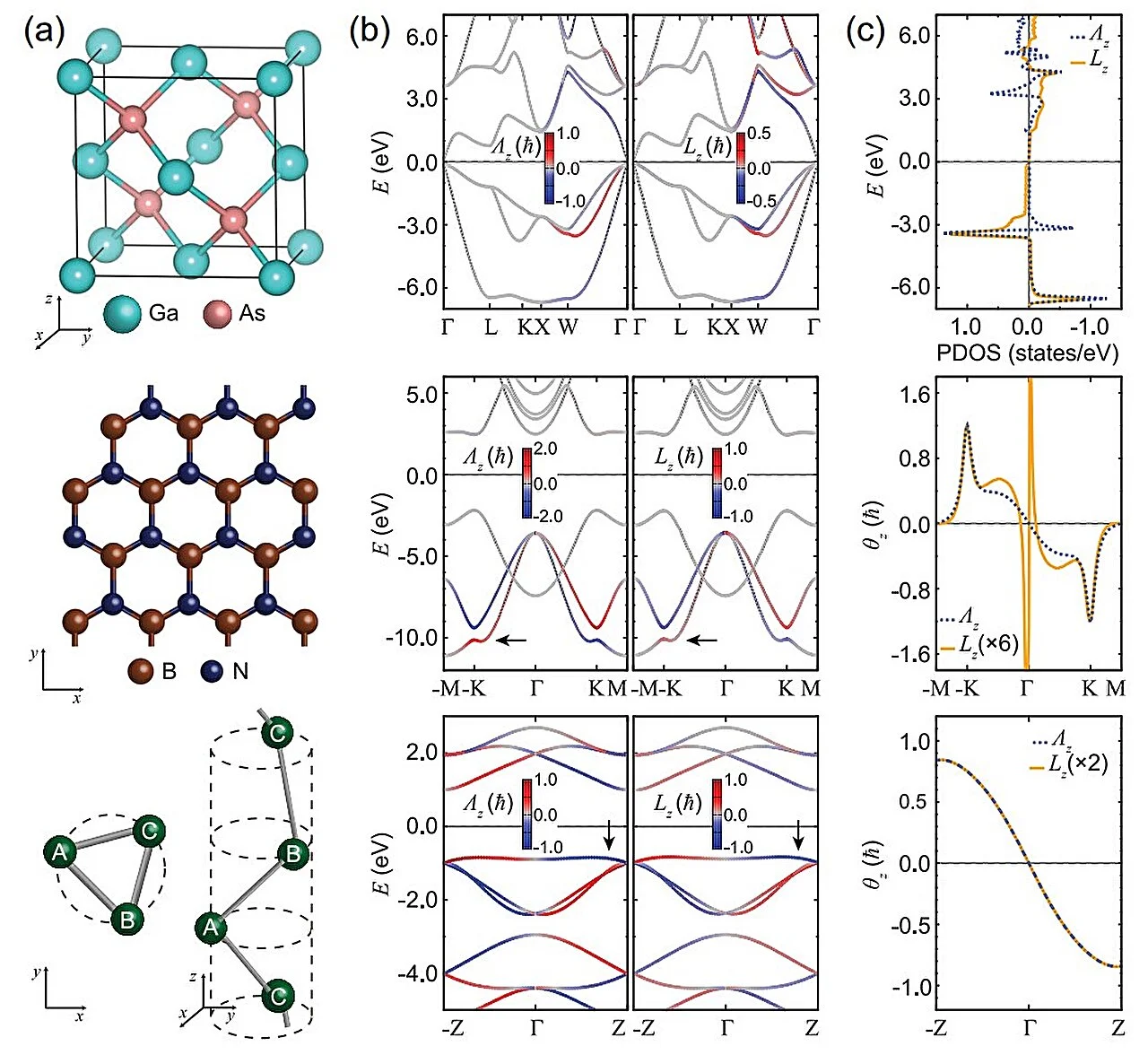
A new theoretical framework has been developed that unifies quantum mechanics and relativity in describing electron spin-lattice interactions in solids, improving the accuracy of modeling spin-related phenomena and advancing potential applications in spintronics and quantum technologies.
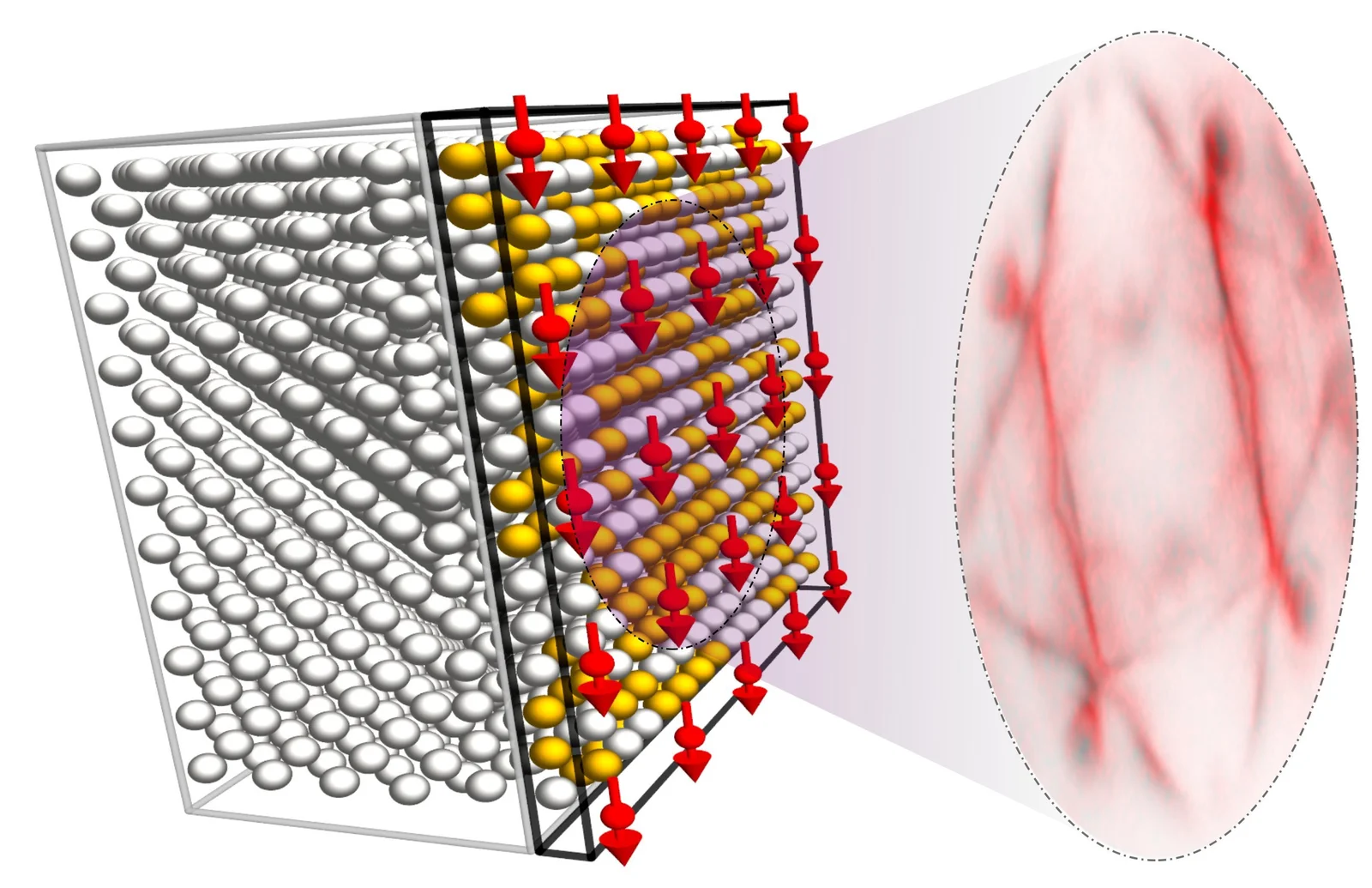
Researchers at Forschungszentrum Jülich have created the world's first experimentally verified two-dimensional half metal, a material that conducts electricity using electrons of only one spin type, which could advance energy-efficient spintronic devices and operate effectively at room temperature.
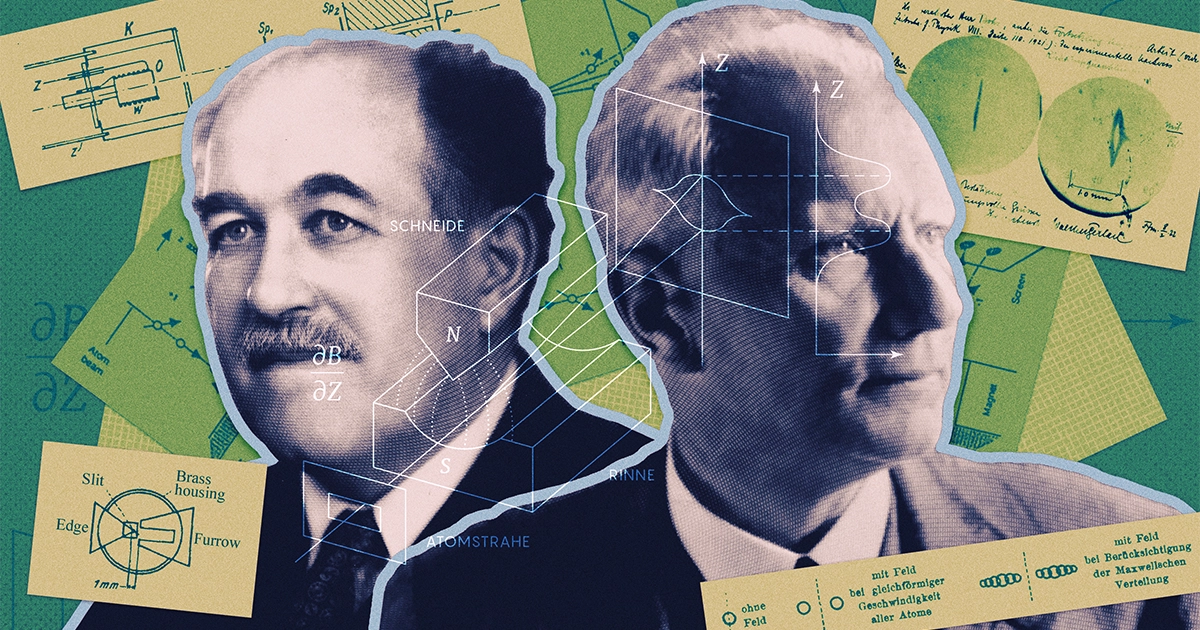
The Stern-Gerlach experiment, conducted in 1922, confirmed the existence of quantum phenomena and played a crucial role in the development of quantum theory. The experiment involved shooting silver atoms at a detector and observing the splitting of the silver deposit. While the scientists initially attributed the splitting to the orbit of the atom's outermost electron, it was later discovered that it was actually due to the quantization of the electron's internal angular momentum, known as spin. This unexpected result led to a deeper understanding of quantum mechanics and challenged previous interpretations of the experiment.
Scientists have discovered an unusual ultrafast mechanical motion tied to a change in magnetic state in layered antiferromagnetic materials. By scrambling the ordered orientation of electron spins in the material using ultrafast laser pulses, the researchers observed a sliding motion between layers, with each oscillation occurring at an incredible speed of 10 to 100 picoseconds. This discovery could have important implications for nanodevices requiring ultra-precise and fast motion control, such as high-speed nanomotors for biomedical applications.
An international research team has successfully measured the electron spin in a new class of quantum materials called "kagome materials" for the first time, potentially transforming how quantum materials are studied. This advancement could pave the way for developments in fields like renewable energy, biomedicine, electronics, and quantum computing. The researchers used advanced experimental techniques, including a synchrotron source, and modern techniques for modeling the behavior of matter to measure electron spin related to the concept of topology. The results obtained could help us learn more about the special magnetic, topological, and superconducting properties of kagome materials.
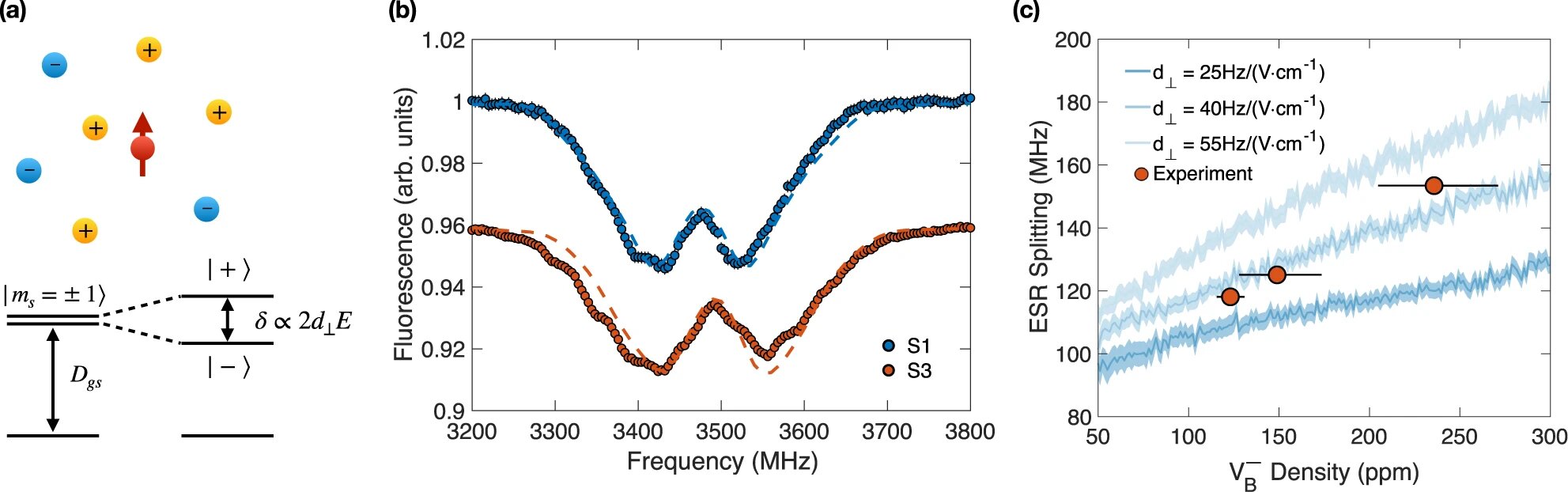
Researchers at Washington University in St. Louis have found new ways to harness the quantum power of defects in boron nitride, a material that forms sheets so thin it can be considered two-dimensional. By bombarding microscopic flakes of the material with atoms of helium, the researchers created tiny gaps that naturally fill with electrons that are highly sensitive to their surroundings, making them potentially useful as quantum sensors. The boron nitride sensors could be used in a wide variety of substances, from geologic to biologic, and could be applied at room temperature.