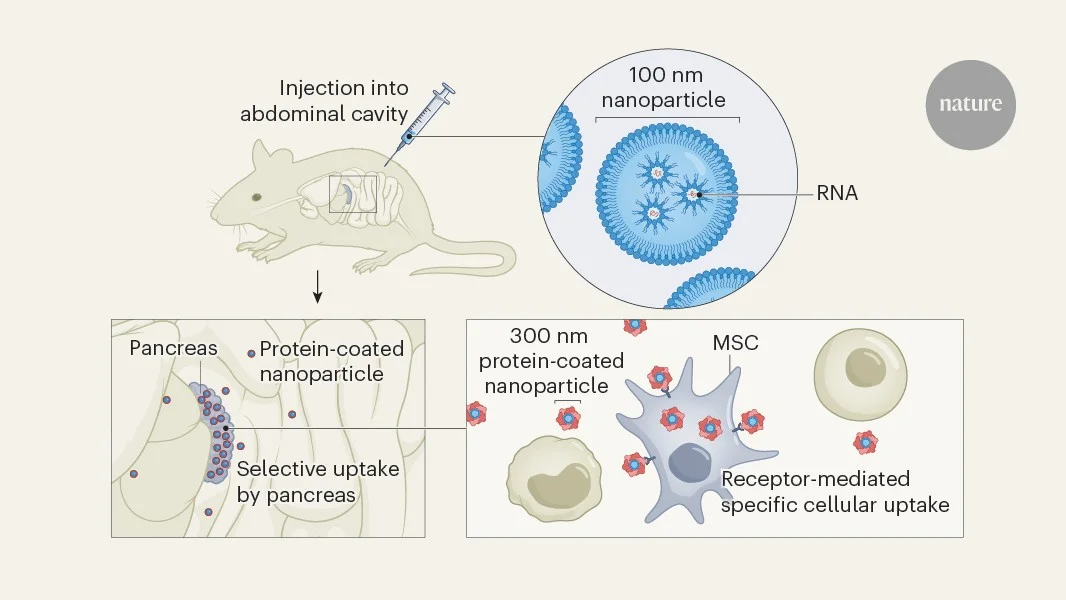
Nature News & Views highlights Lei et al.’s method for engineering lipid nanoparticles that specifically deliver therapeutic RNA to pancreatic cell populations in animals, addressing liver-biased distribution and enabling new avenues for treating currently incurable pancreatic diseases.
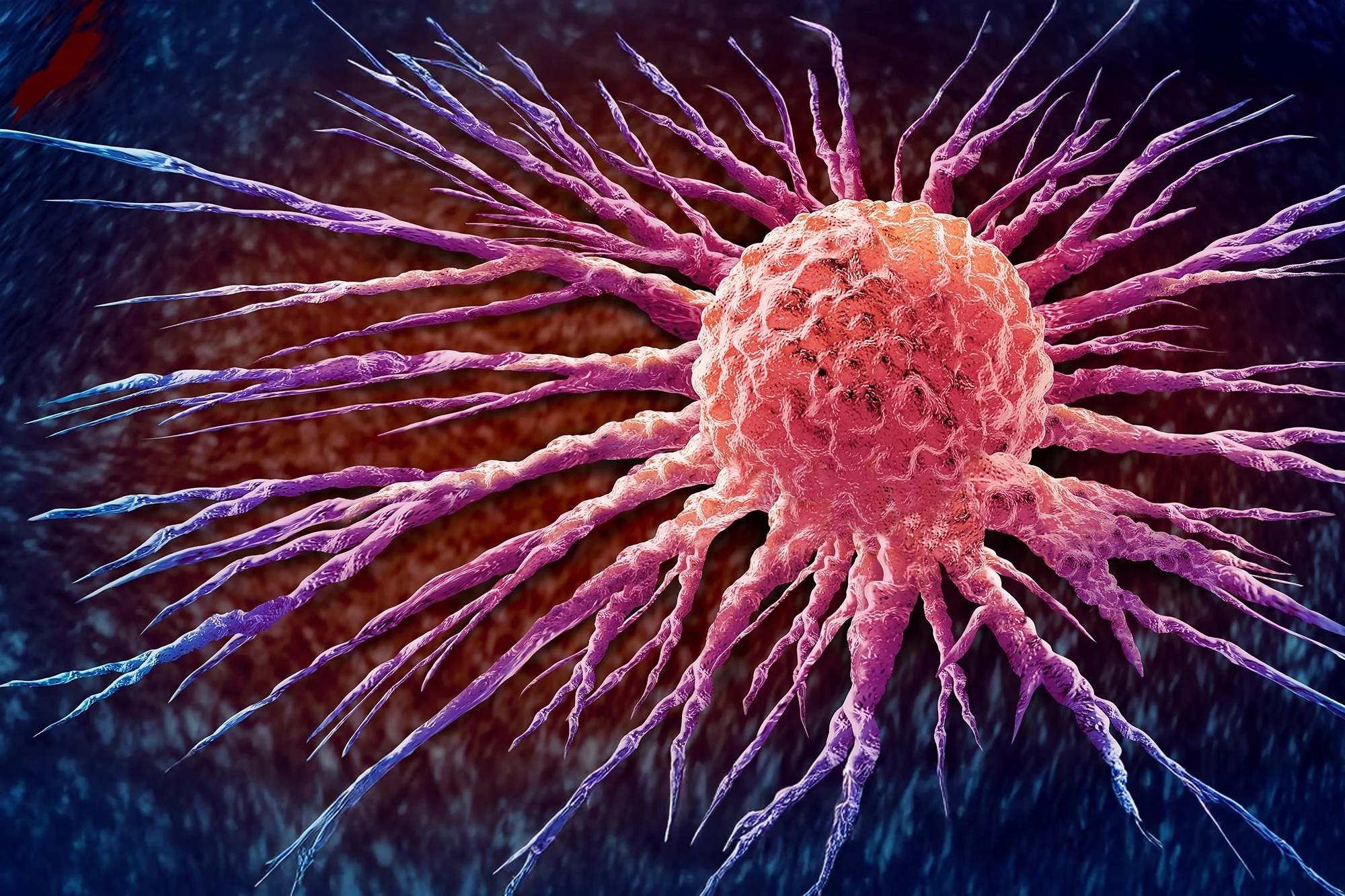
Researchers are investigating how cancer uses extracellular vesicles to colonize new organs and are creating artificial liposomes that mimic these vesicles to observe uptake by cancer cells in real time, with the goal of delivering targeted therapies and ultimately blocking metastasis while improving drug delivery.
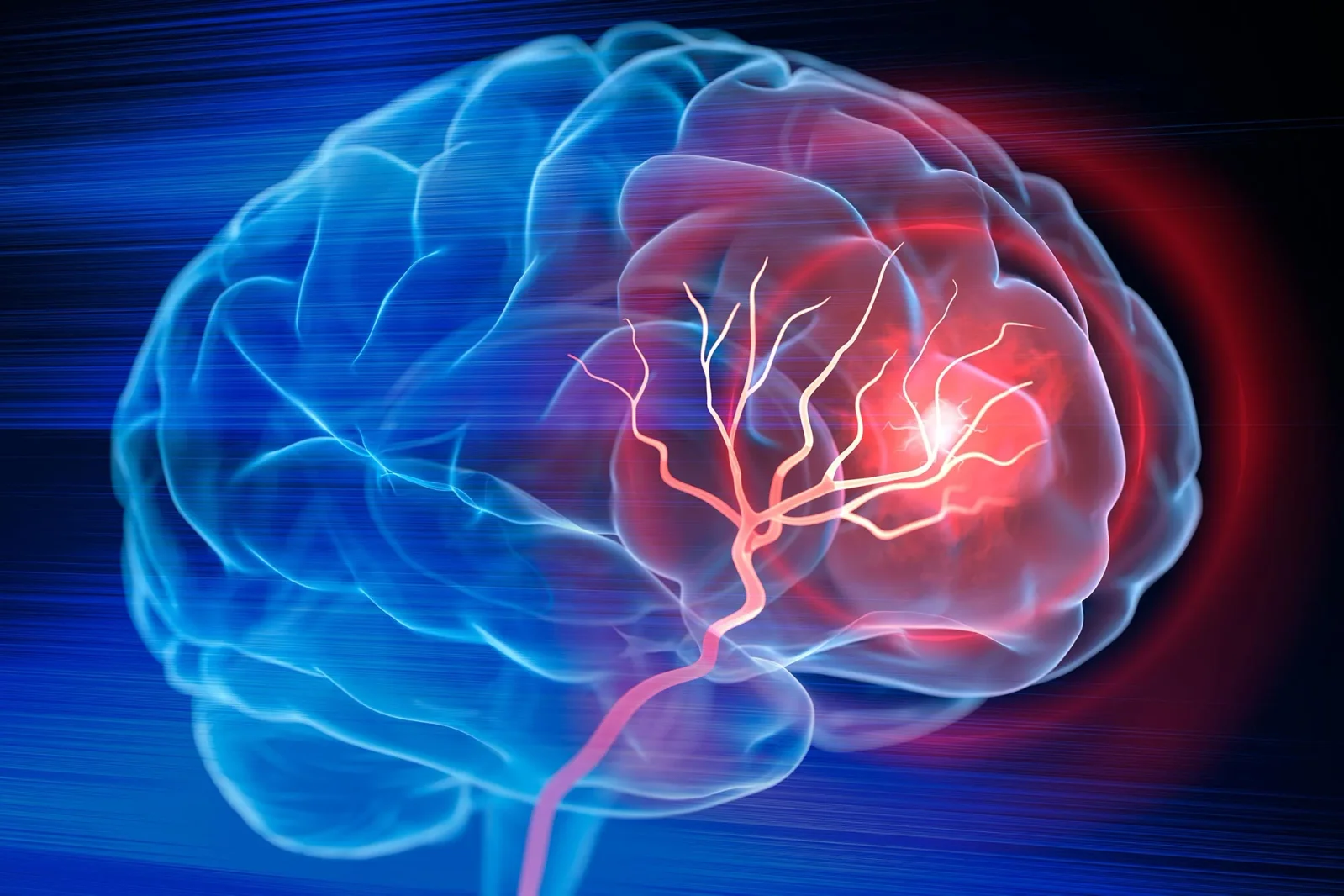
Northwestern researchers have developed an injectable regenerative nanomaterial built from dynamic “dancing molecules” that can cross the blood-brain barrier after reperfusion in a mouse model of ischemic stroke. Delivered intravenously immediately after clot removal, the therapy reduced brain damage and inflammation without observed toxicity, suggesting it could complement clot-busting treatments. The approach relies on smaller peptide assemblies crossing the BBB before larger nanofibers form in brain tissue, and may have implications for traumatic brain injury and neurodegenerative diseases. Next steps include longer-term functional studies and exploring additional regenerative signals.
Researchers at Northwestern University have developed a nanotech-based reformulation of the chemotherapy drug 5-fluorouracil using spherical nucleic acids, making it 20,000 times more effective against leukemia cells with minimal side effects, potentially revolutionizing cancer treatment.
Northwestern University scientists have redesigned a traditional chemotherapy drug into a spherical nucleic acid, increasing its potency by 20,000 times and targeting leukemia cells more precisely with no detectable side effects in animal models, potentially revolutionizing cancer treatment.
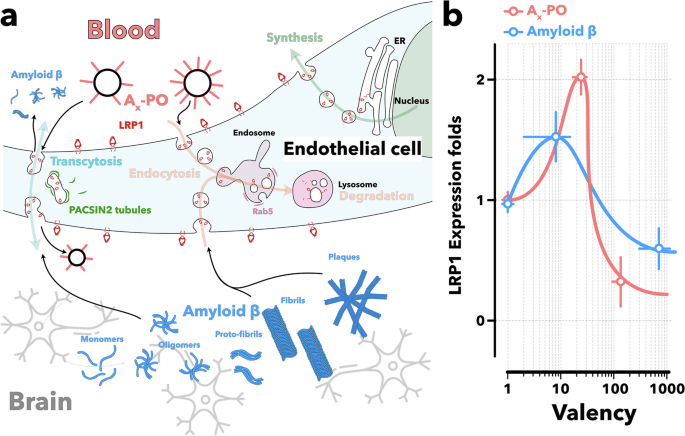
The article discusses a novel nanomedicine approach using mid-affinity, multivalent polymersomes targeting LRP1 to restore blood-brain barrier function, enhance amyloid-β clearance, and improve cognitive outcomes in Alzheimer's disease models, highlighting a shift from transport to repair strategies.
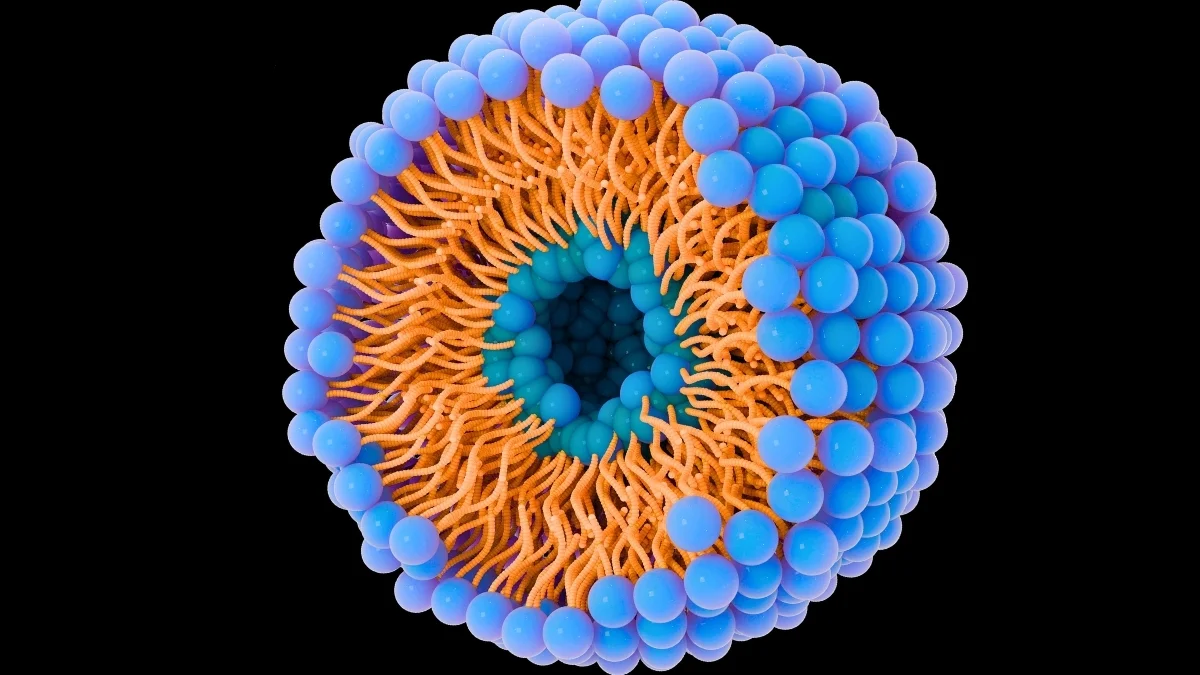
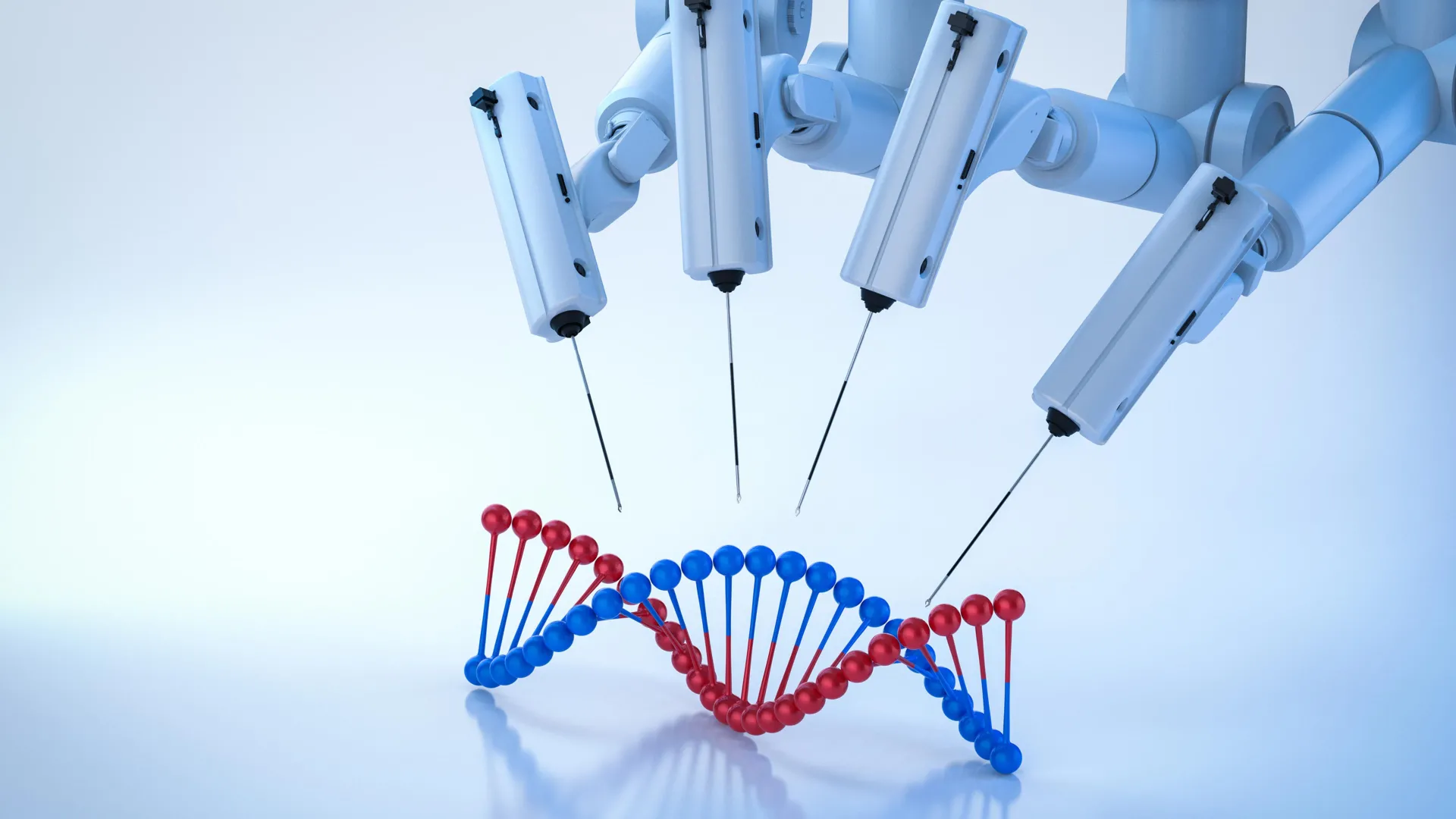
Scientists at Northwestern University developed lipid nanoparticle spherical nucleic acids (LNP-SNAs) that significantly improve CRISPR delivery into cells, tripling gene-editing efficiency, reducing toxicity, and enhancing the potential for safer genetic medicines.
Northwestern University researchers have developed DNA-wrapped lipid nanoparticle spherical nucleic acids (LNP-SNAs) that significantly enhance CRISPR delivery, increasing cell entry efficiency threefold, reducing toxicity, and improving gene editing success, paving the way for safer and more effective genetic medicines.
Scientists have developed a new form of oral insulin that can be taken as an alternative to syringes or insulin pumps, successfully testing it on animals and planning to begin human trials in 2025. The insulin is designed to be delivered to the liver using a specialized polymer that responds to blood sugar levels, offering more precise delivery and potentially reducing unwanted side effects. If successful, the oral insulin could provide a more convenient and effective option for diabetes management.
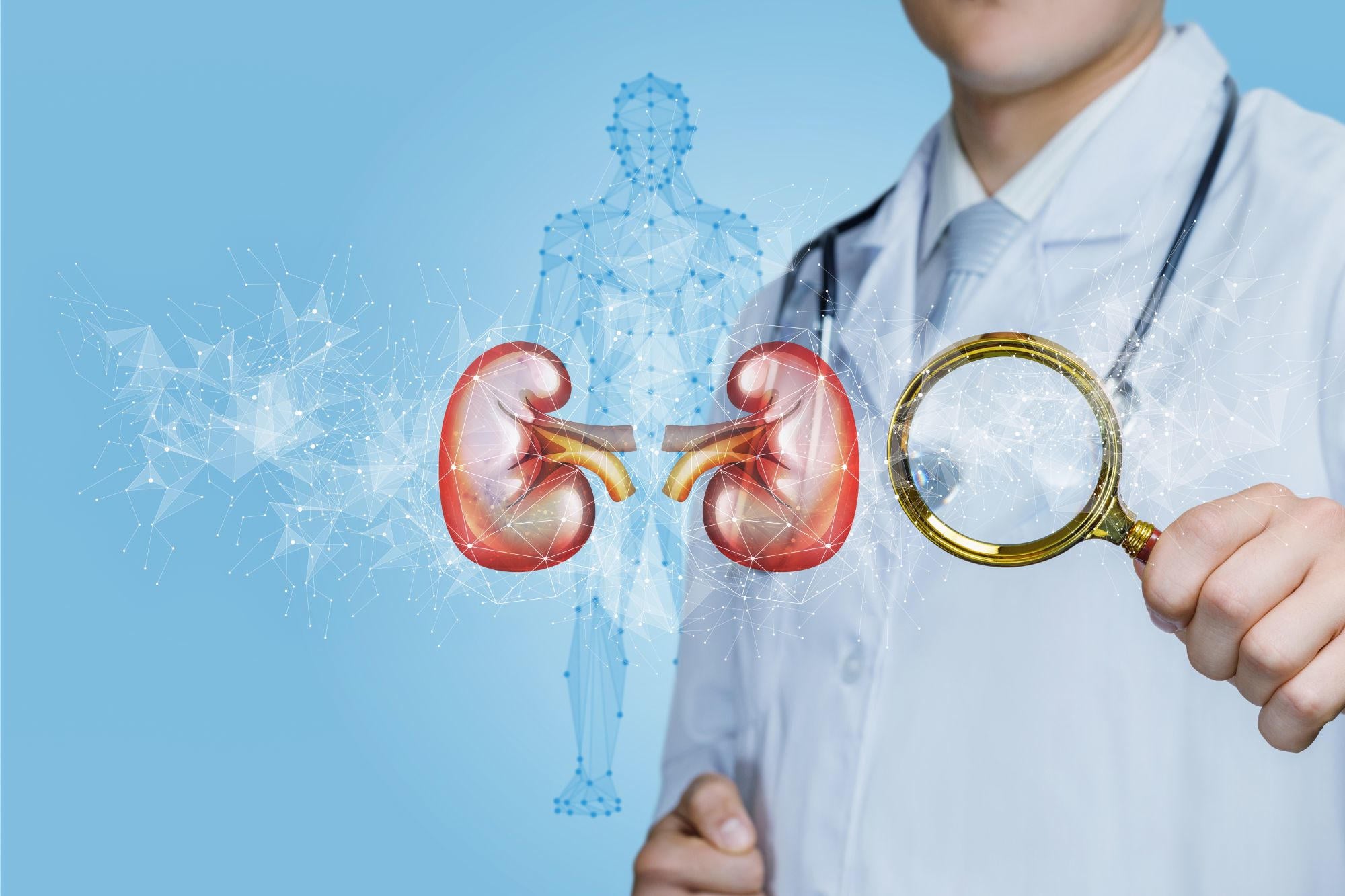
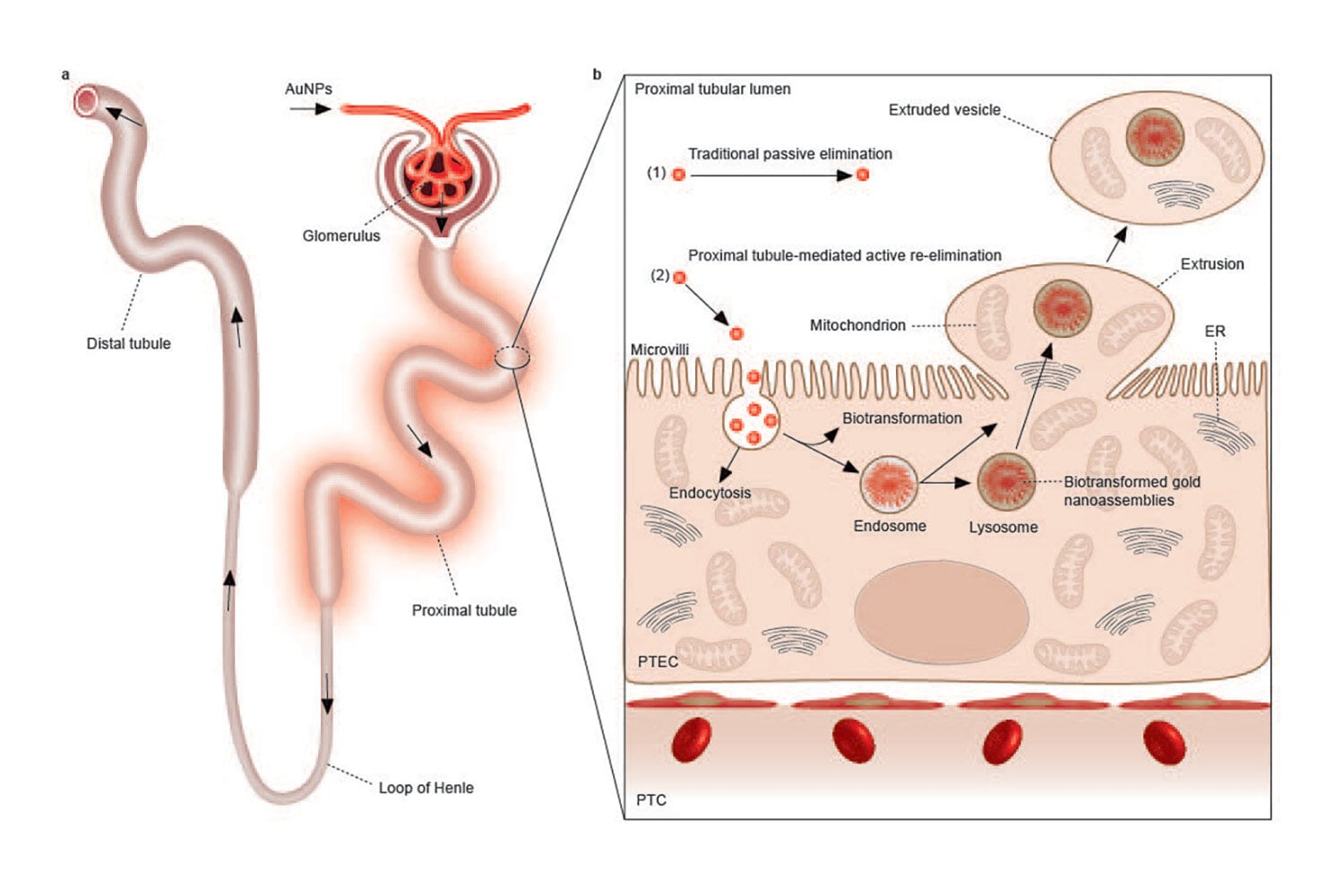
Scientists at the University of Texas at Dallas have discovered a unique "housekeeping" process in kidney cells that allows them to eject unwanted content, rejuvenating the cells and maintaining kidney health throughout one's lifetime. Unlike other organs that regenerate through cell division, kidney cells do not divide to create new cells. The newly identified self-renewal mechanism, which involves the extrusion of cellular contents, provides insights into how kidneys can stay healthy in the absence of injury or illness. Further research could lead to advancements in nanomedicine and early detection of kidney disease.
Researchers at the University of Texas at Dallas have discovered a unique "housekeeping" process in kidney cells that allows them to eliminate unwanted cellular contents and renew themselves without cell division. This self-renewal mechanism, which is different from how other tissues regenerate, helps explain the long-term health of kidneys. The discovery may have implications for nanomedicine and early detection of kidney disease. The researchers found that gold nanoparticles taken in by kidney cells are encased in lysosomes and other organelles, which are then extruded into vesicles that float off into the extracellular space. This process, called extrusion-mediated self-renewal, allows the cells to update themselves with fresh contents and function properly.