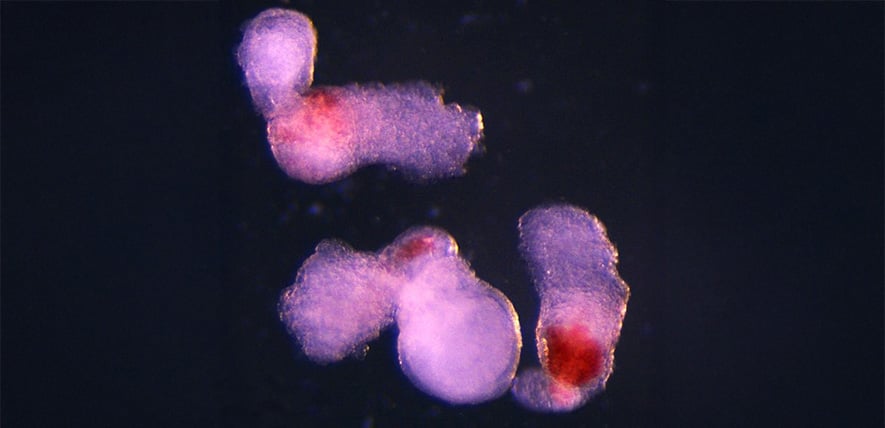
Researchers at the University of Cambridge have developed a lab-created embryo-like structure called 'hematoids' that can produce human blood cells, mimicking early embryonic blood development, with potential applications in understanding blood disorders and regenerative therapies.
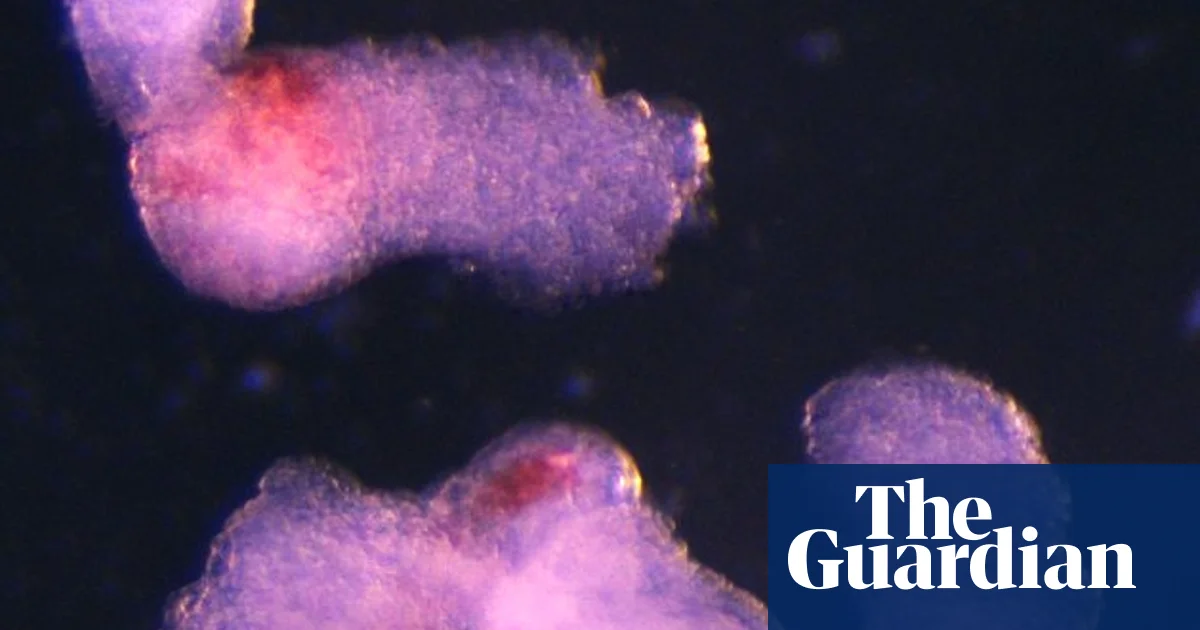
Scientists have created embryo-like structures from stem cells in the lab that can produce human blood cells, opening new avenues for regenerative medicine and understanding early human development, with potential applications in treating blood disorders and customizing therapies using a patient's own cells.
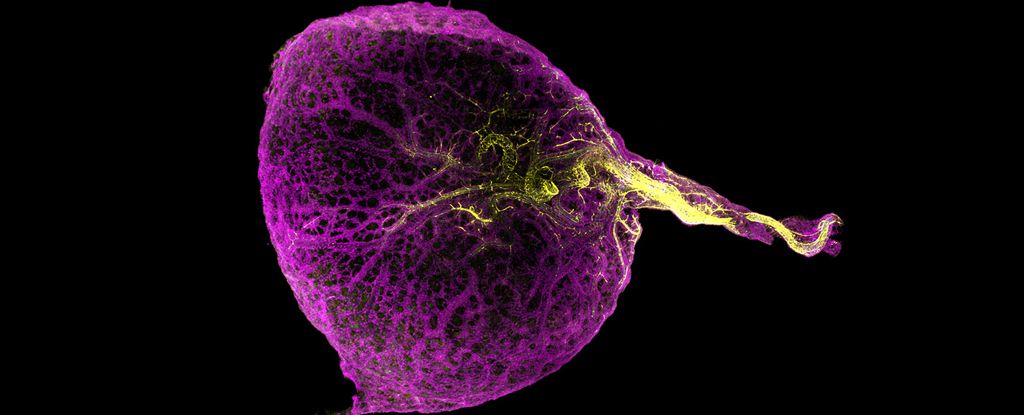
Researchers from the Wellcome Sanger Institute have discovered that the seemingly useless yolk sac in human embryos actually plays a crucial role in the development of the immune system. By sequencing RNA strands from human yolk sac cells, the researchers created a detailed atlas of the tissues, revealing that the yolk sac is responsible for producing the first blood cells and contributing to various important early functions. The study also identified significant differences between human yolk sac tissues and those in typical lab models, providing valuable insights into early human development and potential applications in disease research and tissue engineering.