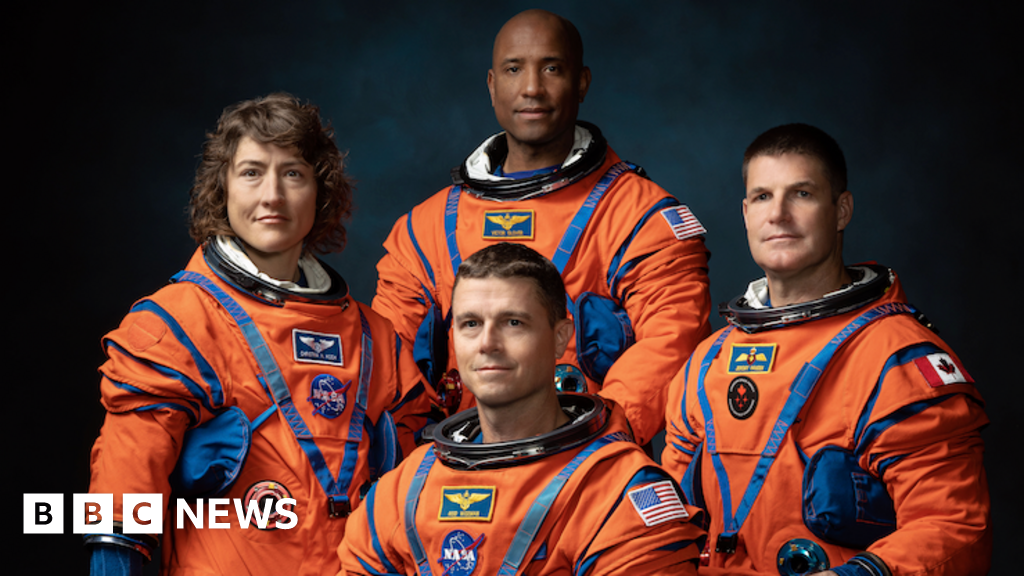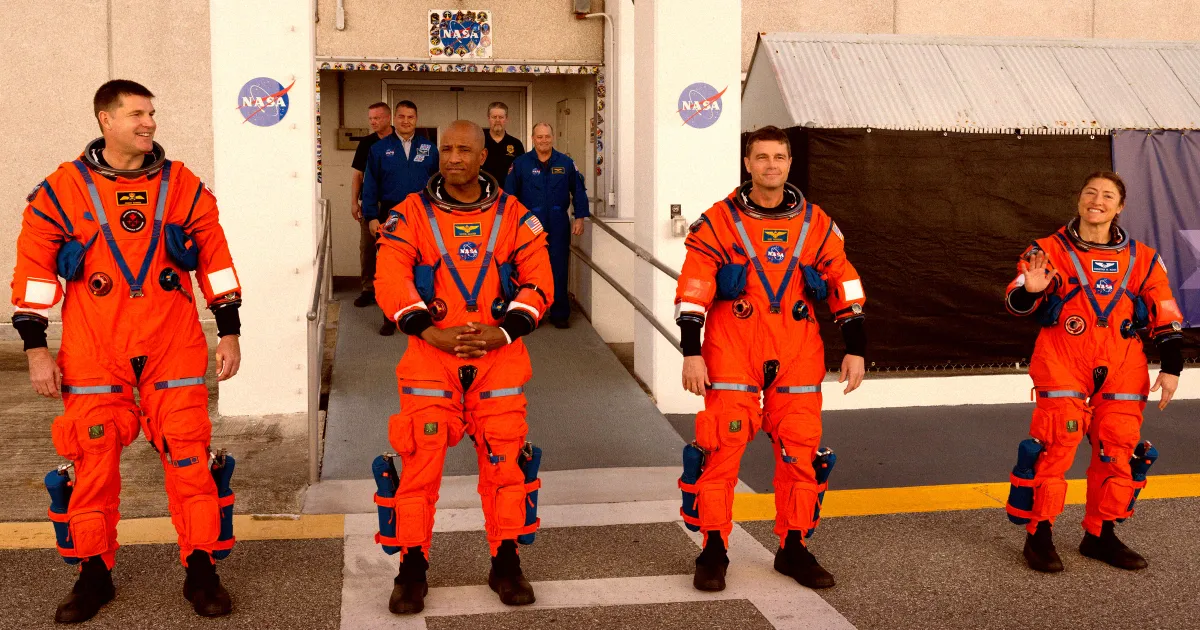
NASA's Artemis II mission, the first crewed Moon mission in over 50 years, is scheduled to launch between February 6 and April 2023 from Kennedy Space Center, with a crew of four astronauts testing spacecraft systems and preparing for future lunar landings, but it will not land on the Moon itself.
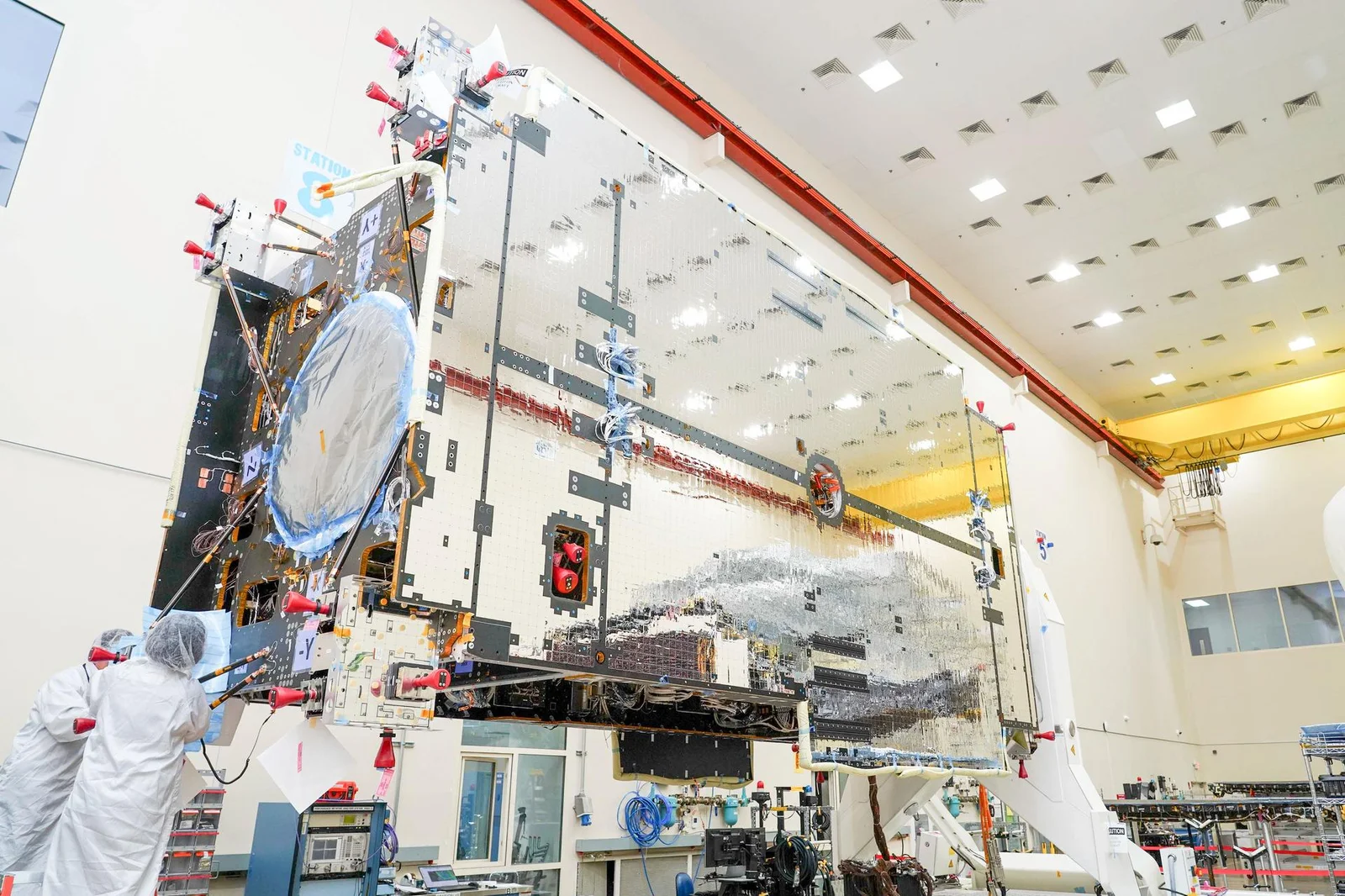
NASA has successfully powered on the Power and Propulsion Element for the Gateway lunar orbit station, demonstrating its capability to generate 60 kilowatts of power, support communications, attitude control, and orbital maneuvers, marking a significant milestone in lunar exploration technology.
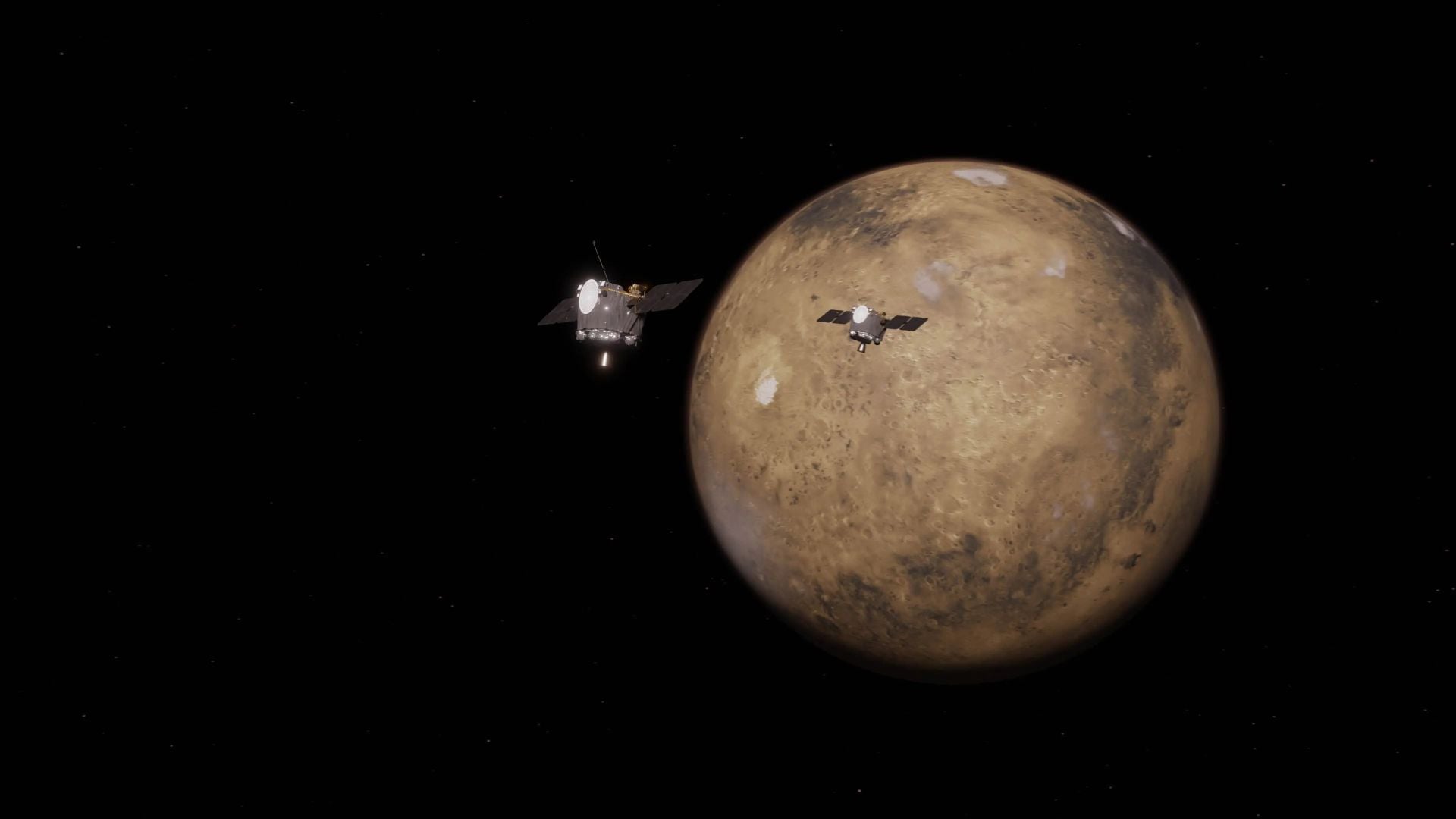
NASA's twin ESCAPADE probes were launched into a loiter orbit near Earth's Lagrange point 2 to analyze solar wind interactions with Mars' atmosphere. They will use Earth's gravity for a slingshot to Mars in late 2026, with a planned orbit insertion in 2027. The extra year in space adds some wear but is deemed manageable, serving as a template for future Mars missions and colonization efforts.
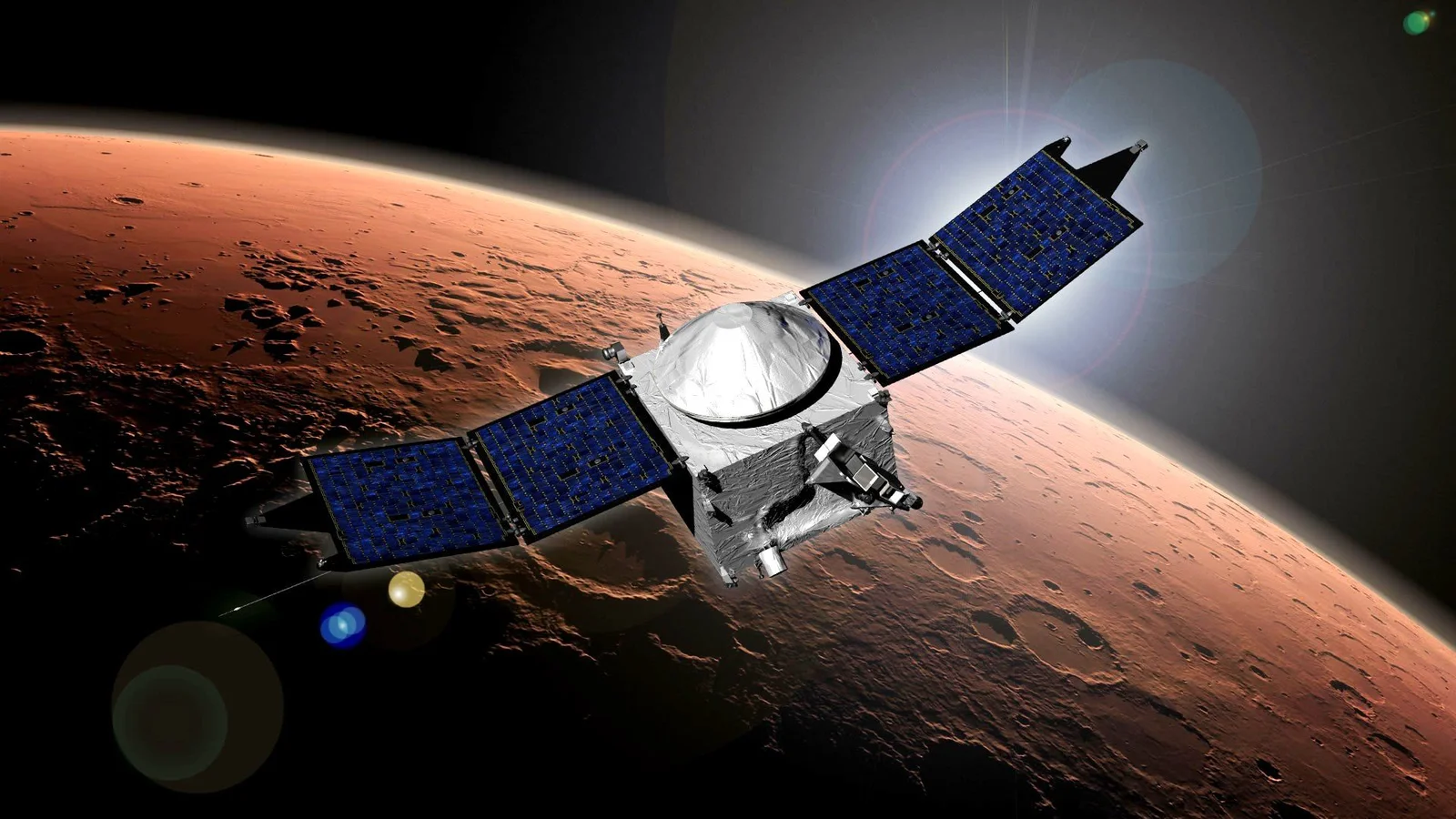
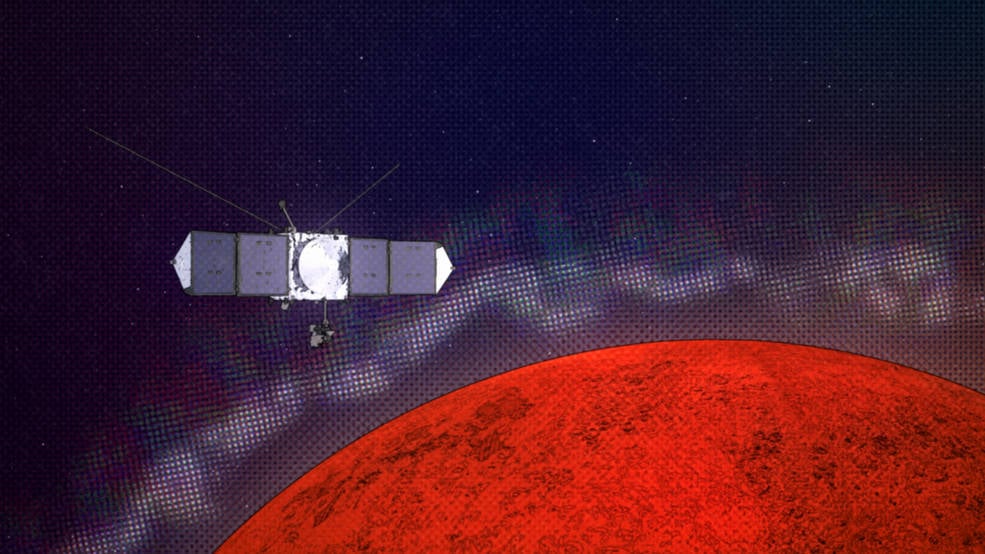
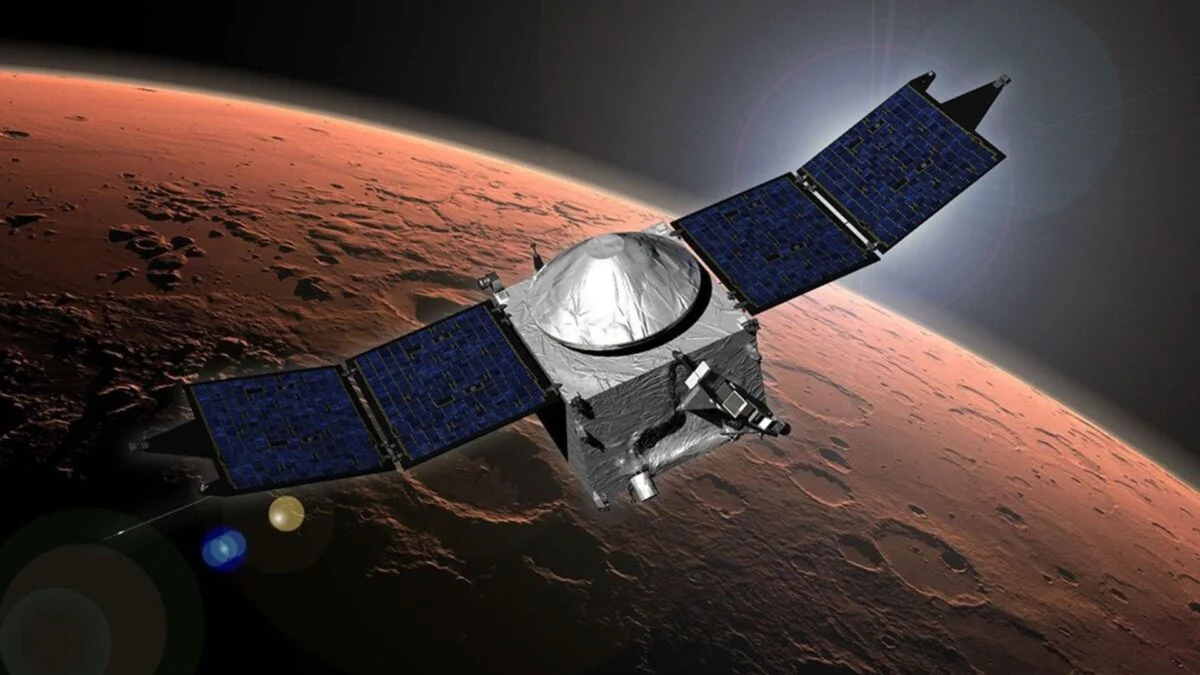
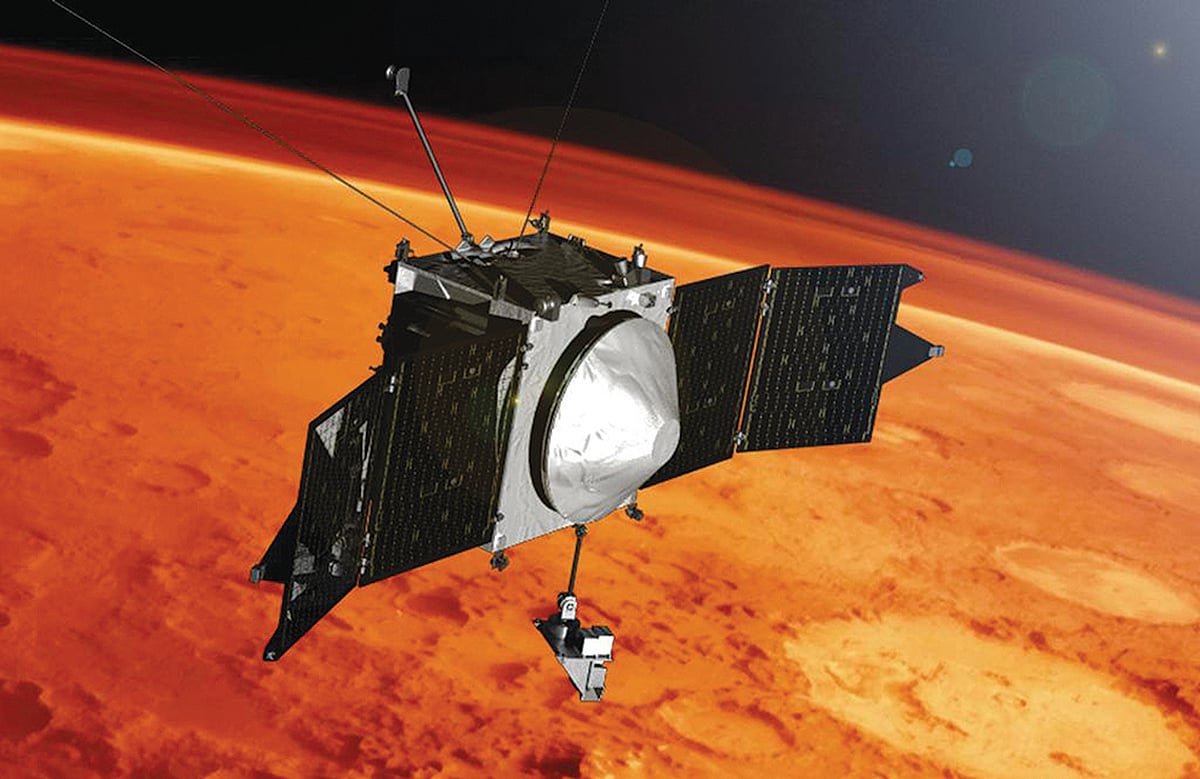
NASA's MAVEN spacecraft orbiting Mars has been unresponsive since December 6, with recent data suggesting it was spinning unexpectedly, and efforts to re-establish contact are ongoing, but prospects seem uncertain as the spacecraft has been operational for over a decade studying Mars' atmosphere.
NASA's MAVEN spacecraft orbiting Mars has been unresponsive since December 6, with efforts to re-establish contact ongoing. The spacecraft, which has been studying Mars' atmosphere for over a decade, appears to have experienced an unexpected spin, and communication attempts are delayed until mid-January due to planetary alignment. The mission's status remains uncertain, raising concerns about its future.
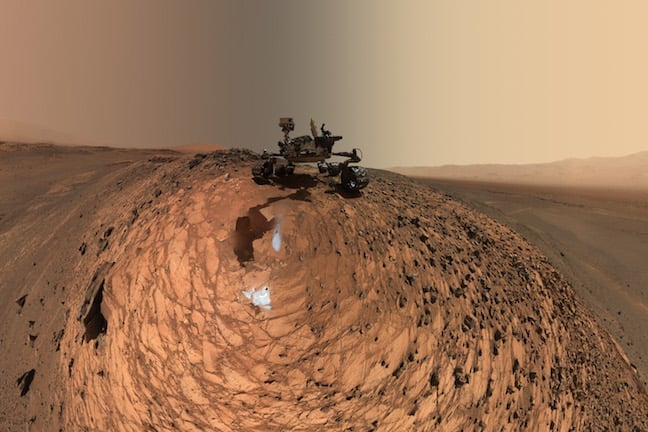
NASA's MAVEN orbiter has lost contact and is tumbling, with its exact location unknown, as the agency prepares for a solar conjunction period during which communication with Mars missions will be impossible until January 16, 2026. Despite attempts using the Curiosity rover's Mastcam, MAVEN was not detected, and the cause of the issue remains unclear, though it may involve guidance or control system problems. NASA plans to resume contact efforts after the conjunction.
NASA is preparing for the Artemis 2 mission, which aims to send four astronauts around the Moon and back, potentially as early as February 2024, marking the first human lunar journey since Apollo 17. The crew has completed a dress rehearsal, and final preparations are underway despite some delays caused by technical issues. The mission will not land on the Moon but will set the stage for future lunar exploration.
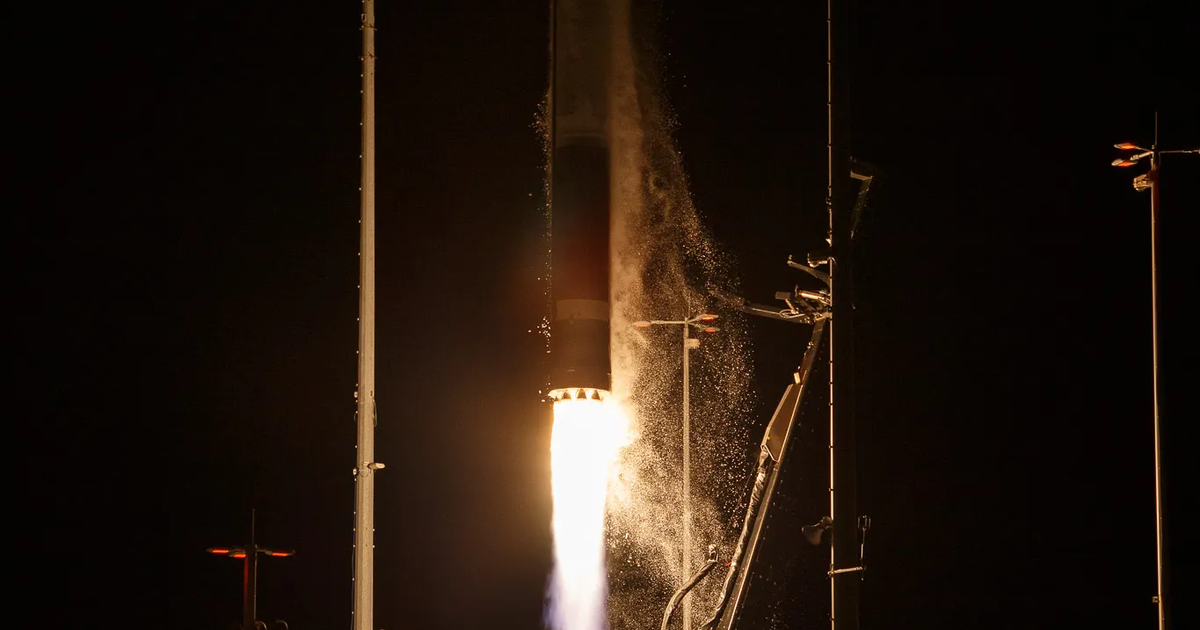
NASA successfully launched a cost-effective set of four small spacecraft called DiskSats from Wallops Island, demonstrating their maneuverability and potential for flexible, low-cost space missions, with support from the U.S. Space Force and Department of Defense.
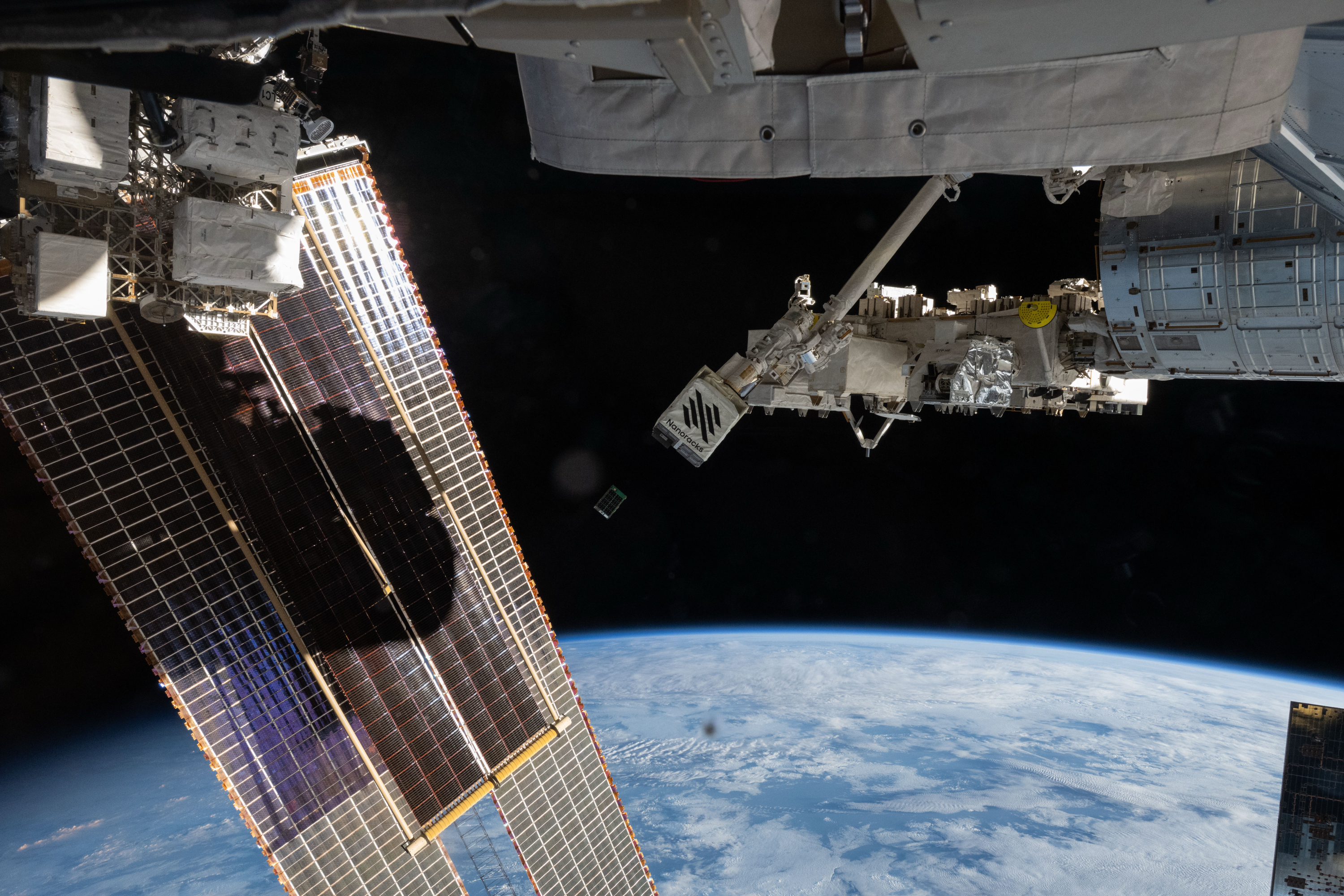
NASA is testing two new micropropulsion technologies onboard the CubeSat DUPLEX in space, which use polymer fibers for efficient and safe spacecraft maneuvering, demonstrating capabilities for orbit maintenance and extended missions to the Moon and Mars.
NASA is attempting to reestablish contact with the MAVEN Mars orbiter after it lost response, with indications that it may be tumbling and off its expected trajectory, complicating recovery efforts especially with upcoming solar conjunction blocking communication. The spacecraft's status remains uncertain, and its potential loss could reduce NASA's active Mars orbiters to two aging spacecraft.
NASA has lost contact with its MAVEN spacecraft orbiting Mars, which has been studying the planet's atmosphere for over a decade. Despite efforts to reestablish communication, the orbiter appears disoriented, raising concerns about its future. Other Mars orbiters remain operational, and NASA continues to analyze the situation while planning to maintain surface missions. The fate of MAVEN depends on whether contact can be restored before its limited remaining propellant and potential budget cuts threaten its continued operation.
NASA's MAVEN Mars orbiter experienced a significant issue, with analysis indicating unexpected rotation and possible orbital change, likely caused by an energetic event, complicating recovery efforts amid upcoming solar conjunctions.
For the first time in its history, all eight docking ports of the ISS are occupied by various spacecraft, including cargo and crew vehicles from NASA, Roscosmos, JAXA, and SpaceX, highlighting the station's busy operational status.
NASA's Psyche spacecraft captured images of Earth and the Moon from 180 million miles away during instrument calibration tests, confirming its cameras are ready for its mission to a metal-rich asteroid, with upcoming flybys and detailed surface analysis planned.
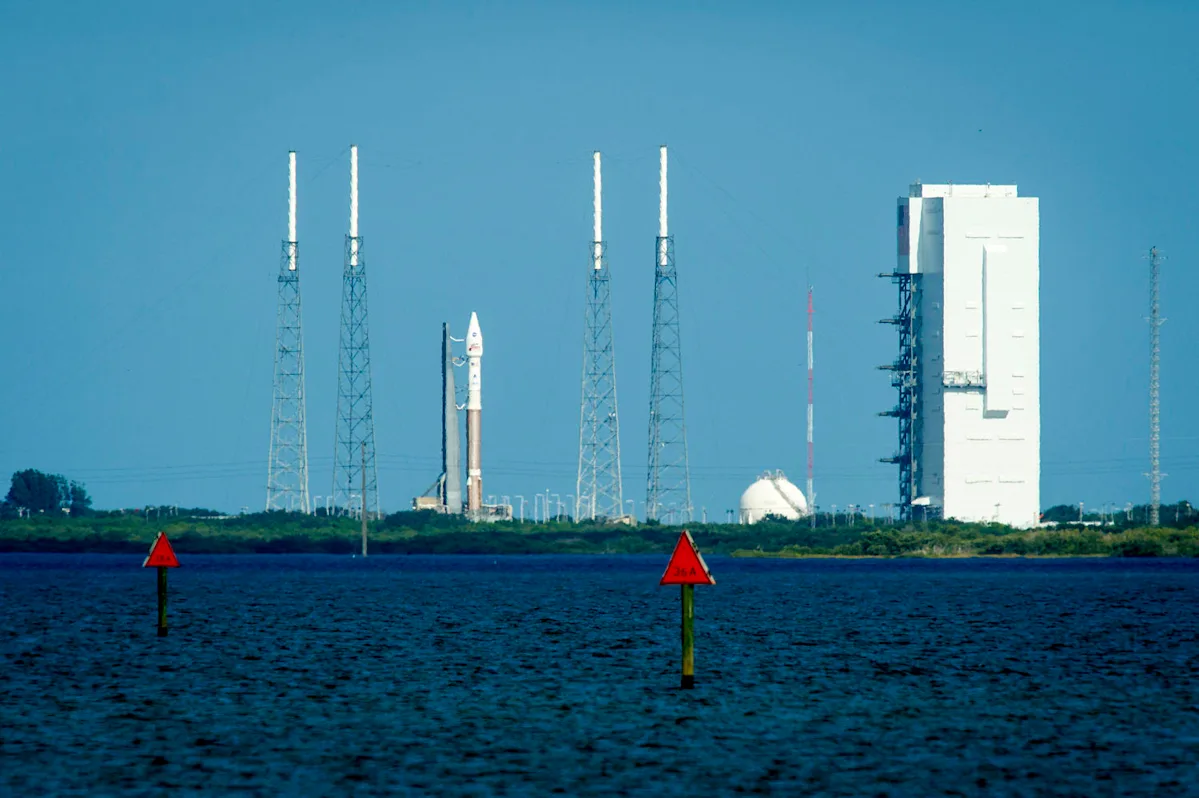
The EscaPADE mission, supported by NASA's SIMPLEx program, is launching twin spacecraft to study Mars' atmosphere loss, using an innovative 'launch-and-loiter' approach that allows for flexible timing and cost-effective exploration, despite some risks and delays, aiming to provide valuable scientific insights at a fraction of traditional mission costs.