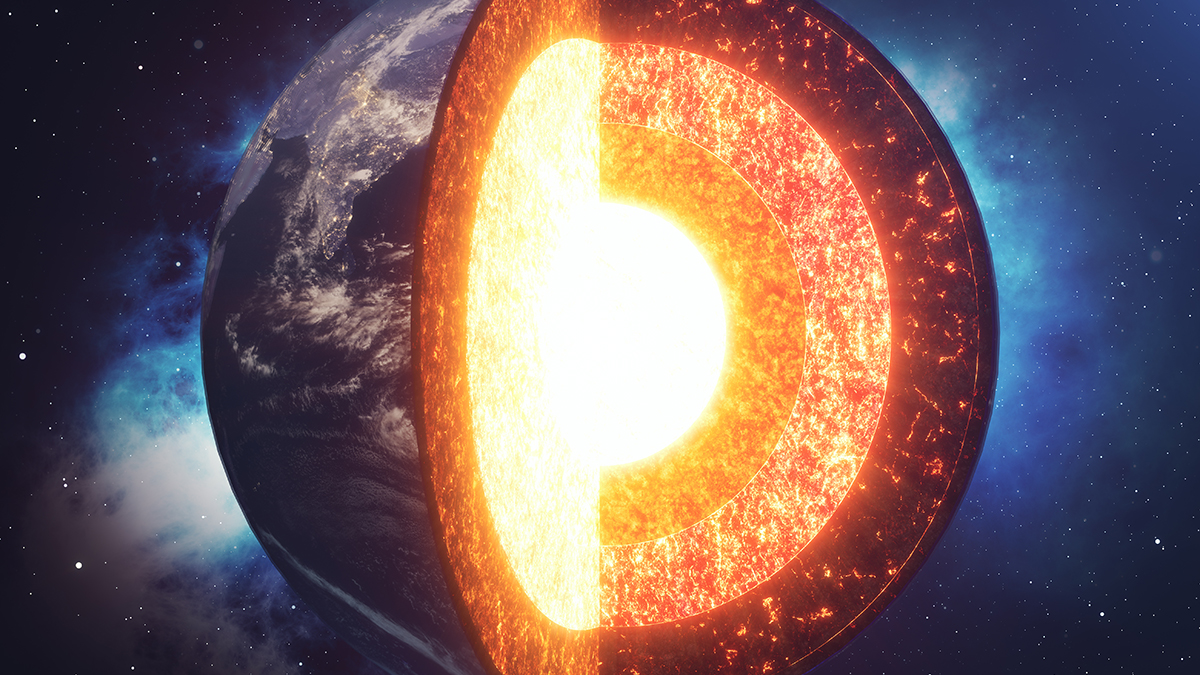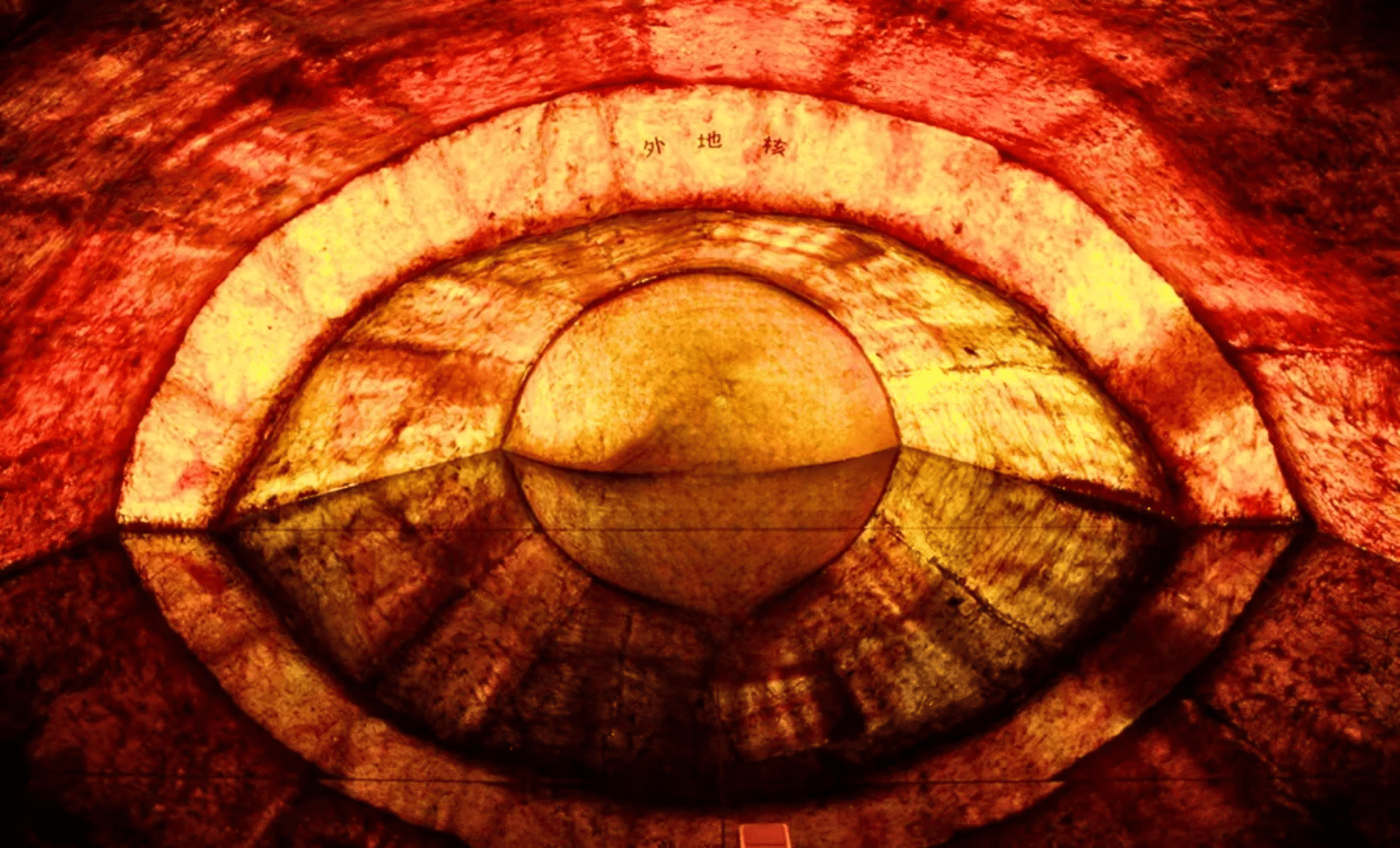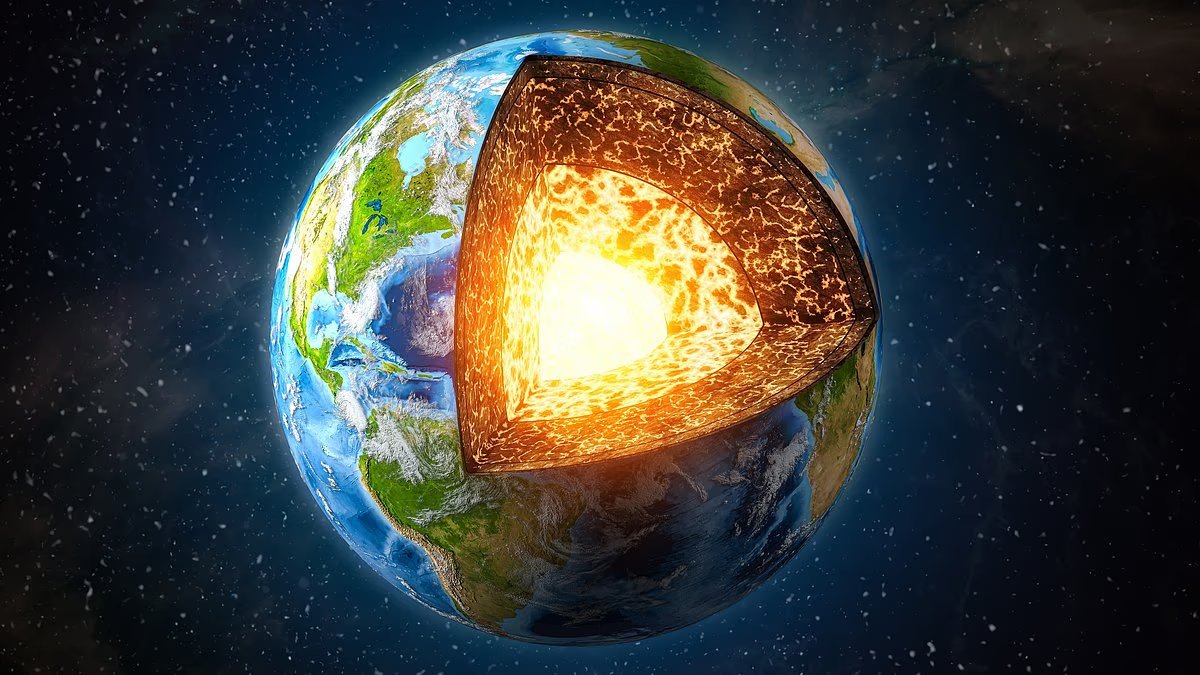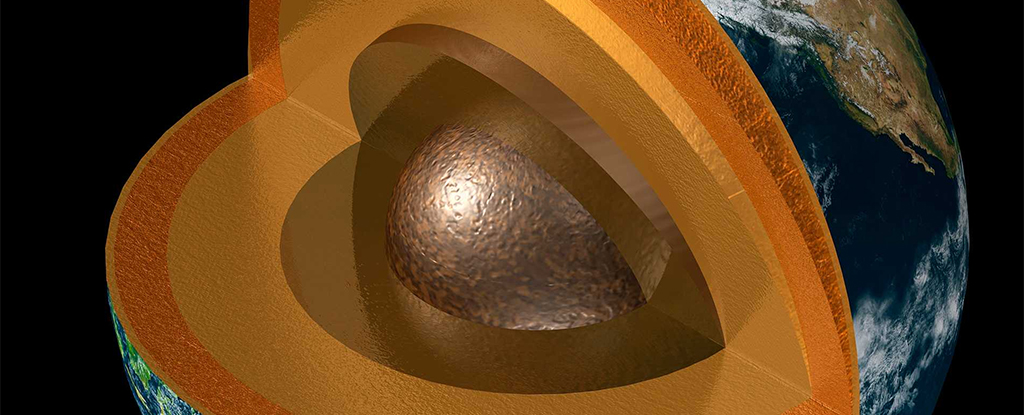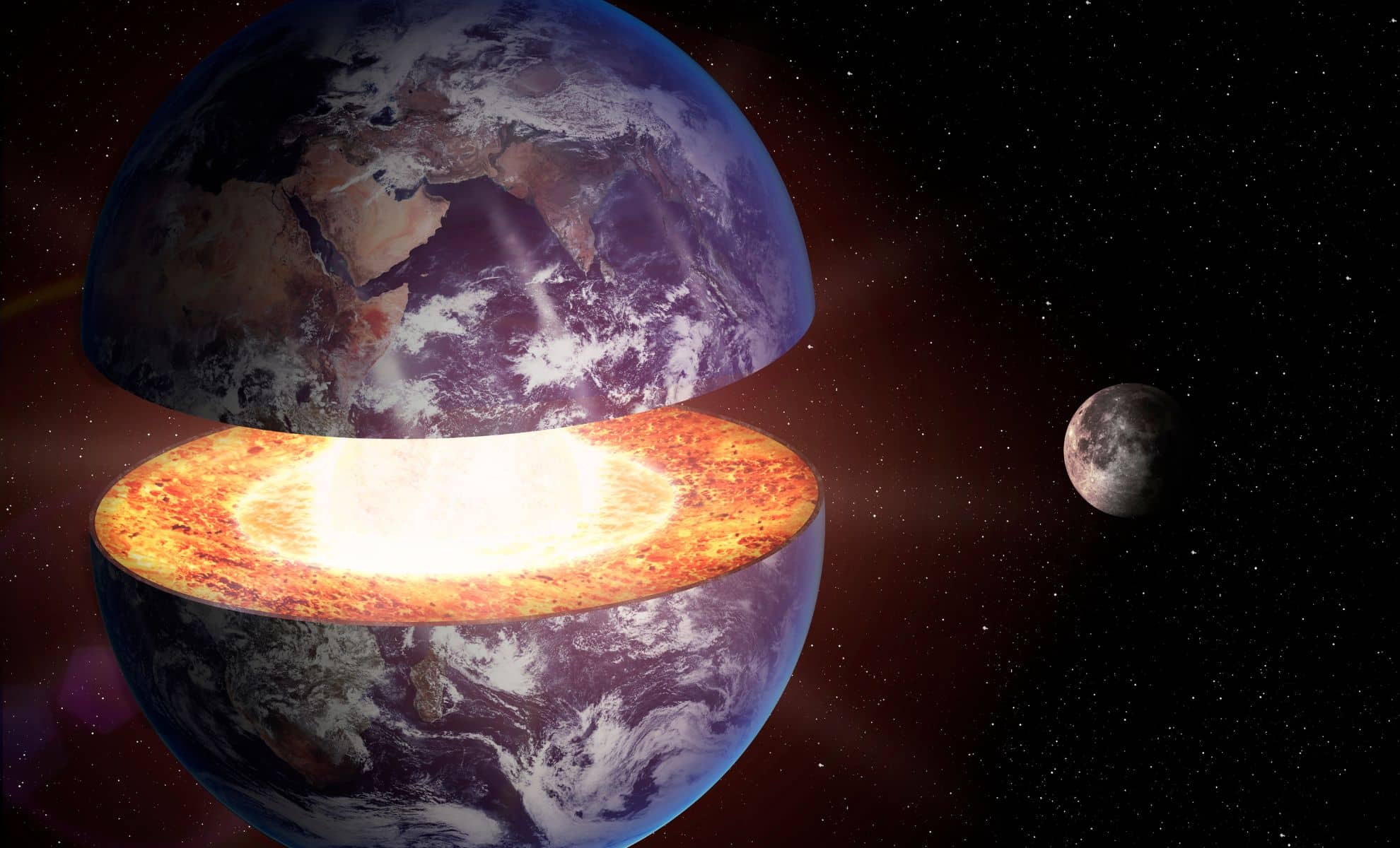
A new study suggests Earth's inner core is layered like an onion, with variations in seismic wave speeds explained by the distribution of silicon and carbon in iron alloys, revealing a complex, stratified structure deep beneath the surface.
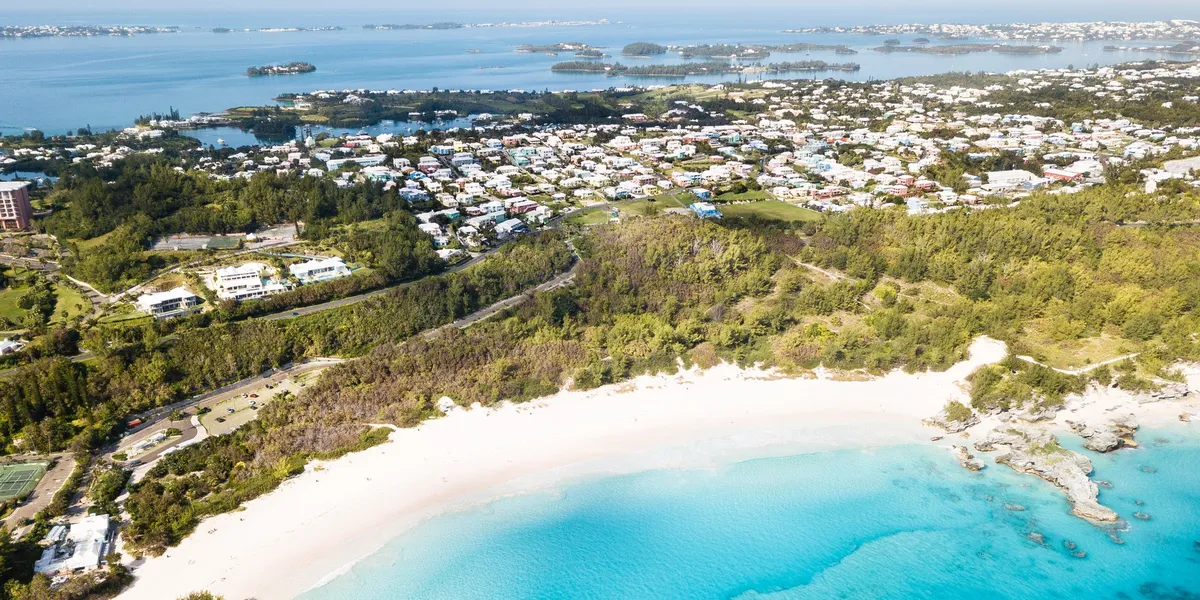
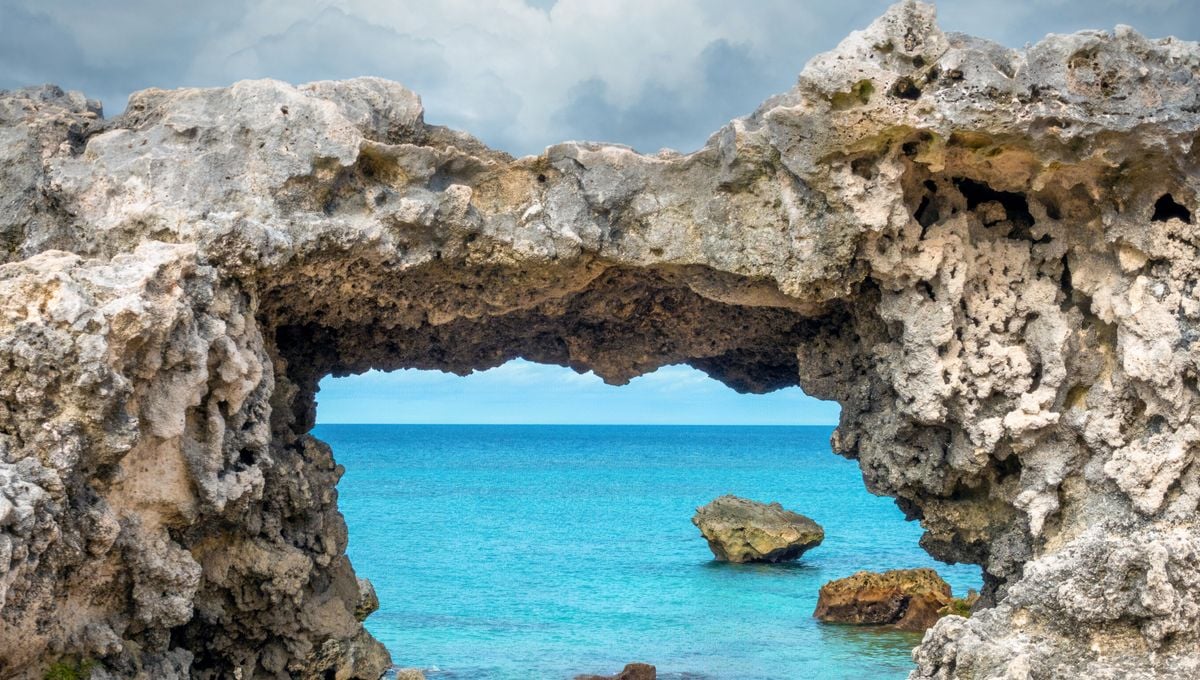
Scientists have discovered a massive, unusual rock layer beneath Bermuda, measuring 12.4 miles thick and sitting within the tectonic plate, which is unlike anything previously found on Earth and challenges existing geological understanding of the region.
Bermuda's unique geological structure is explained by a 20-kilometer-thick, less dense mantle layer beneath it, which acts like a mantle plume, despite Bermuda lacking recent volcanic activity or typical plume features. This discovery challenges existing models of mantle plumes and suggests Bermuda is supported by an unusual mantle layer, possibly due to its geological history or composition.
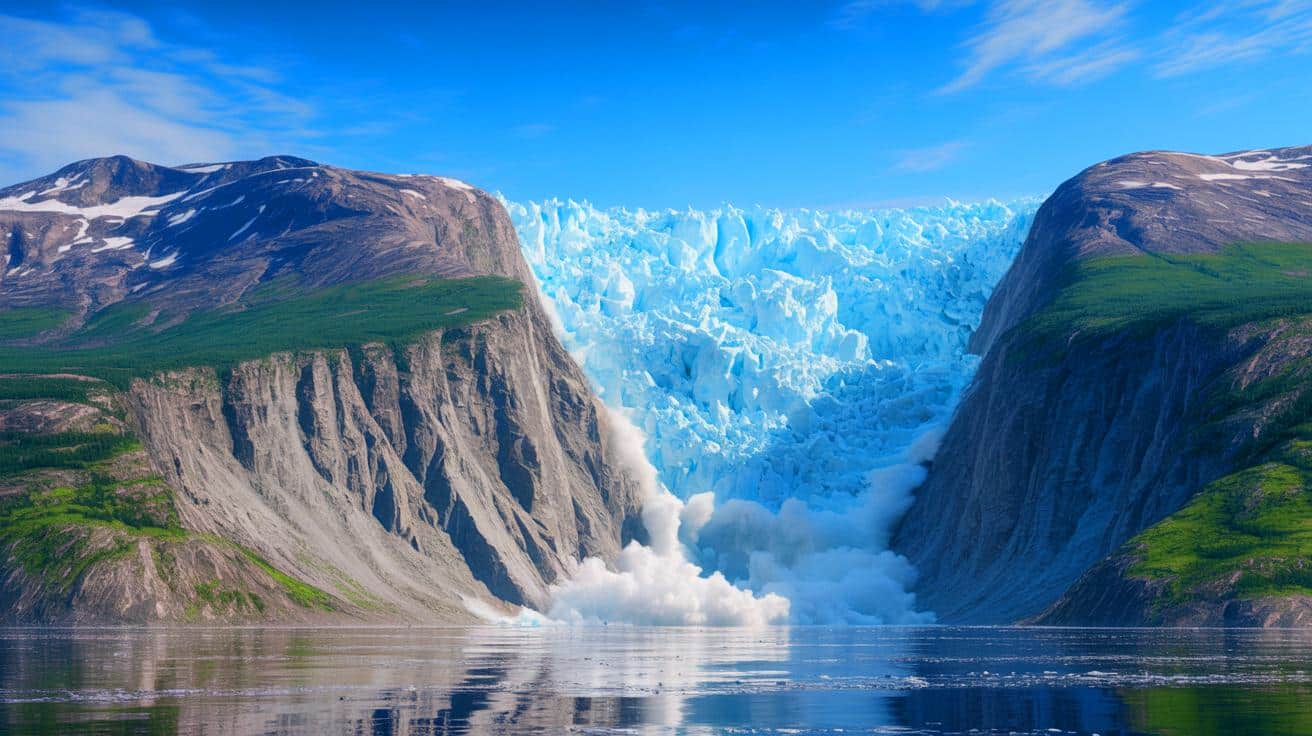
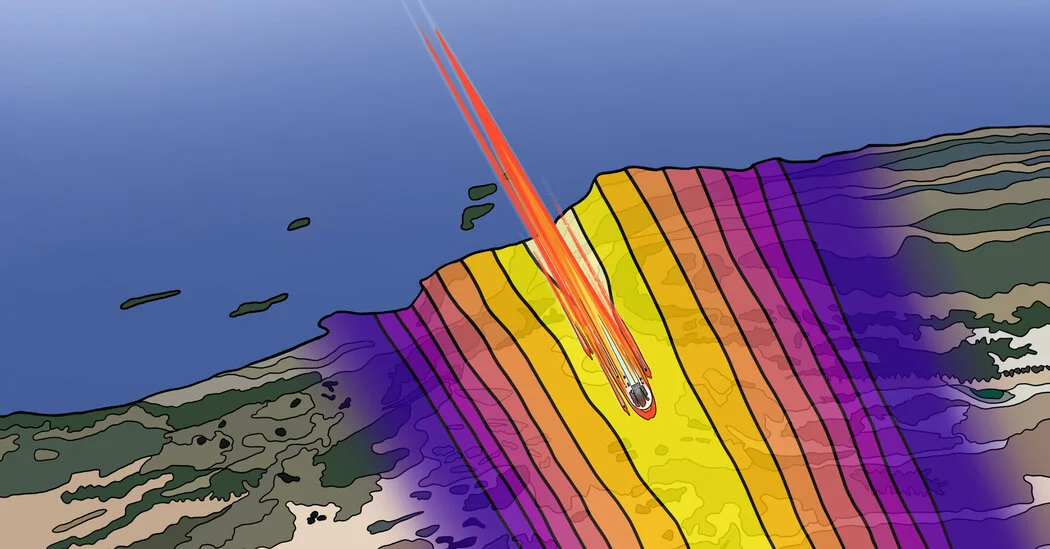
A massive landslide in Greenland's Dickson Fjord caused a 656-foot tsunami and a nine-day seismic signal, highlighting the increasing impact of climate change on extreme geological events and the importance of advanced satellite monitoring for future prediction and mitigation.
Scientists analyzing seismic data from NASA's InSight lander have discovered large, ancient chunks of material in Mars's mantle, remnants from the planet's violent formation history, including massive impacts that created magma oceans and preserved geological fossils, offering insights into Mars's primitive, slow-evolving interior and the early Solar System.
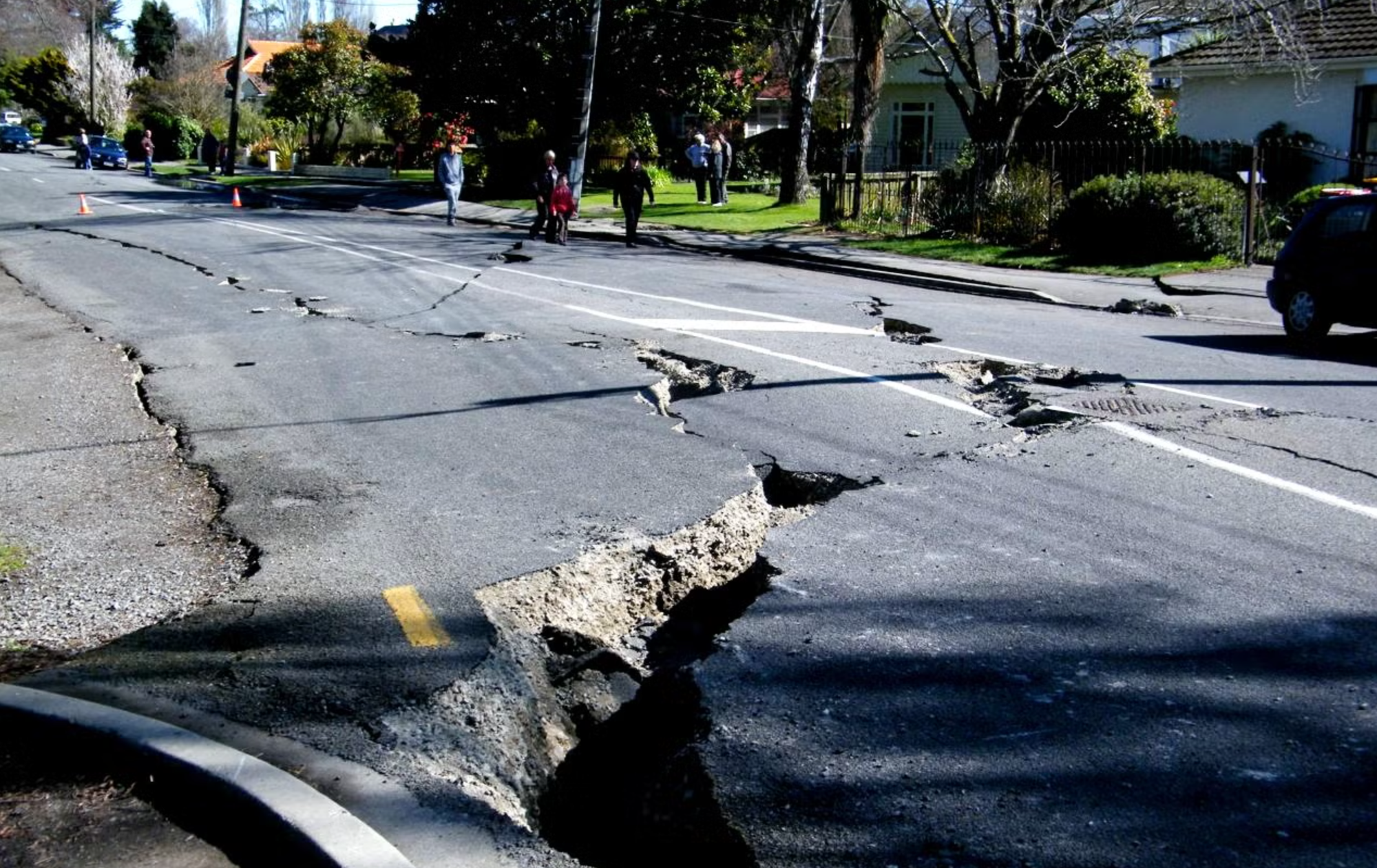
Scientists using supercomputers through the EQSIM project are simulating earthquake dynamics with unprecedented detail, revealing that smaller quakes can sometimes cause more damage than larger ones due to geological factors, and providing critical data to improve infrastructure resilience and disaster preparedness in earthquake-prone areas.
In September 2023, a massive landslide in Greenland's Dickson Fjord triggered a 650-foot tsunami and unusual seismic waves that persisted for days, captured by advanced satellite technology. The event highlights the increasing risks in the Arctic due to climate change, which accelerates glacier melting and destabilizes cliffs, raising concerns about future natural disasters in the region.
Scientists in Canada have discovered a new type of slow, man-made earthquake triggered by hydraulic fracturing, characterized by longer durations and lower frequency waveforms, which may be linked to aseismic slip—a slow fault movement that doesn't produce strong seismic energy. This finding challenges traditional views on induced earthquakes and could lead to safer drilling practices by detecting these slow-slip signals early.
Scientists have discovered that the acceleration of seismic waves at the Earth's core-mantle boundary is caused by the alignment of post-perovskite crystals due to convective motions deep within the mantle, providing new insights into Earth's interior dynamics.
Scientists have discovered that the acceleration of seismic waves in Earth's D'' layer is caused by the alignment of post-perovskite crystals, which is driven by mantle convection, providing new insights into Earth's inner dynamics.
Scientists have discovered a mysterious 'ghost plume' of hot rock beneath eastern Oman, which suggests that Earth's core may be leaking heat faster than previously thought. This invisible mantle plume, detected through seismic wave analysis, does not produce surface volcanic activity due to a thick rock lid, but its existence could imply many more such plumes worldwide, impacting our understanding of Earth's internal heat distribution and tectonic processes.
Scientists from ETH Zurich have discovered solid rock flowing deep within Earth's mantle, 1,700 miles beneath the surface, confirming that Earth's interior is in motion through convection currents, which may explain geological phenomena like earthquakes and volcanoes.
Scientists have experimentally confirmed that solid rock in the Earth's D'' layer flows due to convection, with crystal alignment affecting seismic wave speeds, providing new insights into Earth's deep interior dynamics.
Scientists at ETH Zurich have solved the long-standing mystery of the Earth's D” layer by discovering that solid rock flows slowly inside the mantle, aligning minerals like post-perovskite, which accelerates seismic waves and confirms mantle convection at extreme depths, revealing dynamic processes deep within Earth.
Scientists at ETH Zurich have confirmed that solid rock flows horizontally deep inside Earth, around 2700-3000 km beneath the surface, solving a 50-year-old mystery about the D” layer by demonstrating that mantle convection occurs in solid rock, not just liquid.