Tag

Seismometers

All articles tagged with #seismometers

science1 year ago

"Uncovering the Mystery of Earthquakes in the Northeastern United States"

Researchers have yet to locate the fault that caused the recent New Jersey earthquake and are deploying new monitoring equipment to measure aftershocks. The USGS is installing five new seismometers near the quake site, while a group of researchers from various universities is adding 20 more to map the fault network. The earthquake, the strongest in New Jersey in over 200 years, left no surface rupture, making it difficult to pinpoint its origin. USGS funding cuts in 2019 limited the monitoring network's coverage, hindering efforts to locate the quake's epicenter. Aftershocks are expected to continue for weeks, and the additional seismometers will remain in New Jersey for three to six months.

space-science2 years ago

Balloons Unveiling Venus' Inner Secrets

NASA scientists are exploring the idea of using seismometers hanging from balloons to study the inner workings of Venus. Unlike traditional seismometers that require a solid ground, infrasound seismometers can detect seismic activity transmitted through the atmosphere. Venus, with its dense atmosphere and cloud layer, provides an ideal environment for this technology. By using high-altitude balloons, scientists can collect infrasound data without the need for materials that can survive on Venus' scorching surface. However, challenges remain, including the successful launch of a balloon mission to Venus and the lack of validation sensors on the planet. Despite these obstacles, utilizing seismometers in this novel way could provide valuable insights into Venus' geology and climate.

space2 years ago

Exploring Venus's Core with Floating Seismometers

Scientists from NASA's Jet Propulsion Laboratory and Sandia National Laboratory are proposing the use of seismometers hanging from high-altitude balloons to study the inner workings of Venus. Infrasound seismometers, which monitor infrasound pressure waves transmitted through a medium other than the ground, could pick up seismic activity in Venus' atmosphere. The high-altitude balloon would eliminate the need for materials that can survive on Venus' scorching surface. However, challenges remain, including the lack of successful balloon missions to Venus and the difficulty of validating seismic data without other sensors. Despite the potential, there are currently no plans for a mission utilizing this technology.

science2 years ago

"Vast Subterranean Ocean Holds More Water Than Earth's Surface"

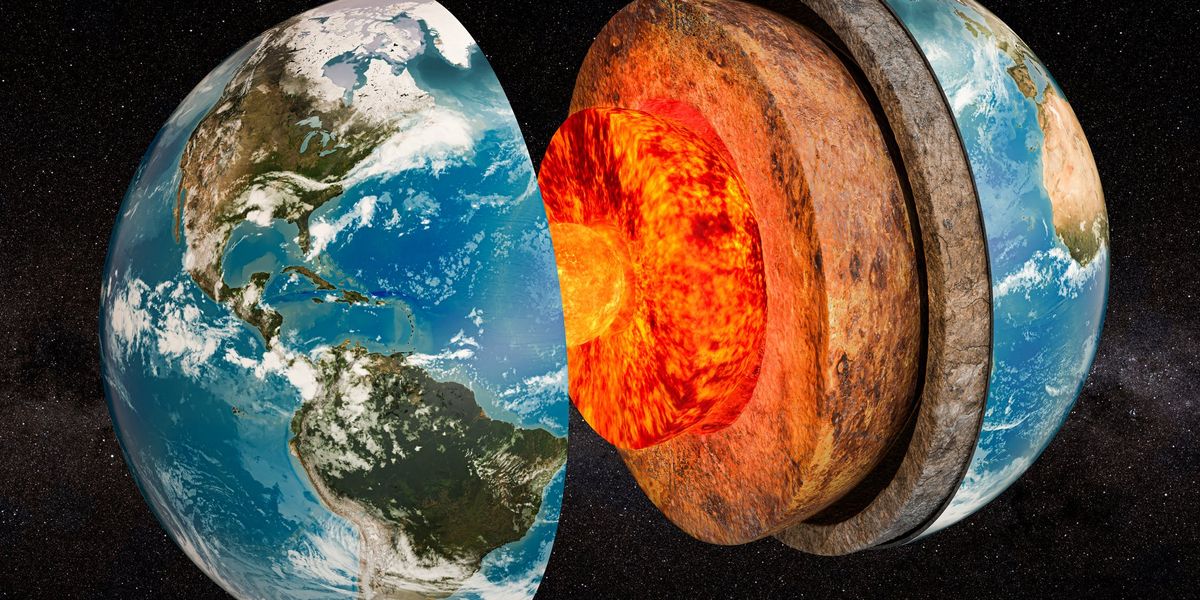
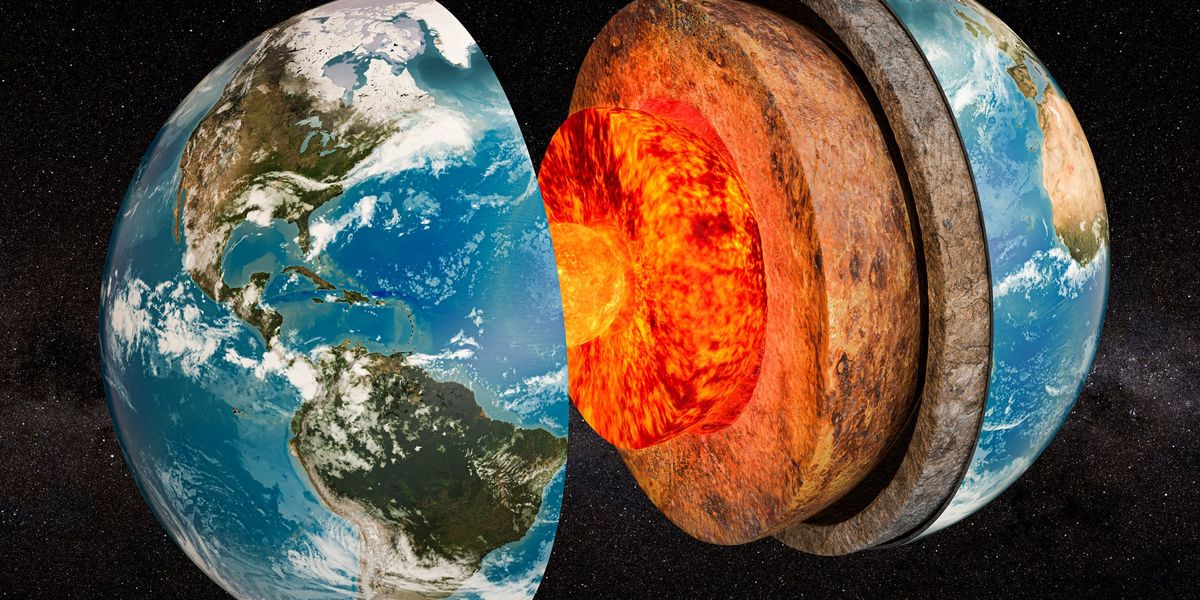
Scientists have discovered a massive ocean hidden beneath the Earth's crust, containing three times more water than in the oceans on the surface. The water is stored in rock known as ringwoodite, which acts like a sponge, soaking up water. The discovery of the ocean was made after studying earthquakes and discovering that seismometers were picking up shockwaves under the surface of the Earth. The findings suggest a whole-Earth water cycle, which may help explain the vast amount of liquid water on the surface of our habitable planet.

science2 years ago

"Vast Subterranean Ocean Holds More Water Than Earth's Surface"

Scientists have discovered a massive ocean hidden beneath the Earth's crust, stored in rock known as 'ringwoodite'. The rock acts like a sponge, soaking up water, and can contain a lot of water under conditions of the deep mantle. If the rock contained just 1% water, it would mean that there is three times more water under the surface of the Earth than there is in the oceans on the surface. This discovery may help explain the vast amount of liquid water on the surface of our habitable planet.

science2 years ago

"Hidden Ocean and Mountains Discovered Beneath Earth's Crust"

Scientists have discovered a massive ocean hidden beneath the Earth's crust, containing three times more water than in the oceans on the surface. The water is stored in rock known as ringwoodite, which acts like a sponge, soaking up water. The discovery of the ocean was made after studying earthquakes and discovering that seismometers were picking up shockwaves under the surface of the Earth. The findings suggest a whole-Earth water cycle, which may help explain the vast amount of liquid water on the surface of our habitable planet.

science2 years ago

"Vast Subterranean Ocean Holds More Water Than Earth's Surface"

Scientists have discovered a massive ocean hidden beneath the Earth's crust, stored in rock known as 'ringwoodite'. The rock acts like a sponge, soaking up water and trapping hydrogen. If the rock contained just 1% water, it would mean that there is three times more water under the surface of the Earth than there is in the oceans on the surface. The discovery may help explain the vast amount of liquid water on the surface of our habitable planet.

science2 years ago

"Vast Subterranean Ocean Holds More Water Than Earth's Surface"

Scientists have discovered a massive ocean hidden beneath the Earth's crust, stored in rock known as 'ringwoodite'. The rock acts like a sponge, soaking up water, and can contain a lot of water under conditions of the deep mantle. If the rock contained just 1% water, it would mean that there is three times more water under the surface of the Earth than there is in the oceans on the surface. This discovery may help explain the vast amount of liquid water on the surface of our habitable planet.

science2 years ago

"Vast Subterranean Ocean Holds More Water Than Earth's Surface"

Scientists have discovered a massive ocean hidden beneath the Earth's crust, stored in rock known as 'ringwoodite'. The rock acts like a sponge, soaking up water, and can contain a lot of water under conditions of the deep mantle. If the rock contained just 1% water, it would mean that there is three times more water under the surface of the Earth than there is in the oceans on the surface. This discovery may help explain the vast amount of liquid water on the surface of our habitable planet.

science2 years ago

"Vast Subterranean Ocean Holds More Water Than Earth's Surface"

Scientists have discovered a massive ocean hidden beneath the Earth's crust, stored in rock known as 'ringwoodite'. The rock acts like a sponge, soaking up water, and can contain a lot of water under conditions of the deep mantle. If the rock contained just 1% water, it would mean that there is three times more water under the surface of the Earth than there is in the oceans on the surface. This discovery may help explain the vast amount of liquid water on the surface of our habitable planet.