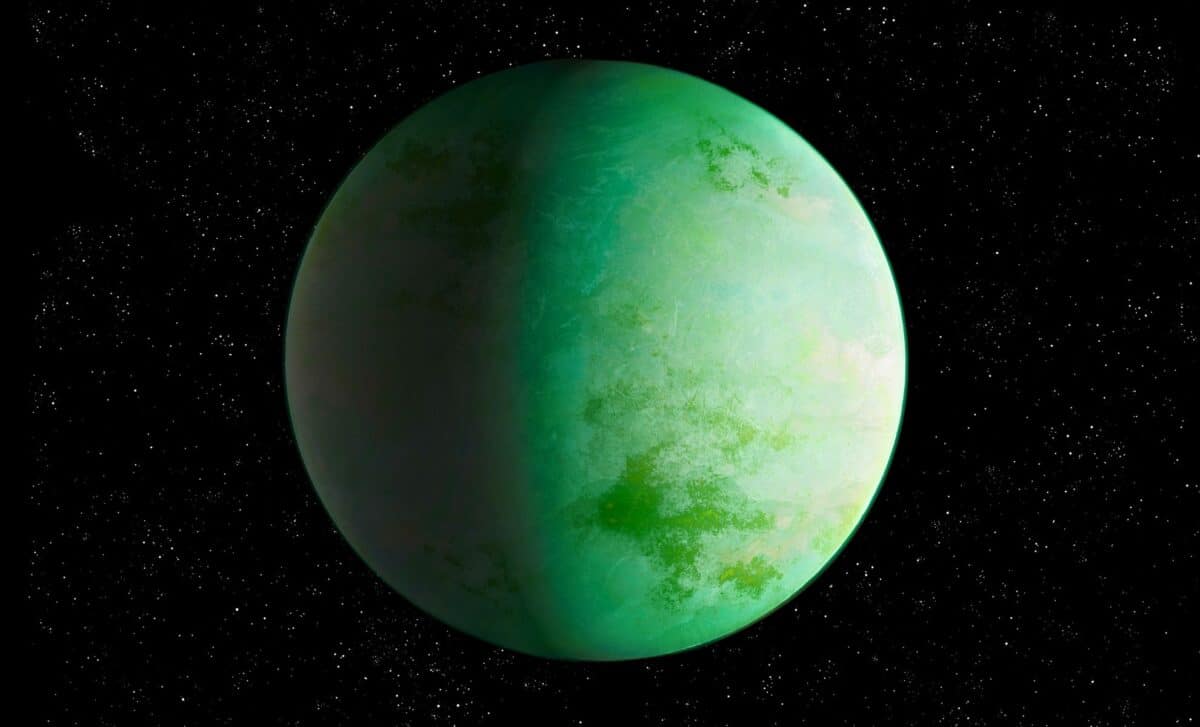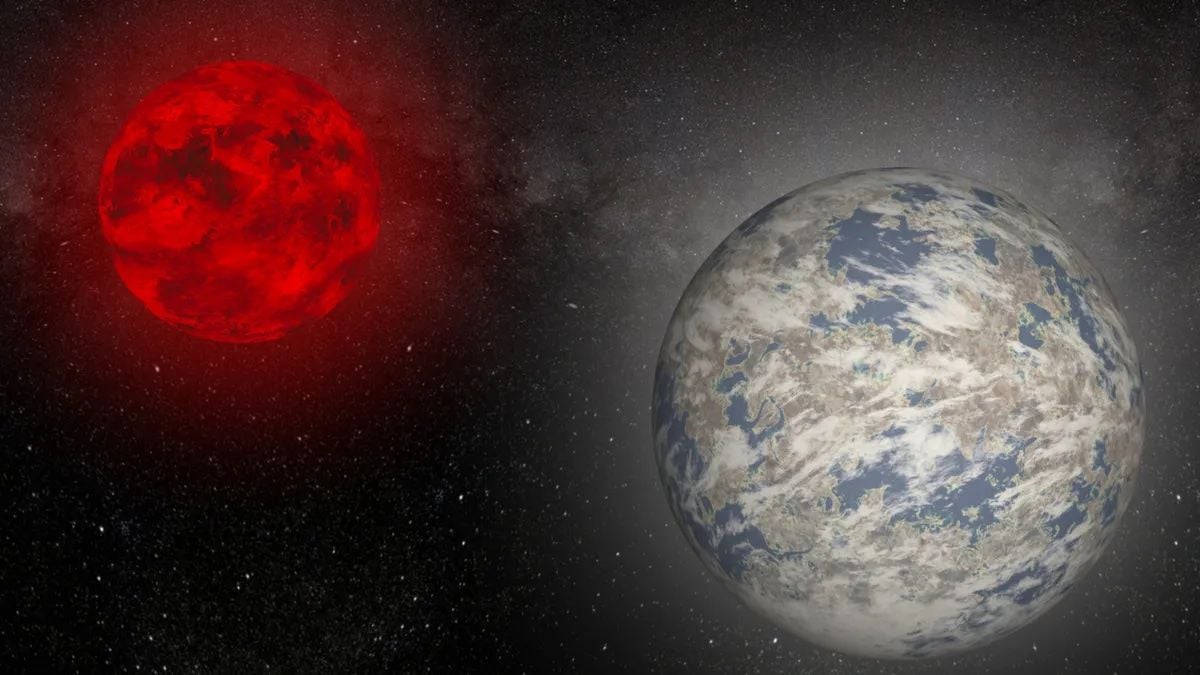
Astronomers have discovered a potentially habitable Earth-like exoplanet, GJ 251 c, orbiting a red dwarf star about 18 million light-years away, which could support liquid water and possibly life, marking a significant milestone in the search for extraterrestrial life.
Astronomers have discovered five rocky planets around the red dwarf star L 98-59, including a super-Earth in the habitable zone, providing valuable insights into planetary formation and potential habitability around low-mass stars, with further studies planned using the James Webb Space Telescope.
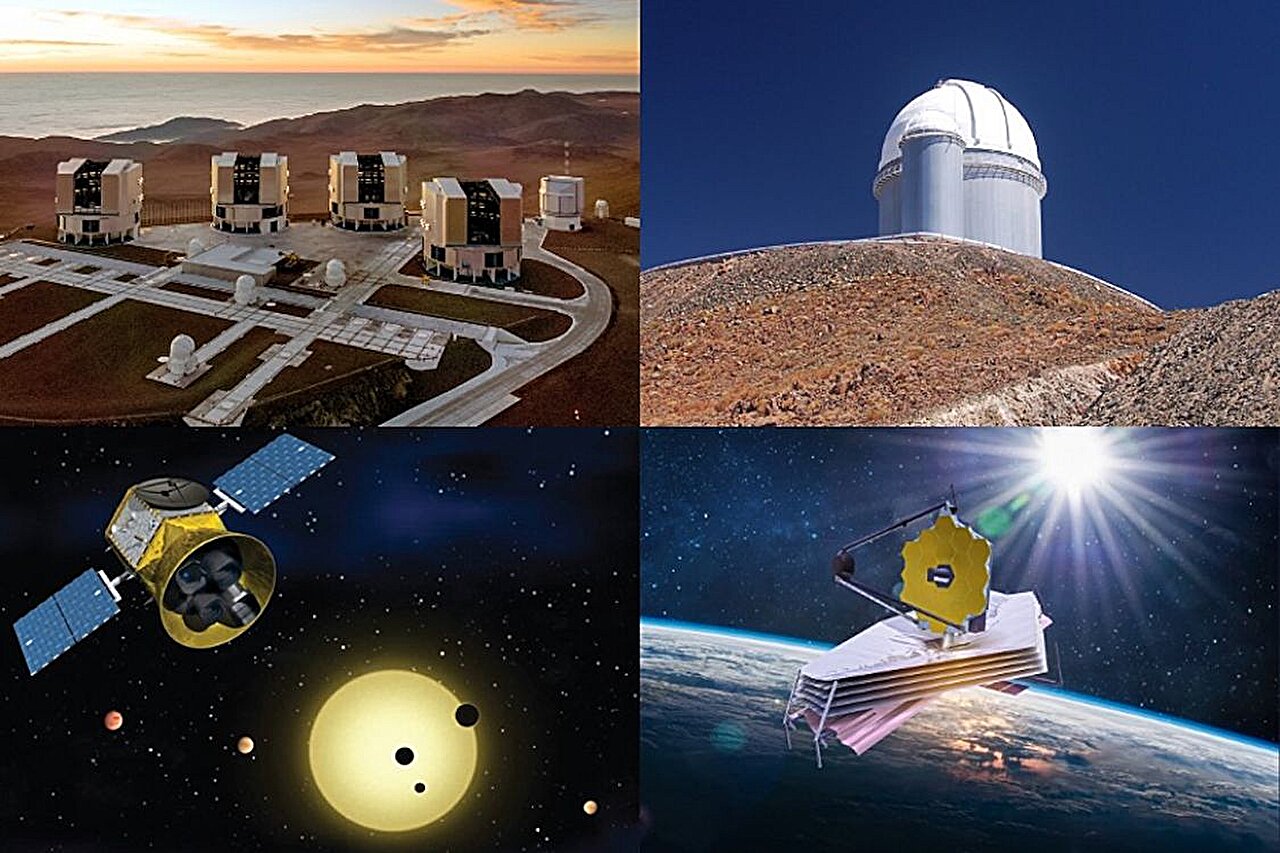
A research team led by the Université de Montréal has confirmed the existence of a fifth planet, L 98-59 f, in the habitable zone of the nearby red dwarf star L 98-59, using data from multiple telescopes and advanced analysis techniques, making it a prime target for future atmospheric studies.
NASA's TESS has discovered a super-Earth, TOI‑1846 b, orbiting a nearby red dwarf star, which may have a layer of dense ice and a shallow ocean, making it a promising target for studying planetary atmospheres and potential habitability.
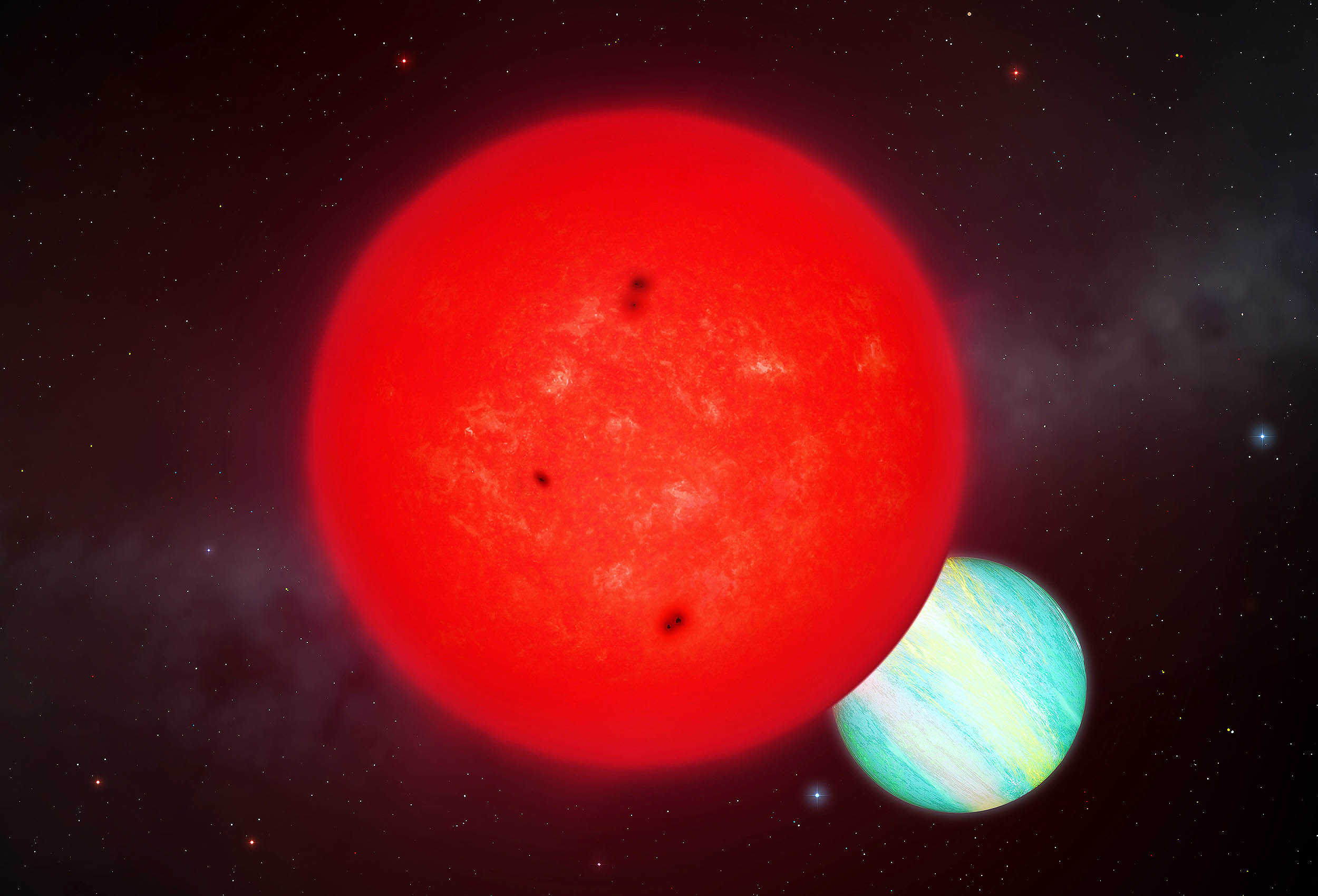
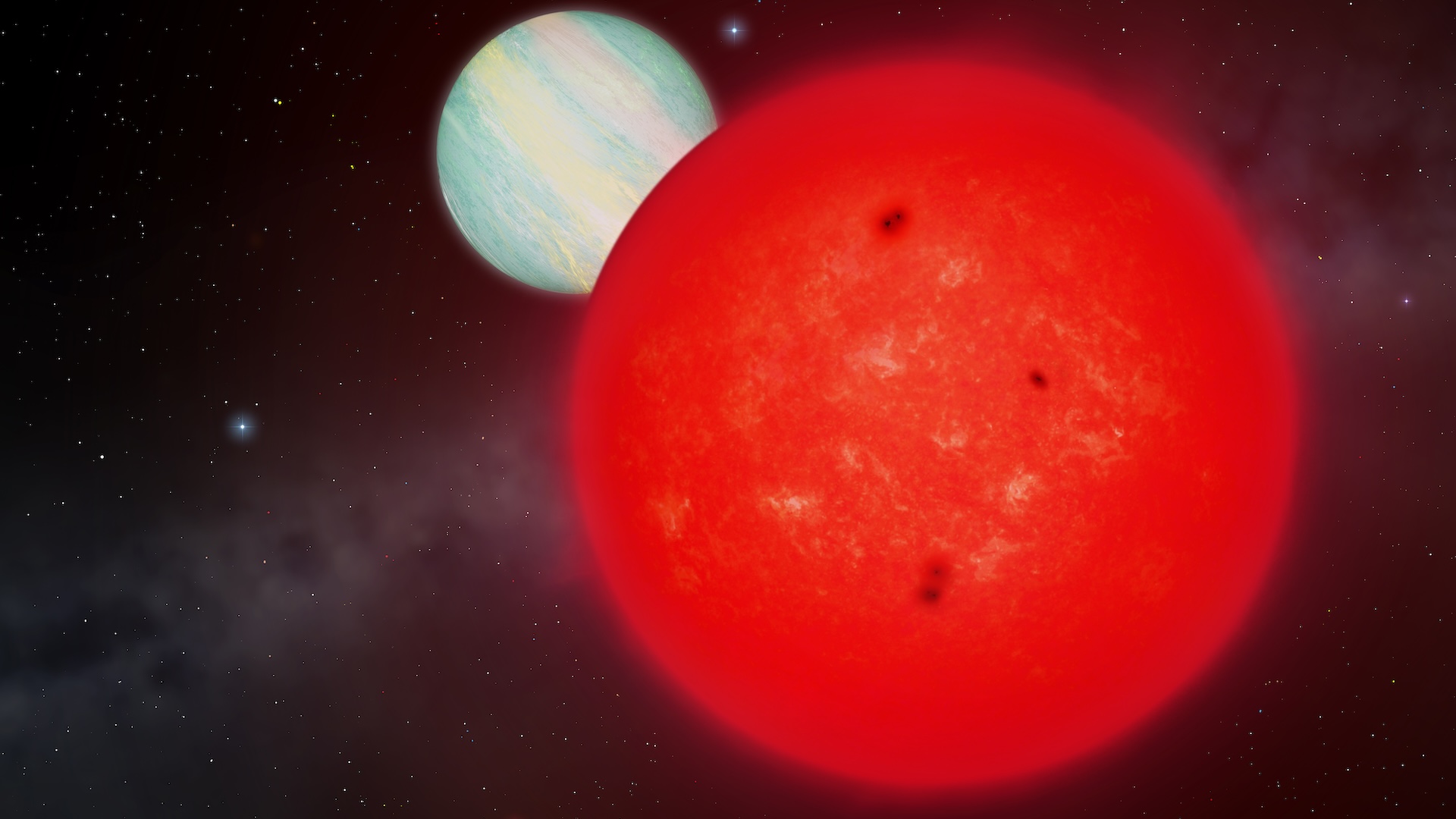
Astronomers discovered a giant exoplanet, TOI-6894b, orbiting a tiny red dwarf star, challenging existing theories of planet formation around low-mass stars and suggesting such worlds may be more common than previously thought. The planet's unique characteristics make it a key target for future atmospheric studies with the James Webb Space Telescope.
Astronomers have discovered a large gas giant planet, TOI-6894 b, orbiting a tiny red dwarf star about 20% the mass of the sun, challenging current planetary formation theories as such large planets are not expected around stars of this size.
Scientists discovered a massive planet, TOI-6894b, orbiting a low-mass red dwarf star, challenging existing theories of planet formation, as such large planets were thought unlikely to form around such small stars. This finding suggests many more giant planets may exist around small stars in the galaxy, prompting a reevaluation of current models.
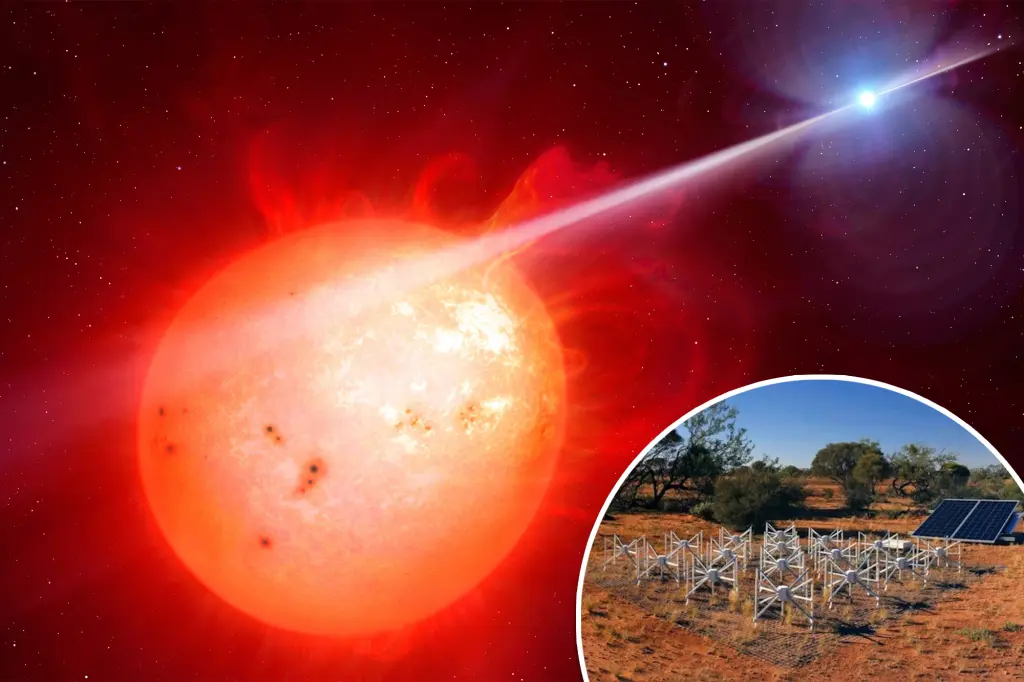
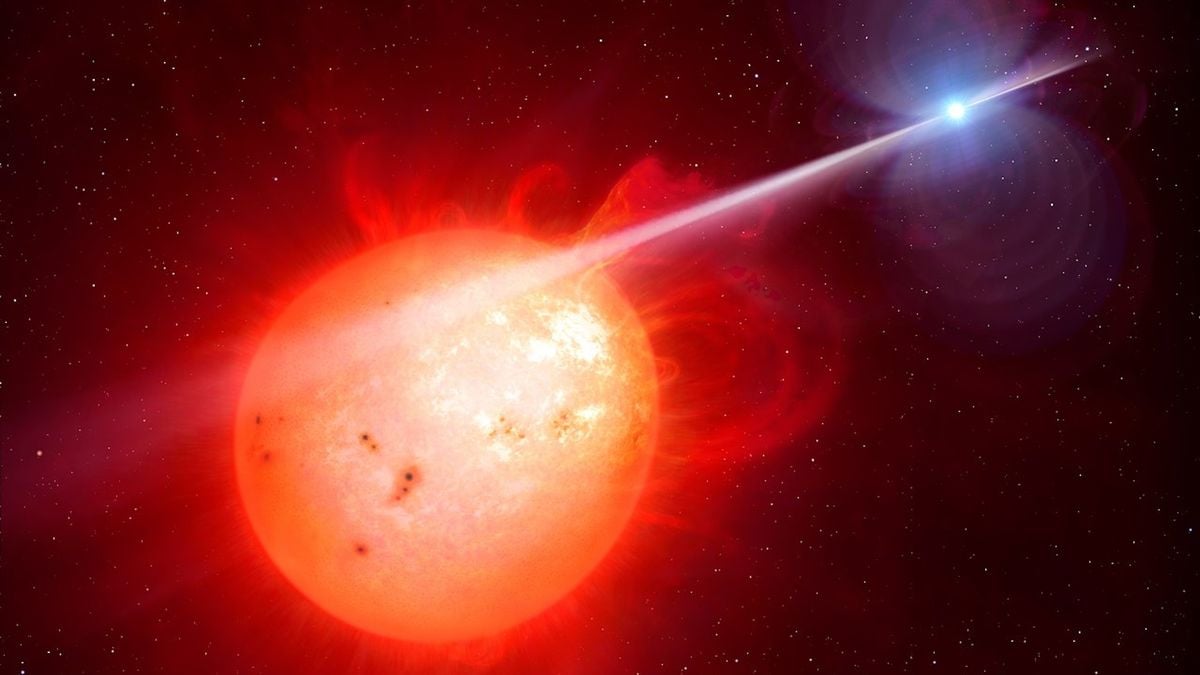
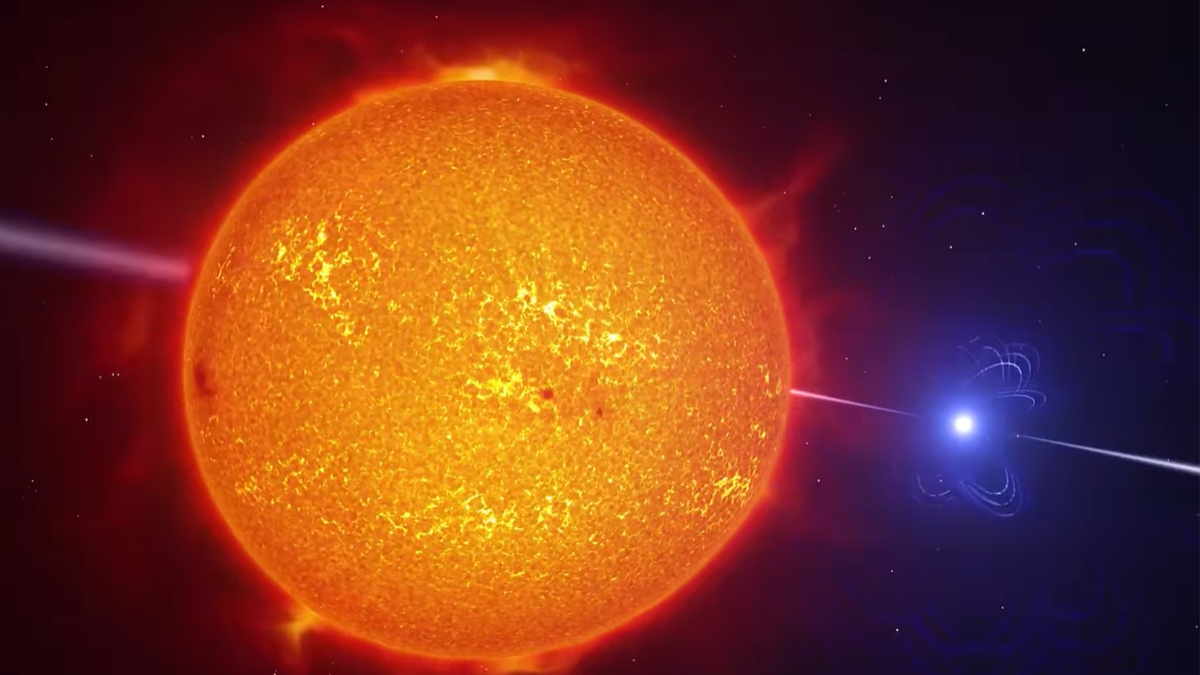
Astronomers have traced a mysterious pulsing radio signal from deep within the Milky Way back to a red dwarf star, marking the first time such a signal's origin has been identified. The signal, named GLEAM-X J0704-37, is the slowest of its kind, emitting minute-long pulses every three hours. Researchers used the Murchison Widefield Array in Australia and the MeerKAT in South Africa to pinpoint the source, suggesting the signal is generated by interactions between a red dwarf's stellar wind and a white dwarf's magnetic field. This discovery opens new avenues for understanding cosmic radio waves.
Astronomers have traced mysterious, repeating radio bursts to a red dwarf star likely in a binary orbit with a white dwarf. These long-period radio transients, first discovered in 2022, challenge existing theories as they pulse every 18 minutes, unlike typical radio pulsars. The discovery of a new source, GLEAM-X J0704-37, with pulses every 2.9 hours, suggests the radio waves may result from interactions between the red dwarf's stellar wind and the white dwarf's magnetic field. This finding could lead to a better understanding of such cosmic phenomena.
Astronomers have traced mysterious repeating radio bursts, first discovered in 2022, to a red dwarf star likely in a binary orbit with a white dwarf. These long-period radio transients, including the newly identified GLEAM-X J0704-37, challenge existing theories as they emit radio waves at much slower intervals than known pulsars. The interaction between the red dwarf's stellar wind and the white dwarf's magnetic field is believed to generate these signals, offering new insights into cosmic phenomena.
Astronomers have identified a record-breaking energy burst from a binary system containing a red dwarf and a white dwarf, located 5,000 light-years away. This burst, known as GLEAM-X J0704-37, is the longest-period example of long-period radio transients, a phenomenon that has puzzled scientists for nearly two decades. The discovery, made using data from the Murchison Widefield Array and the MeerKAT telescope, suggests that strong magnetic fields in the system may be responsible for the periodic energy emissions. This finding opens the possibility of uncovering more such transients in existing astronomical data.
An international team discovered an Earth-sized exoplanet, SPECULOOS-3 b, orbiting an ultra-cool red dwarf 55 light-years away. The planet, likely lacking an atmosphere due to intense radiation, offers insights into the habitability of planets around long-lived red dwarfs, which could burn for 100 billion years. This discovery, part of the SPECULOOS project, highlights the potential for further study using the James Webb Space Telescope.
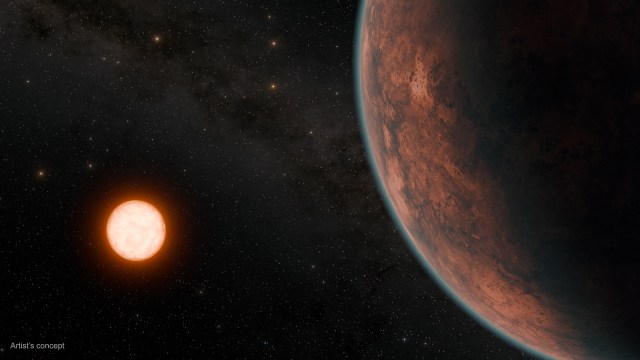
NASA's Transiting Exoplanet Survey Satellite (TESS) has discovered an Earth-sized exoplanet, Gliese 12 b, orbiting a red dwarf star just 40 light-years away in the habitable zone. This proximity and potential for habitability make it a prime candidate for further study, including investigations into its atmosphere and potential to support life.
NASA's TESS mission has discovered Gliese 12 b, a temperate, Earth-sized exoplanet orbiting a red dwarf star 40 light-years away. This planet, similar in size and energy received to Venus, offers a prime opportunity to study atmospheric retention and habitability. The discovery could provide insights into the evolutionary pathways of planets and the conditions necessary for habitability.
Astronomers have discovered a Venus-sized exoplanet, Gliese 12 b, orbiting a red dwarf star 40 light-years away, with an estimated surface temperature of 107 degrees F (42 degrees C). This temperate world offers a unique opportunity to study whether such planets can retain their atmospheres and potentially support life. Future studies, particularly with the James Webb Telescope, aim to analyze its atmosphere and assess its habitability.