Scientists have discovered a unique Long Period Radio Transient, CHIME J1634+44, which challenges current understanding of neutron stars by exhibiting a spin-up behavior and unusual polarization, suggesting it may be part of a binary system and opening new avenues in astrophysics research.

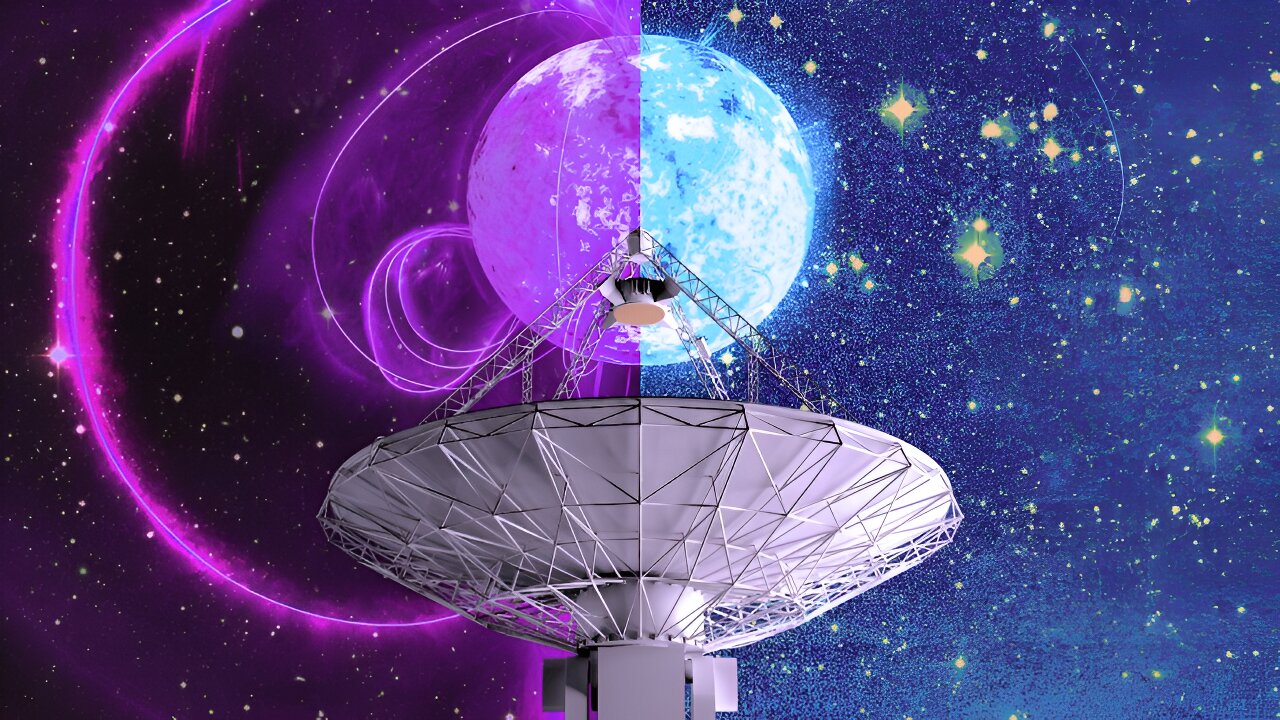
Astronomers from the International Centre for Radio Astronomy Research have discovered a unique cosmic event, GLEAM-X J0704-37, characterized by long-period radio transients occurring every three hours. Detected in the Puppis constellation, this phenomenon is linked to a binary system involving an M dwarf and a white dwarf, potentially explaining the energy emissions. This finding opens new research avenues and highlights the potential of archival data from the Murchison Widefield Array in uncovering cosmic mysteries.
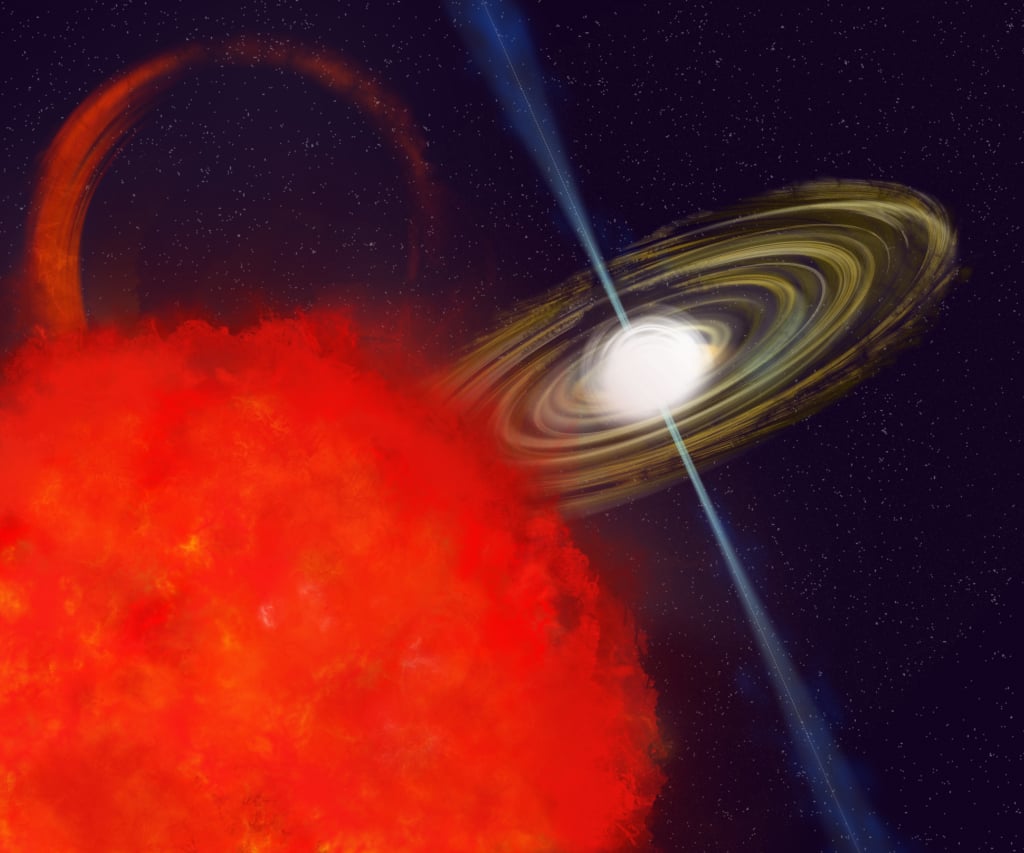
Astronomers have identified a record-breaking energy burst from a binary system containing a red dwarf and a white dwarf, located 5,000 light-years away. This burst, known as GLEAM-X J0704-37, is the longest-period example of long-period radio transients, a phenomenon that has puzzled scientists for nearly two decades. The discovery, made using data from the Murchison Widefield Array and the MeerKAT telescope, suggests that strong magnetic fields in the system may be responsible for the periodic energy emissions. This finding opens the possibility of uncovering more such transients in existing astronomical data.
Astronomers have discovered a unique radio transient, ASKAP J1935+2148, with an unprecedented cycle of nearly an hour, exhibiting varying pulse patterns. Detected by the ASKAP radio telescope, this signal challenges current understanding of neutron stars and white dwarfs, suggesting the need for further research into these cosmic phenomena.
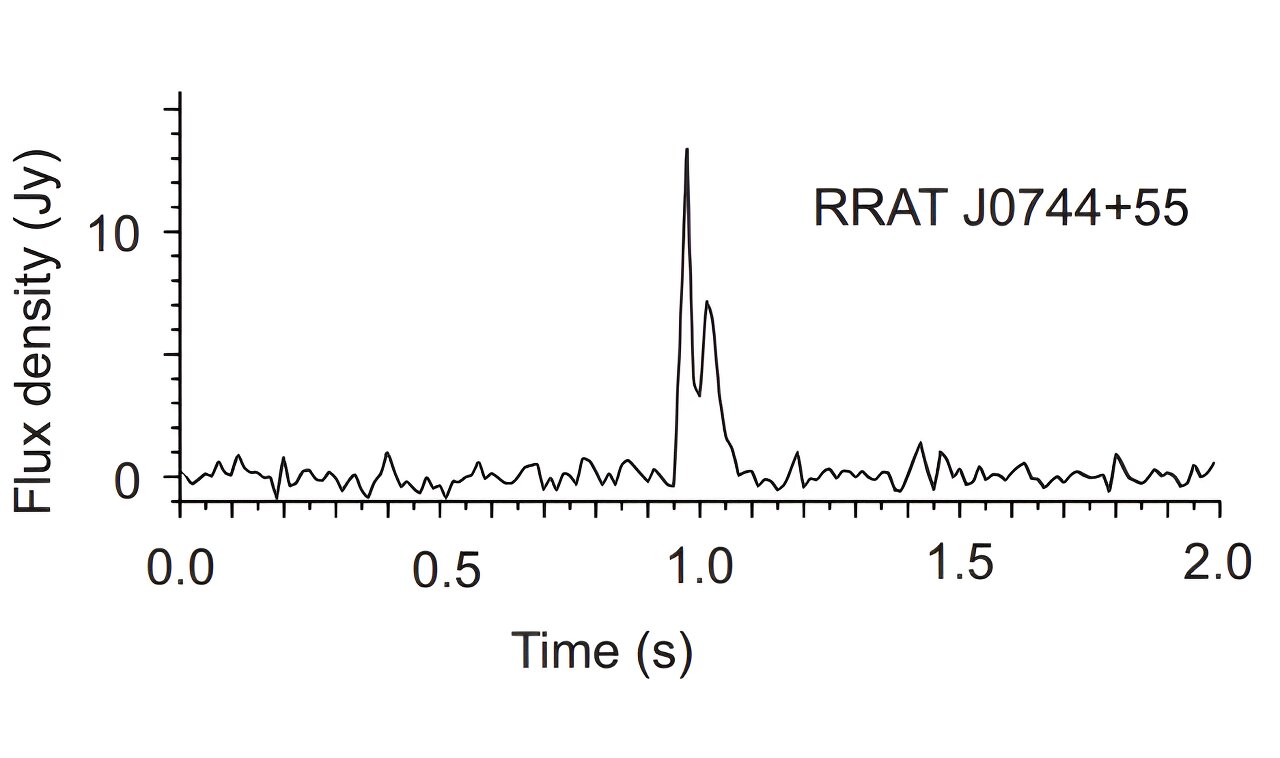
Astronomers using the Large Phased Array (LPA) radio telescope in Russia have discovered two new rotating radio transients (RRATs), a subclass of pulsars characterized by sporadic emission. The newly detected RRATs, named J0249+52 and J0744+55, were found through 10 months of observations and expand the list of detected RRATs with LPA to 48 objects. The nature of these transients remains unclear, but they are believed to be pulsars with very long nulling. Further observations are needed to confirm this hypothesis.