Stock futures rose as investors await inflation data and monitor global political turmoil that could impact bond markets and Fed rate decisions, amid growing recession fears and signs of labor market weakness.
The next phase of altcoin season depends on China's potential stimulus measures and investor reactions to recession fears, with global liquidity and risk appetite playing crucial roles in market dynamics.
The US housing market is experiencing a slowdown due to rising mortgage rates and recession fears, leading to a 'frozen' market with fewer sales, hesitant buyers, and sellers reluctant to lower prices, despite increased inventory and construction efforts.
US Treasury bonds have surged to local highs, raising concerns among analysts about potential recession risks. The rise follows disappointing nonfarm payroll data and increased economic uncertainty, with gold prices also reaching new highs. Analysts, including Michael A. Gayed, have expressed alarm over the bond market's movements, suggesting that high inflation, Federal Reserve interest rates, and geopolitical tensions may be contributing factors. Additionally, significant insider trading by major company executives and foreign countries selling US debt further highlight market apprehensions.
The Conference Board Consumer Confidence Index remained essentially unchanged in March at 104.7, with the Present Situation Index improving but the Expectations Index declining, potentially signaling a forthcoming recession. Consumers aged 55 and over showed increased confidence, while those under 55 became more pessimistic. Concerns about elevated price levels, particularly food and gas prices, persisted, with inflation expectations at 5.3 percent. While sentiment about current employment improved, expectations for future business conditions, labor market, and income prospects deteriorated. Additionally, consumers expressed more worry about the US political environment. Buying plans for interest-rate sensitive items decreased, but planned spending for services increased compared to last year.
The Dow Jones Industrial Average ended its nine-day winning streak as US stocks plunged amid recession fears, dampening investor enthusiasm for expected rate cuts by the Federal Reserve. While rate cuts are typically bullish for stocks, Wall Street strategists have cautioned that they could also signal a slowing economy at risk of tipping into recession. The market rally had been driven by expectations of Fed rate cuts, but concerns about a potential economic downturn have prompted investors to reassess their positions.
US consumer confidence in December reached its highest level since July, with the Consumer Confidence Index rising to 110.7. Recession fears also decreased, with the perceived likelihood of a US recession in the next 12 months falling to its lowest level of the year. The boost in confidence was driven by more positive ratings of current business conditions, job availability, and income prospects. The Expectations Index, which signals a recession when below 80, rose to 85.6. The Present Situations Index also increased, reaching its highest level since March.
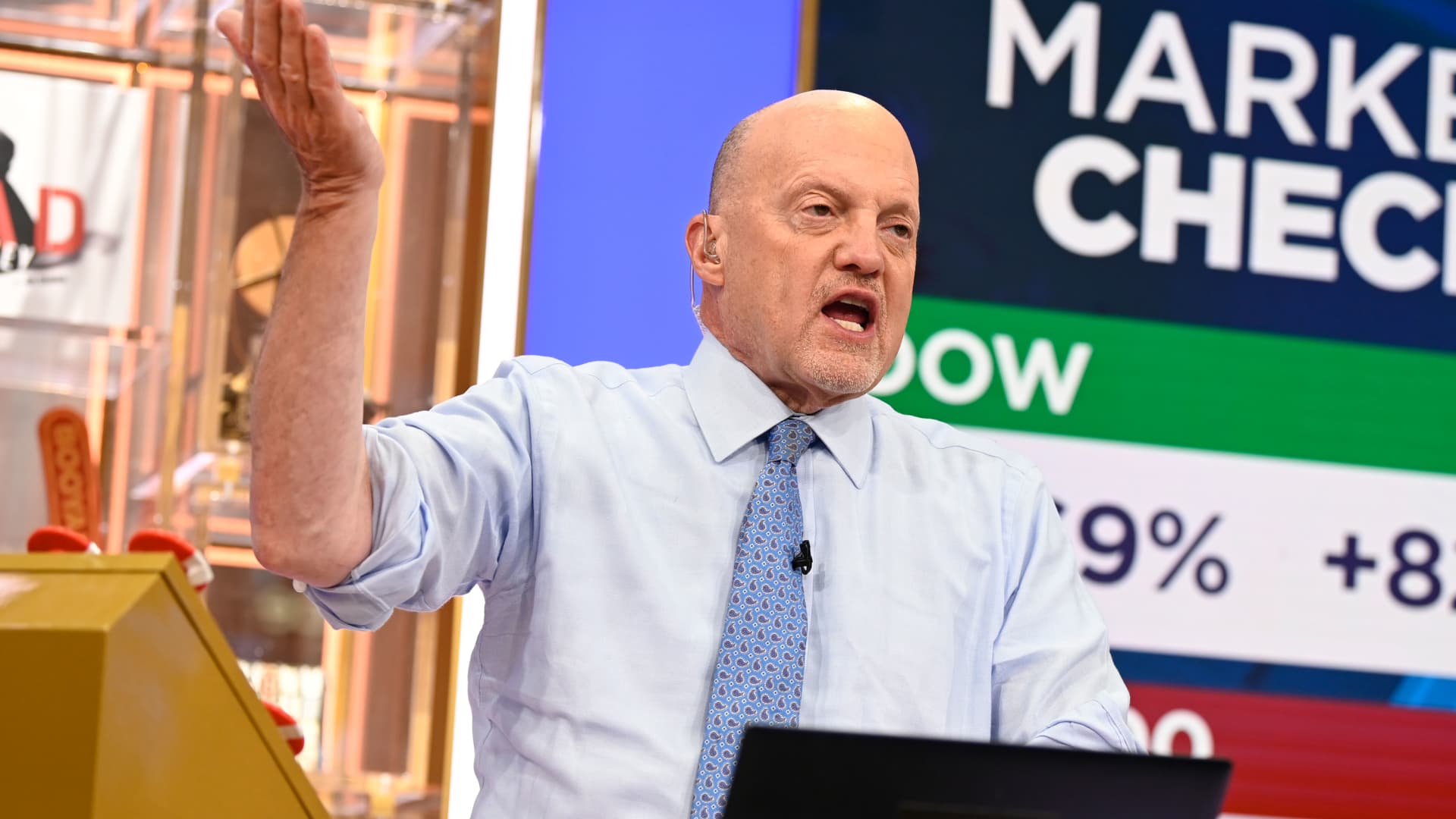
CNBC's Jim Cramer dismisses recession fears and believes that the Federal Reserve's decision to hold rates steady is a positive sign for the stock market. Cramer suggests that with inflation easing and the potential for rate cuts next year, more sectors, particularly economically sensitive ones, are poised to soar. He advises investors to consider buying cyclical stocks and sectors that benefit from lower interest rates, such as homebuilders, autos, and financials. Cramer also names specific stocks like Bank of America, JPMorgan Chase, Caterpillar, Stanley Black & Decker, Ford, and General Motors as potential opportunities. He believes that the Fed's actions indicate a soft landing for the economy and that investors should not be concerned about a looming recession.
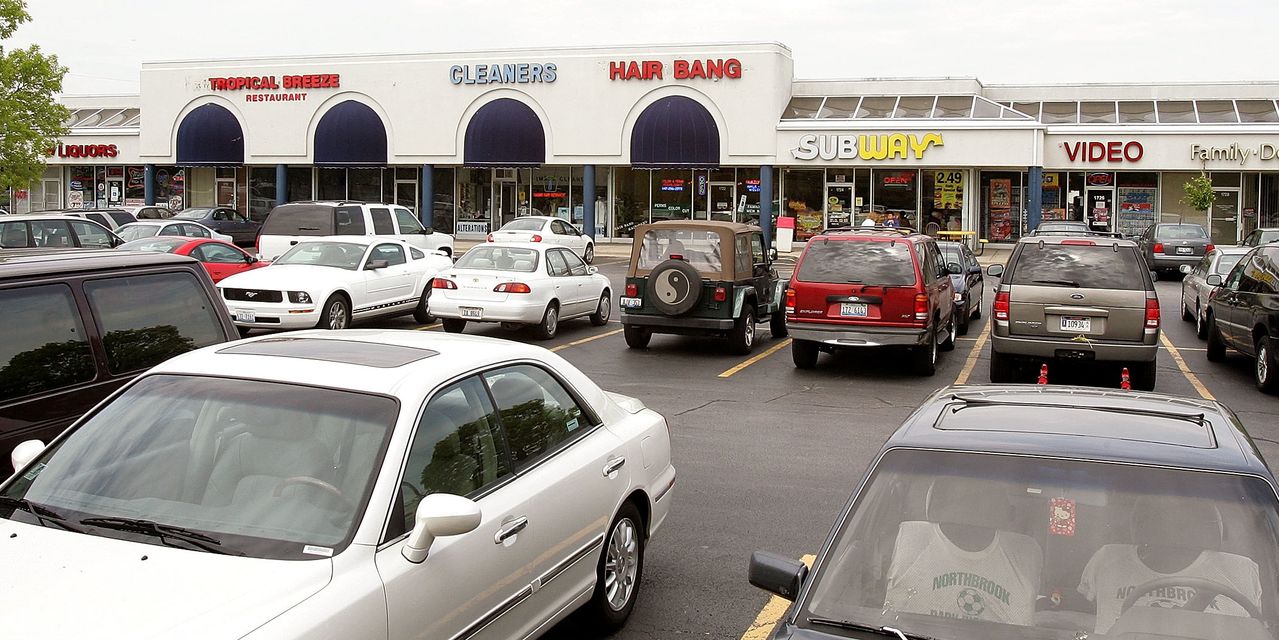
Aspen Funds' co-founder and CFO, Bob Fraser, who correctly predicted that recession fears were overhyped, is now focusing on investing in lucrative megatrends. The firm, which operates like a hedge fund, is betting on strip malls and other emerging trends. With $300 million in assets under management, Aspen Funds aims to capitalize on potential opportunities in the market.
Gold prices have surged above $2,000 an ounce due to a combination of factors, including economic uncertainty, rising inflation, and growing recession fears. Despite strong economic growth and falling inflation, gold remains elevated as the Federal Reserve is expected to maintain its hawkish monetary policy stance. Concerns over weak demand for U.S. debt and the impact of higher yields on the broader economy further contribute to the appeal of gold as a safe haven. The push back to $2,000 could mark the beginning of a larger trend for gold.
Oil prices remain under pressure despite a decline in inventories reported by the American Petroleum Institute, as economic concerns and hopes for a ceasefire in the Middle East offset the positive news. Disappointing business activity data in the eurozone, along with recession fears, contributed to the downward pressure on oil prices. Speculators have increased their bullish bets on oil due to the war premium added to prices after the Israel-Hamas conflict. Analysts suggest that the war premium has not dissipated enough to declare a meaningful reduction in geopolitical risk.
Recent market developments have drawn comparisons to previous episodes in US market history. The stock market's resilience amid rising bond yields is reminiscent of the late 1980s and 2008, while bond vigilantes selling off Treasuries harken back to the 1990s. The housing market, with soaring mortgage rates, resembles the early 1980s. Investors are searching for signals that echo previous recessions as fears of a downturn intensify.
US consumer confidence dropped to a four-month low in September, driven by concerns about higher prices, rising fears of a recession, higher interest rates, and the political environment. The Conference Board's consumer confidence index fell to 103.0, the lowest reading since May. Additionally, new home sales plunged 8.7% in August, while home prices accelerated in July. The Federal Reserve's hawkish stance and the potential government shutdown further contributed to the decline in consumer confidence.
Former St. Louis Fed chief James Bullard believes that concerns about a recession have been disproven, as the U.S. economy faces new risks of stronger growth that may require higher interest rates to combat inflation in the coming months.
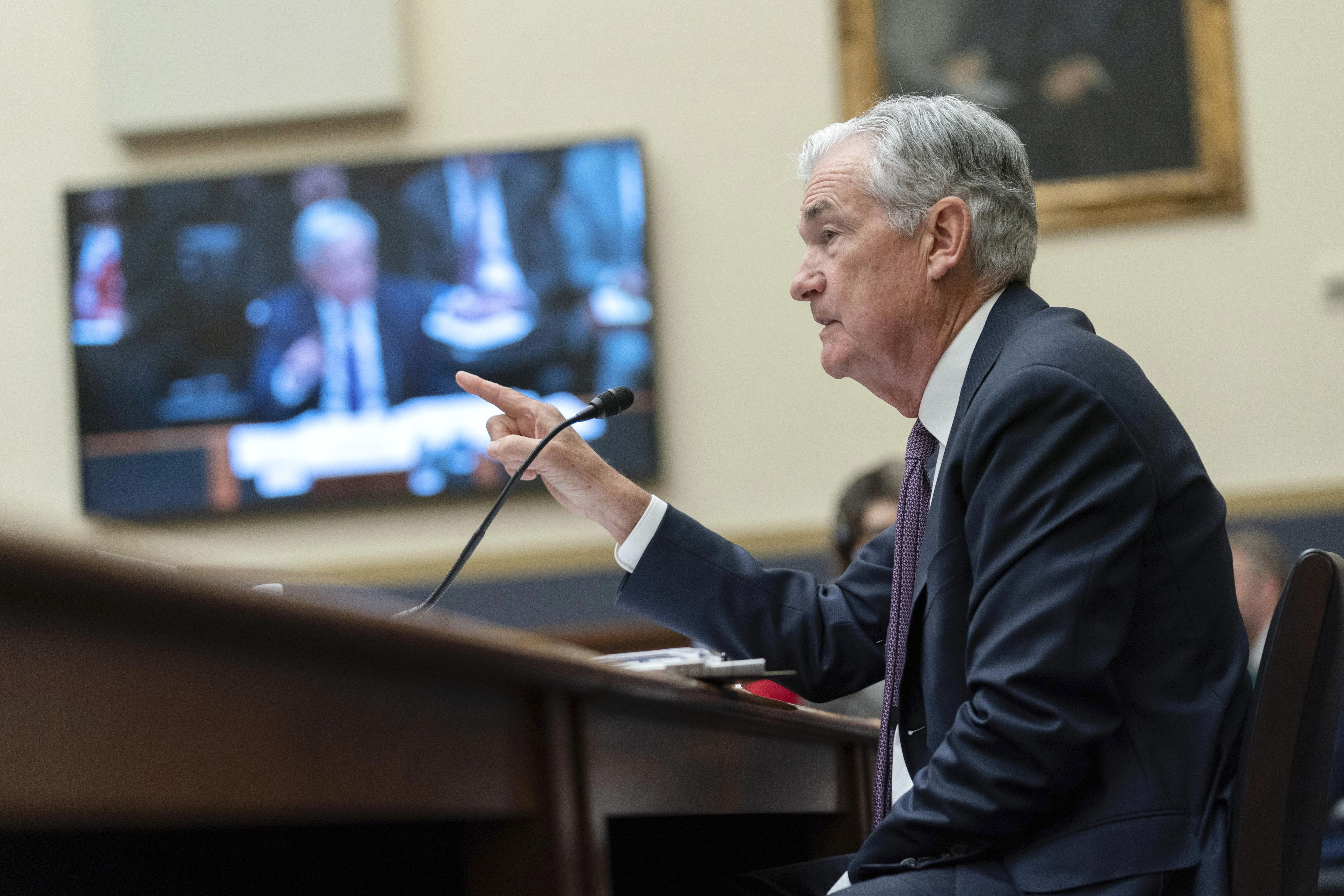
U.S. banks are expected to tighten loan standards in the second half of the year due to an uncertain economic outlook, according to the Federal Reserve's quarterly survey of lending activity. Concerns over deposit outflows, potential regulatory risks, and rising funding costs have led to a decreased appetite for riskier loans. This tightening of credit availability could pose a challenge to President Joe Biden's economic agenda and slow down business and job growth as the Federal Reserve raises borrowing costs to combat inflation. While a recession is no longer forecasted, Federal Reserve Chair Jerome Powell acknowledges that banking conditions are tightening, which could restrain economic growth.