Europe's banking sector had its best year since 1997 in 2025, and now banks are considering how to deploy their excess capital in 2026, with strategists viewing the sector as a strong diversification opportunity for investors.
Banks and traders are racing to capitalize on the historic surge in gold prices, highlighting a significant shift in investment strategies amid volatile financial markets.
The article discusses how traditional banks' asset growth is being surpassed by non-traditional financial institutions, highlighting a shift in the financial industry landscape.
Banks have reduced their loan-loss reserves despite rising concerns about loan quality and potential economic shocks, leading to investor skepticism. While some banks like JPMorgan increased reserves due to specific bad loans, overall industry sentiment remains cautious amid fears of rising defaults, especially in regional banks and private credit markets. Despite current stability, uncertainties about future economic conditions and the health of private credit markets keep investor caution high.
Most public and private schools, banks, and government offices are closed on Veterans Day, November 11, to honor military veterans, while essential services and retail stores generally remain open.
America's largest banks report strong earnings driven by consumer spending and market activity, but remain cautious due to rising credit risks, slowing job growth, and economic uncertainties like trade tensions and inflation.
Banks are warning about a potential economic bubble as they report strong profits, raising concerns about financial stability and the possibility of a market correction.
Loosening of capital regulations could potentially benefit Wall Street banks by enabling them to gain billions, raising concerns about increased risk and regulatory oversight.
Finance industry groups are urging the Basel Committee to delay implementing new crypto risk standards, arguing that the current rules are too conservative given the market's growth and increased integration with mainstream finance, and calling for a reassessment before enforcement begins in 2026.
The Federal Reserve Board announced it will end its specialized supervision program for crypto and fintech activities in banks and revert to standard supervisory methods, integrating previous insights into regular oversight processes.
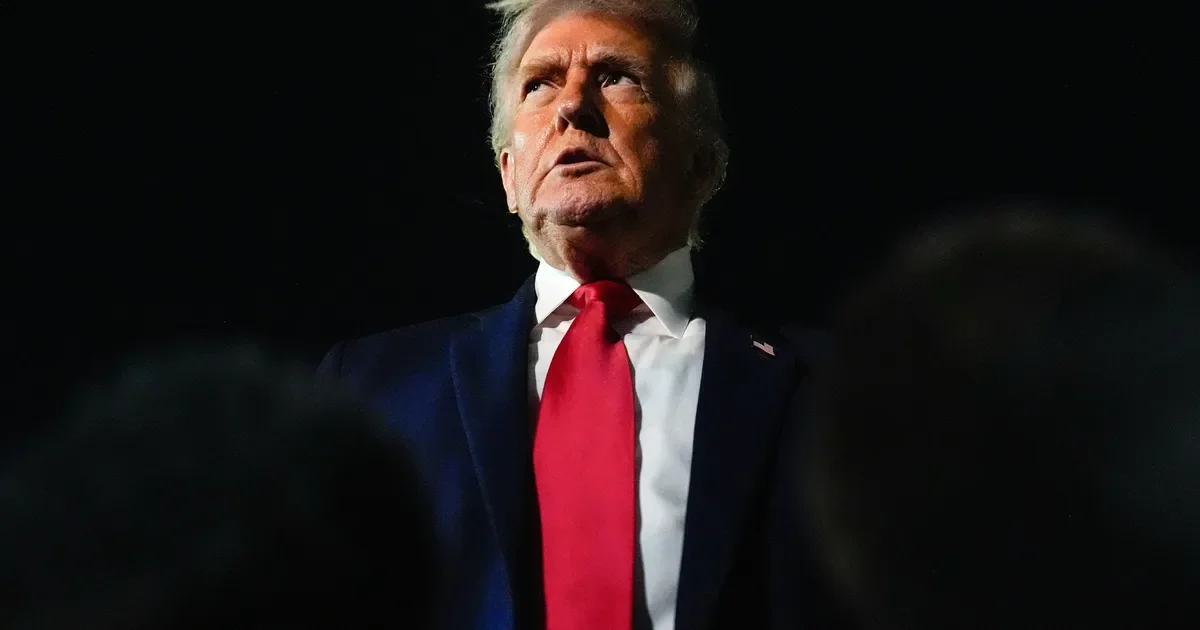
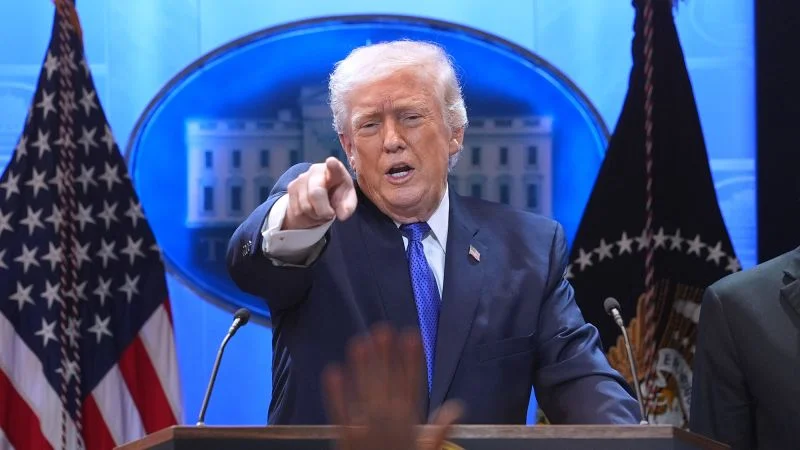
President Trump is set to sign an executive order aimed at addressing alleged political bias by large banks, accusing them of discriminating against him and conservative clients, and instructing the Treasury to develop strategies to prevent politically motivated account closures.
President Donald Trump is expected to sign an executive order aimed at protecting customers from being de-banked based on political or religious beliefs, directing regulators to remove vague 'reputational risk' language that has been used to justify account closures, amidst ongoing debates about political bias and regulatory overreach in banking.
The White House is preparing an executive order to investigate and potentially penalize banks for allegedly dropping customers for political reasons, following President Trump’s claims that major banks like JPMorgan and Bank of America discriminated against him and his supporters by refusing his deposits, which he suggests was politically motivated. The order aims to review banks for 'politicized or unlawful debanking' practices and could lead to penalties, amid ongoing tensions between Trump and the banking sector.
The White House is preparing an executive order to investigate and potentially penalize banks for allegedly dropping customers for political reasons, amid President Trump's claims that major banks discriminated against him and his supporters by refusing his deposits, though banks deny these allegations. The move reflects ongoing tensions over banking practices and political influence, with regulators and industry groups responding to the issue of 'debanking' and regulatory overreach.
President Trump accused major banks like JPMorgan and Bank of America of discriminating against him and his supporters by refusing his deposits, and he is preparing to issue an executive order to investigate and address alleged politicized debanking practices, amid ongoing tensions over financial regulation and political bias.