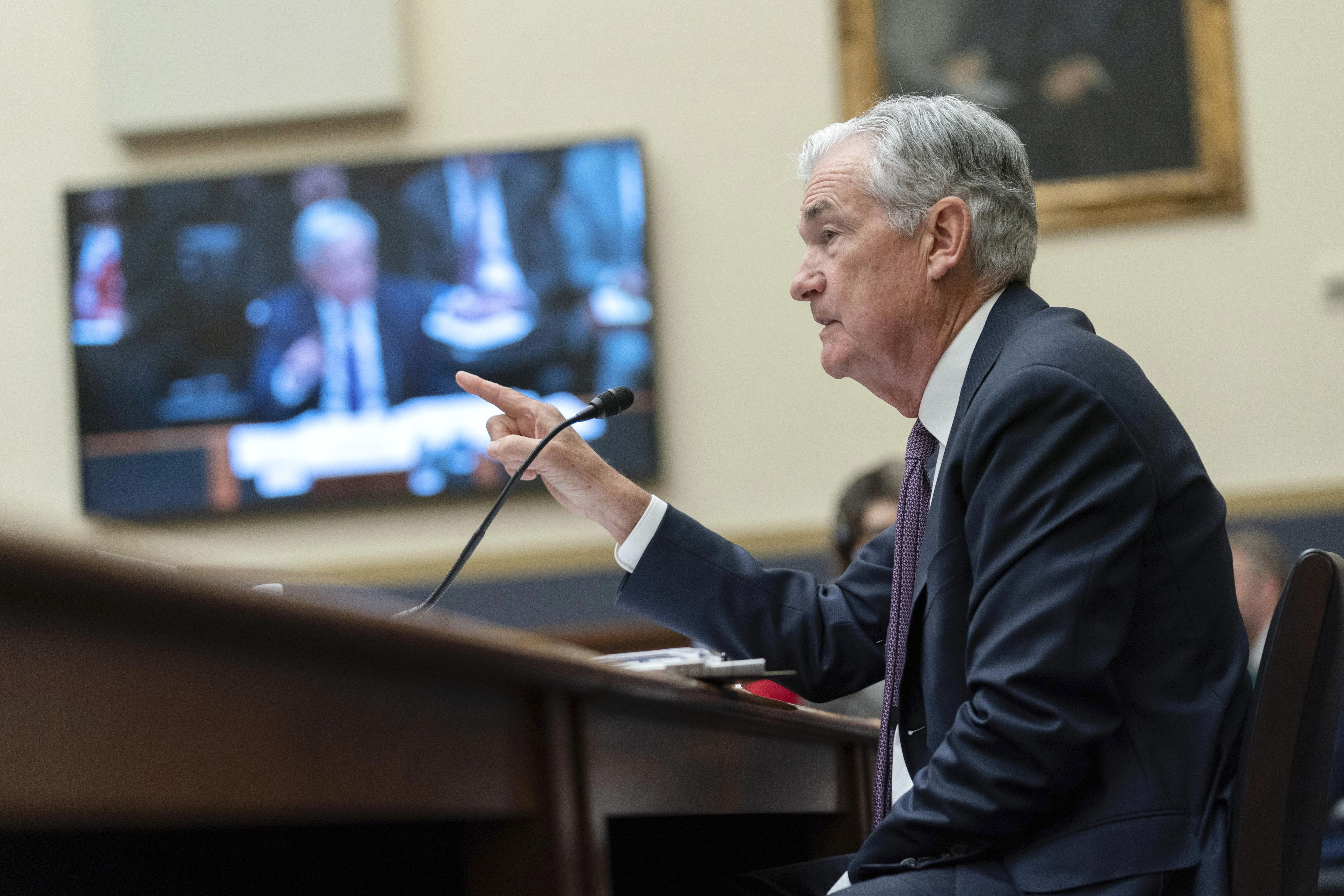
U.S. banks are expected to tighten loan standards in the second half of the year due to an uncertain economic outlook, according to the Federal Reserve's quarterly survey of lending activity. Concerns over deposit outflows, potential regulatory risks, and rising funding costs have led to a decreased appetite for riskier loans. This tightening of credit availability could pose a challenge to President Joe Biden's economic agenda and slow down business and job growth as the Federal Reserve raises borrowing costs to combat inflation. While a recession is no longer forecasted, Federal Reserve Chair Jerome Powell acknowledges that banking conditions are tightening, which could restrain economic growth.
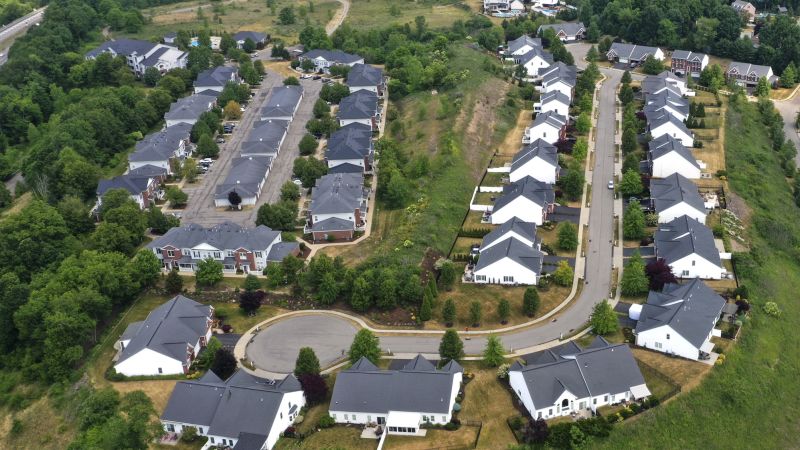
Mortgage rates have decreased slightly for the second week in a row as the Federal Reserve paused on raising the federal funds rate. The 30-year fixed-rate mortgage averaged 6.69% in the week ending June 15, down from 6.71% the week before. The average mortgage rate is based on mortgage applications that Freddie Mac receives from thousands of lenders across the country. Although the economy has likely not yet seen the full impact of the Fed’s 10 consecutive rate hikes, the action marked an important step in the Fed’s policy.
Mortgage rates have dropped to 6.71% for a 30-year fixed-rate mortgage, down from last week's 6.79%, but still above last year's average of 5.23%, according to Freddie Mac. However, a lack of housing supply and tight credit availability are creating affordability issues for buyers. The Federal Reserve meets next week to discuss interest rates, with additional rate hikes on the table for the second half of 2023. The Mortgage Bankers Association's Mortgage Credit Availability Index has dropped to the lowest level in a decade, indicating tightening lending standards.
Gold prices rose to $2,040 after Federal Reserve Chair Jerome Powell signaled a potential pause in tightening following another 25-basis-point rate hike. Powell said the Fed will be driven by a combination of incoming data and credit conditions, and will be watching what small and medium-sized banks are doing and credit availability. The focus for the Fed will be on balancing the risk of not doing enough and not getting inflation under control against the risk of slowing down economic activity too much.
The Fed funds futures market is now pricing in a 75% chance of a rate hike on May 3, but no hike is priced in for the June 14 meeting. The year-end level is expected to drop to 4.336%, which would be a swift drop from 5.00-5.25% after next week's meeting. The banking crisis resurfaced with First Republic's need for outside help, which could lead to worse credit availability and a new round of bank stress.
Hedge funds are increasing their bearish bets against office landlords, using credit derivatives and equities to bet against the companies and their debt, as concerns rise that the US regional banking crisis will slash the availability of credit to property owners that were already suffering from the pandemic and rising interest rates. Almost 40% of shares in the iShares US Real Estate ETF are sold short, the highest proportion since June, according to data from analytics firm S3 Partners. Regional banks account for about 80% of bank lending to commercial properties, according to economists at Goldman Sachs Group Inc.
Morgan Stanley's chief US equity strategist, Mike Wilson, warns that the recent US rescue for bank depositors does not mean quantitative easing and that credit availability is decreasing for a wide swath of the economy, which may be the catalyst that finally convinces market participants the equity risk premium is way too low. Wilson believes that the risk to the earnings outlook means that the risk/reward in US equities remains unattractive until the equity risk premium is at least 350-400bp.