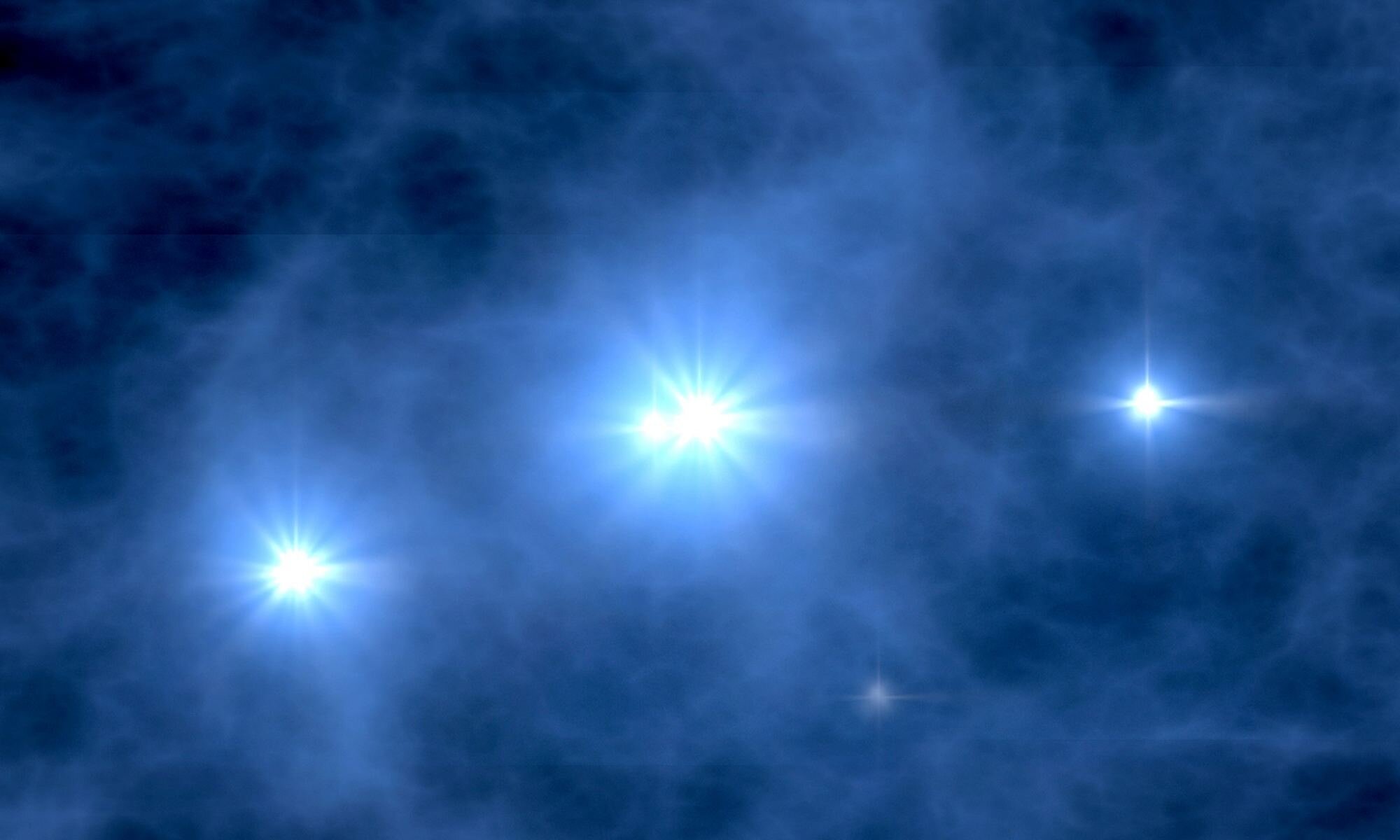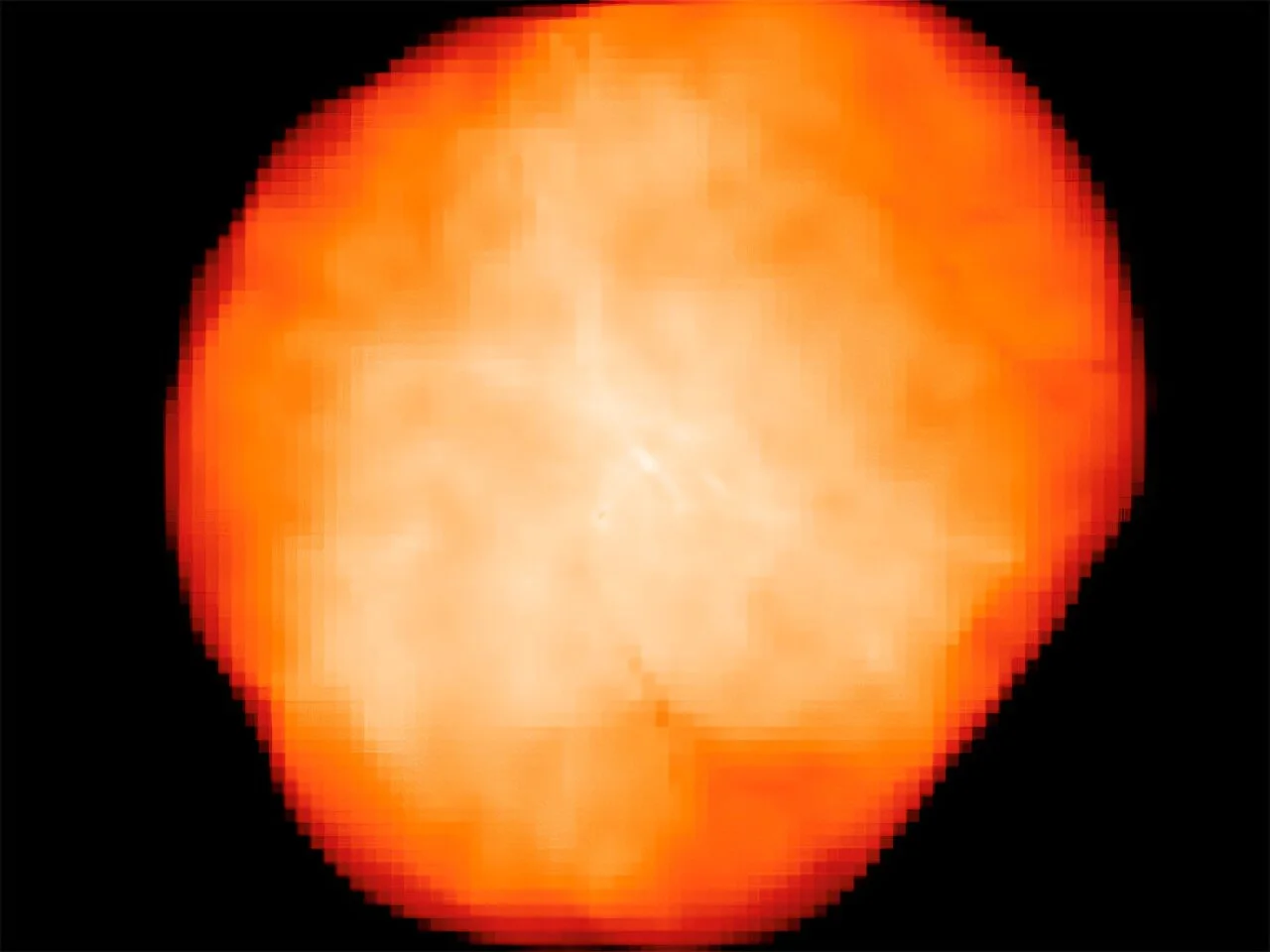
A new theoretical model called 'Pop III.1' suggests that supermassive black holes originated from the first massive stars in the universe, which rapidly ionized surrounding hydrogen gas, potentially explaining early cosmic phenomena and addressing current cosmological tensions. The model aligns with recent JWST findings and proposes that these early stars caused a flash ionization that ended the universe's dark ages.
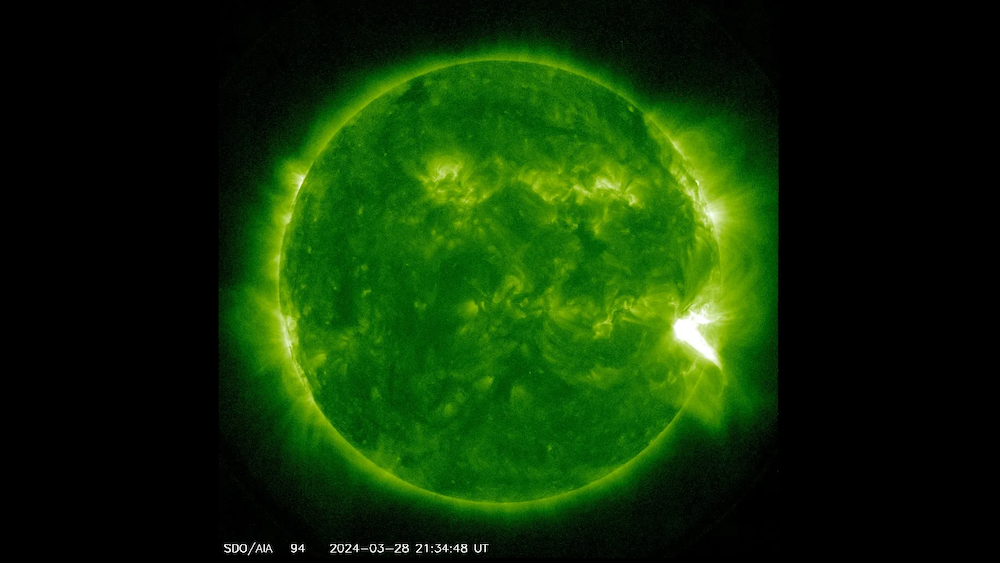
A powerful X1.1 solar flare erupted from the sun, causing a deep shortwave radio blackout over the Pacific Ocean and triggering concerns about a potential geomagnetic storm. The flare, accompanied by a coronal mass ejection, was detected by NOAA satellites and comes after a recent "double" X-class flare. Scientists speculate that the sun may have entered its peak activity phase earlier than expected, as seven X-class flares have already occurred in 2024.
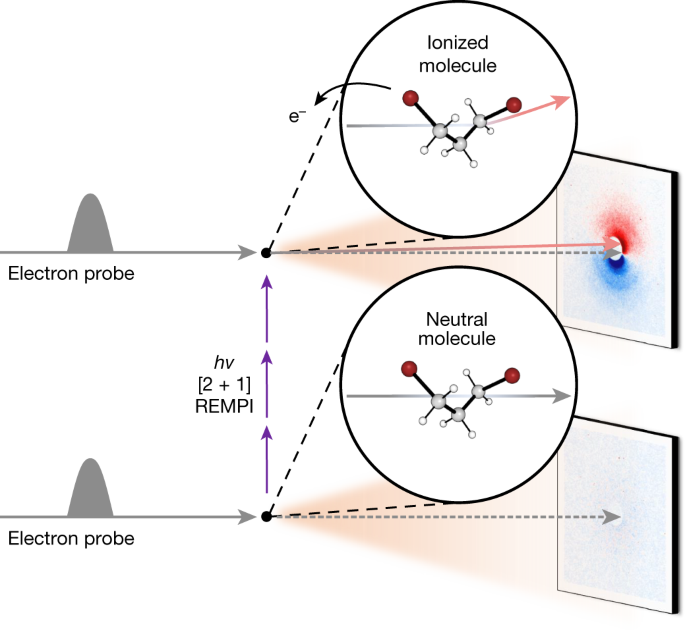
Researchers used MeV-UED to study the generation and structural transformations of molecular ions produced by non-resonant strong-field ionization of toluene molecules. They implemented resonance-enhanced multiphoton ionization (REMPI) to achieve soft ionization and high ionization efficiencies. The study revealed an unusually long induction period of approximately 4 ps before structural changes occurred in the ionized species. Kinetic analysis and structural refinements using density functional theory (DFT) calculations provided detailed insights into the formation and structural features of the ionized species, shedding light on the photoreaction pathways and molecular structures of the excited population.
Astronomers using the James Webb Space Telescope (JWST) have potentially found the first glimpse of Population III stars, the first stars to appear in the universe with almost no metals in them. The team looked at spectral lines from a region near a galaxy known as GN-z11, one of the most distant galaxies ever observed, and found a strong HeIIλ1640 line, which could have been emitted by massive Population III stars. This study isn't enough to prove the presence of Population III stars, but it's a compelling argument.