Tag

Clps

All articles tagged with #clps

Artemis CLPS Picks Three Moon Science Probes for Surface Study
space1 month ago

Artemis CLPS Picks Three Moon Science Probes for Surface Study

NASA selected three new CLPS payloads—EMILIA-3D, LISTER, and SELINE—to land on the Moon by no earlier than 2028. EMILIA-3D will create 3D thermal models of the terrain, LISTER will drill and measure subsurface heat flow, and SELINE will study the lunar radiation environment. These experiments don’t require a fixed landing site and will advance lunar science, exploration safety, and the growing lunar economy by leveraging U.S. industry.

GRU Space Opens Moon Hotel Deposits for 2032 Launch
business1 month ago

GRU Space Opens Moon Hotel Deposits for 2032 Launch

GRU Space is taking deposits up to $1 million for the Moon hotel it plans to launch around 2032, with earlier tests to begin via NASA’s CLPS program in 2029. The project uses inflatable hotel structures and lunar brick technology, aiming to expand from a four-guest first version to larger lunar complexes, backed by investors from SpaceX and Anduril and targeting thrill-seekers and former spaceflight participants alike.

NASA Details VIPER's Role in Lunar Lander Program
space1 year ago

NASA Details VIPER's Role in Lunar Lander Program

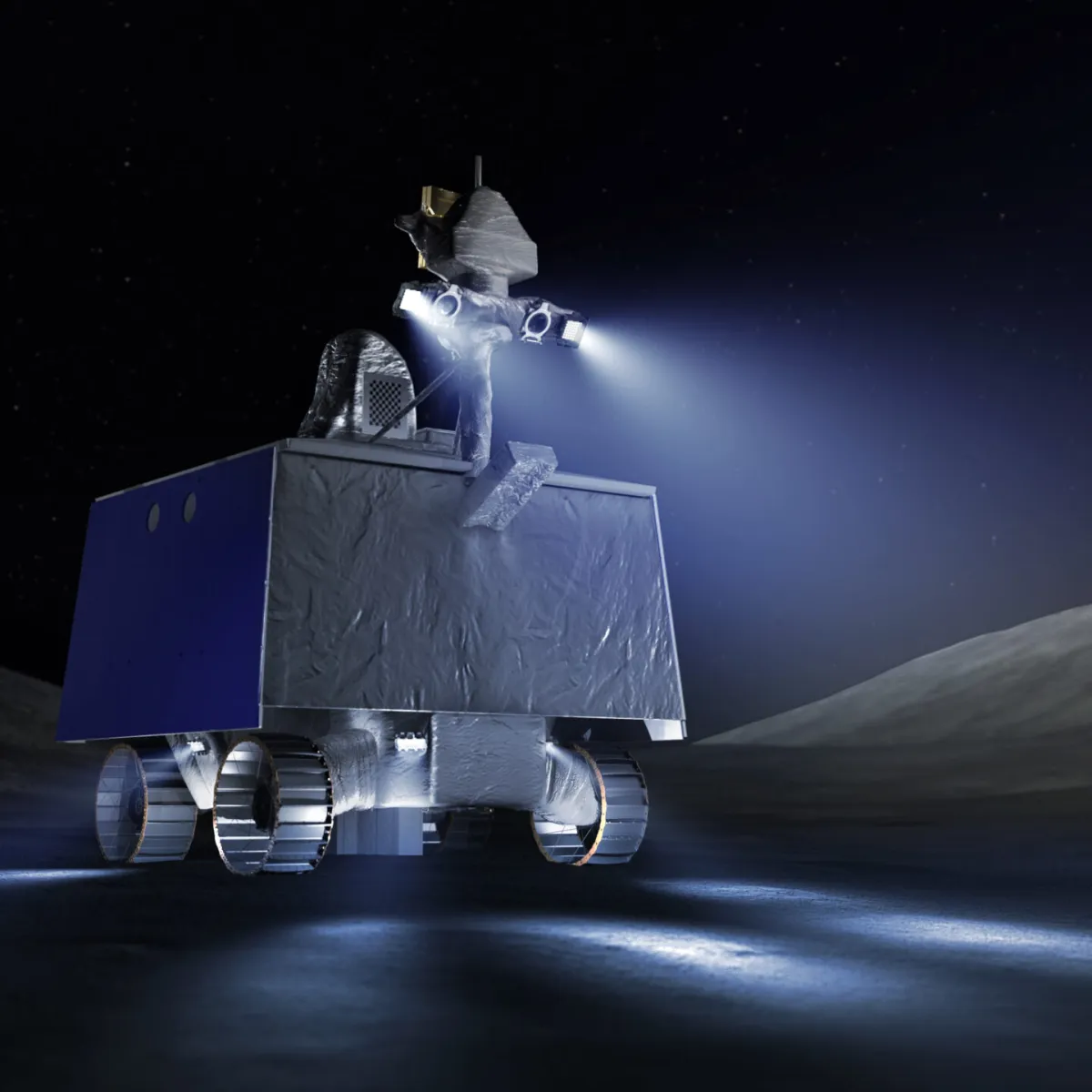
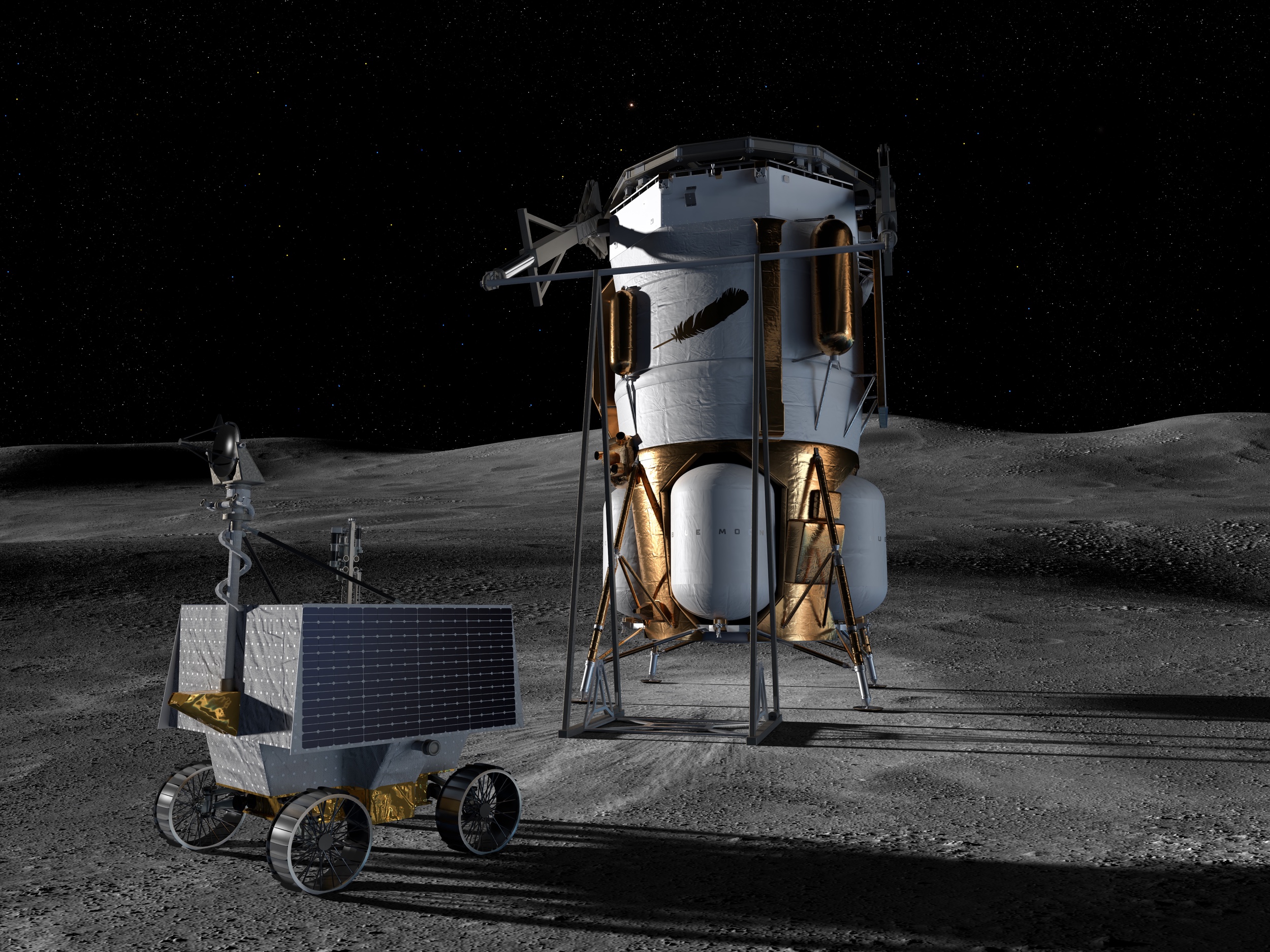
NASA has decided to cancel the VIPER lunar rover mission due to cost and schedule overruns, which would have impacted other missions in the Commercial Lunar Payload Services (CLPS) program. The cancellation could have led to the termination or delay of up to eight CLPS missions. NASA is exploring alternative options, including partnering with commercial and international entities, to continue the mission. The decision has faced criticism for potentially missing the opportunity to study lunar water ice deposits, crucial for future lunar exploration and commercialization.

"Private Moon Lander Sends First Space Photos"
space-exploration2 years ago

"Private Moon Lander Sends First Space Photos"

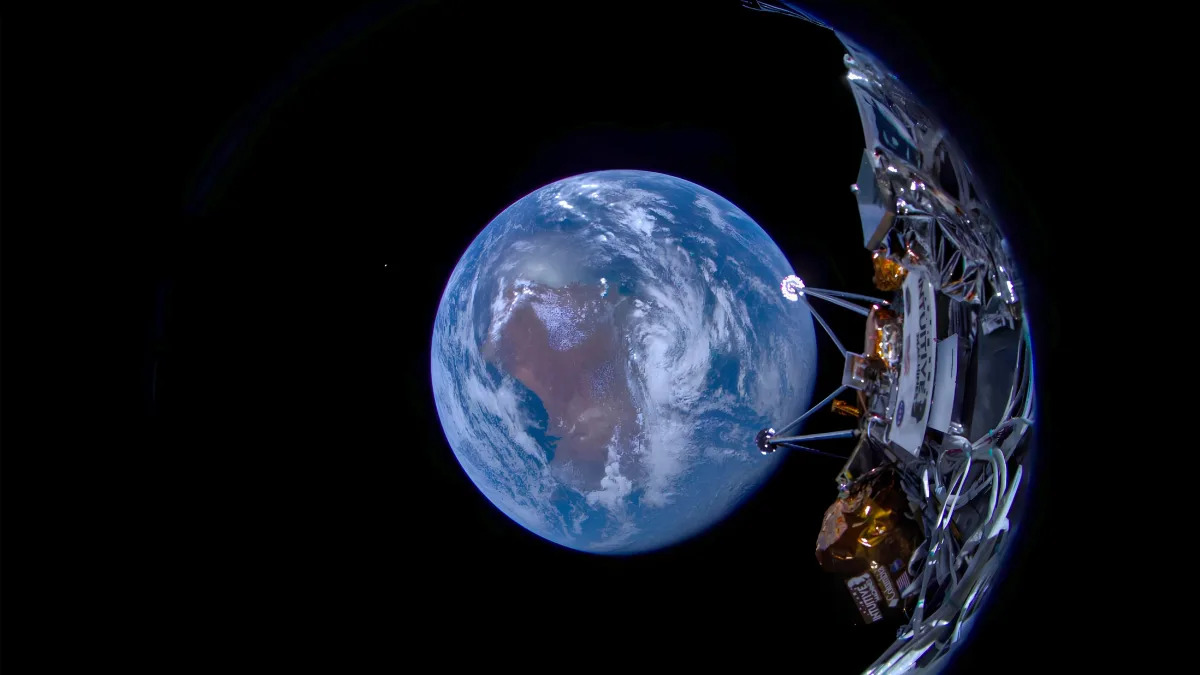
Intuitive Machines' moon lander Odysseus has transmitted its first photos from space, capturing selfies with Earth in the background shortly after its launch atop a SpaceX Falcon 9 rocket. The spacecraft is part of NASA's CLPS initiative and is carrying six NASA experiments and technology demonstrations, along with six private payloads, on its current mission. Odysseus is healthy and communicating with mission control as it heads toward a planned Feb. 22 touchdown attempt, with its engine performing normally. Success on the upcoming landing try would be historic, as no private spacecraft has ever softly touched down on the moon.

"NASA's Precision Lunar Tracking: The Power of Simple Technology"
science-and-technology2 years ago

"NASA's Precision Lunar Tracking: The Power of Simple Technology"

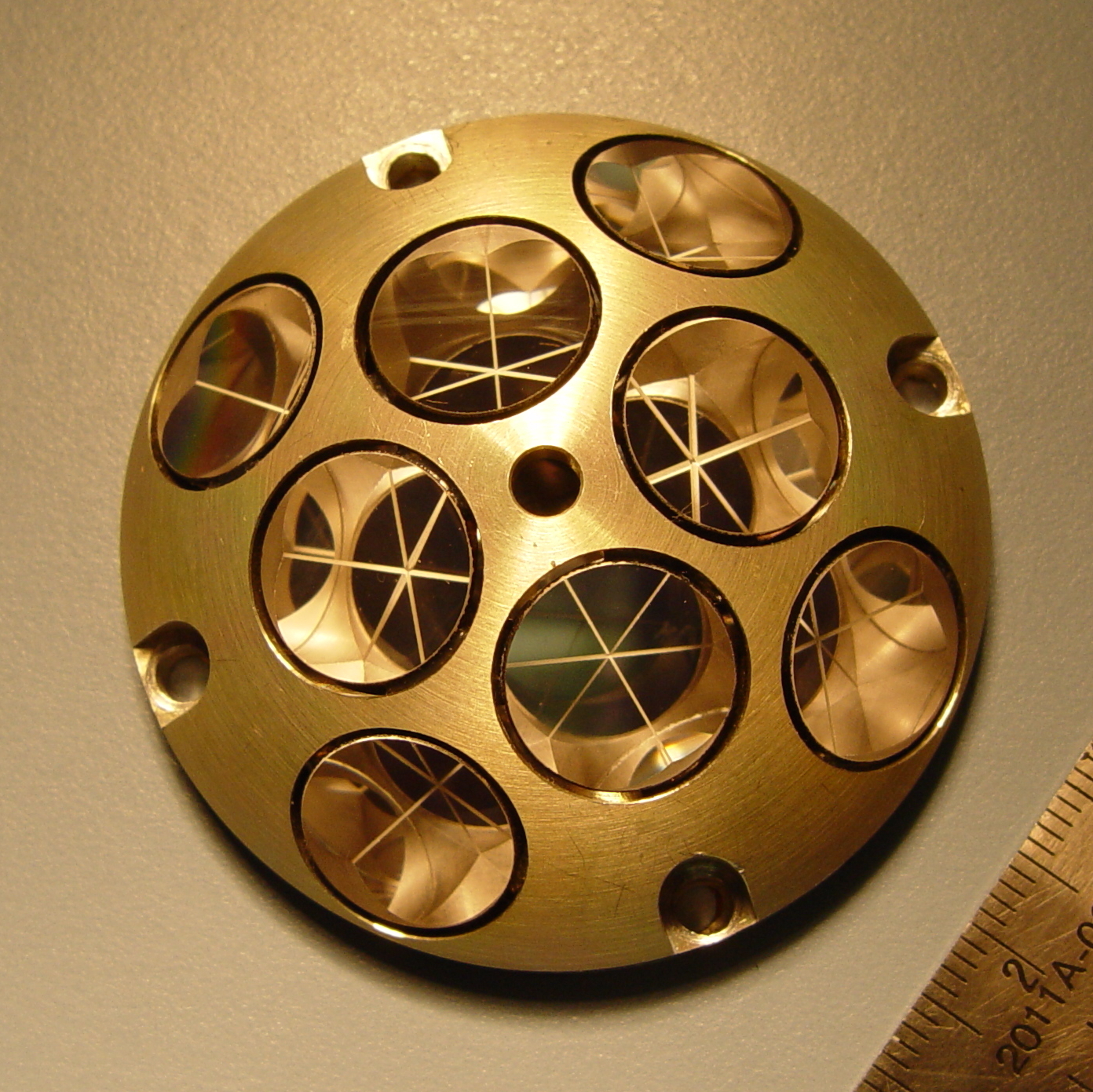
NASA is using Laser Retroreflective Arrays (LRAs) to accurately determine the locations of lunar landers as part of the Commercial Lunar Payload Service (CLPS) initiative. LRAs are small, lightweight, and inexpensive devices that reflect laser light, allowing orbiters or landers to locate them on the Moon. These LRAs act as markers for navigation aids and can be used for precision docking and range-finding, even in pitch-dark areas close to permanently shadowed regions near the lunar South Pole. As more LRAs are deployed, our ability to gauge the location of key landers and points of interest on the Moon will improve, aiding in scientific exploration and future human missions.

"Pittsburgh's Astrobotic Aims for Historic US Moon Landing Since Apollo Era"
science-and-technology2 years ago

"Pittsburgh's Astrobotic Aims for Historic US Moon Landing Since Apollo Era"

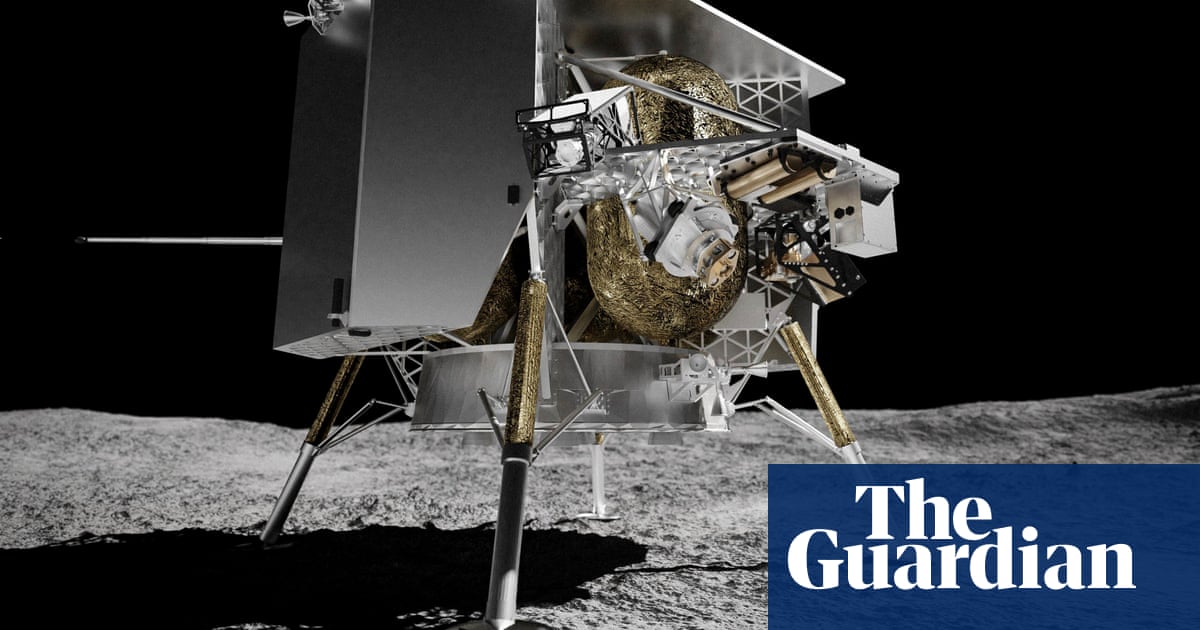
The Peregrine mission, the first US moon lander since the Apollo era, is set to launch from Cape Canaveral, aiming for a lunar landing on February 23. This commercial mission by Astrobotic, carrying both NASA instruments and private payloads, marks a significant step in the commercialization of space exploration. The mission is part of NASA's CLPS initiative to deliver scientific equipment to the moon and includes a diverse array of cargo, from scientific instruments to a copy of Wikipedia and even human remains. Despite the high risks associated with lunar landings, the mission's success could pave the way for future lunar exploration and resource utilization.

"NASA Unveils Science Breakthroughs from Historic Artemis Robotic Moon Landing"
space2 years ago

"NASA Unveils Science Breakthroughs from Historic Artemis Robotic Moon Landing"

NASA will hold a media teleconference on November 29 to discuss the science payloads on the first commercial robotic flight to the Moon under the Artemis program. Astrobotic Technologies will launch its Peregrine lander carrying NASA and commercial payloads to the Moon in early 2024. The payloads will investigate the lunar exosphere, thermal properties of the lunar regolith, hydrogen abundances in the soil, magnetic fields, and radiation environment monitoring. This is part of NASA's effort to establish a regular cadence of payload deliveries to the Moon and prepare for future human exploration missions to Mars.