Mars Living Isn’t Front-Page Frontier: Sci-Fi’s Survival Myths Debunked
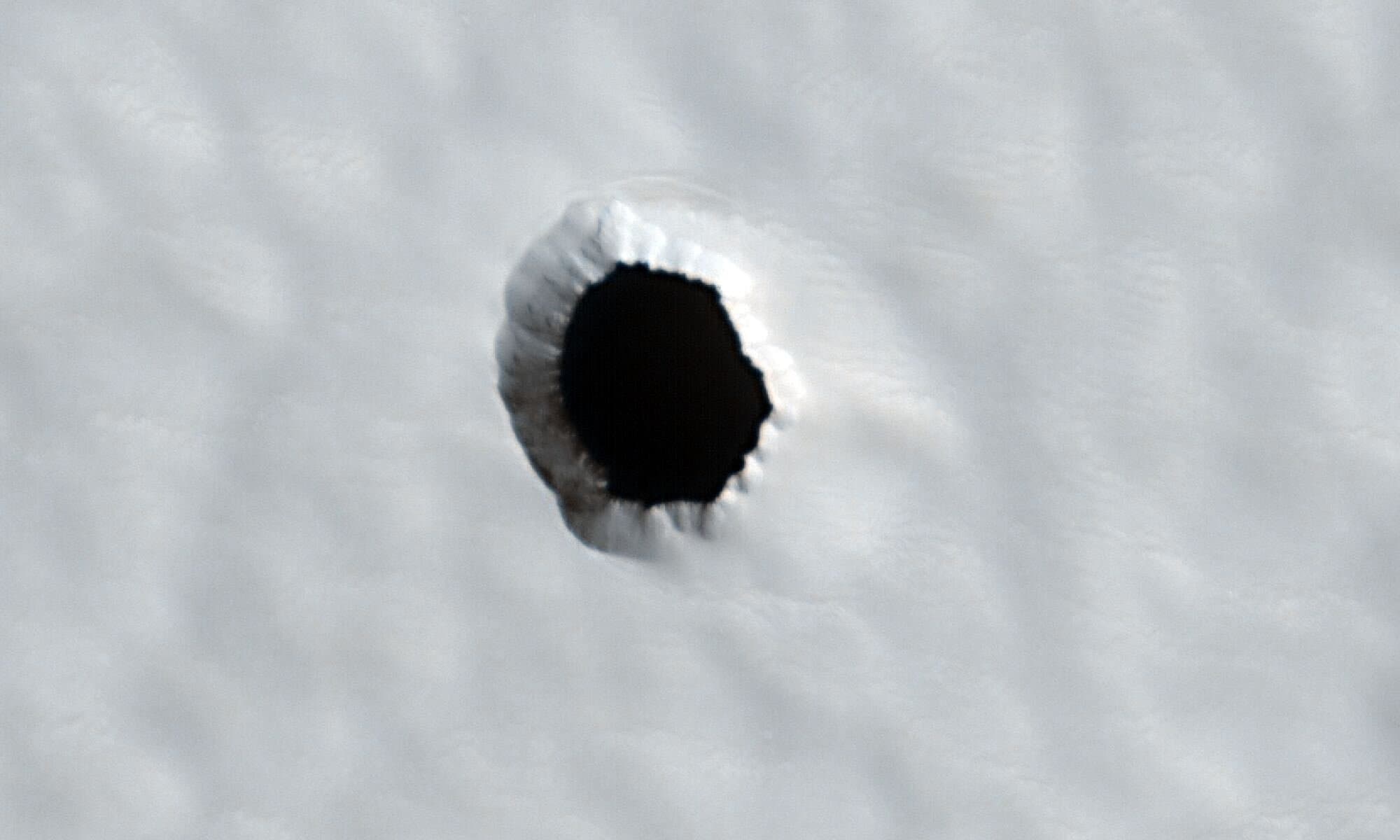
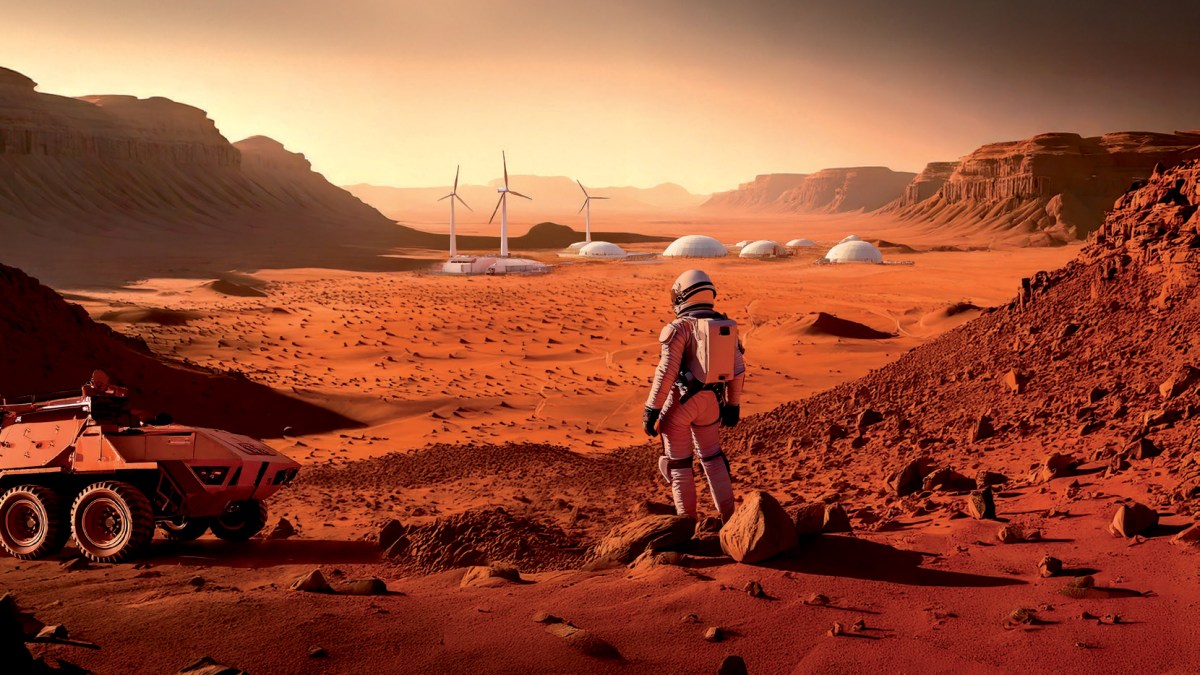
Space.com debunks five common sci-fi myths about living on Mars: that colonies can easily thrive on the surface, that humanity could just terraform the planet, that low gravity is harmless, that Martian soil can support easy farming, and that the main challenge is simply getting there. In reality, viable settlements would likely be buried underground or in lava tubes with hermetically sealed habitats, requiring thick radiation shielding, closed-loop life support, and abundant energy. The Martian atmosphere is extremely thin and lethal without a suit, oxygen must be generated, and surface conditions are brutal (cold, radiation, low pressure). Growing food faces toxic perchlorates in soil, so hydroponics or bioengineered solutions are needed. Psychological stresses from isolation and long travel times add equal weight to physical survival. Overall, any real Mars settlement would demand centuries of Earth-provided resources and massively engineered habitats, making true “colonization” far more complex than sci-fi suggests.