Recent scientific evidence suggests that psychopathy is more likely to be innate, linked to structural differences in the brain and genetic factors, rather than solely caused by environmental influences, although both may play a role.
A study found that Machiavellianism and psychopathy decrease with age, while narcissism remains stable, suggesting personality traits associated with manipulation and callousness tend to soften over time, though individual changes require longitudinal research for confirmation.
Research suggests that individuals with higher psychopathic traits, specifically meanness, may have a heightened ability to accurately interpret others' thoughts and intentions, challenging previous assumptions that psychopathy impairs social understanding. The study used a movie-based task to assess social cognition and found that meanness was linked to fewer errors in understanding social situations, possibly reflecting a more logical, less emotional approach to social interpretation. These findings highlight the complex relationship between psychopathic traits and social cognition, with implications for understanding manipulation and social behavior.
A meta-analysis found that individuals with higher psychopathic traits are more open to casual sex without emotional intimacy, with this association being relatively strong and consistent across genders, but varying depending on the psychopathy assessment method.
A study found that men who have frequent sex on Tinder tend to exhibit psychopathic traits, while women who have sex on the app report higher satisfaction, possibly due to lowered standards or increased sexual agency. The research highlights personality differences among successful users and raises questions about the influence of traits like psychopathy on dating behaviors.
A study finds that men with psychopathic traits and women with less selective attitudes are more likely to find dates and sex via Tinder, suggesting that short-term mating strategies and certain personality traits influence success on dating apps, with implications for understanding human mating behaviors in digital environments.
Recent research reveals that psychopathic traits, present even at subclinical levels in the general population, influence various aspects of behavior and biology, including emotional processing, social interactions, hormonal levels, and political preferences, highlighting the complex and multifaceted nature of psychopathy.
New research using advanced connectome modeling reveals that psychopathy is linked to two distinct neural pathways in the brain: one affecting emotional processing and social-affective functions, and the other impacting attentional control. These pathways help explain the emotional detachment and impulsivity seen in psychopathic traits, and suggest potential targets for tailored interventions. The findings highlight the importance of brain network connectivity in understanding and potentially mitigating psychopathic behaviors.
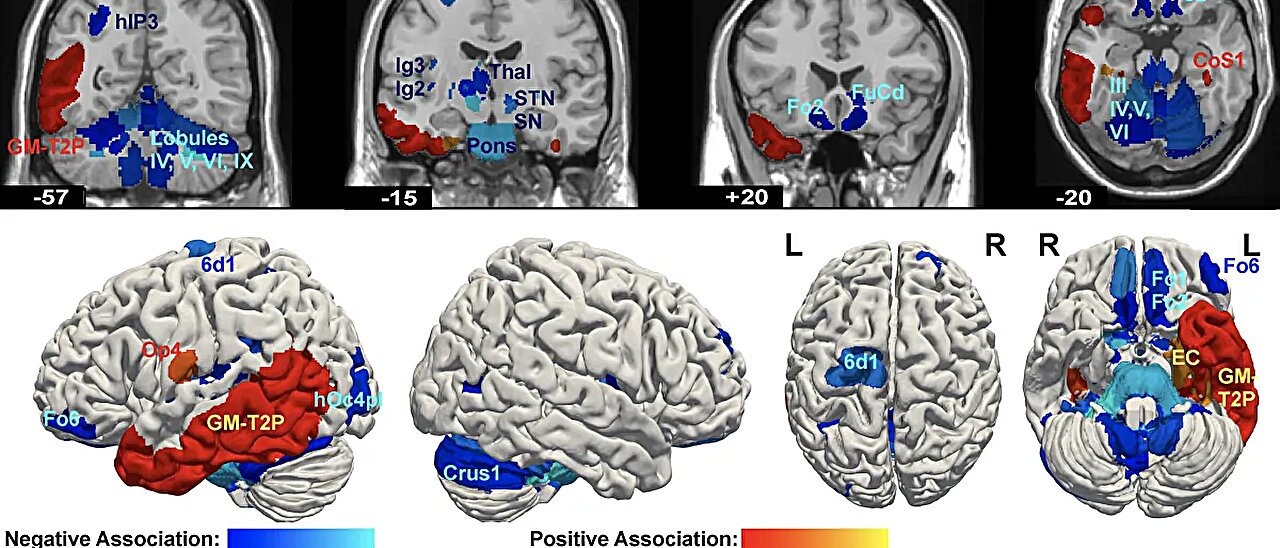
Recent neuroimaging research reveals that individuals with psychopathy exhibit significant reductions in brain volume in regions responsible for emotional regulation, decision-making, and social behavior, providing a biological basis for their antisocial tendencies. The study highlights the complexity of psychopathy, with some traits showing less consistent neural correlations, and paves the way for targeted interventions based on neural differences.
A study comparing brain scans of psychopaths and non-psychopaths found that individuals with psychopathic traits have structural differences in brain regions associated with emotional regulation, impulsivity, and behavioral control, including smaller overall brain size and specific regional reductions, which could inform future treatments and understanding of psychopathy.
Recent studies reveal structural brain differences in individuals with psychopathic traits, a potential evolutionary trait in sharks related to tonic immobility, and a correlation between high IQ and more accurate life predictions, suggesting cognitive and biological factors influence behavior and decision-making.
A study using neuroimaging has identified specific brain regions with reduced volume associated with antisocial traits in individuals with psychopathy, highlighting a neurobiological link between brain structure and antisocial behavior.
New research challenges the traditional belief that individuals with psychopathic traits lack fear, suggesting instead that they may find enjoyment in frightening situations. The study, published in the Journal of Personality, found that those with high levels of psychopathic traits, particularly Factor 1 traits, reported more positive and fewer negative emotions in response to fear-inducing stimuli. However, the findings related to psychopathic boldness presented a more complex picture, suggesting a broader stress immunity rather than a specific enjoyment of fear. While the study provides evidence for the fear enjoyment hypothesis, further research is needed to deepen our understanding of these findings.
New research set for presentation at the Cambridge Festival argues that female psychopaths are up to five times more common than previously believed, challenging the notion that psychopaths are predominantly male. Dr. Clive Boddy's study suggests that female psychopaths have been underestimated due to gender bias and the focus on criminal and male psychopaths in prior research. He asserts that female psychopaths exhibit different characteristics and are more manipulative, using deceit and seductive behavior to gain advantages. The findings have implications for risk management decisions and organizational leadership selection, and Dr. Boddy's talk is scheduled for March 16th at ARU's campus in Cambridge.
Dr. Clive Boddy, a professor at Anglia Ruskin University, challenges the belief that most psychopaths are men, suggesting that there may be significantly more female psychopaths than previously thought. He argues that female psychopaths may go unrecognized due to societal perceptions of psychopathic traits as male characteristics. Dr. Boddy's research indicates that female psychopaths may express violence verbally and use deceit and seduction to gain advantages. He also highlights a gender-specific bias in psychopathy assessments and suggests that female psychopaths may pose a greater threat to business and society than previously suspected, with implications for risk management and leadership decisions.