Tag

Mind Reading

All articles tagged with #mind reading

Needy Streamer Overload Team Launches Dark Visual Novel Sister Other Paranoia on Steam

Originally Published 13 days ago — by Gematsu

Featured image for Needy Streamer Overload Team Launches Dark Visual Novel Sister Other Paranoia on Steam
Source: Gematsu

A dark visual novel titled Sister Other Paranoia, created by the team behind NEEDY STREAMER OVERLOAD, explores themes of isolation, mental health, and unhealthy codependency between a protagonist with mind-reading abilities and his sister, set against a gloomy, introspective narrative with gameplay focused on reading and making moral choices.,

Oz Pearlman: The Mentalist Who Blurs the Line Between Mind-Reading and Magic

Originally Published 2 months ago — by CBS News

Featured image for Oz Pearlman: The Mentalist Who Blurs the Line Between Mind-Reading and Magic
Source: CBS News

Oz Pearlman, a mentalist and magician, performs mind-reading tricks that appear supernatural but are based on psychology, body language, and misdirection. He emphasizes he does not have psychic powers, but his skill lies in reading people and creating the illusion of mind-reading, which has gained him viral fame and high-profile clients.

Study Finds Unexpected Link Between Psychopathy and Mind-Reading Skills

Originally Published 3 months ago — by PsyPost

Featured image for Study Finds Unexpected Link Between Psychopathy and Mind-Reading Skills
Source: PsyPost

Research suggests that individuals with higher psychopathic traits, specifically meanness, may have a heightened ability to accurately interpret others' thoughts and intentions, challenging previous assumptions that psychopathy impairs social understanding. The study used a movie-based task to assess social cognition and found that meanness was linked to fewer errors in understanding social situations, possibly reflecting a more logical, less emotional approach to social interpretation. These findings highlight the complex relationship between psychopathic traits and social cognition, with implications for understanding manipulation and social behavior.

Advances in Brain-Computer Interfaces Enable Thought-to-Voice Translation

Originally Published 4 months ago — by ZME Science

Featured image for Advances in Brain-Computer Interfaces Enable Thought-to-Voice Translation
Source: ZME Science

Researchers at Stanford have developed a brain-computer interface that can decode inner speech from neural activity, raising both exciting possibilities for communication for those with paralysis and significant privacy concerns about mind reading without consent. The system can interpret imagined words with over 70% accuracy, but also risks unintended thought leaks, prompting calls for safeguards and regulation to protect mental privacy as the technology advances.

"Decoding the Universe's Most Complicated Object: Scientists' Quest to Read Minds"

Originally Published 1 year ago — by The Conversation

Featured image for "Decoding the Universe's Most Complicated Object: Scientists' Quest to Read Minds"
Source: The Conversation

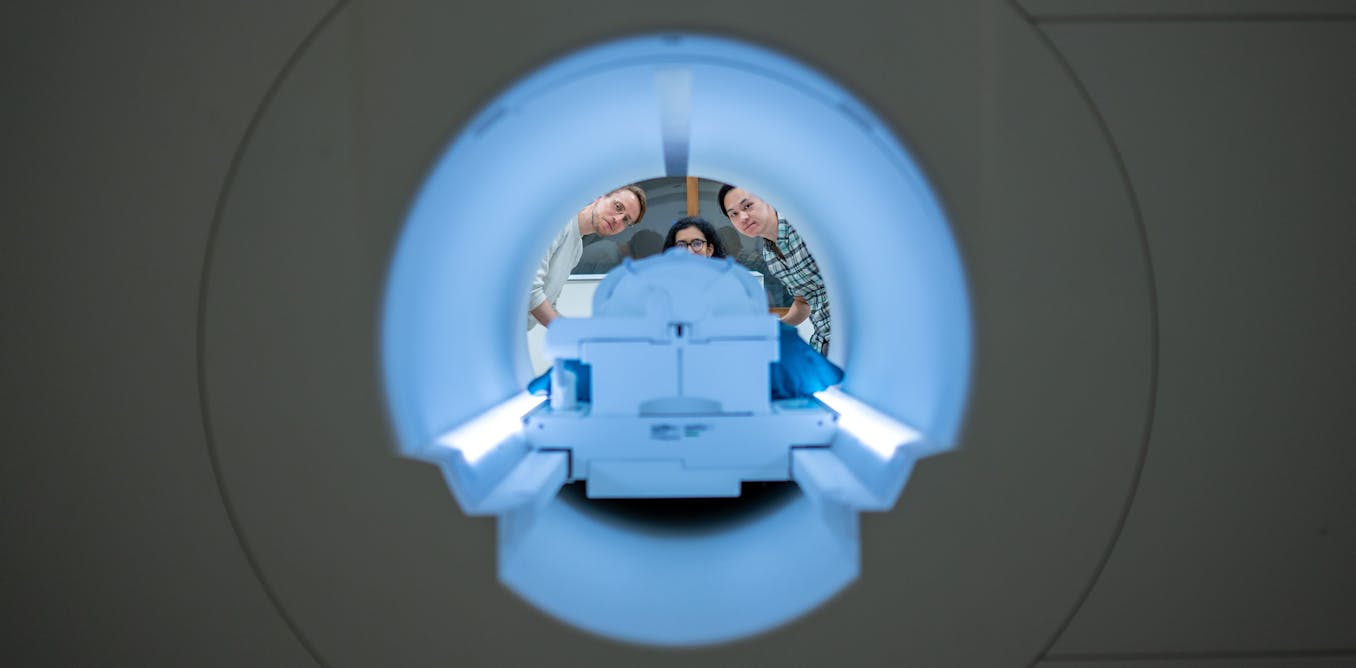
Scientists at the HuthLab at the University of Texas have made significant progress in decoding brain activity to translate thoughts into continuous natural language, using AI and brain imaging technology. This breakthrough has potential applications for patients with neurological diseases and could lead to brain-controlled devices for wider public use. However, ethical and legal concerns about privacy and identity arise as this "mind-reading" technology advances, prompting discussions about the need for new rights and regulations to protect neural data and ensure informed consent for experimental therapies.

"Revolutionary AI 'Thought Decoders' Transforming Minds"

Originally Published 2 years ago — by WIRED

Featured image for "Revolutionary AI 'Thought Decoders' Transforming Minds"
Source: WIRED

Neuroscientists are developing technologies known as "thought decoders" that aim to decode and translate our thoughts into coherent sentences. While these technologies are not yet capable of reading our minds completely, they raise concerns about privacy and the potential for manipulation. The traditional view of the mind as a self-contained entity is being challenged by the idea that thoughts are shaped by external factors and social interactions. As these thought decoders evolve, it is crucial to recognize their formative potential and consider the ethical implications of their use.

Texas Scientists Create Mind-Reading AI Decoder

Originally Published 2 years ago — by Cointelegraph

Featured image for Texas Scientists Create Mind-Reading AI Decoder
Source: Cointelegraph

Researchers at the University of Texas at Austin have developed an AI system that can interpret and reconstruct human thoughts by training a neural network to decode functional magnetic resonance imaging (fMRI) signals from multiple areas of the human brain simultaneously. The AI system was able to convey the general ideas being thought about in real-time with approximately 50% accuracy. The technology used in the experiment is widely available, and there is a possibility that it could be combined with blockchain to develop an AI system that can read a person's thoughts and record them immutably.

AI Decodes Thoughts and Translates Them into Text

Originally Published 2 years ago — by Tech Xplore

Featured image for AI Decodes Thoughts and Translates Them into Text
Source: Tech Xplore

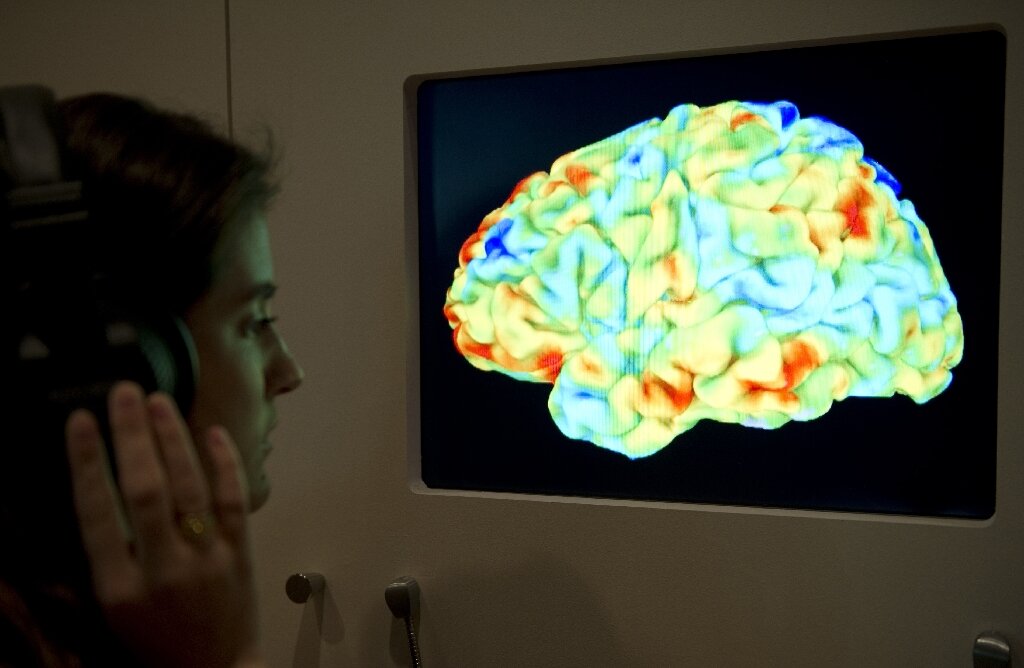
Scientists have developed a language decoder that uses brain scans and artificial intelligence to transcribe the "gist" of what people are thinking. The decoder works at the level of ideas, semantics, and meaning, and is the first system to reconstruct continuous language without an invasive brain implant. While the technology aims to help people who have lost the ability to communicate, it raises questions about mental privacy. The researchers ran tests to show that the decoder could not be used on anyone who had not allowed it to be trained on their brain activity. They also called for regulations to protect mental privacy.

Robot Dogs to Patrol Neighborhoods in Creepy New Deployment

Originally Published 2 years ago — by Fox News

Featured image for Robot Dogs to Patrol Neighborhoods in Creepy New Deployment
Source: Fox News

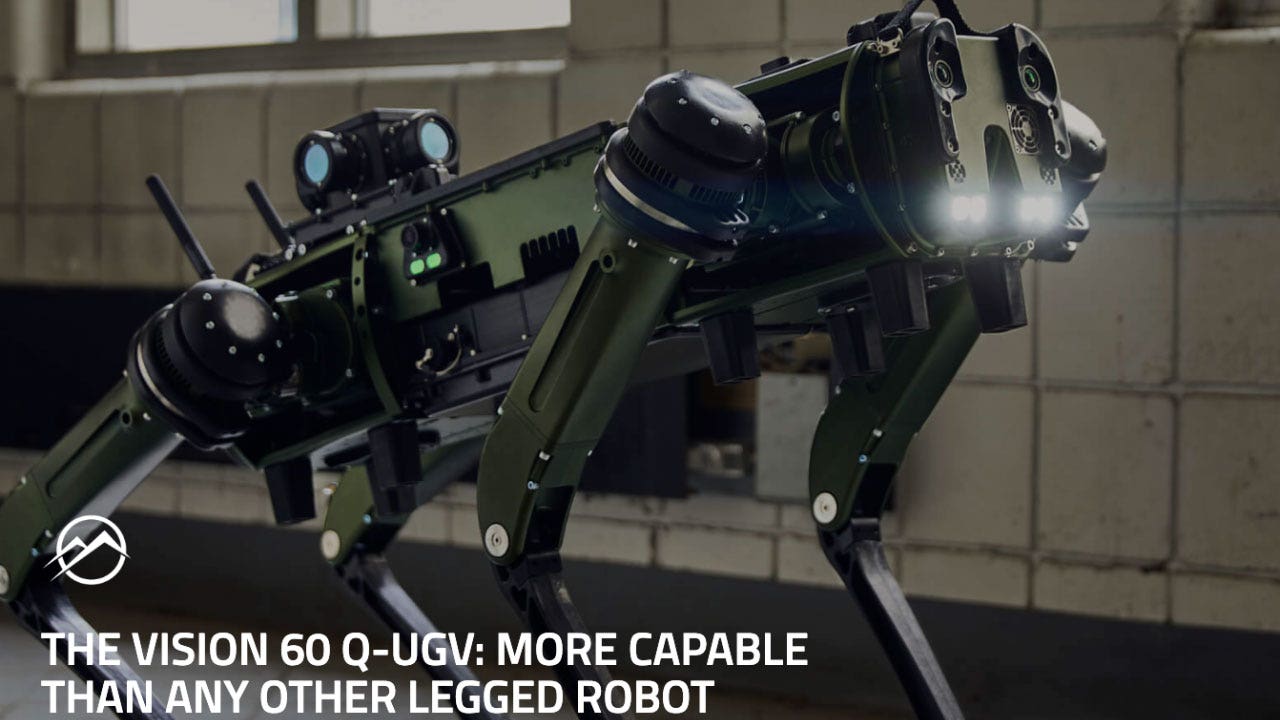
The Australian military has developed a way for soldiers to control robot dogs with their minds using a high-tech biosensor headset that analyzes brainwave readings and feeds them into the advanced "robodog." While robot dogs have been used by law enforcement agencies worldwide for bomb disposal, search and rescue operations, and crowd control, there are concerns about their potential misuse and ethical implications. Implementing regulations and involving diverse voices in developing and deploying these technologies could mitigate potential biases and ensure they serve the greater good.