A large US study found that problematic pornography use remains stable over time and is strongly linked to psychological distress like anxiety and depression, with some evidence suggesting short-term relief effects but long-term reinforcement of distress and dysregulation.
A study in Complex Psychiatry found that high caffeine intake is linked to increased psychological distress in people with depression, with genetic factors influencing caffeine consumption and sensitivity, though caffeine did not significantly impair sleep satisfaction in this group.
A study in the International Journal of Sexual Health found that women experiencing higher levels of psychological distress often use masturbation, particularly clitoral stimulation, as a stress relief method. This challenges the stigma around female masturbation and highlights its potential mental health benefits. The research, involving 370 women, showed a significant correlation between psychological distress and masturbation frequency, suggesting it serves as a self-soothing behavior. However, the study's cross-sectional design means causality cannot be established, and further research is needed.
A recent study explores the complex relationship between ADHD and hypersexual behavior, finding that individuals with higher levels of ADHD symptoms are more likely to engage in hypersexual activities. Impulsivity, depressive symptoms, hypomanic symptoms, and signs of psychotic prodromes were identified as significant predictors of hypersexual behavior, with depressive symptoms largely mediating the relationship between ADHD and hypersexuality. The findings suggest that individuals with ADHD may use hypersexual activities as a means of coping with psychological distress, highlighting the need for further research in larger and more diverse samples.
Artist Liz Magic Laser explores the shaking body as both a symptom of trauma and a potential remedy for psychological distress in her exhibition "Convulsive States" at Pioneer Works in Brooklyn. The exhibition features videos of practitioners demonstrating therapeutic movement practices like gyrokinesis and qigong, as well as a documentary that delves into the history of hysteria and the use of shaking as a therapy. Laser's work examines the physical manifestation of emotional expression and the potential healing power of convulsive movements.
Excessive screen time in adults has been linked to psychological distress and symptoms associated with borderline personality disorder, according to a study published in the Annals of Human and Social Sciences. The research found that individuals who spent excessive amounts of time in front of screens were more likely to exhibit signs of mood swings, difficulty managing emotions, anxiety, and depression. The study also revealed that men were more addicted to screens than women. While the study provides valuable insights, it focused on a specific region and does not imply causation. Further research is needed to explore the relationship between screen addiction and other mental health disorders.
A new study published in the Journal of Affective Disorders reveals a link between high consumption of processed food during adolescence and an increased risk of mental distress later in life. The study, based on data from the Melbourne Collaborative Cohort Study, found that individuals with the highest intake of ultra-processed food had elevated odds of experiencing psychological distress, indicating depression. Those in the top quarter of processed food consumption were 14% more likely to experience a mental health crisis compared to the bottom 25%. Previous research has also associated processed foods with increased risks of cancer and dementia.
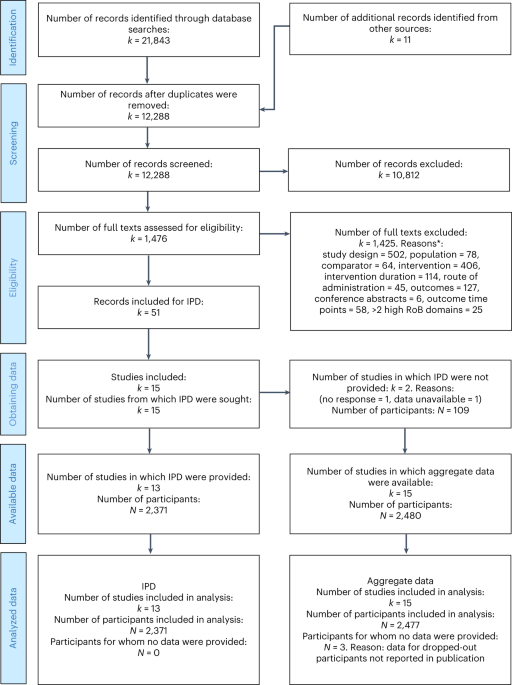
A meta-analysis published in Nature Mental Health confirms that Mindfulness-Based Programs (MBPs) lead to small to moderate reductions in psychological distress among adults, with effects lasting up to six months. The study, which included data from 2,371 participants across 13 trials, found that MBPs were effective regardless of factors such as baseline distress, gender, age, education, or dispositional mindfulness. MBPs teach individuals mindfulness practices like meditation and breathing exercises to enhance self-awareness and manage stress. While MBPs are beneficial for most individuals, the researchers noted that they may not work equally well for everyone, and alternative practices should also be considered. Further research is needed to explore the effects of MBPs on different populations and compare them with alternative interventions.
A study using data from the 2020 National Survey on Drug Use and Health found that individuals reporting moderate or serious psychological distress are more likely to be users of cannabis. The study also revealed that both moderate and serious levels of psychological distress were associated with elevated risks of cannabis use disorder. The findings highlight the negative mental health implications of heavy and frequent cannabis use, including an increased risk of psychosis. The study emphasizes the need for further research and awareness regarding the potential risks of cannabis use on mental health.
A systematic review and individual participant data meta-analysis of randomized controlled trials (RCTs) assessing mindfulness-based programs (MBPs) for mental health promotion found that MBPs reduced average psychological distress between 1 and 6 months post-intervention with a small to moderate effect size. The study also explored whether baseline distress, gender, age, education, and dispositional mindfulness modified the effect of MBPs on distress, but no clear indications of modification were found. The results suggest that group-based teacher-led MBPs generally reduce psychological distress among volunteering community adults, but more research is needed to identify sources of variability in outcomes at an individual level.
A survey conducted in England found that one in five young adults aged 18 to 24 reported experiencing severe distress at the end of 2022, compared to one in seven in 2021. The study revealed a rise in reports of severe distress across all age groups, except for those over 65. Experts attribute this increase to the pandemic, cost of living crisis, and healthcare crisis. The research emphasizes the urgent need to address this issue and calls for a strategy that prioritizes equality, wellbeing, and sustainability.