Tag

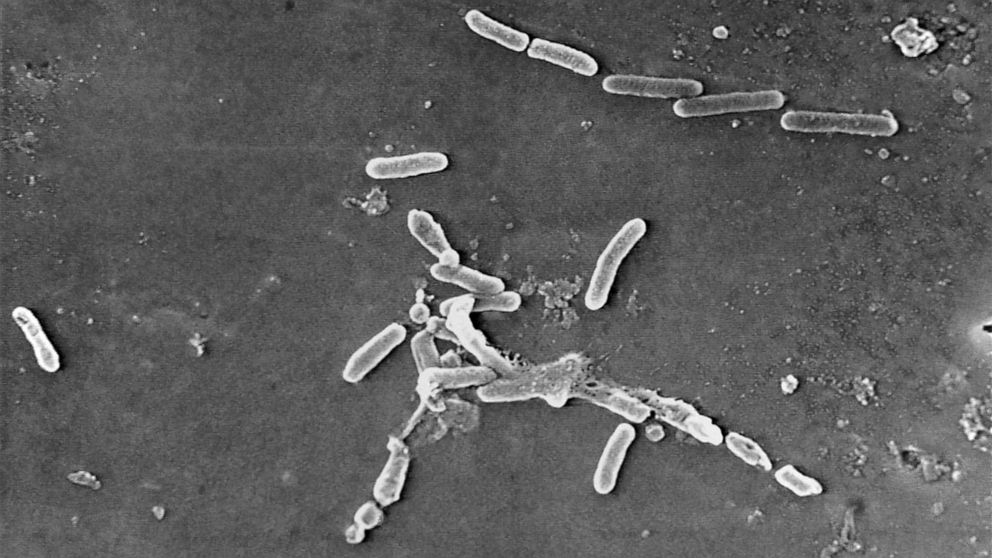
Pseudomonas Aeruginosa

All articles tagged with #pseudomonas aeruginosa

Angry Orange Enzyme Stain Removers Recalled Over Bacteria Risk
business1 month ago

Angry Orange Enzyme Stain Removers Recalled Over Bacteria Risk

Thrasio is recalling Angry Orange Enzyme Stain Removers after detecting potential bacterial contamination, including Pseudomonas aeruginosa. About 1.5 million units in the U.S. (roughly 43,700 in Canada) sold from 2019–2025 are affected. Consumers should stop using the recalled products and obtain a full refund by emailing a photo of the product marked with “recalled” and their initials; dispose of the product in household trash without emptying it. No injuries have been reported. The products were sold at major retailers and online. Recall date: January 22, 2026.

science1 month ago

Far-Red Light Triggers Tiny Protein to Silence Biofilms in Antibiotic-Resistant Bacteria

A Nature Communications study reports that far-red light activates the periplasmic microprotein DimA in antibiotic‑resistant Pseudomonas aeruginosa, triggering a cascade that represses biofilm formation and reduces virulence; virulence promoters are not activated under far-red light, and bacteria with disrupted photosensing showed higher virulence, suggesting a potential light‑based approach to complement antibiotics. The researchers also hint at overexpressing DimA to further prevent biofilm formation.

CDC Warns of Rare Diseases Spread by Pet Dogs
health1 year ago

CDC Warns of Rare Diseases Spread by Pet Dogs

The CDC has reported that pet dogs in New Jersey and Wisconsin have been linked to two rare diseases. In New Jersey, two dogs were infected with antibiotic-resistant Pseudomonas aeruginosa, similar to a strain that caused a human outbreak linked to artificial tears. In Wisconsin, a fungal outbreak of Blastomyces affected both humans and dogs, with spores likely inhaled from disturbed soil. While direct transmission from dogs to humans is rare, the environments where dogs are exposed may also pose risks to humans.

"Personalized Bacteriophage Therapy Saves Cat After Three-Story Fall"
health-and-science1 year ago

"Personalized Bacteriophage Therapy Saves Cat After Three-Story Fall"

A cat named Squeaks, suffering from a persistent infection after a severe leg injury, was successfully treated using personalized bacteriophage therapy. This groundbreaking approach, which targets specific bacteria with viruses, marks the first reported use of such treatment in academic veterinary medicine. The therapy, combined with antibiotics, healed the infection after other antibiotics had failed, highlighting the potential of phage therapy for treating antibiotic-resistant infections in pets.

"Phage Therapy Cures Resistant Wounds in Siamese Cat"
veterinary-medicine1 year ago

"Phage Therapy Cures Resistant Wounds in Siamese Cat"

A study led by Prof. Ronen Hazan demonstrated the successful use of personalized phage therapy to treat a multidrug-resistant Pseudomonas aeruginosa infection in a Siamese cat named Squeaks. This marks the first documented application of such therapy in veterinary medicine, highlighting its potential to address antibiotic-resistant infections in animals. The treatment involved a combination of a specific anti-P. aeruginosa phage and ceftazidime, leading to the complete healing of the cat's surgical wound after fourteen weeks.

"Engineering Viruses to Assassinate Superbugs: A Promising Solution"
health-and-science2 years ago

"Engineering Viruses to Assassinate Superbugs: A Promising Solution"

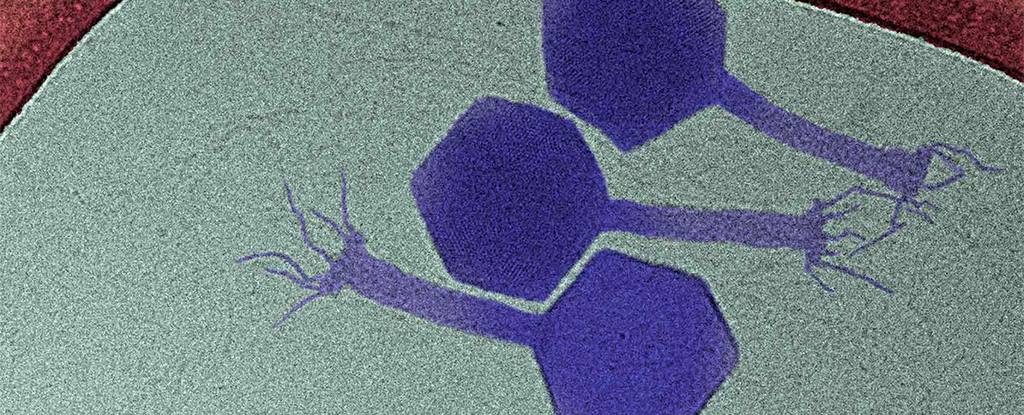
Researchers have discovered a virus, named Paride, that can target and kill dormant bacteria, including the dangerous Pseudomonas aeruginosa, when combined with the antibiotic meropenem. This breakthrough could offer a new strategy in the fight against drug-resistant bacteria, or superbugs, which are increasingly resistant to existing drugs. The virus seems to unlock the bacteria's defenses, allowing the antibiotic to effectively destroy it. While this discovery holds promise, further research is needed to fully understand and harness the potential of using bacteriophages to combat superbugs.

Unveiling the Evolution and Mystery of Bacteria's Weaponry
science-and-technology2 years ago

Unveiling the Evolution and Mystery of Bacteria's Weaponry

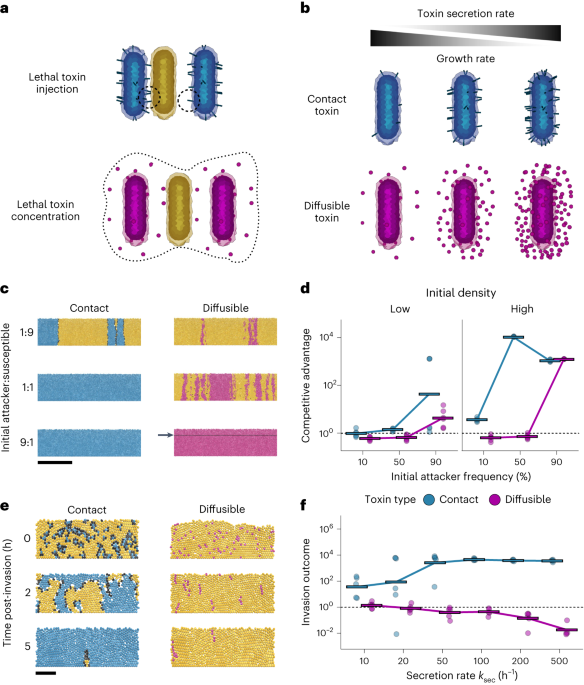
Bacteria commonly evolve weapons to compete with other organisms. Pseudomonas aeruginosa, an opportunistic pathogen, produces multiple bacteriocins and toxic small molecules as long-range weapons, and can deploy contact-dependent inhibition (CDI) systems and type VI secretion systems (T6SSs) as short-range weapons. A study using an agent-based model and experiments with P. aeruginosa found that short- and long-range weapons serve different functions during competition. Contact weapons are effective even when attackers are outnumbered, facilitating invasion and establishment, while ranged weapons are most effective when attackers are abundant. These findings highlight the evolutionary basis for the prevalence of multiple weapons in bacteria.

Small RNA regulates transition between chronic and acute bacterial infections.
science2 years ago

Small RNA regulates transition between chronic and acute bacterial infections.

Researchers at the Georgia Institute of Technology have identified a small RNA, named SicX, that regulates the transition between chronic and acute Pseudomonas aeruginosa infections. The gene that drives the switch, PA1414, was found to be highly expressed in human tissue samples of chronic bacterial lung and wound infections. The researchers also found that low oxygen drives the high expression of the gene. SicX potentially serves as a biomarker for the chronic-to-acute switch, which could lead to better predictions of when an infection might become life-threatening and the development of targeted therapeutics.

Fatalities Increase as Contaminated Eye Drops Outbreak Spreads
health2 years ago

Fatalities Increase as Contaminated Eye Drops Outbreak Spreads

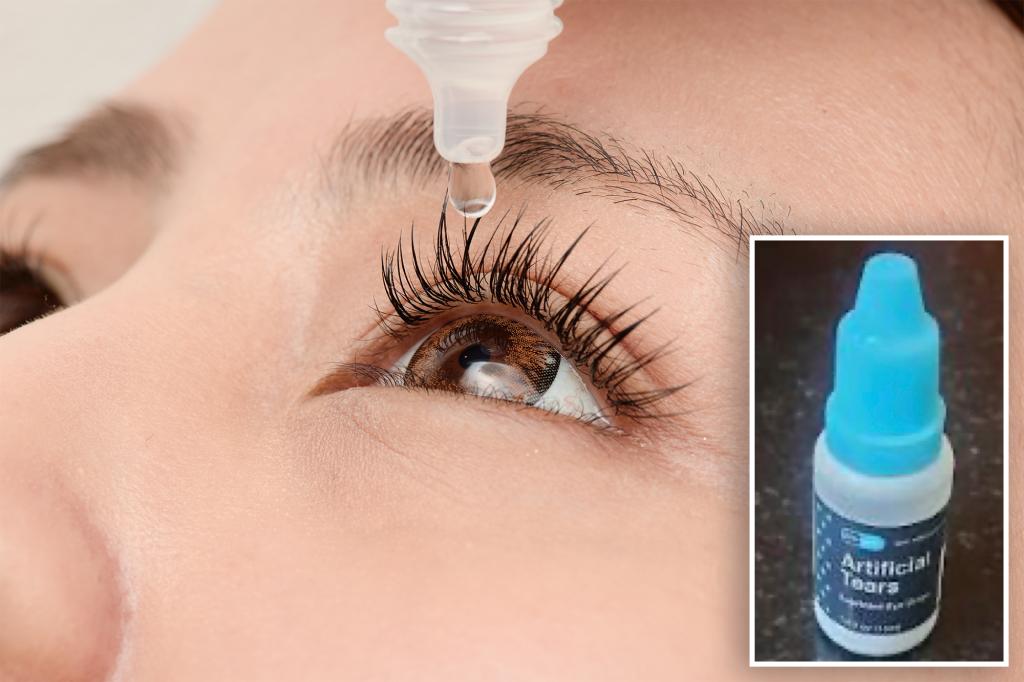
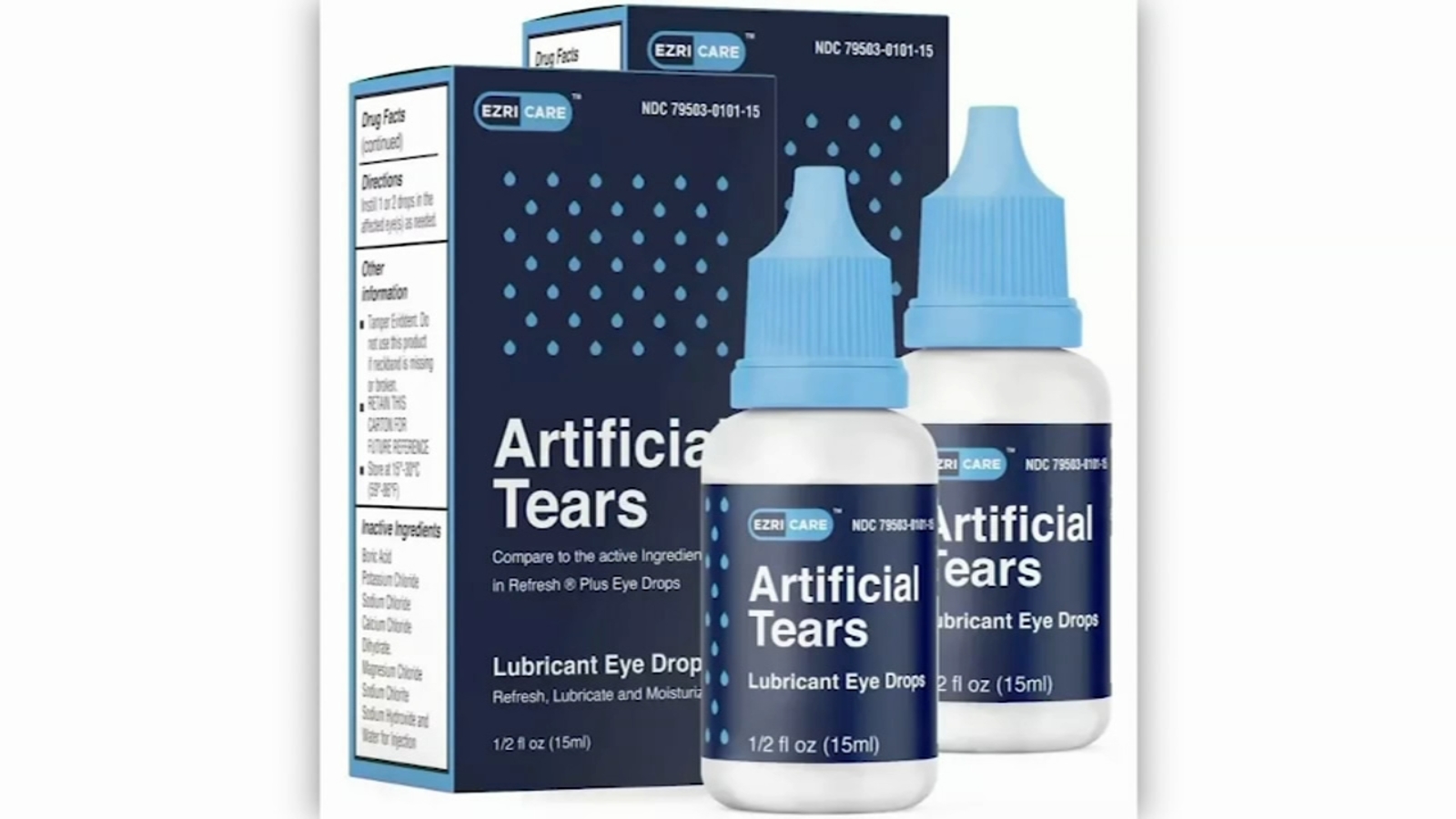
The death count from a bacterial infection linked to contaminated eyedrops has risen to four, with 13 more patients suffering vision loss, bringing the total infection count to 81. All patients had caught a rare strain of the bacteria Pseudomonas aeruginosa that is resistant to standard antibiotics and can 'melt' through the eyes to reach the bloodstream and vital organs in the body. Health authorities are urging people not to use EzriCare and Delsam Pharma-branded drops, which were made at an Indian factory with several infection control failings.

Contaminated eyedrops claim fourth victim in outbreak.
health2 years ago

Contaminated eyedrops claim fourth victim in outbreak.

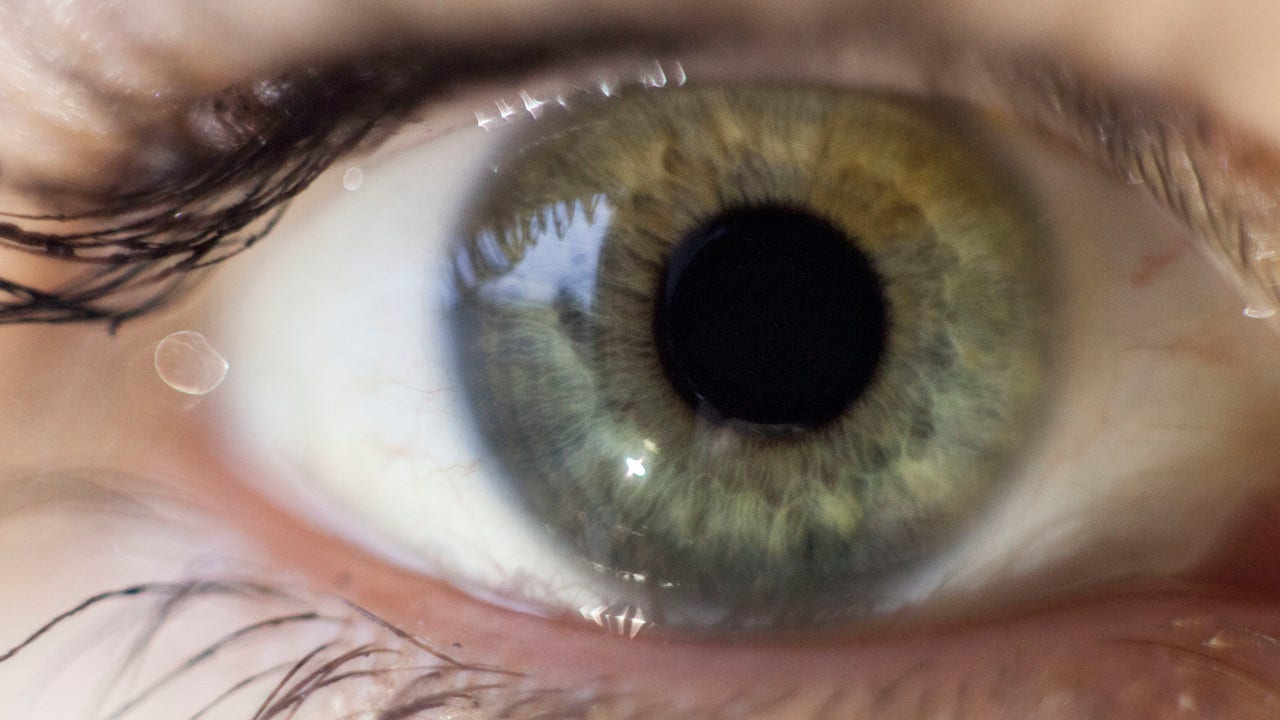
The death toll from contaminated eyedrops has reached four, with 81 people infected, according to the Centers for Disease Control and Prevention. The eyedrops were recalled in February after being linked to multiple infections from a rare strain of Pseudomonas aeruginosa, which is resistant to standard antibiotics. Patients who used the drops developed ulcers over their corneas, which leaked yellow-colored discharge before ultimately becoming blinded. Several people who have been infected from the drops are suing Global Pharma, the India-based manufacturer where the bacterial outbreak originated.

Tainted eye drops cause 4 deaths and vision loss outbreak.
health2 years ago

Tainted eye drops cause 4 deaths and vision loss outbreak.

The CDC has reported an additional death and six more cases of vision loss linked to infections from eye drops recalled due to bacterial contamination. Four deaths and 14 cases of vision loss in total have now been reported among more than 80 infections of a rare strain of drug-resistant Pseudomonas aeruginosa that had never been identified in the United States prior to this outbreak. The FDA and CDC have urged consumers to stop using the recalled products.

CDC Reports 4 Deaths and 81 Cases in Contaminated Eye Drops Outbreak.
health2 years ago

CDC Reports 4 Deaths and 81 Cases in Contaminated Eye Drops Outbreak.

A fourth person has died from an outbreak of Pseudomonas aeruginosa, an extensively drug-resistant bacteria linked to Global Pharma Healthcare's recalled eyedrops. As of May 15, 81 patients across 18 states have become infected, with 14 reporting vision loss, four having their eyeballs removed, and four others dying. The CDC has been investigating the outbreak, which has been tied to artificial tears manufactured by Global Pharma Healthcare earlier this year, and has issued a recall for all lots within the expiry of the EzriCare and Delsam Pharma’s artificial tears products due to possible contamination.

Risks of Contaminated Eye Drops: 14 People Report Vision Loss and Increased Deaths.
health2 years ago

Risks of Contaminated Eye Drops: 14 People Report Vision Loss and Increased Deaths.

An outbreak linked to contaminated eye drops has caused four deaths and at least 14 people to go blind. The eye drops were contaminated with an antibiotic-resistant form of Pseudomonas aeruginosa, an aggressive bacterium. Patients reported using at least 10 different brands of artificial tears but most cases have been linked to EzriCare and Delsam Pharma eye drops, made by India-based Global Pharma Healthcare. The company is voluntarily recalling the products due to possible contamination. The CDC and FDA are warning people to immediately stop using and discard these brands.

The Hidden Dangers of Eye Drops: A CDC Warning and Cleveland Case Study.
health2 years ago

The Hidden Dangers of Eye Drops: A CDC Warning and Cleveland Case Study.

A case study published in the journal Antimicrobial Agents and Chemotherapy details a 72-year-old female patient's corneal ulcer caused by the bacterium Pseudomonas aeruginosa, which was traced back to contaminated EzriCare eye drops. The CDC had warned against using the eye drops in February 2023 due to links with drug-resistant bacterial infections causing vision loss and even death. Although the product has been removed from stores, it may still pose a risk to those who have it in their medicine cabinets.