Tag

Bacterial Contamination

All articles tagged with #bacterial contamination

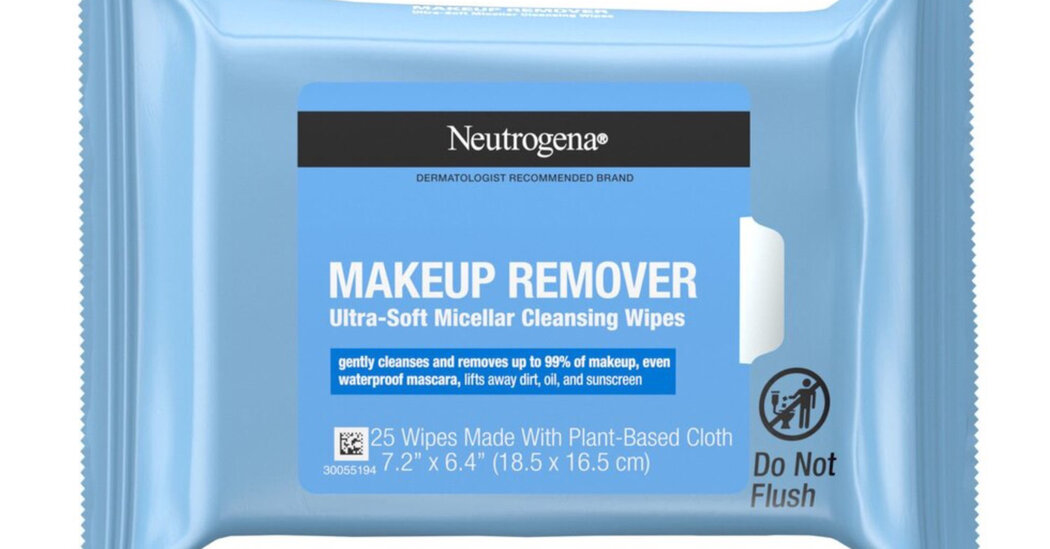
Neutrogena Recalls Over 15,000 Makeup Wipes Due to Bacterial Contamination

Originally Published 2 months ago — by The Daily Beast

Featured image for Neutrogena Recalls Over 15,000 Makeup Wipes Due to Bacterial Contamination
Source: The Daily Beast

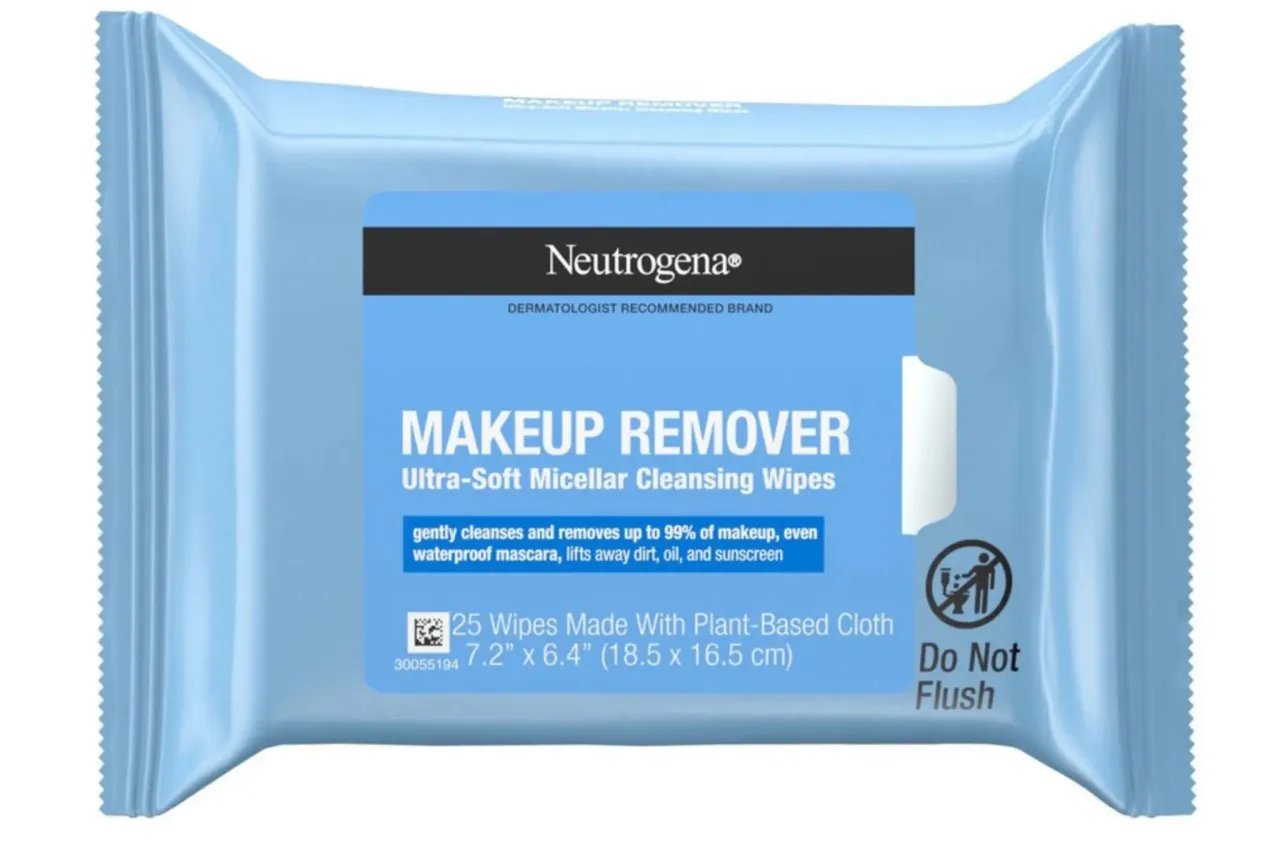
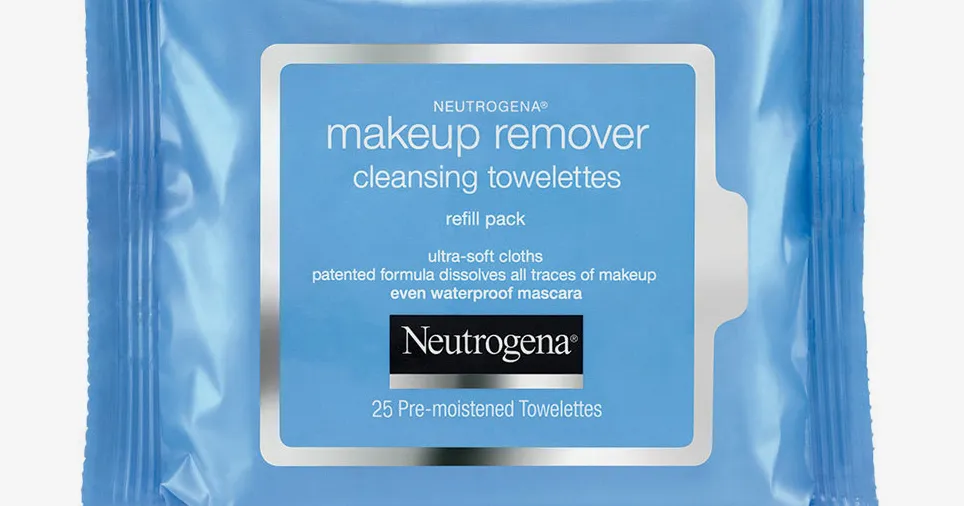
Neutrogena has recalled its Makeup Remover Ultra-Soft Cleansing Towelettes due to bacterial contamination with P. gergoviae, which can cause severe infections in vulnerable individuals. The recall affects products sold in several states and was classified as a Class II risk by the FDA, indicating potential for temporary health effects. The company stated the recall was out of caution and no other products are affected.
Neutrogena Recalls Makeup Wipes Over Bacterial Contamination

Originally Published 2 months ago — by NewsNation

Featured image for Neutrogena Recalls Makeup Wipes Over Bacterial Contamination
Source: NewsNation

Neutrogena has recalled its Makeup Remover Ultra-Soft Cleansing Towelettes in four U.S. states due to bacterial contamination with Pluralibacter gergoviae, which can cause infections, especially in vulnerable individuals. Consumers are advised to stop using the product with lot number 1835U6325A and dispose of it.

Neutrogena Recalls Makeup Wipes Over Bacterial Contamination

Originally Published 2 months ago — by The Cut

Featured image for Neutrogena Recalls Makeup Wipes Over Bacterial Contamination
Source: The Cut

Neutrogena has recalled its popular makeup remover wipes due to potential bacterial contamination with Pluralibacter gergoviae, which could cause skin irritation or more serious health issues, affecting products distributed in certain US states. No illnesses have been reported, but the recall was initiated as a precaution.

Neutrogena Recalls Makeup Wipes Over Bacterial Contamination

Originally Published 2 months ago — by NBC News

Featured image for Neutrogena Recalls Makeup Wipes Over Bacterial Contamination
Source: NBC News

Neutrogena has voluntarily recalled its Makeup Remover Ultra-Soft Cleansing Towelettes due to bacterial contamination with Pluralibacter gergoviae, which poses health risks especially to those with weakened immune systems. The recall affects specific lots sold in certain states, and consumers are advised to stop using and dispose of the wipes. Alternative gentle, fragrance-free makeup wipes are recommended.

Nationwide Hand Soap Recall Over Bacterial Contamination Risks

Originally Published 5 months ago — by NBC News

Featured image for Nationwide Hand Soap Recall Over Bacterial Contamination Risks
Source: NBC News

DermaRite Industries has voluntarily recalled four of its hand soap products nationwide after testing revealed contamination with the bacteria Burkholderia cepacia complex, which can cause lung infections especially in immunocompromised individuals. No illnesses have been reported, but consumers are advised to stop using the affected products and seek guidance. Alternative safe hand soaps are recommended.

Nationwide Hand Soap Recall Over Bacterial Contamination Linked to Sepsis

Originally Published 5 months ago — by yahoo.com

Featured image for Nationwide Hand Soap Recall Over Bacterial Contamination Linked to Sepsis
Source: yahoo.com

DermaRite Industries has voluntarily recalled several lots of hand soap and lotion products distributed across the US and Puerto Rico due to contamination with Burkholderia cepacia bacteria, which can cause life-threatening sepsis in immunocompromised individuals. No adverse events have been reported yet, but consumers are advised to check affected lot numbers, destroy the products, and consult a healthcare provider if they experience symptoms.

Nationwide Hand Soap Recall Due to Bacterial Contamination and Sepsis Risk

Originally Published 5 months ago — by yahoo.com

Featured image for Nationwide Hand Soap Recall Due to Bacterial Contamination and Sepsis Risk
Source: yahoo.com

DermaRite Industries has voluntarily recalled multiple lots of hand soap and lotion products distributed across the U.S. and Puerto Rico due to contamination with Burkholderia cepacia bacteria, which can cause life-threatening sepsis in immunocompromised individuals. The company has not reported any adverse events yet, but consumers are advised to check affected lot numbers and destroy any contaminated products, especially if they are immunocompromised.

Costco Recalls Topo Chico Mineral Water Over Bacterial Contamination

Originally Published 7 months ago — by AOL.com

Featured image for Costco Recalls Topo Chico Mineral Water Over Bacterial Contamination
Source: AOL.com

Costco has voluntarily recalled certain bottles of Topo Chico mineral water sold in Texas and Louisiana due to potential bacterial contamination with Pseudomonas, which poses a low health risk to healthy individuals but can be serious for those with weakened immune systems. Consumers are advised to return the affected products for a refund and seek medical attention if they experience symptoms after consumption.

"Toilet Lid Up or Down: Does It Really Matter When Flushing?"

Originally Published 1 year ago — by Slashdot

Featured image for "Toilet Lid Up or Down: Does It Really Matter When Flushing?"
Source: Slashdot

A study from the University of Arizona found that closing the toilet lid before flushing does not substantially reduce cross-contamination of bathroom surfaces by airborne bacterial and viral particles. However, adding a disinfectant to the toilet bowl before flushing and using disinfectant dispensers in the tank significantly reduce cross-contamination. The study involved experiments with E. coli and coliphage MS2 in both public and household toilets, and found that rigorous cleaning with a toilet bowl brush and Lysol reduced contamination by 99.99 percent. The researchers recommend the use of disinfectants to reduce restroom cross-contamination associated with toilet flushing, especially in health care facilities and households with active infections.

"New Research Raises Concerns Over Safety of Baby Formula Preparation Machines"

Originally Published 2 years ago — by Food Safety News

Featured image for "New Research Raises Concerns Over Safety of Baby Formula Preparation Machines"
Source: Food Safety News

A study by Swansea University scientists has found that many infant formula preparation devices do not produce water hot enough to kill harmful bacteria, such as Salmonella and Cronobacter. The study revealed that only 11 out of 74 infant formula preparation machines reached the recommended temperature of at least 70 degrees C (158 degrees F), compared to 54 out of 69 kettle users. The research also highlighted low awareness among parents of the risks of bacterial contamination and the importance of following proper preparation guidelines. The study suggests that infant formula labeling should include information about the need for water above 70 degrees C and the importance of handwashing.

US FDA Urges Baby Formula Makers to Improve Manufacturing Controls

Originally Published 2 years ago — by Reuters.com

Featured image for US FDA Urges Baby Formula Makers to Improve Manufacturing Controls
Source: Reuters.com

The US Food and Drug Administration (FDA) has issued warning letters to three infant formula makers, ByHeart Inc, Mead Johnson Nutrition (a unit of Reckitt Benckiser Group), and Perrigo's Wisconsin unit, for failing to establish adequate manufacturing processes to prevent bacterial contamination. The FDA does not anticipate any impact on the supply of infant formula. The warning letters were issued following recalls by the companies between December and March, which aimed to remove potentially contaminated products from the market. The FDA believes that the recalls were effective in addressing the issue. Infant formula manufacturing has faced increased scrutiny since last year's shortage caused by bacterial infections and recalls at Abbott Laboratories' facility in Michigan.

Tainted eye drops cause 4 deaths and vision loss outbreak.

Originally Published 2 years ago — by KABC-TV

Featured image for Tainted eye drops cause 4 deaths and vision loss outbreak.
Source: KABC-TV

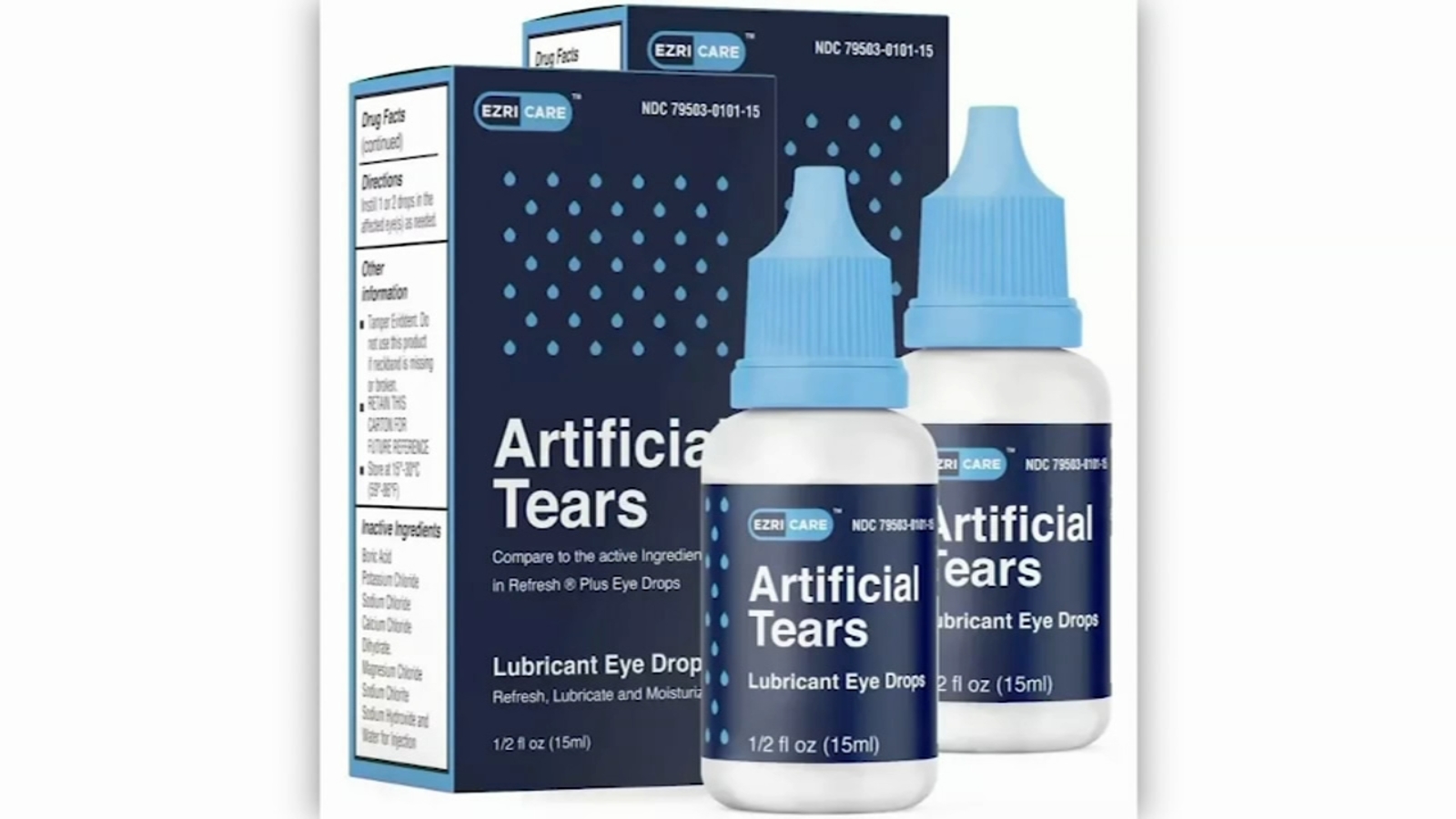
The CDC has reported an additional death and six more cases of vision loss linked to infections from eye drops recalled due to bacterial contamination. Four deaths and 14 cases of vision loss in total have now been reported among more than 80 infections of a rare strain of drug-resistant Pseudomonas aeruginosa that had never been identified in the United States prior to this outbreak. The FDA and CDC have urged consumers to stop using the recalled products.

FDA recalls Roche and SD Biosensor COVID-19 at-home tests over bacterial contamination risk.

Originally Published 2 years ago — by CBS News

Featured image for FDA recalls Roche and SD Biosensor COVID-19 at-home tests over bacterial contamination risk.
Source: CBS News

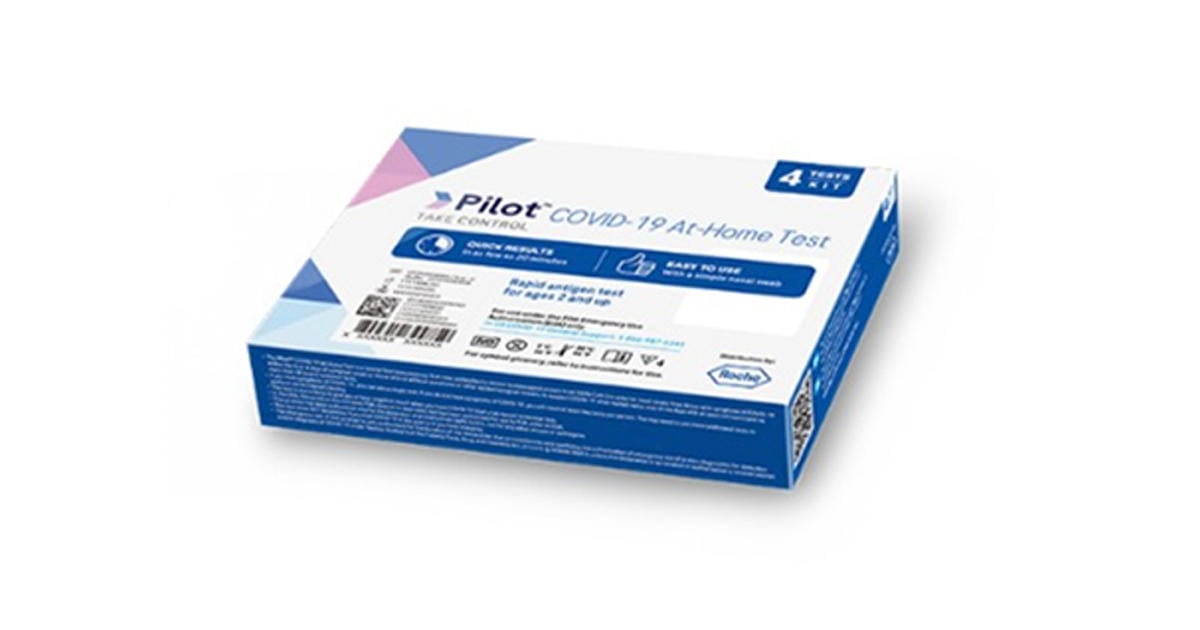
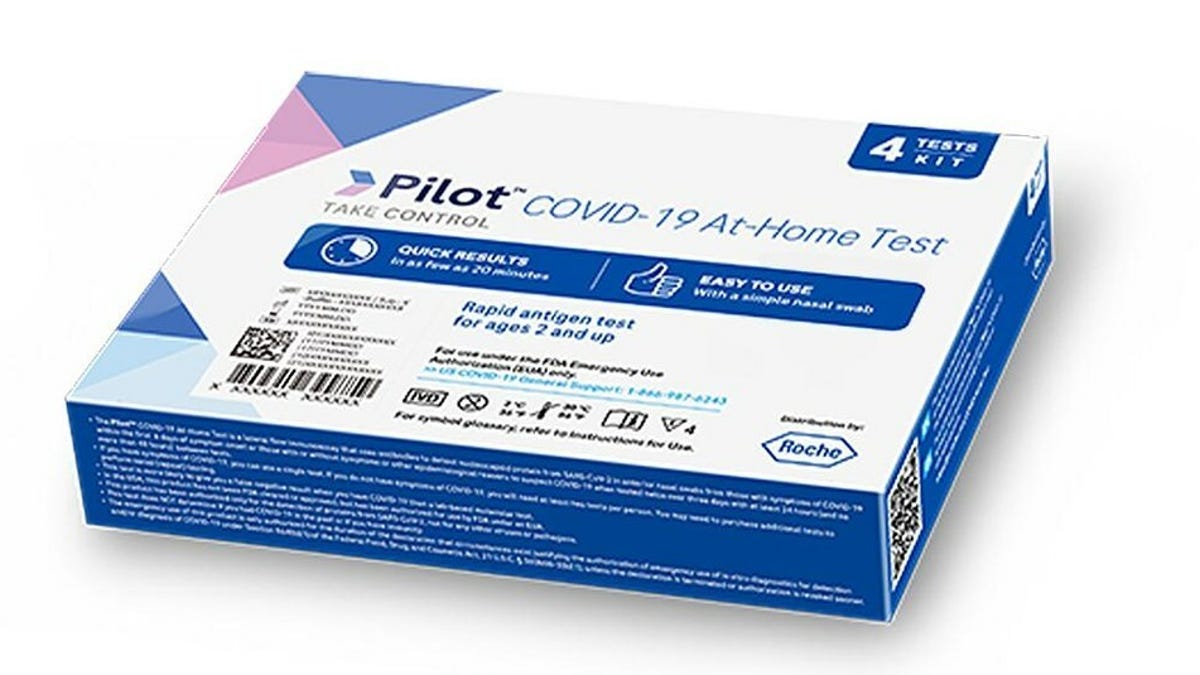
The FDA has issued a recall for over 500,000 "Pilot COVID-19 At-Home Tests" from Roche and SD Biosensor due to concerns over bacterial contamination in the liquid buffer solution. The recalled tests were distributed to CVS and Amazon, but not through the federal government's testing programs. The bacteria found in the tests can lead to potentially dangerous infections, especially in people with compromised immune systems. So far, no injuries or deaths have been reported, but people who have already used the tests may have received false positive or false negative results. Roche and SD Biosensor are cooperating with the FDA in their investigation.

FDA recalls certain COVID-19 at-home tests over contamination concerns.

Originally Published 2 years ago — by USA TODAY

Featured image for FDA recalls certain COVID-19 at-home tests over contamination concerns.
Source: USA TODAY

The FDA has issued a recall for certain lots of SD Biosensor, Inc. Pilot COVID-19 At-Home Tests distributed by Roche Diagnostics due to bacterial contamination that may lead to infection. The recall affects 44 lot numbers and consumers who have the affected kits should throw them away entirely. The liquid solution should not be poured down the drain. The FDA is working with SD Biosensor to resolve the situation and assess corrective actions.