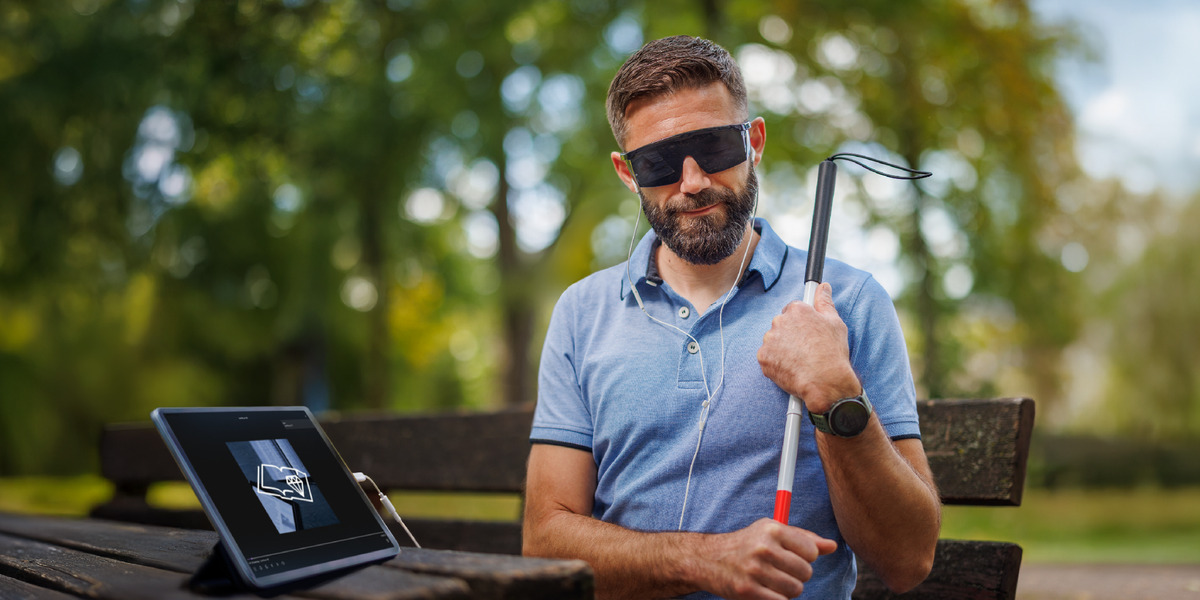
The article discusses how Jehovah's Witnesses support and provide resources for people who are blind or have low vision, emphasizing God's care and the biblical hope for the future where the blind will see. They offer accessible Bible publications in braille, large print, and audio, along with inclusive meetings and community support, demonstrating compassion and respect for individuals with visual impairments.
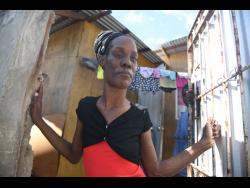
Tiesha Milne, a blind single mother of two, battles Graves' disease and seeks minimally invasive thyroid surgery in Florida to improve her health and be there for her children, facing financial and health challenges with faith and resilience.
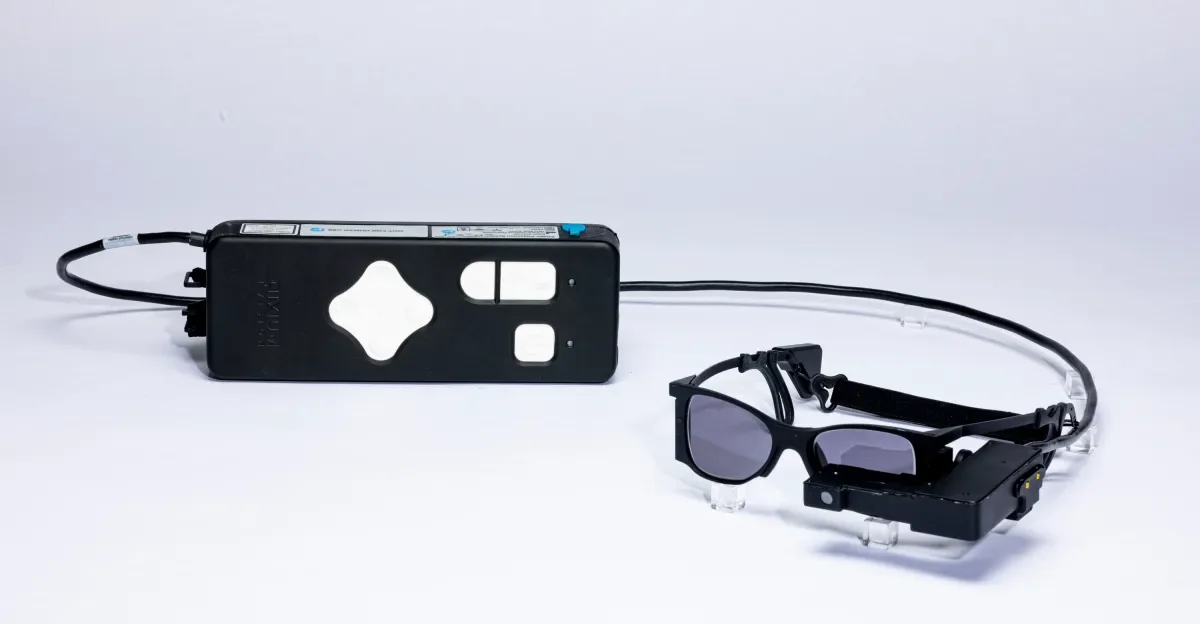
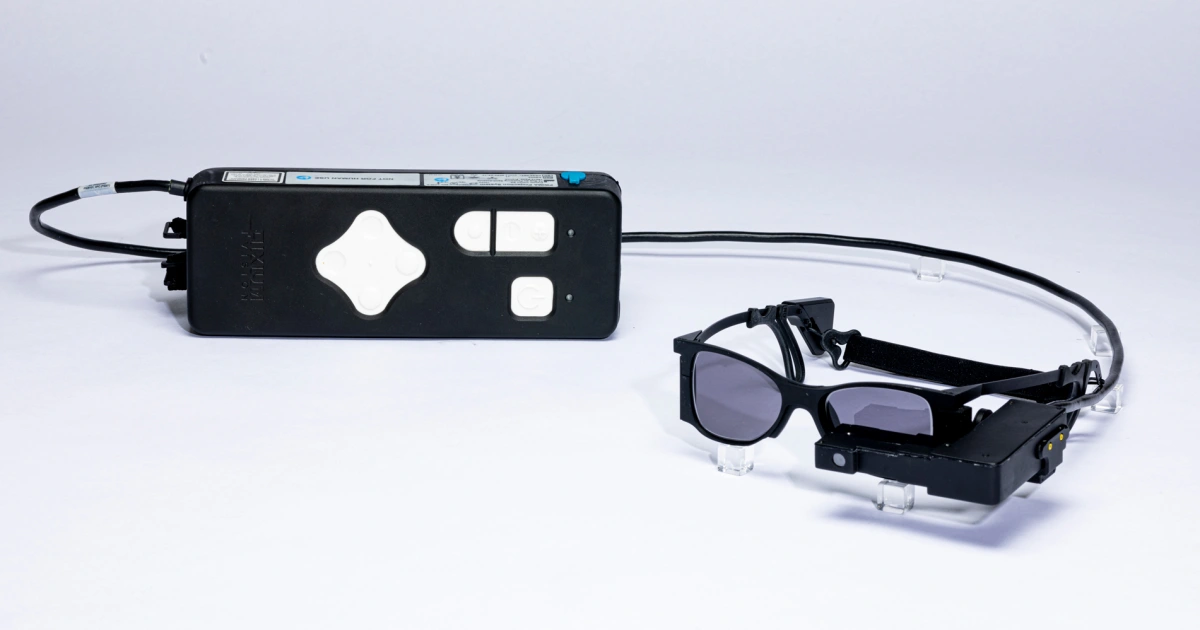
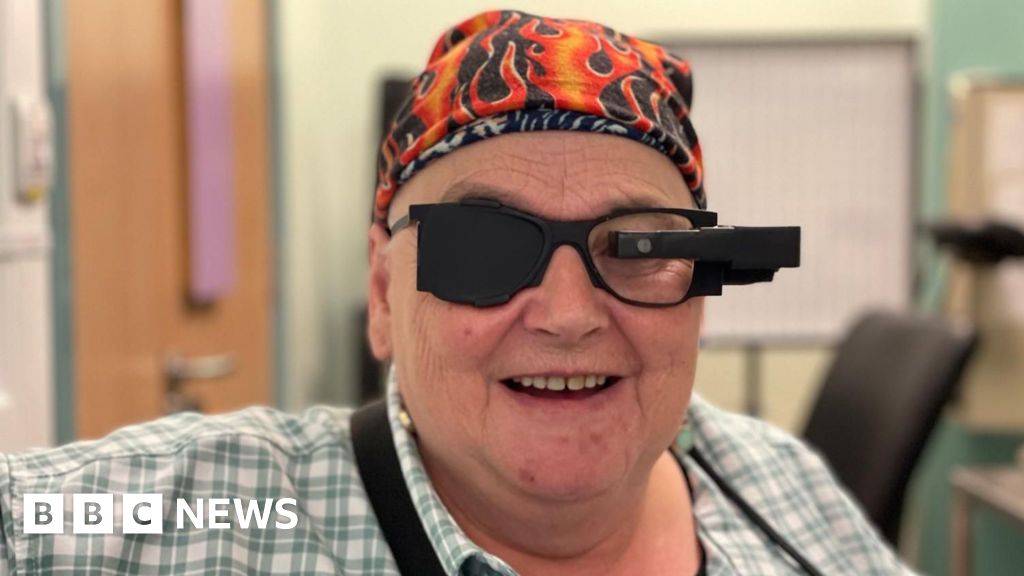
Several patients with age-related macular degeneration (AMD) regained partial vision using a retinal implant paired with smart glasses, allowing them to perform tasks like reading and puzzles, with an 80% success rate in a clinical trial.
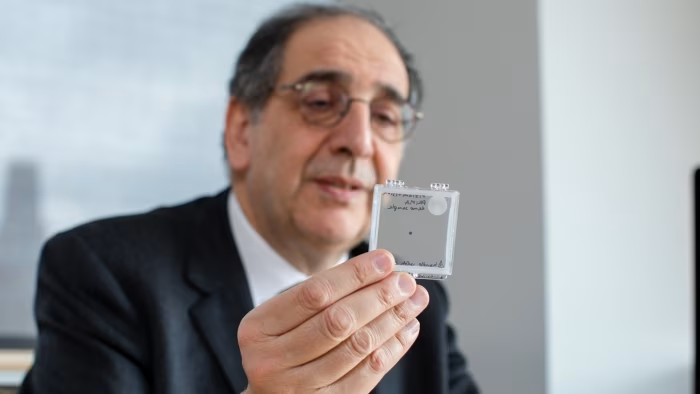
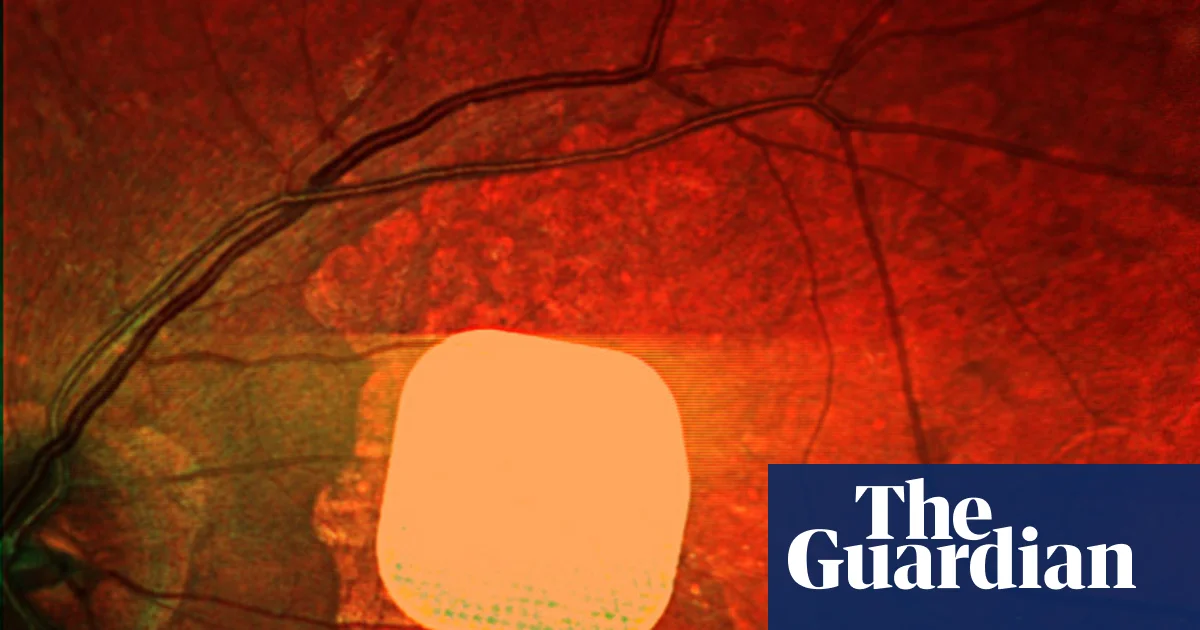
A study shows that a tiny wireless eye implant combined with special glasses can help some patients with advanced dry age-related macular degeneration regain the ability to read, representing a significant breakthrough in vision restoration technology, despite some risks and limitations.
Scientists have developed an eye implant that significantly improves vision in patients with advanced age-related macular degeneration, with 81% experiencing meaningful improvements, marking a major breakthrough in restoring central vision for the blind.
A groundbreaking electronic eye implant, the Prima device, has successfully helped 84% of elderly patients with incurable dry age-related macular degeneration regain the ability to read, marking a significant advancement in artificial vision and offering new hope for those with sight loss.
A new microchip implant developed at Moorfields Eye Hospital has enabled five patients with advanced dry age-related macular degeneration to regain some central vision, allowing them to read and perform daily tasks, representing a significant breakthrough in vision restoration technology.
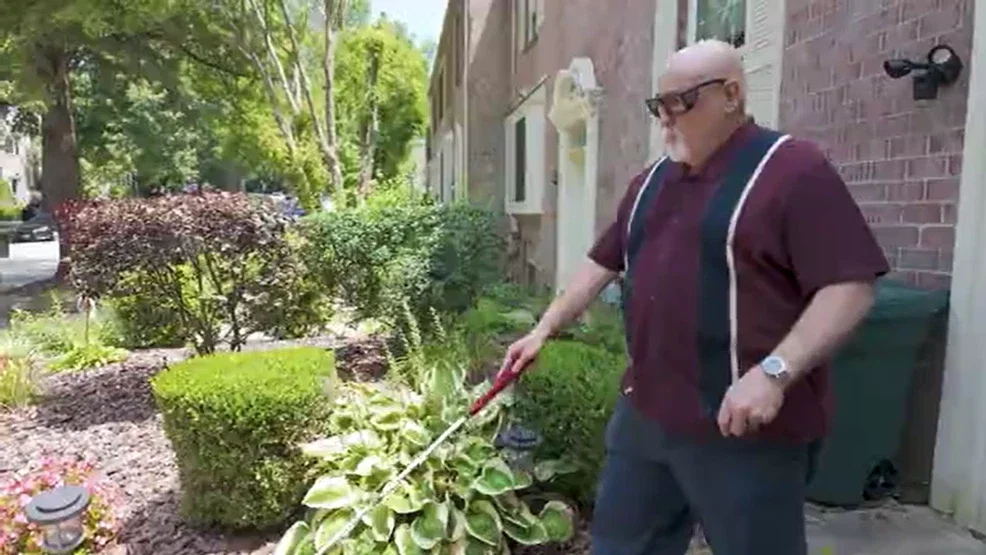
A Maryland man claims that the popular diabetes and weight loss drug Ozempic caused his sudden, irreversible blindness due to a rare condition called NAION, raising concerns about the drug's safety and the need for clearer warnings. Emerging research and regulatory reviews are investigating the potential link between semaglutide medications and this serious side effect.
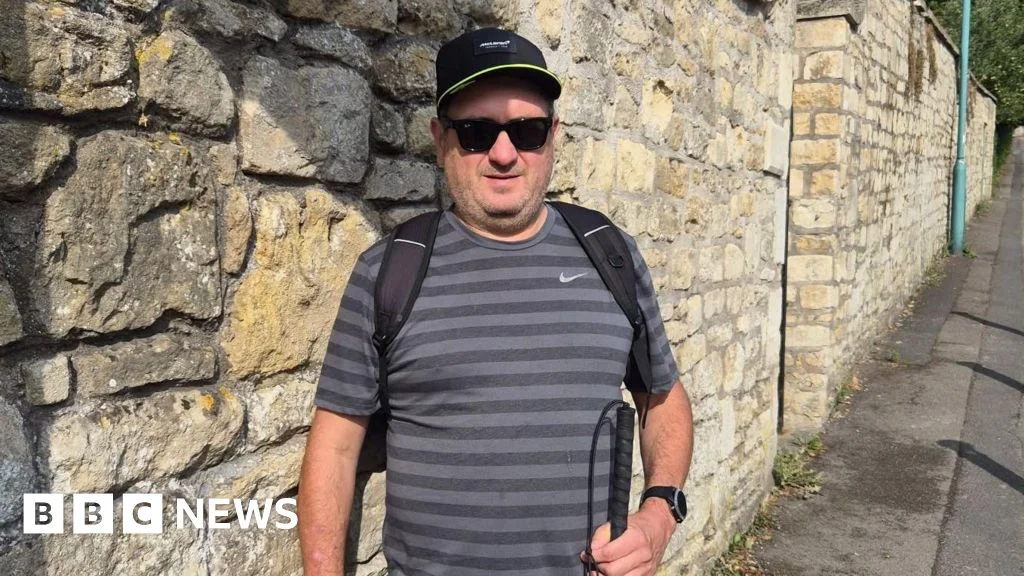
Andy Evans, who became blind a year ago, has returned to work and improved his quality of life using Meta's AI glasses, which feature a camera, speakers, and voice-activated AI to help with daily tasks and obstacle detection, demonstrating the transformative potential of assistive technology.
Originally Published 6 months ago — by Rolling Stone
Stevie Wonder humorously addressed rumors that he is not truly blind during a concert, affirming his blindness since shortly after birth and highlighting his positive perspective on life and seeing the world through the spirit.
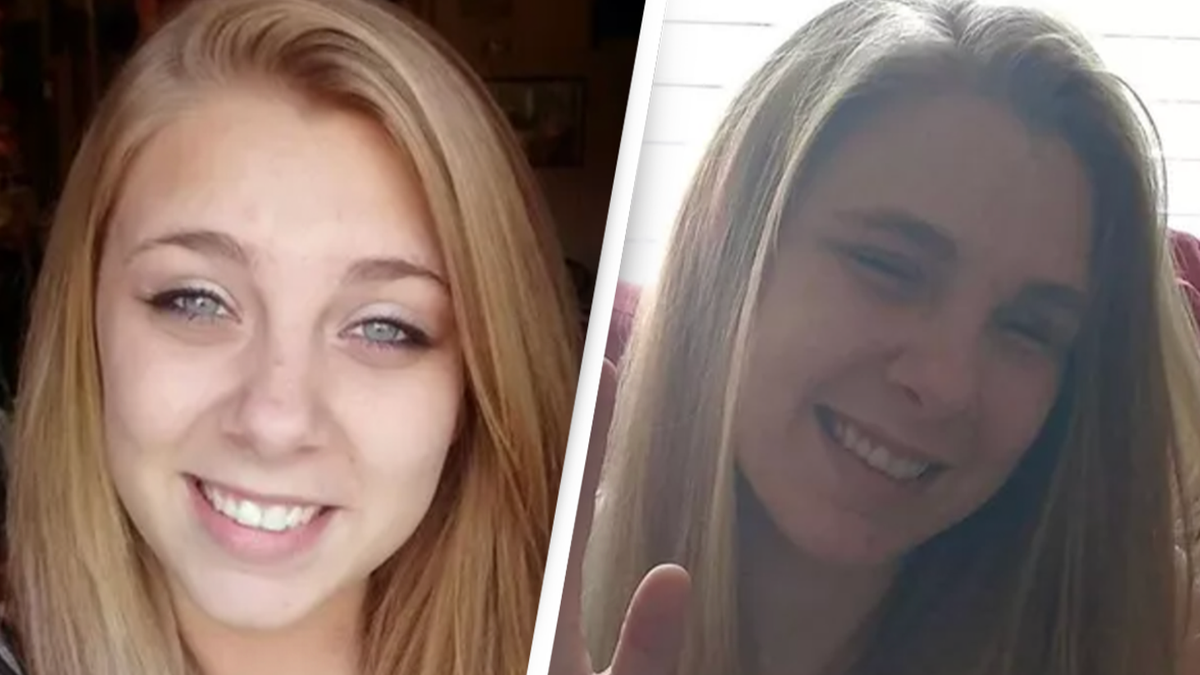
Kaylee Muthart, a 20-year-old from South Carolina, blinded herself while under the influence of crystal meth, believing she needed to sacrifice her eyes to save the world. Despite the traumatic event, Kaylee, who had been using drugs since she was 18, now feels happier and on the right path after losing her sight. The incident highlights the severe impact of drug abuse and mental health issues. For support, individuals can contact American Addiction Centers.
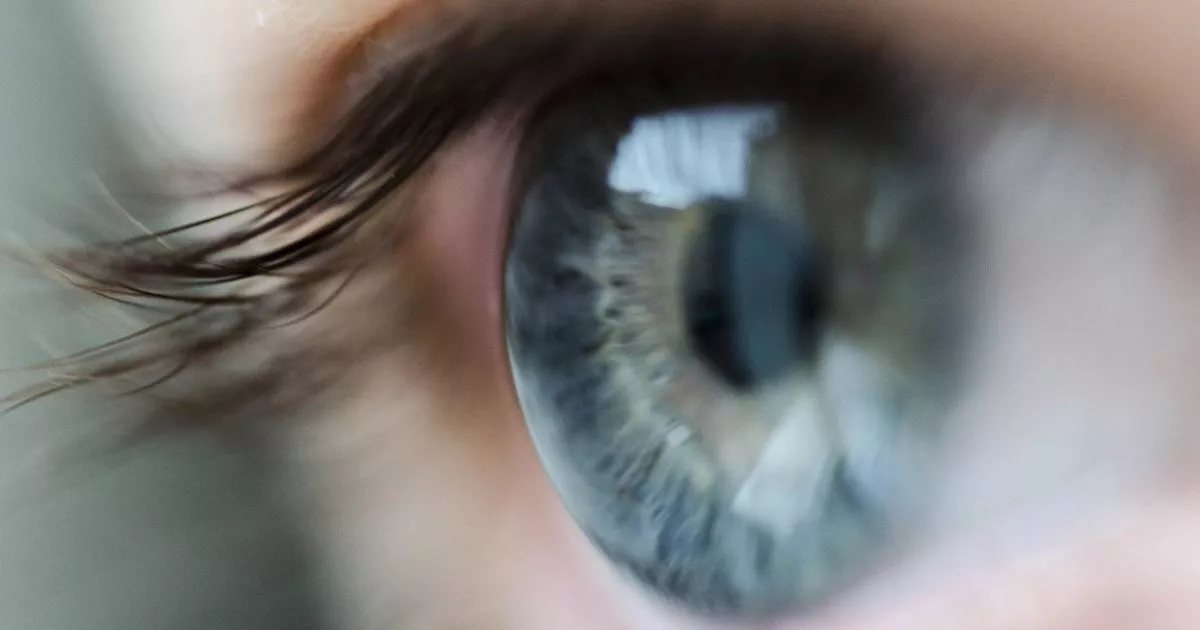
An overlooked symptom of diabetes, diabetic retinopathy, can lead to blindness if untreated, warns ophthalmologist Cindy Cai. This condition, caused by high blood sugar damaging the retina's blood vessels, highlights the importance of regular eye exams and lifestyle changes to manage blood sugar, blood pressure, and cholesterol. Early detection and treatment are crucial to prevent vision loss, especially for those with long-term diabetes, high blood pressure, or high cholesterol.
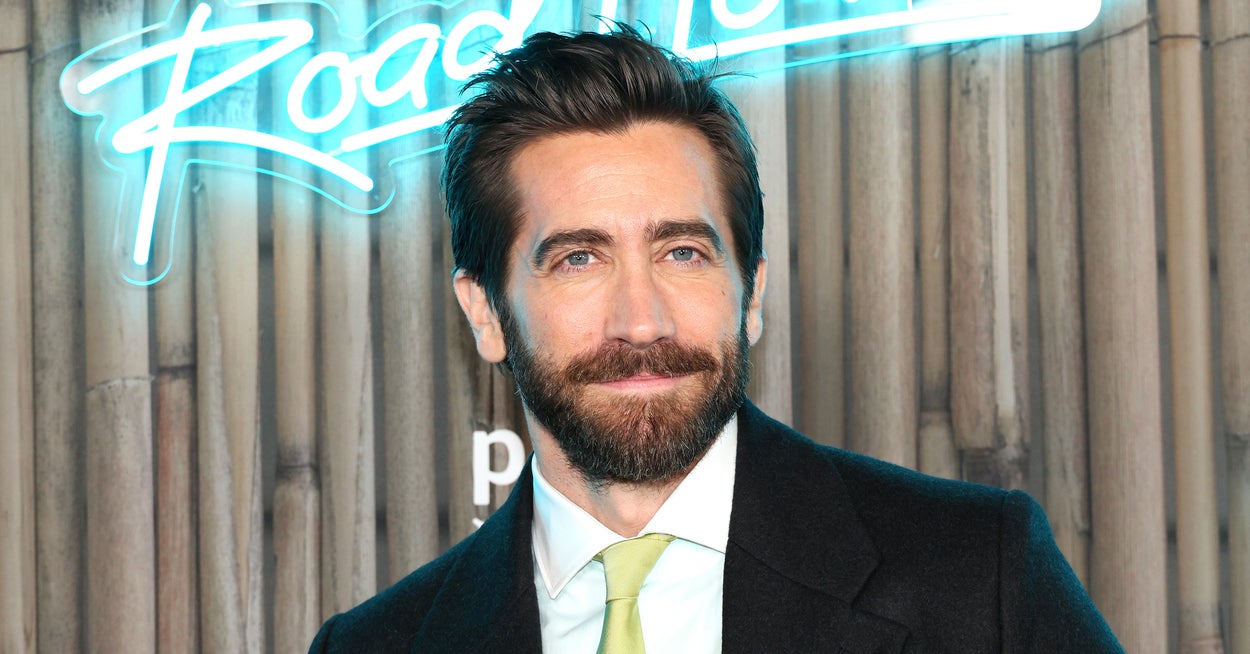
Jake Gyllenhaal, who has 20/1250 vision and wears thick corrective lenses, discusses his experience with being legally blind and how it has influenced his life and acting career.
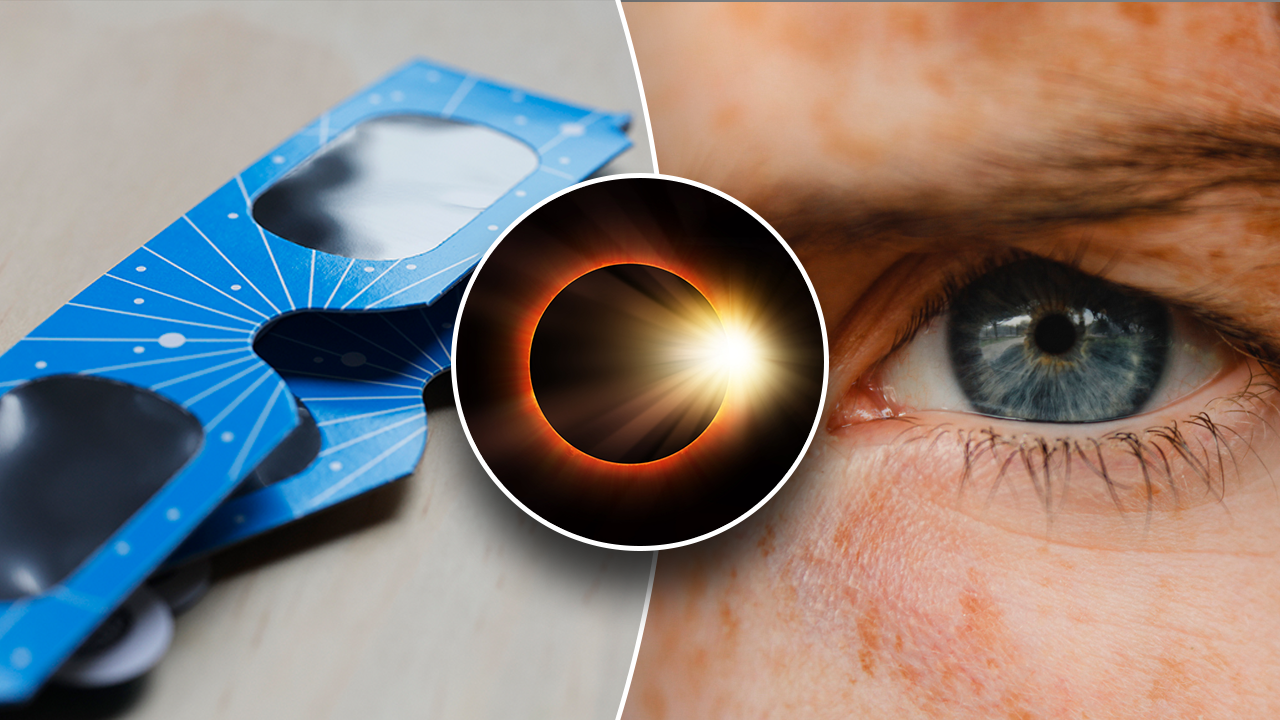
Eye doctors are warning people not to look directly at the sun during the upcoming solar eclipse on April 8th, as it could lead to blindness and permanent eye damage in less than a second. Staring at the sun can cause a rare type of retinal injury called solar retinopathy, with symptoms including blurred vision, blind spots, and light sensitivity. It is crucial to use special-purpose solar filter sunglasses labeled as "ISO 12312-2" compliant and to avoid using binoculars or special lenses that magnify the eclipse. Additionally, children require special attention when using solar eclipse glasses, and alternative safe viewing methods such as pinhole cameras are recommended.
A study has linked gut bacteria to genetic mutations causing blindness, specifically in cases of the Crumbs homolog 1 (CRB1) gene associated with Leber congenital amaurosis and retinitis pigmentosa. The mutation compromises the body's defenses, allowing harmful gut bacteria to enter the eye and trigger sight loss. Treating the bacteria with antimicrobial agents prevented blindness in mouse models, suggesting a potential avenue for treatment, with implications for transforming treatment for CRB1-associated eye diseases and the possibility of targeting gut bacteria to prevent blindness in affected individuals.