Tag

Protocells

All articles tagged with #protocells

Breakthrough in Understanding the Origins of Earth's First Cell Membranes

Originally Published 1 year ago — by SciTechDaily

Featured image for Breakthrough in Understanding the Origins of Earth's First Cell Membranes
Source: SciTechDaily

Researchers at the University of California San Diego have discovered a potential mechanism for the formation of early Earth protocells, which could explain the origins of life. The study, published in Nature Chemistry, reveals that simple molecules like cysteine and short-chain choline thioesters can spontaneously form lipid membranes when catalyzed by silica glass. This process, which does not require enzymes, could have led to the creation of protocell-like structures capable of sustaining biochemical reactions, offering insights into how life might have emerged from non-living matter.

"Groundbreaking Phospholipid Discovery Alters Origin of Life Narrative"

Originally Published 1 year ago — by SciTechDaily

Featured image for "Groundbreaking Phospholipid Discovery Alters Origin of Life Narrative"
Source: SciTechDaily

A recent study by Scripps Research suggests that phosphorylation may have been crucial in developing complex, functional precursors to life on Earth about 4 billion years ago, enhancing our understanding of the origins of life and the early Earth’s chemical environment. The discovery of a new phospholipid provides insight into how protocells may have first formed and chemically progressed, shedding light on the emergence and evolution of life on early Earth. This finding lays the building blocks for understanding the origins of life and how life can evolve on early Earth.

"Uncovering the Formation of Earth's First Cells: A Breakthrough in Scientific Discovery"

Originally Published 1 year ago — by indy100

Featured image for "Uncovering the Formation of Earth's First Cells: A Breakthrough in Scientific Discovery"
Source: indy100

Scientists at The Scripps Research Institute in California have proposed a groundbreaking explanation for the emergence of protocells, the precursors to modern living cells, on early Earth. Their findings suggest that phosphorylation, a key chemical process, occurred earlier than previously thought, leading to the formation of more stable protocells capable of diverse functionalities. By mimicking prebiotic conditions, the researchers demonstrated how fatty acids and glycerol may have undergone phosphorylation to create these protocells, shedding light on the chemical environments of early Earth and the origins of life.

Unraveling the Mystery of Earth's First Cells

Originally Published 1 year ago — by indy100

Featured image for Unraveling the Mystery of Earth's First Cells
Source: indy100

Scientists at The Scripps Research Institute in California have proposed a groundbreaking explanation for the emergence of protocells, the precursors to modern living cells, on early Earth. Their findings suggest that phosphorylation, a key chemical process, occurred earlier than previously thought, leading to the formation of more stable and complex protocells capable of harboring chemical reactions and dividing with a diverse range of functionalities. By mimicking prebiotic conditions, the researchers demonstrated how fatty acids and glycerol may have undergone phosphorylation to create these protocells, shedding light on the chemical environments of early Earth and the origins of life.

Revealing the Birth of Earth's First Cells

Originally Published 1 year ago — by ScienceAlert

Featured image for Revealing the Birth of Earth's First Cells
Source: ScienceAlert

Researchers from The Scripps Research Institute have proposed a plausible pathway for the formation of the membranes of the first cells on Earth, suggesting that a chemical process called phosphorylation may have played a crucial role in the development of protocells more than 3.5 billion years ago. By replicating early Earth conditions in the lab, the team was able to demonstrate that phosphorylation could have been involved in the creation of more complex vesicles, similar to protocells. This finding sheds light on the chemical environments of early Earth and provides insights into the origins and evolution of life, while also offering implications for the study of life on other planets.

Unraveling the Origins of Life: Insights into Earth's Early Chemical Processes

Originally Published 1 year ago — by Phys.org

Featured image for Unraveling the Origins of Life: Insights into Earth's Early Chemical Processes
Source: Phys.org

Scientists at Scripps Research have discovered a plausible pathway for how protocells, the precursors to cells, may have first formed and chemically progressed on early Earth. Their findings suggest that a chemical process called phosphorylation, where phosphate groups are added to molecules, may have occurred earlier than previously expected, leading to the formation of more structurally complex protocells capable of harboring chemical reactions and dividing with a diverse range of functionalities. This research sheds light on the chemical environments of early Earth and provides insight into the origins and evolution of life.

"Hot Springs: The Crucial Catalyst for Life's Origins"

Originally Published 2 years ago — by Newsweek

Featured image for "Hot Springs: The Crucial Catalyst for Life's Origins"
Source: Newsweek

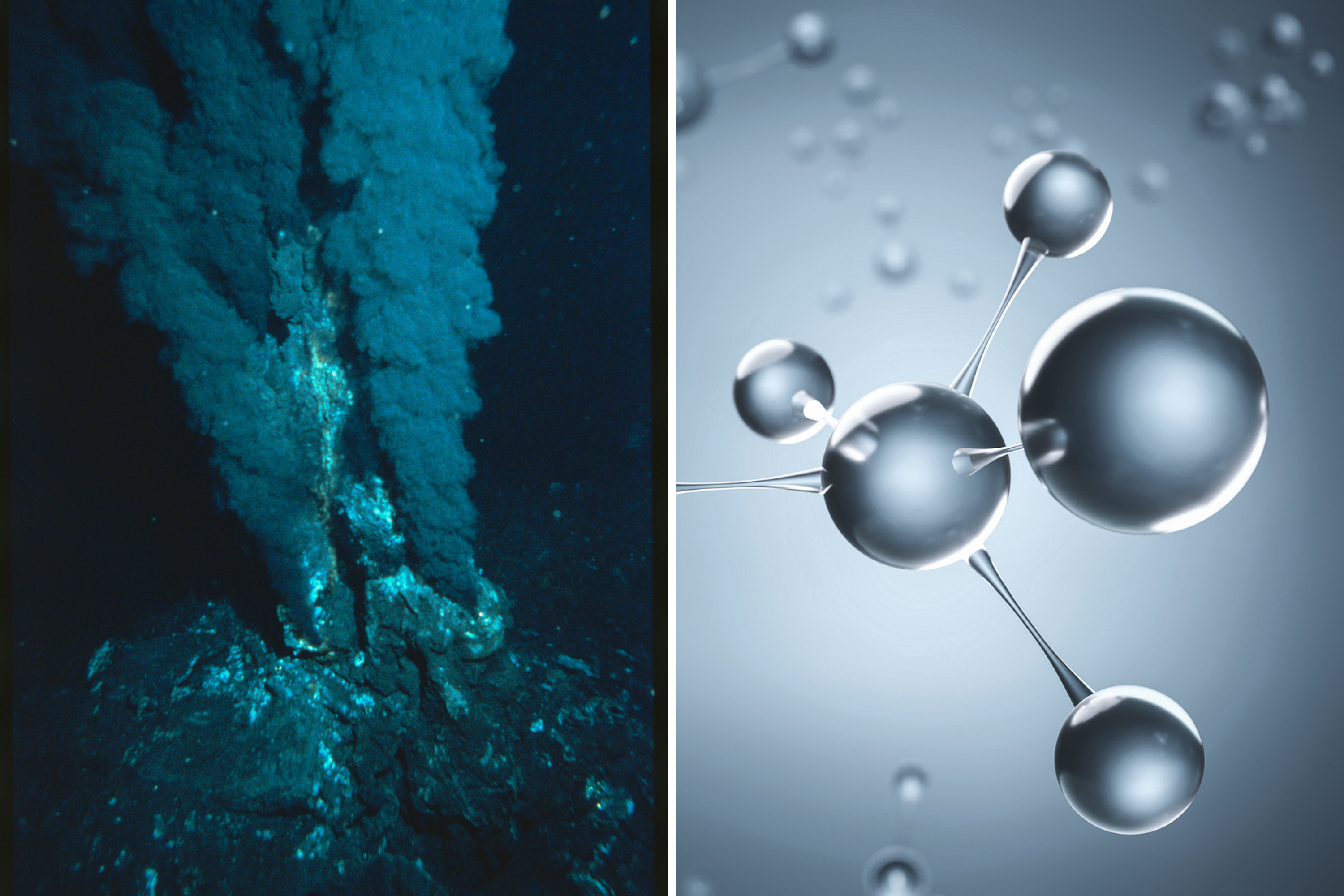
Scientists have simulated the formation of fatty acids, a crucial component in the creation of Earth's first cells, shedding light on the origins of life on our planet and potentially on other moons and planets. The study, published in Communications Earth and Environment, demonstrates how fatty acids can form under conditions replicating hydrothermal vents, suggesting a potential key stepping stone to the creation of protocells. These findings may also inform the search for similar chemistry and the origin of life elsewhere in our solar system, such as on Jupiter's moon Europa, Saturn's moon Enceladus, or in the past at active hydrothermal vent sites on Mars.

The Evolution of Humans: A 4 Billion Year Journey in One Visualization

Originally Published 2 years ago — by Visual Capitalist

Featured image for The Evolution of Humans: A 4 Billion Year Journey in One Visualization
Source: Visual Capitalist

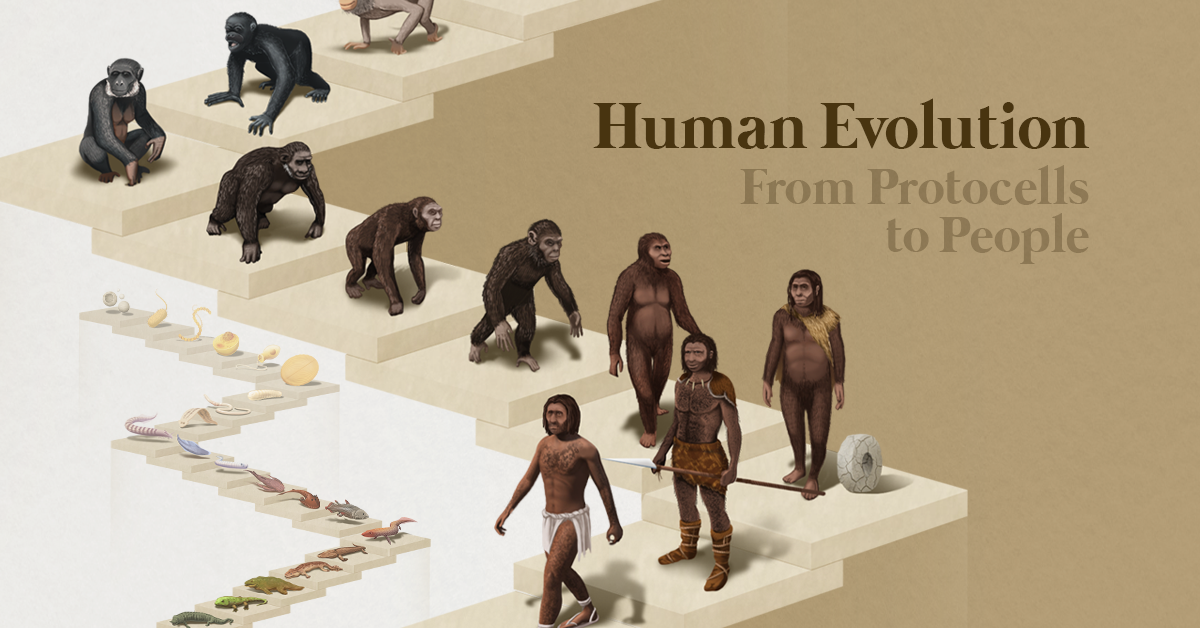
The article traces the 4 billion year path of human evolution, from protocells to modern humans. It highlights the key developmental stages in the evolution of life on Earth that led to the emergence of Homo sapiens. The future of human evolution is also discussed, with predictions of a shift towards a more globalized and homogeneous human population, with less genetic diversity. However, the changes will be shaped by a complex interplay of genetic, environmental, and cultural factors.