

Scientists at The Scripps Research Institute in California have proposed a groundbreaking explanation for the emergence of protocells, the precursors to modern living cells, on early Earth. Their findings suggest that phosphorylation, a key chemical process, occurred earlier than previously thought, leading to the formation of more stable protocells capable of diverse functionalities. By mimicking prebiotic conditions, the researchers demonstrated how fatty acids and glycerol may have undergone phosphorylation to create these protocells, shedding light on the chemical environments of early Earth and the origins of life.

Scientists at The Scripps Research Institute in California have proposed a groundbreaking explanation for the emergence of protocells, the precursors to modern living cells, on early Earth. Their findings suggest that phosphorylation, a key chemical process, occurred earlier than previously thought, leading to the formation of more stable and complex protocells capable of harboring chemical reactions and dividing with a diverse range of functionalities. By mimicking prebiotic conditions, the researchers demonstrated how fatty acids and glycerol may have undergone phosphorylation to create these protocells, shedding light on the chemical environments of early Earth and the origins of life.
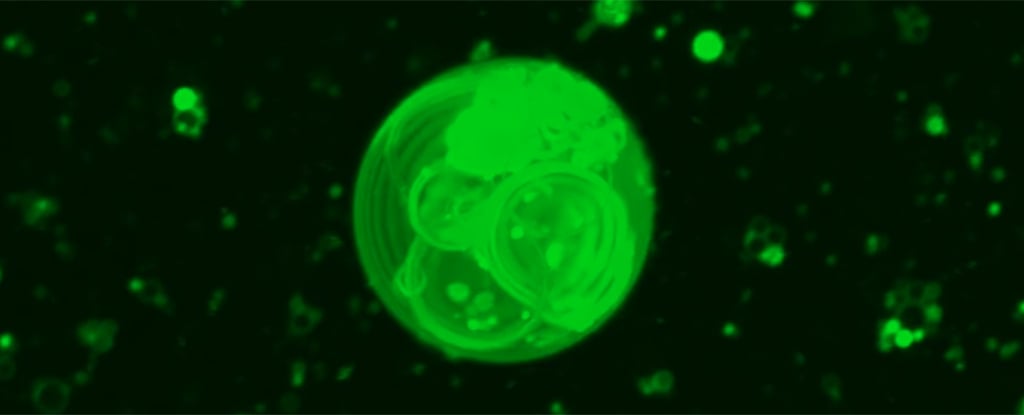
Researchers from The Scripps Research Institute have proposed a plausible pathway for the formation of the membranes of the first cells on Earth, suggesting that a chemical process called phosphorylation may have played a crucial role in the development of protocells more than 3.5 billion years ago. By replicating early Earth conditions in the lab, the team was able to demonstrate that phosphorylation could have been involved in the creation of more complex vesicles, similar to protocells. This finding sheds light on the chemical environments of early Earth and provides insights into the origins and evolution of life, while also offering implications for the study of life on other planets.