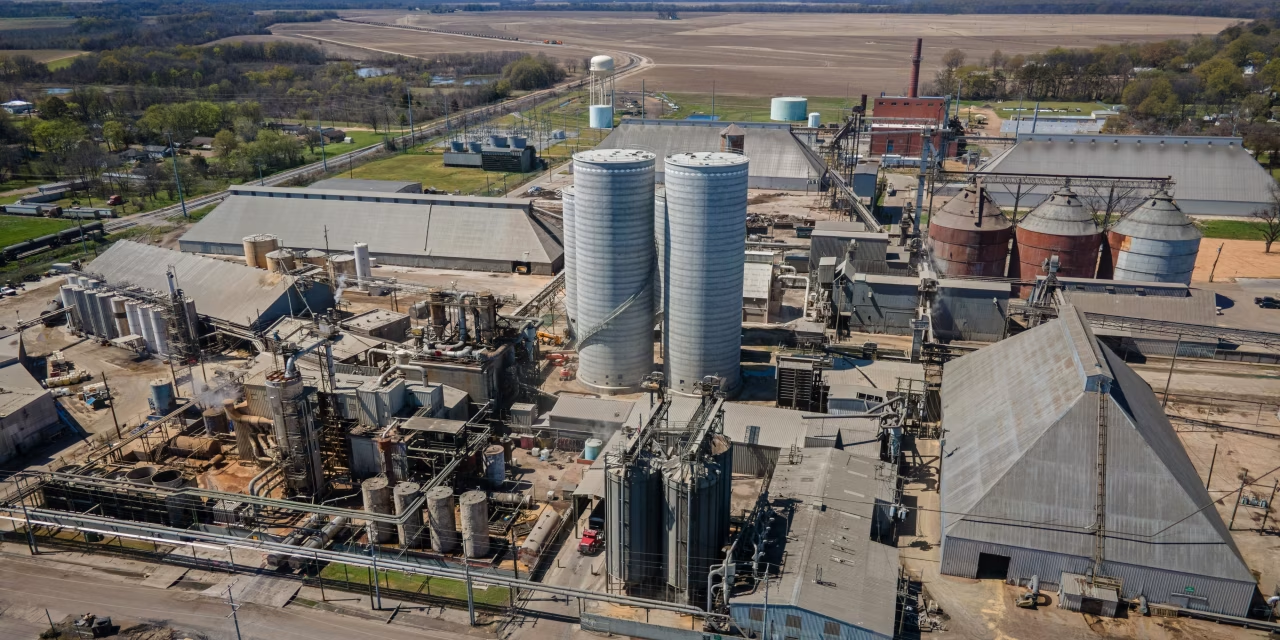
Amid escalating US-China tensions, President Trump is considering banning Chinese cooking oil imports, particularly used cooking oil (UCO), as part of broader trade retaliations linked to China's refusal to buy US soybeans. While such a ban would likely be symbolic due to the relatively small economic impact, it highlights ongoing disputes over biofuel feedstocks, domestic production challenges, and trade strategies, with implications for both US and Chinese markets.

Researchers at the University of Washington's Institute for Protein Design are using AI models to build synthetic proteins, aiming to make biofuel production more efficient and cost-effective by potentially replacing traditional crop-based methods.
Brazil's government has approved increasing biofuel blends in gasoline and diesel, with ethanol rising to 30% and biodiesel to 15%, making the country gasoline self-sufficient for the first time in 15 years, boosting energy security and decarbonization efforts.
The US EPA has proposed increasing biofuel blending volumes through 2027, supporting the biofuels industry with higher mandates for biomass-based diesel and overall biofuel use, amidst industry support and concerns from oil refiners about market capacity and costs.
The Trump administration's EPA proposes increasing biofuel blending quotas for 2026, aiming to boost domestic biofuel production and reduce imports, with a focus on supporting American farmers and renewable energy industries, while also considering changes to compliance credit values and exemptions for small refineries.
Toyota, along with Subaru and Mazda, is developing new compact 1.5L and 2.0L internal combustion engines that are adaptable to various carbon-neutral fuels like e-fuel, biofuels, and liquid hydrogen. These engines are designed to be smaller, lighter, and more efficient, aiming to meet stricter emissions standards and integrate seamlessly with electric drive units. This initiative reflects Toyota's strategy to maintain a diverse range of powertrain options, including hybrids, as the automotive industry moves towards tougher emission norms and carbon neutrality.
Richard Palmer's Global Clean Energy Holdings acquired an aging California refinery to process camelina, a plant with oil-rich seeds, for biofuel production. ExxonMobil invested $150 million in the venture but later sued GCEH, alleging mismanagement and contract breaches. GCEH denies the allegations and plans to make the refinery operational by midyear, initially producing 9,000 barrels per day. The company aims to use camelina as a low-carbon feedstock and has faced challenges in securing sufficient supply. The lawsuit's outcome could have significant implications for GCEH and its stakeholders, including ExxonMobil.
Scientists have developed a new imaging method to study the symbiotic relationship between leafcutter ants and a fungus that degrades plant material, revealing important insights into the molecular intricacies of this process. The research provides valuable information for future biofuels and bioproducts development, shedding light on how a specialized microbial community composed of fungus, leafcutter ants, and bacteria naturally degrades plants. The team's findings, published in Nature Chemical Biology, offer a deeper understanding of the complex environmental systems involved and could lead to more efficient methods for breaking down plant materials for various applications.
Scientists at the University of Wisconsin-Madison have engineered bacteria that can simultaneously produce two valuable chemical products from underutilized plant fiber. The bacteria, called Novosphingobium aromaticivorans, can digest lignin, a challenging component of plant cell walls, and genetically modified strains have been developed to produce plastics and carotenoids. The discovery could contribute to more sustainable and commercially viable biofuel production, as well as the extraction of high-value products from renewable biomass. The researchers aim to further enhance the strains' capabilities and explore the potential for creating other microbial chassis that can produce multiple products.
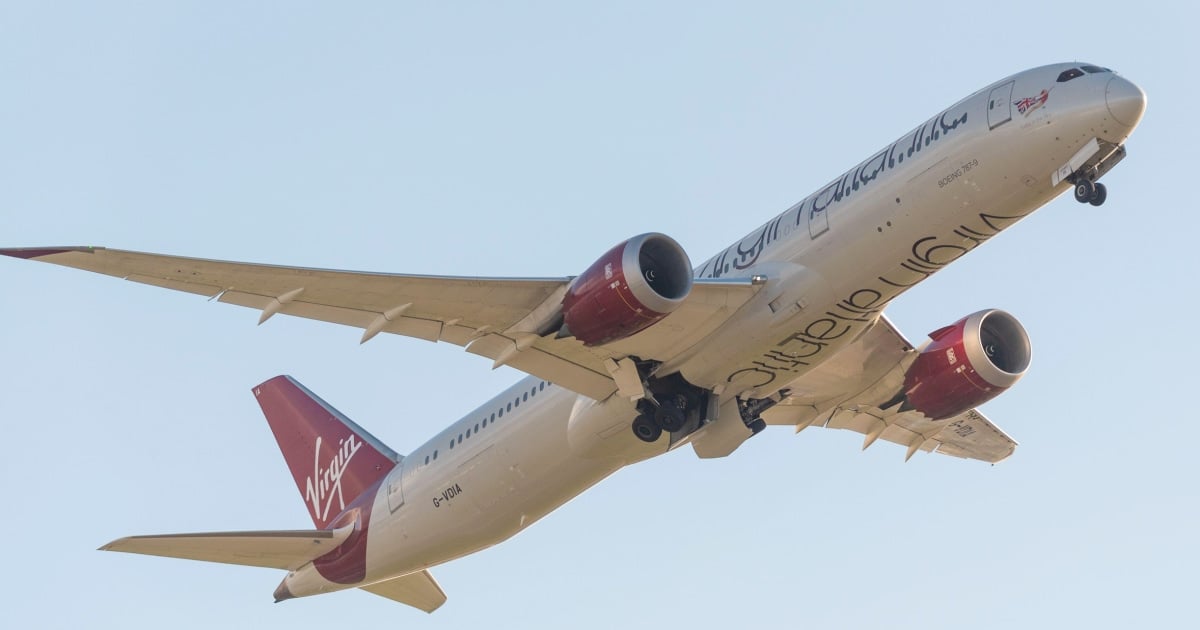
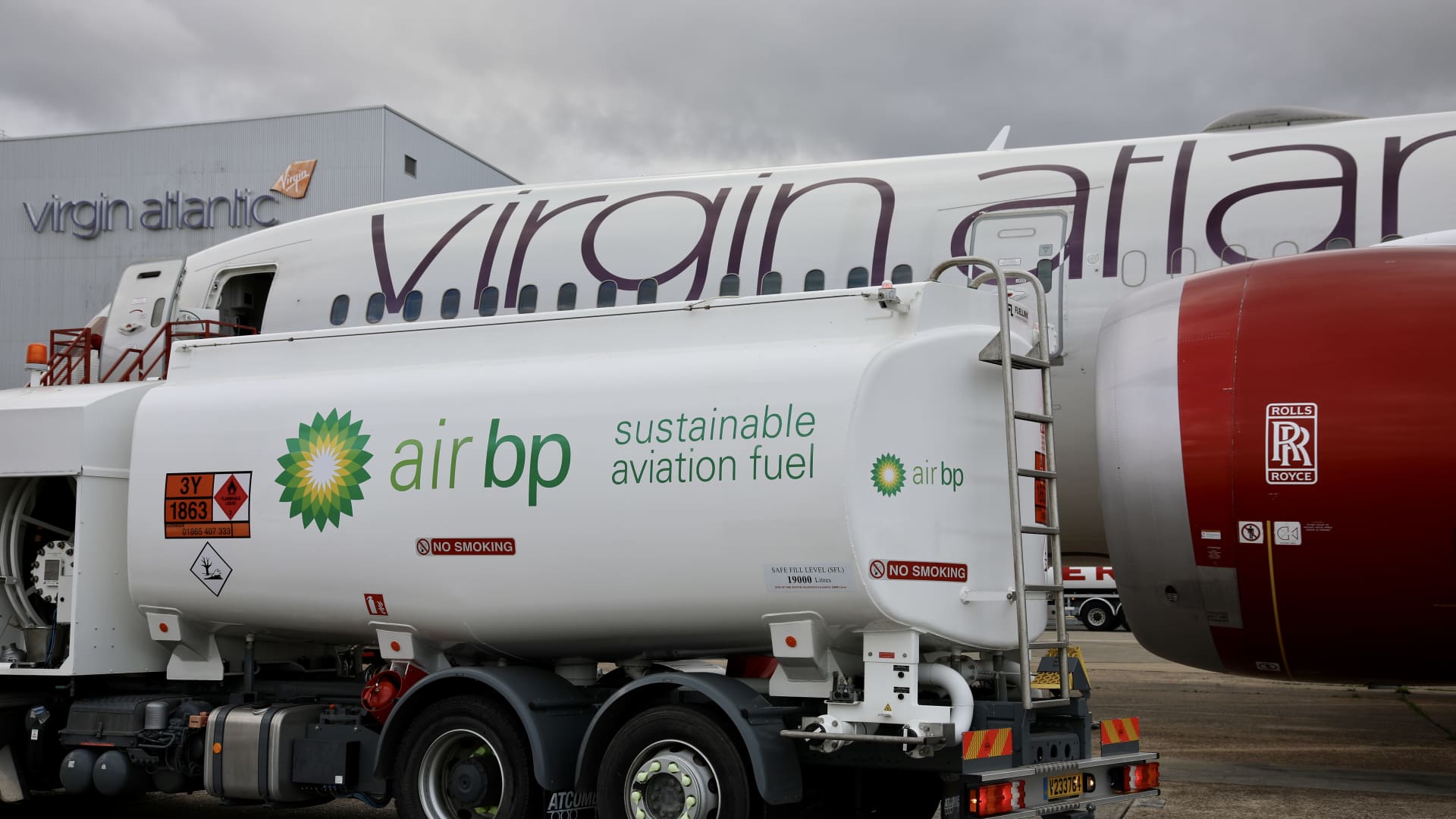
Virgin Atlantic has conducted the first transatlantic flight powered by 100% sustainable aviation fuel (SAF), using a blend of 88% waste fats and 12% Synthetic Aromatic Kerosene made from plant sugars. While other airlines have used SAF on shorter journeys and in lower blends, this flight aims to demonstrate the viability of greener air travel. SAF, derived from non-fossil sources, has lower lifecycle emissions compared to regular petroleum-based fuel. However, challenges such as supply shortages, higher costs, and concerns over sustainability remain. The industry aims to reach 10% SAF use for global jet aviation fuel supply by 2030.
Virgin Atlantic has successfully completed the world's first transatlantic flight powered by 100% sustainable aviation fuel (SAF). The flight, which used a blend of waste fats and synthetic aromatic kerosene made from plant sugars, departed from London Heathrow to New York JFK. While SAF still produces emissions, its overall "lifecycle emissions" are significantly lower than regular petroleum-based fuel. The use of SAF in long-haul flights is seen as a viable solution for decarbonizing aviation, but challenges such as supply shortages, higher costs, and sustainability concerns remain. Increased investment, regulatory certainty, and price support mechanisms are needed to scale up SAF production.
Oil prices are facing pressure as the U.S. dollar strengthens and concerns about higher interest rates weigh on demand expectations. The International Energy Agency (IEA) has softened its stance on upstream projects in its latest Net Zero Roadmap, calling for no new long-lead-time upstream projects. The IEA also highlighted the lagging production of biofuels, which would need to triple its growth rate to meet the 2050 net zero target. Chevron expects to add 65,000 b/d of crude production in Venezuela by the end of next year. Russia has eased its export ban, exempting certain bunkering fuels and high-sulfur gasoils. Canada's Trans Mountain Corporation has avoided further delays after receiving approval for an updated pipeline plan. Shale pioneer Harold Hamm has called for policy consistency in U.S. energy policy. A refinery blast in Iran has caused one death and injured four workers. The Biden administration reaffirmed its commitment to offshore wind projects. Uruguay is finalizing seven new offshore exploration licenses, attracting major companies like Shell and APA. China continues to face coal-related incidents, with another coal mine collapse leading to suspended production. The EU has agreed on new emission rules, labeled "Euro 7," to advance the ban on carbon-emitting vehicles by 2035. Iron ore prices slumped due to weaker steel consumption in China. Tanker congestion at the Panama Canal has driven VLGC freight rates to multi-year highs. Indonesia launched its own carbon emission trading mechanism to reduce coal usage and achieve net zero by 2060.
Indian Prime Minister Narendra Modi announced the launch of the Global Biofuels Alliance at the G-20 summit, with India, the U.S., and Brazil leading the initiative. The alliance aims to accelerate the transition to net-zero emissions by promoting sustainable biofuels made from plant and animal waste. Argentina, Italy, Mauritius, and the UAE joined as members, while Bangladesh and Singapore are observers. Critics argue that biofuel technology may not be as environmentally friendly as claimed, citing issues such as deforestation. India, the world's third-largest oil consumer, plans to expand biofuel production and aims to become carbon neutral by 2070.
The U.S. Environmental Protection Agency (EPA) has denied almost all outstanding petitions from oil refiners seeking exemptions from biofuel blending mandates. The agency rejected 26 petitions from 15 small refineries for the 2016-2018 and 2021-2023 compliance years, with two petitions still pending. The EPA also disclosed the names of refiners that submitted petitions and those participating in an alternative compliance schedule. President Joe Biden's administration aims to reduce carbon emissions and has not yet granted any waivers to refineries, in contrast to the previous administration. The EPA stated that none of the petitioning refineries demonstrated disproportionate economic hardship caused by compliance with the Renewable Fuel Standard.
The Environmental Protection Agency has announced mandated volumes for biofuels in the coming years that fell short of industry expectations, causing concerns that the production capacity that companies were building up would be left in a lurch. Shares of Darling Ingredients, the country's largest renewable diesel producer through a joint venture, fell as much as 8%. Shares of Archer-Daniels-Midland and Bunge, which produce renewable diesel feedstocks, also slipped on the news.