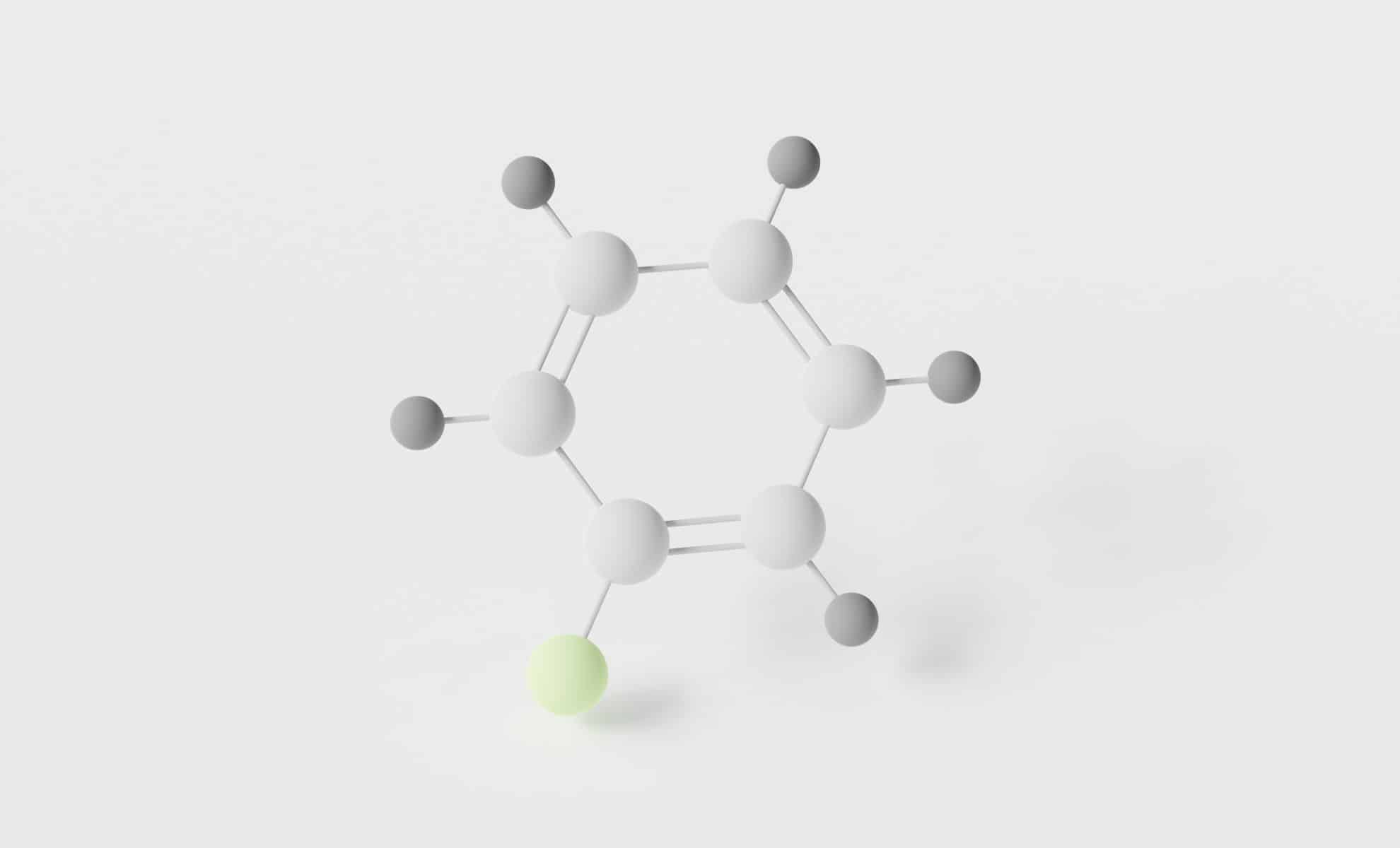
Researchers have used high-harmonic spectroscopy to observe ultrafast electron dynamics in liquids, revealing how specific molecular interactions, like hydrogen bonding, can disrupt electron motion and suppress light emission, with potential implications for chemistry and biology.
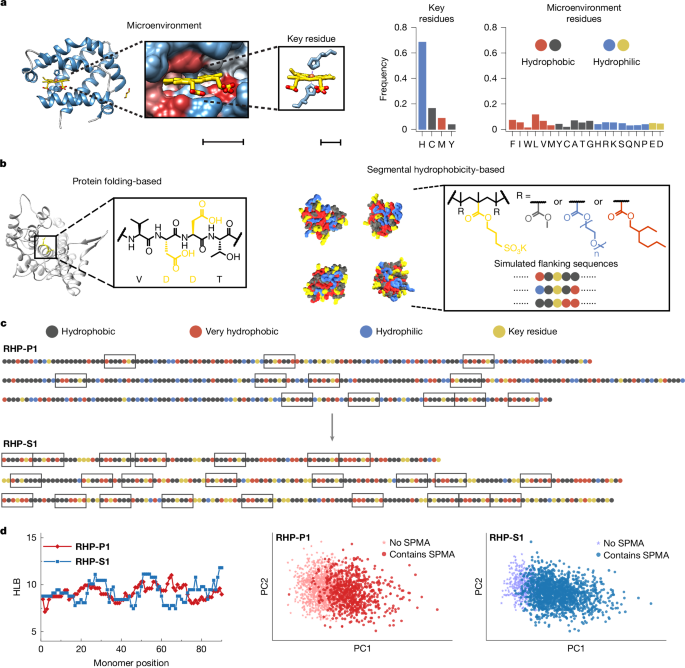
The article discusses the design and analysis of random heteropolymers as enzyme mimics, including data and code availability, experimental methods, and computational studies to understand their structure and function, supported by extensive references and acknowledgments.
Scientists have discovered that ice remains slippery at extremely low temperatures not due to melting or frictional heat, but because of molecular charge interactions causing a disordered, viscous layer on the surface, which forms through amorphization rather than melting, challenging traditional theories.
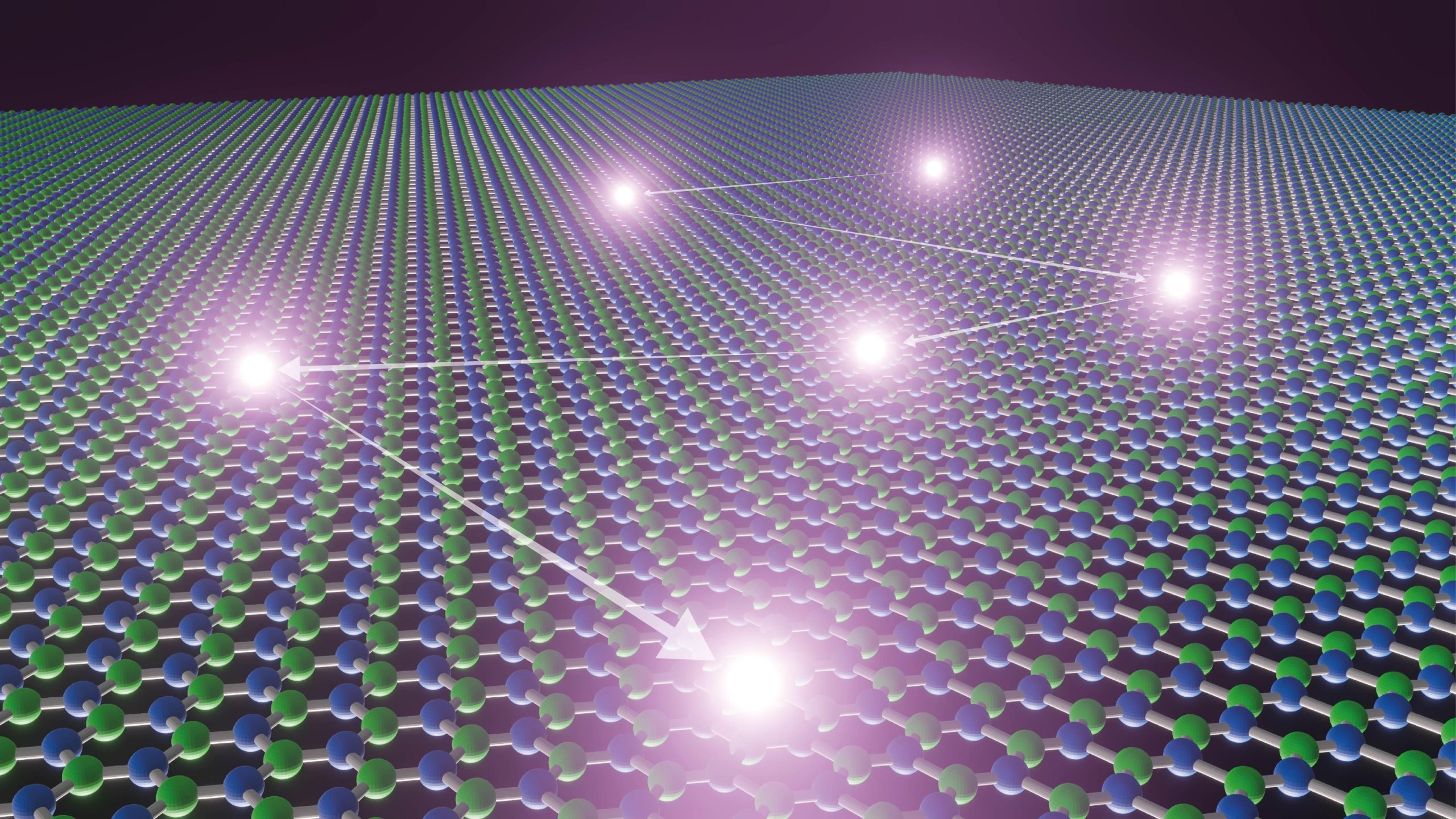
Scientists from EPFL and the University of Manchester have made a breakthrough in nanofluidics by utilizing the fluorescent properties of a graphene-like 2D material, boron nitride. This discovery allows for the tracking of individual molecules within nanofluidic structures, providing new insights into molecular behavior and paving the way for advancements in optical imaging and sensing. The research offers a deeper understanding of molecular properties and has potential applications in visualizing nanoscale flows and studying confined spaces.
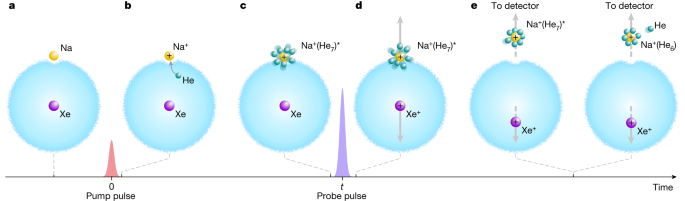
Researchers have observed the primary steps of ion solvation in helium droplets using a combination of experimental and computational techniques. The study provides insights into the solvation dynamics of ions in a unique nanomatrix of superfluid helium, shedding light on the fundamental processes involved in solvation. The findings have implications for understanding solvation phenomena in other systems and could contribute to the development of new materials and technologies.
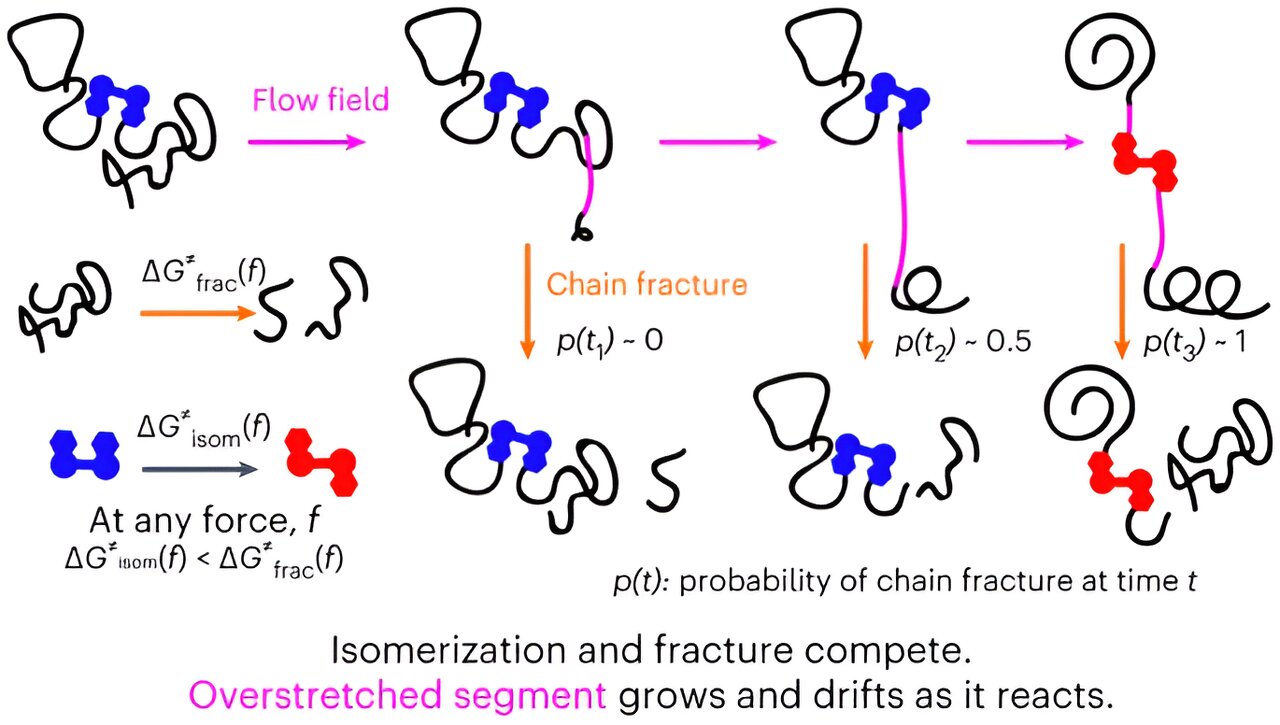
Chemists at the University of Liverpool have made a significant breakthrough in polymer science by using mechanochemistry to study how polymer chains in solution respond to sudden changes in solvent flow. This discovery has important implications for understanding the behavior of real-world systems and could impact industries such as oil and gas recovery, piping, and photovoltaics manufacturing. The researchers plan to further develop their method to accurately predict flow behavior in different polymer-solvent-flow combinations.
Researchers have developed a method to measure the speed of charge migration (CM) in molecules, discovering that it can move several angstroms per femtosecond. This breakthrough research provides insights into ultrafast molecular dynamics and potential control over chemical reactions. By using a high harmonic spectroscopy (HHS) method, the team measured CM speed in a carbon-chain molecule and achieved a temporal resolution of 50 attoseconds. The study sheds light on the complexities of CM and offers a promising way to manipulate the rate of chemical reactions.
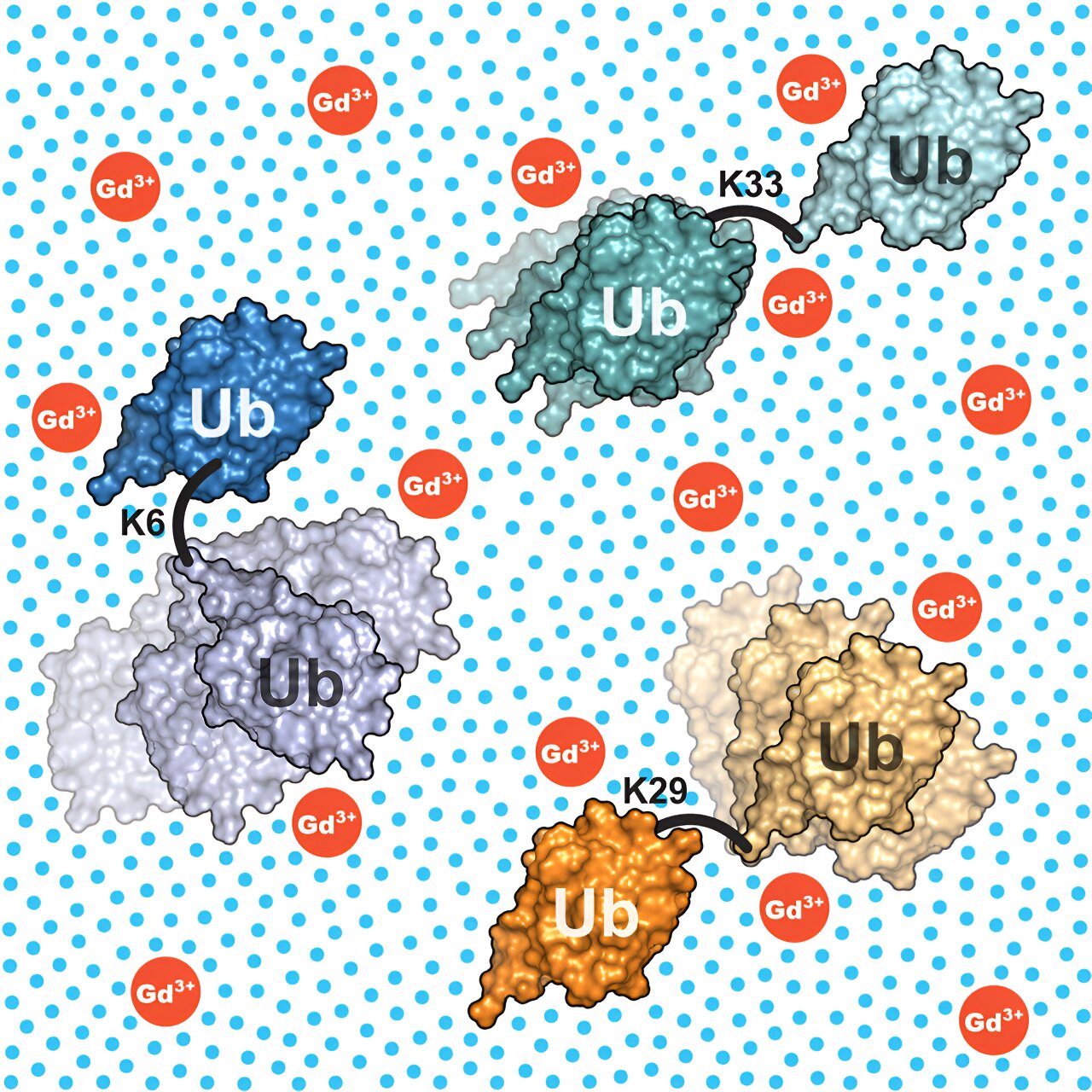
Biophysicists from the University of Konstanz have developed a combination of high-resolution NMR spectroscopy and computer simulations to study the structural dynamics of complex proteins. By examining ubiquitin dimers, they demonstrated the high structural variability of these multi-domain proteins and provided detailed insights into their conformational heterogeneity. This approach opens new avenues for understanding the diverse structures and biological functions of complex proteins.
Scientists have demonstrated the breakdown of the Born-Oppenheimer approximation, which assumes the independence of nuclear and electronic motion in molecules, revealing a close relationship between the dynamics of nuclei and electrons. This discovery has implications for the design of molecules used in solar energy conversion, energy production, and quantum information science. The team used ultrashort laser pulses to track the motion of nuclei and electrons in real time, showing how the spin-vibronic effect can drive inter-system crossing. Understanding this interplay could lead to new ways to control and exploit the electronic and spin properties of molecules.